PARENTS
20 Mental Health Resources for BIPOC Parents
BIPOC parents need access to mental health resources that are specially designed for their needs. Here’s help finding the perfect fit.

Written by
Happiest Baby Staff
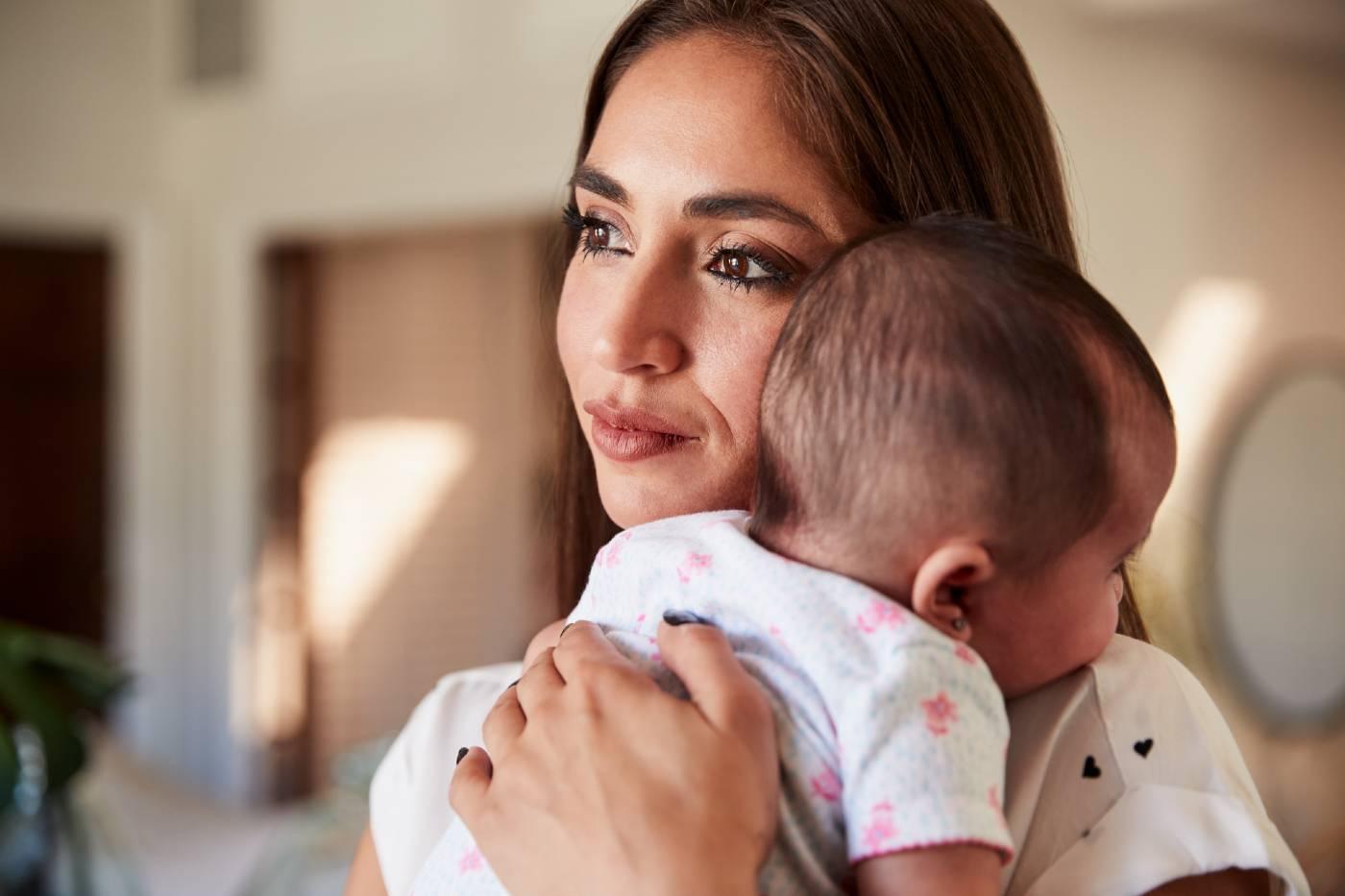
Being a parent is taxing in the best of circumstances. Add in obstacles, like stigma, cultural differences, racism, discrimination, and limited access to mental health care and, well, “taxing” is putting your parenting struggles lightly. It’s no wonder BIPOC (Black, Indigenous, and People of Color) parents are more likely to grapple with mental health issues than their white counterparts. For instance, Black moms are roughly twice as likely to experience postpartum depression (PPD) symptoms than white parents. The risk of postpartum depression is nearly 40% higher in Latina women. And PPD is more prevalent among Native American mothers, too. And a 2020 report found that during the postpartum period, Asian moms are 2.11 times as likely to report suicide ideation than white moms.
In short, many BIPOC parents are struggling with their mental health and need help—and that help needs to be specifically designed for their needs. So, in honor of BIPOC Mental Health Month (also known as Bebe Moore Campbell National Minority Mental Health Awareness Month), we’ve gathered some mental health resources specifically for BIPOC parents…because all parents deserve support.
Mental Health Resources for BIPOC Parents
These organizations are dedicated to improving the mental well-being of BIPOC individuals, either in general or those who are parents.
Postpartum Support International
Postpartum Support International is a long-standing nonprofit dedicated to increasing awareness about the emotional changes that often go hand-in-hand with pregnancy and the postpartum period. As such, PSI has created a searchable database chock full of mental health providers of color who specialize in working with new and expecting moms. Their ultimate goal is to have a PSI coordinator of color in every state. Right now, there are over 600 mental health pros listed.
BIPOC PEEEEEEK
Beyond offering much-needed culturally responsive provider training, parents and caregivers can sign up for parent-led BIPOC Zoom support groups as well as classes and workshops, such as “Mental Health 101 Help Me Understand: Parent to Parent” and “What is this they call ‘Trauma.’”
CandleLit Care
Even though BIPOC parents are often at an elevated risk for perinatal mood and anxiety disorders, there’s a significant lack of culturally relevant mental health support for these new moms. Enter: Candlelit Care, a virtual therapy clinic specially built for new or expecting BIPOC parents. Here, new parents can tap culturally sensitive education, screening, and mental health support, such as perinatal coaching classes and a mobile app that’ll offer 24/7 access to trained qualified therapists. (For early access to the mobile app, sign up on site.)
Inclusive Therapists
Plain and simple, Inclusive Therapists offers a safe way to easily find culturally responsive and social-justice-oriented therapists who are ready to serve the BIPOC and LGBTQ+ community. Simply fill out a form specifying personal preferences and you’ll be hand-matched with mental health professionals in your community. Or you can browse the roster of mental health providers near you and reach out yourself. There’s also a Mental Health Events Calendar featuring various therapy groups, community events, mental health workshops, and more.
Clinicians of Color
Clinicians of Color began when two practicing therapists shared a vision of helping BIPOC mental health providers develop skills and expertise needed to start (or grow) their private practices. Today, they run the Clinicians of Color Online Academy with over 100 classes, expert training, resources, and support. Clinicians of Color offers a mental health directory, which helps bridge the gap between need and access to mental health services. After you search by your zip code, you can filter by specifics like clinician type, clinician race, and treatment areas, such as parenting or prenatal/postpartum care.
Melanin & Mental Health
Therapy is not one-size-fits-all, which is why the founders of Melanin and Mental Health decided to create a resource of culturally competent clinicians specifically for Black and Latinx people. Their site connects individuals with therapists, events, and free resources on quality mental health.
National Maternal Mental Health Hotline
New mom and feeling overwhelmed, sad, exhausted, or that you aren’t a good enough mother? For free 24/7 support in English or Spanish you can call or text 1-833-9-HELP4MOMS (1-833-943-5746). Here, you’ll be connected to a professional counselor who has been trained to be culturally and trauma-informed who can provide immediate real-time support, information, and resources. They’ll be able to refer folks to both community-based and telehealth mental health providers and offer an interpreter service in 60 languages.
Health in Her HUE
This website connects Black women and women of color to culturally sensitive healthcare providers, evidence-based health content, and community support. Parents can tap the Pregnancy & Parenting or the Mental & Behavioral Health section for community chat and provider recommendations. And their wealth of mental health focused content and parenting content can help get you started on your journey to better mental health.
Sad Girls Club
While not parent-specific, Sad Girls Club is a warm and inviting place that works overtime destigmatizing mental wellness for “millennial and Gen Z womxn, girls, and femmes of color.” Sad Girls Club’s superpower is making talk therapy accessible to all, thanks to the Chat Room (their version of group counseling), which has doled out 250 hours of free therapy since its inception in 2017. Looking for IRL support? There are opportunities to connect with the community through in-person events like poetry slams and yoga sessions.
Return to Zero: Hope
This national non-profit provides holistic support, resources, and community for all folks who’ve experienced unimaginable loss during the journey to parenthood. Within their organization they’ve gathered resources especially for BIPOC families who are grieving, such as specially designed webinars, and online support community, and a 6-week support group for women of color who’ve experienced the loss of a child through miscarriage, stillbirth, or infant death.
Mental Health Resources for Black Parents
While Black parents surely fall under the BIPOC umbrella and can be well-served by the above resources, here are even more mental health resources especially designed for Black parents.
National Queer & Trans Therapists of Color Network
To date, the NQTTCN directory has over 145 mental health practitioners working in agencies, community-based clinics, and private practices who are ready and able to help QTPoC parents (and non-parents). Simply search their directory by zip code to locate a queer therapist of color near you.
Shade of Blue Project
Shades of Blue Project came to be after its founder, Kay Matthews, a Black woman, delivered her stillborn daughter and was unable to find the support she needed. The organization offers mental health advocacy, treatment, and support for moms before, during, and after childbirth—and is breaking the stigma surrounding minority moms seeking help. Here, you’ll find online support groups geared toward teen moms, single moms, LGBTQ+ moms, infant loss, and more. Just as amazing: The Shades of Blue Project Prenatal-Postpartum Care Package Program that offers free diapers and wipes for parents in need.
National Black Doulas Association
Postpartum doulas are trained to help new moms with their emotional and physical recovery from birth and parent-baby bonding. Plus, it’s been shown that working with a postpartum doula can reduce your odds of postpartum depression. If you are a woman of color and seeking a doula, look no further than the National Black Doulas Association. Their national directory will help you zero in on a local doula who’s the right match for you.
[Find even more mental health resources for Black parents.]
Mental Health Resources for Hispanic Parents
Are you a Latinx parent looking for more specific mental health resources? Here are some that may prove helpful.
Latinx Therapy
Latinx Therapy is on a mission to destigmatize mental health in the Latinx community. And they’re doing so by way of a bilingual podcast that discusses mental health topics related to Latinx individuals—and national directory to find a Latinx therapist. In fact, 98% of the therapists in their directory are Spanish speakers.
Latinx Therapists Action Network
This national network and online platform are focused on the healing of Latinx people. As such, their therapist directory is filled with culturally grounded Latinx mental health professionals ready to help. The best part? The therapists listed are committed to providing therapy (or other mental health services) for those in need on a sliding scale.
Therapy for Latinx
Easily search for a provider by name, specialty, your insurance, or location. You can then further filter your choices by gender, identity, payment type, and more. Therapy for Latinx has also partnered with Mental Health America to offer mental health screenings on their website. This is one of the quickest ways to determine whether you’re experiencing symptoms of a mental health condition.
Mental Health Resources for Asian American Parents
And here are a few mental health resources specifically geared toward the Asian and South Asian population.
South Asian Therapists
While not solely focused on parents, this is the largest South Asian mental health therapist community in the world. Their robust directory features hundreds of qualified and “culturally competent” Indian, Pakistani, Bangladeshi, Sri Lankan, Afghani, and Nepali therapists. On site, there are workbooks (such as Attachment Styles Workbook and Boundaries Workbook) available for purchase. Finally, you can join the waitlist for a monthly digital self-care package subscription that includes therapist-approved workbook exploring therapeutic themes from a South Asian perspective, journal prompts, and a carefully curated reading and podcast list.
National Asian American Pacific Islander Mental Health Association
NAAPIMHA has culled a list of mental health and behavioral service providers in all 50 states for Asian Americans, Native Hawaiians, and Pacific Islanders. (Where no specific resources have been found, info for the State Department of Mental Health or Health is provided.) Either way, it's a great start for folks to locate the culturally sensitive mental health care they deserve.
Mental Health Resources for Indigenous Parents
Here are a couple of mental health resources especially designed for Native Americans.
Indian Health Services
Many tribes run their own behavioral health programs and the IHS mental health directory helps you find them—or other appropriate mental health programs in your area. (Search the Healthcare Locator by checking the “Behavioral Health” under “Choose facility types.”) All the programs listed are federally operated and provide mental health screening, assessment, treatment, and referrals.
One Sky Center
The American Indian/Alaska Native National Resource Center for Health, Education, and Research’s One Sky Center offers a mental health care directory filled with providers who have been nominated by several reputable sources for inclusion. The objective? To have a one-stop-shop directory of mental health pros who are respected and trusted by their peers and have expertise useful to Native communities.
More mental health resources:
- Mental Health Resources for All New Parents
- 5 Ways SNOO Supports Parents' Wellbeing
- How Infertility Impacts Your Mental Health
Disclaimer: The information on our site is NOT medical advice for any specific person or condition. It is only meant as general information. If you have any medical questions and concerns about your child or yourself, please contact your health provider.



SHARE THIS ARTICLE
MOST LOVED
Sleepytime Sidekicks