TODDLER
How to Teach Your Child to Stand Up for What’s Right
As important as it is to raise smart, healthy kids, it’s even more important to raise kind and tolerant kids who aren’t afraid to stick up for what’s right.

Written by
Happiest Baby Staff
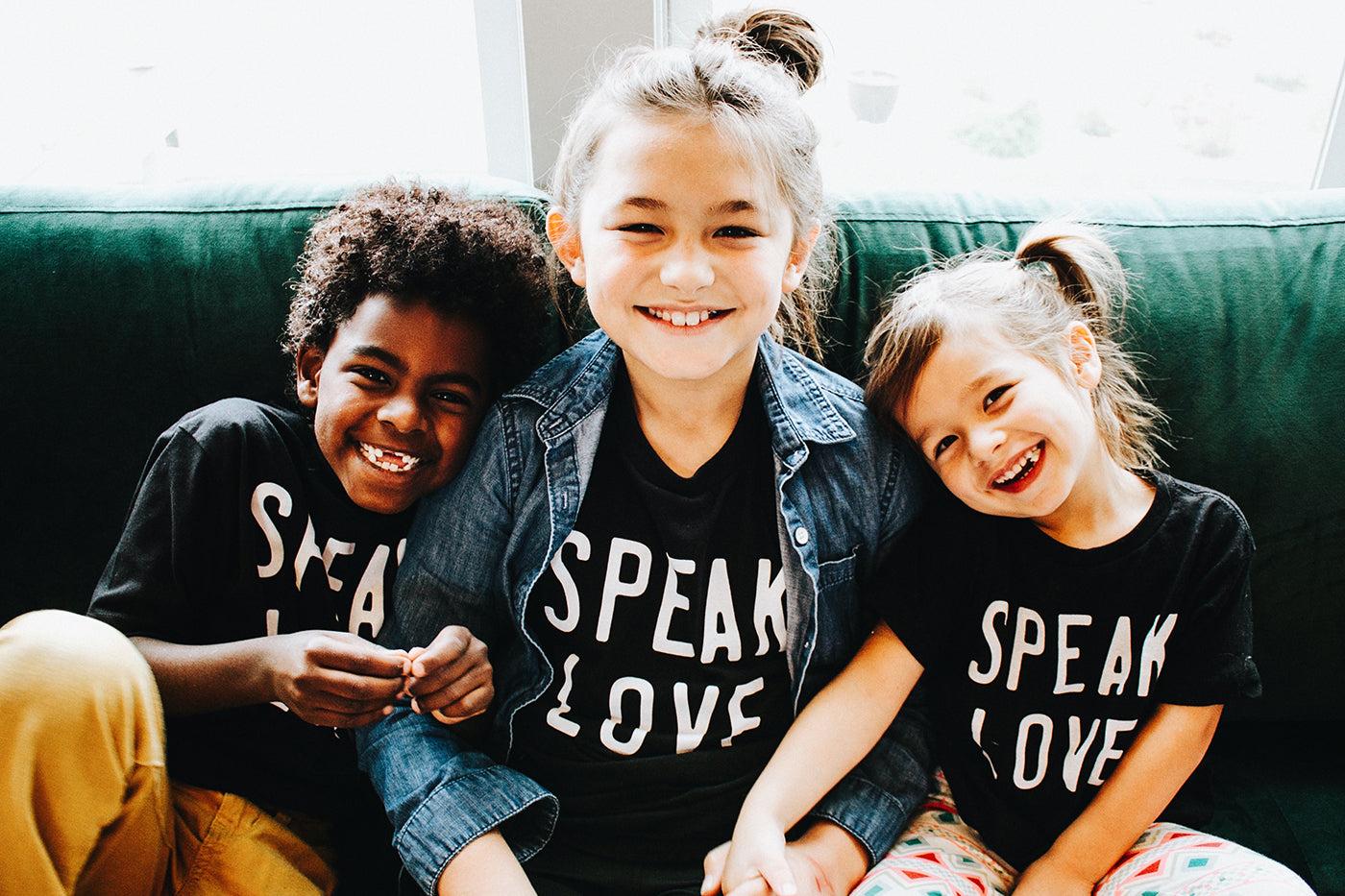
As important as it is to raise smart, healthy kids, it’s even more important to raise kind and tolerant kids who aren’t afraid to stick up for what’s right. But how do you begin to impart such big values on little toddlers?
When it comes to teaching little kids about being a good ally, being actively anti-racist, and standing up for what’s right, “side-door lessons” let parents subtly plant seeds of kindness without children feeling like you’re lecturing them, which makes their little brains more open to the lessons you’re trying to teach. A few ways to plant these seeds of kindness with young children…
Role Play.
Use dolls or loveys to act out situations. For example, you could have the dolls act out what someone could do if they see a friend getting picked on for the color of their skin. Like actors who practice a lot to learn their lines, the more you role-play important life lessons with your child, the faster he’ll learn what is right and wrong and remember it and do the right thing in the future.
Tell stories.
For thousands of years, we’ve used stories to teach right from wrong. You can create your own fairytales to teach lessons about how treating others unfairly is wrong, or about the importance of speaking out when you see someone being mistreated for how they look.
There is a three-step recipe to good storytelling. First, use lots of description to capture your tot’s imagination. Talk about what the hero of the story is doing and feeling—this will help the side door of your toddler’s mind swing wide open. Next, weave in your lesson. This is where you introduce the problem that needs to be solved—maybe your story is about including others or standing up when you see somebody being treated unfairly. Then, finish the tale with the problem being solved, the characters being safe, and everybody living happily ever after. (Here are a few more tips about crafting stories to teach important lessons.)
Read diverse books.
Of course, if you don’t feel like you’re able to come up with the right story from scratch, books are a wonderful conversation-starter! We’ve rounded up some books to help parents start an age-appropriate discussion about racism with their children.
Catch others being good.
When you see other people being good allies, point it out. This is not a big lecture, just some casual comments on things you see people doing in books, on TV, or in real life. Don’t make too big a deal about it. This works best when you casually notice, “Hmmm. Look at that. See how he spoke up when his friend was being treated unfairly? Hmmm. That’s pretty neat. I like that.”
Model the behavior you want to see.
To their kids, parents are their biggest heroes—they want to be just like you! That’s why it’s so important that your activism and anti-racism is visible to them. Let your kid see your activism and get in on the action…whether that looks like helping you make a protest sign or simply watching you fill out a ballot to vote. Or when it’s not apparent what you’re doing, be a bit of a sportscaster and narrate what you’re doing…or what you’ve done in the past! Share stories about times you felt treated unfairly and stories of when you made sure you treated people with care.
Don’t shy away from tough discussions.
However, while using side-door lessons can work magic, sometimes you need to be direct…especially when it comes to addressing racial and cultural differences. Kids are not colorblind! In fact, they are very observant. Kids as young as 2 start to use race to draw conclusions about people’s behaviors, and not long after that, race may play a part in how tykes choose their playmates. So instead of pretending our differences don’t exist, talk up just how wonderful and special these differences are!
Disclaimer: The information on our site is NOT medical advice for any specific person or condition. It is only meant as general information. If you have any medical questions and concerns about your child or yourself, please contact your health provider.






SHARE THIS ARTICLE
MOST LOVED
Sleepytime Sidekicks