TODDLER
How to Handle Daycare Separation Anxiety
If your toddler is feeling clingy, teary, and anxious about daycare they’re not alone! Learn how to expertly handle daycare separation anxiety.

Written by
Holly Pevzner

Starting daycare can be a really exciting time for your toddler! New friends! New adventures! A whole new sense of independence! But right along with all that excitement often comes separation anxiety. In fact, a small study in the journal Early Child Development and Care found that all toddlers struggled with separation anxiety at childcare. And toddlers aren’t the only ones worried! A recent survey found that 44% of parents of 0 to 6 year olds are concerned about separation anxiety, too. And while, sure, experts assure that separation anxiety is a normal part of child development, there’s no question that toddler separation anxiety can be distressing for both your child and you. Here’s help!
Why does my toddler have daycare separation anxiety?
During toddlerhood, children begin to develop independence and become more acutely aware of separation, which means daycare separation anxiety is a completely normal part of toddler development, according to American Academy of Pediatrics (AAP). So, even if your kiddo skipped over bouts of separation anxiety as a baby, there’s still a good chance they may experience pangs of worry and clinginess around 15 to 30 months old, according to pediatrician Dr. Harvey Karp, author of the bestselling book The Happiest Toddler on the Block.
On the bright side, you can try to think of daycare separation anxiety as a good thing. After all, a little bit of separation anxiety means your child has formed an attachment to you and misses you, according to childcare experts at the Goddard School for Early Childhood Development.
How long does separation anxiety in toddlers last?
Often, a toddler’s daycare separation anxiety gradually fades within a few weeks…depending on your tot’s temperament and how you, your family, and your daycare respond. It’s rare that separation anxiety persists on a daily basis after the preschool years. If you’re concerned that your toddler isn’t adapting to being in daycare, don’t hesitate to chat with both your childcare provider and your pediatrician for separation anxiety strategies.
Signs Your Toddler Has Separation Anxiety
Toddlers are chatty little things…except when it comes to telling you they’re feeling anxious! Separation anxiety is new and confusing for your toddler, and they simply don’t yet have the skillset to share how they’re feeling. Because your new-to-daycare tot won’t flat-out tell say, “Hey, Mom, I’m nervous about starting daycare,” it’s up to you to decipher the clues they offer, such as:
- Increased restlessness
- Change in sleep, such as trouble nodding off or waking earlier than usual
- Quieter than normal
- Increased tantrums
- Complaints of not feeling well when separating
- Worry something bad will happen when you separate
- Loud and/or tearful at separation
How to Help Daycare Separation Anxiety
Separation anxiety may be a normal, but there are a few key pieces that always make daycare separation anxiety worse: hunger, illness, and being tired. That means, the first steps to avoiding—and quelling—daycare separation anxiety is to…
- Ensure your tot has had a healthy, filling breakfast.
- Keep your toddler up-to-date with pediatrician visits and vaccines—and teach them how to wash their hands.
- Make sure your toddler gets all the sleep they need! (For help getting your toddler to sleep better, take pediatrician Dr. Harvey Karp’s expert advice.)
Once those three pieces are squared, follow this tried-and-true advice for handling daycare separation anxiety in toddlers:
Practice separation.
The earlier you introduce your child to extended family, friends, and babysitters, the milder their daycare separation anxiety should be. Remember, when you show warmth and trust to new folks in your toddler’s life, you set the stage for them feeling the same. In the weeks and months leading up to daycare, have your parents, in-laws, or family friends do some babysitting during awake hours. Invite a new babysitter to spend time with your toddler while you’re in the room. Then schedule some outings for yourself, so your toddler can get used to being apart from you.
Toe-dip into daycare.
Make a few visits to daycare together before your child’s full-time schedule begins. This allows your child to become familiar not only with their new surroundings, but their caregivers and peers, too. Plus, visiting daycare together can help offset some of your toddler’s fears of the unknown—and it shows your child that you like and trust the daycare staff, so they can as well! At the same time, consider easing into daycare with a part-time schedule, if possible. That could be starting daycare with a couple of half days, or beginning on a Friday instead of a Monday, or you stay for an hour on the first day and leaving after 20 minutes on the second day, and so on.
Teach your child Magic Breathing.
If your toddler is over 2 years old—and can already wait patiently for a minute—introduce them to Magic Breathing several weeks before daycare starts. This powerful de-stressor helps anxious kiddos feel more in control of their big emotions. Try regularly settling into a cozy chair (have your toddler do the same) and saying, “This helps me feel better when I’m feeling nervous.” Then, proceed to uncross your legs, put your hands in your lap, drop your shoulders, and relax the muscles around your mouth and eyes. Slowly inhale through your nose (silently count to five) while raising one hand, then exhale through your nose (for another five), letting your hand slowly drop. Have your toddler mimic you, then lead them through the motions. Encourage your toddler to tap this new calming technique whenever daycare butterflies arise.
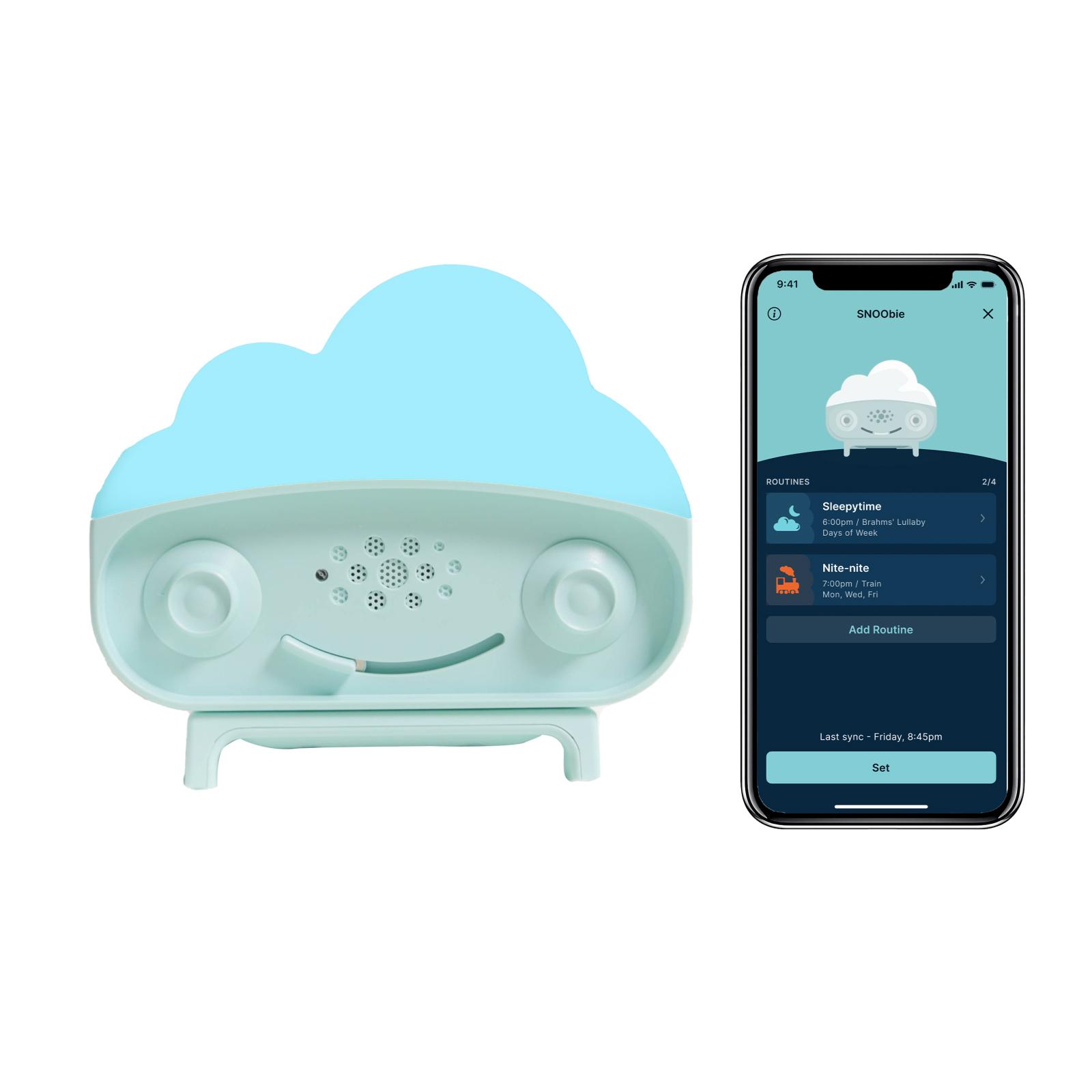
For help teaching Magic Breathing, check out SNOObie, the all-in-one white noise machine and nightlight that features two Magic Breathing tracks that use synchronized light and sound to show families how to use this calm-down technique. (Learn all the ways SNOObie can be your kiddo's new classroom buddy!)
Validate your child’s feelings.
If your toddler expresses any daycare worries—either at drop-off or at home—don’t dismiss their trepidation with a cheerful, “There’s nothing to worry about! You’ll love it!” Instead, wait a beat for your child to settle down, then get down on their level and narrate their feelings back to them in a sincere voice with lots of repetition. “Try it with a bit of intensity to hit their sweet spot,” says Dr. Karp. “This technique is called Toddler-ese and it helps toddlers feel heard, accepted, and safe.” For example, try: “You say, ‘No! No, No! No daycare! No go, Mommy!’ Offer a hug and continue to mirror your tot’s feelings. Soon, your toddler will think to themselves: “Bingo! That’s exactly what I want. Mom “gets it!” Once your tot calms a bit more, it’s your turn to offer loving reassurance.
Tell fairy tales.
Prepare your toddler for being apart from you by telling fairy tales in which Mommy or Daddy goes away…but always returns! This’ll help to build confidence in your child—as long as they’re
over 2 years old. Dr. Karp suggests saying something like, “Once upon a time there was a little birdie named Fluffy who worried when her mommy flew away to find breakfast. She said, ‘Don’t go, Mommy!’ But her mommy had to leave! So Fluffy waited patiently and sang birdie songs with her stuffed toy until Mommy returned! Mommy always comes back! And Fluffy felt happy and safe. ‘Yay! Mommy’s back!’ the little birdie cheered, and her mom gave her lots of kisses…and some big juicy worms, too!”
Send your toddler to daycare with a “friend.”
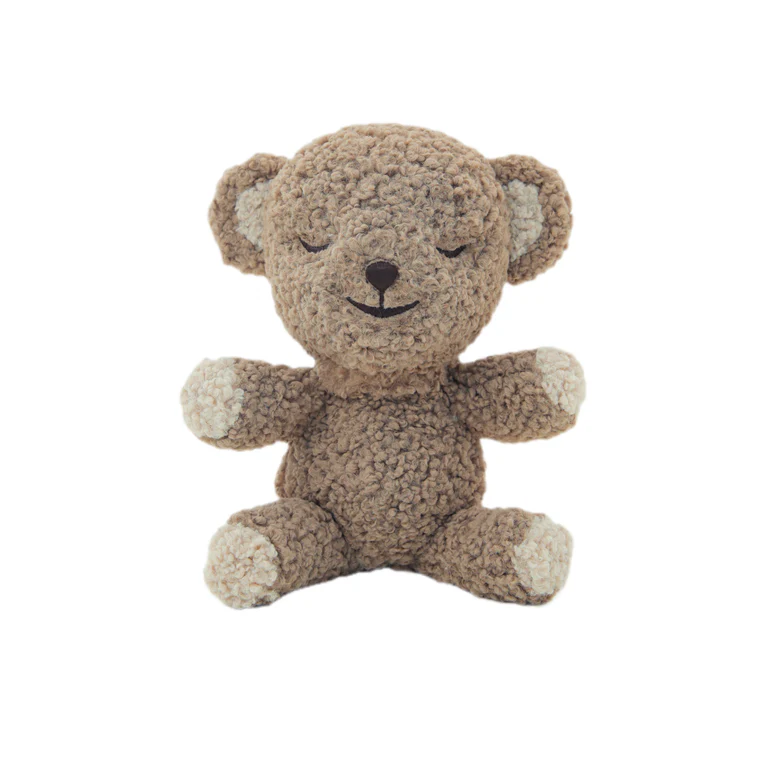
For toddlers, simply being away from their beloved grown-ups is enough to cause daycare worries! To help, consider sending them to daycare with a small comfort item that reminds them of you or home. Depending what your daycare allows, that could be a lovey (like SNOObear), a special photo, or a trinket like a “magic” rock. Let them know they can touch, cuddle, or look at their item anytime that they feel homesick. (Learn more about the power of the lovey.)
Establish a predictable routine.
Toddlers adore routines! Knowing what’s coming next helps them feel smart, confident, and secure. That’s why establishing a consistent drop-off routine at daycare works wonders at easing daycare separation anxiety. From wake-up to drop-off, have a sketch in your head of how it’ll all play out—and try your best to replicate it day after day. The AAP urges parents to practice your goodbye ritual before you even have to part ways. This’ll give your toddler a chance to prepare and even thrive in your absence. When you’re detailing your routine, don’t forget to punctuate it with a unique goodbye! It doesn’t matter if you create an elaborate handshake, a wink-and-three-kisses habit, or establish a secret codeword that means “I love you.” All that matters is you and your kiddo team up to create a loving ritual that works for you!
Make goodbyes calm and quick.
The AAP notes that one of the best tricks for surviving separation anxiety is a “brisk transition,” which means, resist drawn-out goodbye (but never sneak out). If you linger too long, so will the anxiety. At the same time, offer your toddler your full, undivided attention when you say “so long”—and when you say you’re leaving, mean it! Since anxious toddlers are very perceptive and apt to copycat your emotions, try your very best to remain collected. When you remain cool, you help them do the same.
Don’t wait for the tears to stop.
“Some strong-willed kids cry when you leave, despite all your preparation,” says Dr. Karp.
While it likely rips at your heartstrings to leave daycare when your child is visibly upset, know that lingering until your toddler stops crying sends mixed signals…like you’re leaving them in an unpleasant situation. Instead, continue with your calm and brisk goodbye ritual and before you leave, say something like, “I know it can feel scary to be in a new place. Thankfully, Ms. Liz and Ms. Alexa are here to take good care of you—and to make sure you have so much fun today.” Then quickly share with your child when you’ll see them again before you leave. Check in with your daycare provider later to find out how long the crying lasted. “Fortunately, nine out of 10 times, children start playing happily two minutes after you leave,” notes Dr. Karp. If your child won’t stop crying after you leave, there’s a chance something else may be fueling their anxiety, like stressors at home such as a new baby.
Tell them when you’ll be back.
Offer your child specifics about pick-up but keep your explanations child friendly. For example, if you’re returning to pick your toddler up at 3:00pm, say something like, “I’ll be back after naptime and before your afternoon snack.” The point is to define time in a way they can understand. Afterall, no toddler understands when 3pm is!
“Gossip” about daycare.
When you pick your child up at the end of the day, praise your toddler’s success. (Dr. Karp suggests giving them a star or hand check.) Then, when home, “gossip” to Daddy, the cat, a stuffed toy, anyone about your toddler’s courage. When your toddler is in earshot, cup your hand around your mouth and in a loud whisper say something like, “Henry told me, ‘No, no. Don’t go…,’ but then he saw fun toys and some new friends, and he was so brave! He had a great time and ate a yummy snack! Then I came to pick him up and he gave me a big hug and we were so happy!” Toddlers are far more likely to believe something they overhear, so if they “eavesdrop” on you saying something positive about daycare, it encourages them to replicate that behavior again and again. (Learn more about using gossiping to help your toddler.)
When should I be concerned daycare separation anxiety?
If your daycare provider shares that your child continues to cry after you’ve left, something deeper might be brewing, notes Dr. Karp, who suggests possibly paying some surprise visits to make sure the kids and teachers are treating your little one well.
Either way, if your toddler’s daycare separation anxiety is turned up a notch—and it lasts for 4 weeks or more—it’s a good idea to seek some advice from your child’s healthcare provider. And when separation anxiety is intense, continues into preschool, and interferes with their everyday life, that could mean your child is dealing with a rare and more serious form of worry called separation anxiety disorder, which is something a child psychiatrist or other mental health expert can diagnose. Symptoms of separation anxiety disorder may include:
- Insomnia and/or fatigue
- Refusal to sleep alone
- Refusal to attend daycare
- Repeated nightmares
- Bedwetting
- Frequent stomach and/or headaches
- Severe irritability
- Extremely clingy, even at home
- Drastic mood swings
If you notice these signs in your kiddo, ask your pediatrician to recommend a mental health professional who can help with an evaluation. Early treatment can lessen symptoms—and improve your child’s quality of life.
More Daycare Help:
- How to Prepare Your Toddler for Daycare
- Sharing in Daycare: What to Expect
- Help Your Toddler Express Their Feelings
- How to Calm a Toddler’s Sudden New Fears
- Help Prevent Toddler Defiance
***
REFERENCES- Painful transitions: a study of 1-year-old toddlers’ reactions to separation and reunion with their mothers after 1 month in childcare.Early Child Development and Care. December 2017
- The Goddard School: A Lifetime of Learning
- American Academy of Pediatrics (AAP): How to Ease Your Child’s Separation Anxiety
- Boston Children’s Hospital: Helping your child cope with separation anxiety
- The Nemours Foundation, KidsHealth: Separation Anxiety
- Stanford Medicine Children’s Health: Separation Anxiety Disorder in Children
Disclaimer: The information on our site is NOT medical advice for any specific person or condition. It is only meant as general information. If you have any medical questions and concerns about your child or yourself, please contact your health provider.

SHARE THIS ARTICLE
MOST LOVED
Sleepytime Sidekicks


More on Toddler

About Holly Pevzner
Holly Pevzner is Happiest Baby’s Staff Writer. She specializes in creating parenting, pregnancy, health, nutrition, and family travel content. Her work—including essays, columns, reported features, and more—has appeared in outlets such as EatingWell, Family Circle, Parents, Real Simple, and The Bump. Before becoming a full-time writer, Holly held senior staff positions at Prevention, Fitness, and Self magazines, covering medical health and psychology. She was also a contributing editor at Scholastic Parent & Child magazine and a regular kids-health columnist for Prevention and First For Women magazines. Holly lives in Los Angeles with her husband, two boys, and terrier mix.