PREGNANCY
Is Xylitol Safe to Eat While Pregnant?
Get the deets on the sugar-free sweetener.
Written by
Happiest Baby Staff
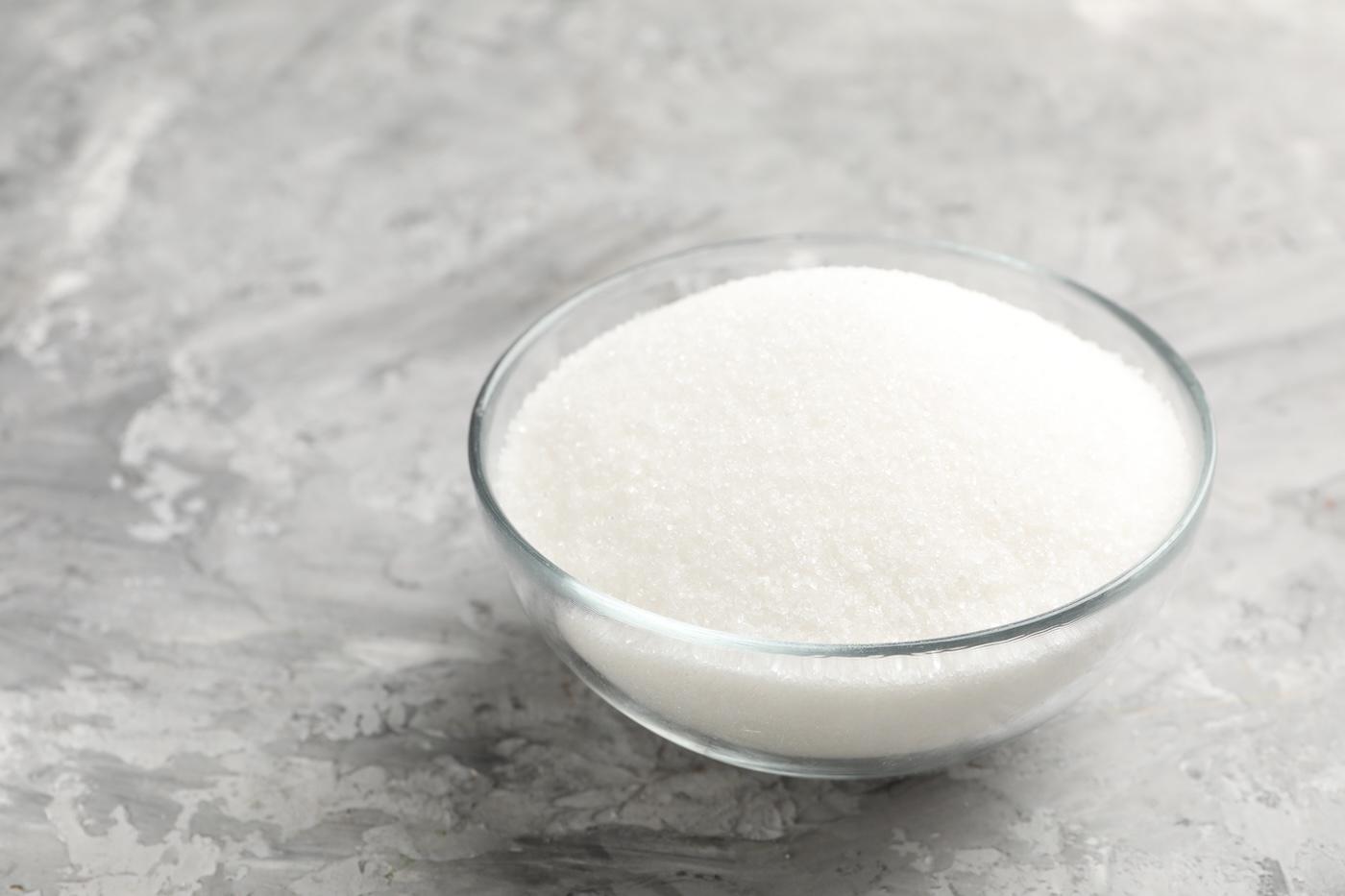
Check the ingredient list on a pack of sugar-free gum, a "tooth-friendly" mint, or a low-carb baked good, and there's a good chance you'll spot xylitol. Xylitol is a sugar alcohol (also called a polyol)—a naturally occurring, plant-derived sweetener found in small amounts in fruits, vegetables, and birch bark, and produced commercially from corn cobs or birch wood. It looks and tastes a lot like table sugar, but the body absorbs it more slowly and it has a much smaller effect on blood sugar. That's why it's such a popular sugar swap. It boasts fewer calories, less of a glucose spike, and—unlike sugar—it isn't fermented by the bacteria that cause cavities.
So, if you've been chewing xylitol gum to fight pregnancy nausea or dry mouth, is it something to keep enjoying?
Is xylitol safe to eat while pregnant?
Yes, you can eat xylitol during pregnancy. Xylitol is generally recognized as safe (GRAS) by the U.S. Food and Drug Administration (FDA), which permits its use as a sugar substitute in foods, drinks, and oral care products, and it's considered safe for pregnant people in typical, food-level amounts.
Unlike sugar, sugar alcohols like xylitol don't promote tooth decay or cause a sudden spike in blood glucose, which is one reason so many people reach for it. There's little evidence to support either using or avoiding sugar substitutes like xylitol during pregnancy—in other words, no major red flags have turned up, but pregnancy-specific research is still limited. As with any sweetener, moderation is key, since xylitol can cause digestive symptoms in larger amounts. If you're unsure about a specific product, or you notice stomach upset after eating xylitol, check in with your OB/GYN or midwife.
Benefits of Eating Xylitol During Pregnancy
- Lower glycemic impact: Because sugar alcohols are absorbed more slowly than table sugar, they have less of an effect on blood glucose levels than regular sugar does, which is useful if you're trying to keep your blood sugar steady during pregnancy.
- Dental health support: Xylitol is well known for reducing the cavity-causing bacteria Streptococcus mutans in plaque and saliva, which is why it's such a common ingredient in sugar-free gum and toothpaste. Since pregnancy hormones can make gums more sensitive and prone to inflammation, some extra help fighting cavity-causing bacteria isn't a bad thing. Some research also suggests that when mothers regularly chew xylitol gum late in pregnancy and after birth, their children are less likely to acquire—or acquire more slowly—the same cavity-causing bacteria, which may give their baby's teeth a healthier start.
- Fewer calories than sugar: Xylitol has roughly half the calories of table sugar, which can make it a useful tool for cutting back on added sugar—though it shouldn't be relied on for weight management on its own.
- Sugar alternative: A helpful swap for anyone looking to reduce added sugar intake during pregnancy, without giving up sweetness entirely.
Risks or Considerations
- Digestive issues: The most common side effects are gas, bloating, and diarrhea, especially at higher intakes. That's because sugar alcohols like xylitol are only partially absorbed in the small intestine. Research suggests most adults can tolerate up to about 40 grams a day before loose stools become likely, though tolerance varies from person to person—and pregnancy's already unpredictable digestion doesn't need the extra help.
- Laxative effect: Because of that slow absorption, larger amounts can trigger a mild laxative effect on their own.
- Hidden in products: Xylitol shows up in a lot of "sugar-free" foods you might not expect, so it's worth checking labels, especially if you're eating more than one xylitol-sweetened product in a day.
- Limited pregnancy-specific research: Most of what's known about xylitol's safety comes from studies in the general population rather than pregnant people specifically, so the evidence base—while reassuring—isn't extensive.
How to Safely Consume Xylitol While Pregnant
- Use xylitol in moderation, especially if you're new to sugar alcohols.
- Introduce it slowly to give your gut time to adjust and to gauge your own tolerance.
- Choose reputable brands and avoid very large servings of sugar-free candies or baked goods.
- Pair xylitol-containing foods with balanced meals to help minimize stomach upset.
- Monitor your overall sweetener intake, especially if you're using multiple sugar alternatives throughout the day.
- Mention any regular xylitol or sugar-free gum habit to your OB/GYN or midwife, particularly if you have gestational diabetes or another condition that involves watching your carbohydrate intake.
When to Avoid Xylitol
- If you experience persistent digestive symptoms after consuming it.
- If your healthcare provider has advised limiting sugar alcohols for gastrointestinal or metabolic reasons.
- If you'd simply rather avoid non-nutritive sweeteners during pregnancy.
- If a product's ingredient list includes multiple sugar alcohols or sweeteners, which can have a cumulative digestive effect.
Bottom Line
Xylitol is an FDA-recognized, generally safe sugar substitute that many people already encounter daily in sugar-free gum, mints, and toothpaste, and pregnancy doesn't change that. It offers a lower-glycemic alternative to sugar and some encouraging dental health benefits, including for reducing the spread of cavity-causing bacteria to your future baby, but pregnancy-specific studies remain limited, and, like most sugar alcohols, xylitol can cause digestive discomfort in larger amounts. Stick to reasonable portions, choose products from trusted brands, and loop in your healthcare provider if you have questions about how xylitol fits into your pregnancy diet.
More on Healthy Eating in Pregnancy:
- Is Stevia Safe During Pregnancy?
- Is Lucuma Safe During Pregnancy?
- Healthy Foods to Satisfy Every Pregnancy Craving
- Real Talk on Foods to Avoid in Pregnancy
- Pregnancy Nutrition Myths to Ignore
***
REFERENCESU.S. Food and Drug Administration: Aspartame and Other Sweeteners in FoodNational Institutes of Health, MedlinePlus: Sweeteners - Sugar SubstitutesDentistry, Nov 2014National Institutes of Health, MedlinePlus: Sweeteners - SugarsThe effect of Xylitol on Dental Caries and Oral Flora, Clinical, Cosmetic and InvestigationalDisclaimer: The information on our site is NOT medical advice for any specific person or condition. It is only meant as general information. If you have any medical questions and concerns about your child or yourself, please contact your health provider.






SHARE THIS ARTICLE
MOST LOVED
Sleepytime Sidekicks