PREGNANCY
Is Lucuma Safe During Pregnancy?
Read up on this popular sweetener.

Written by
Happiest Baby Staff
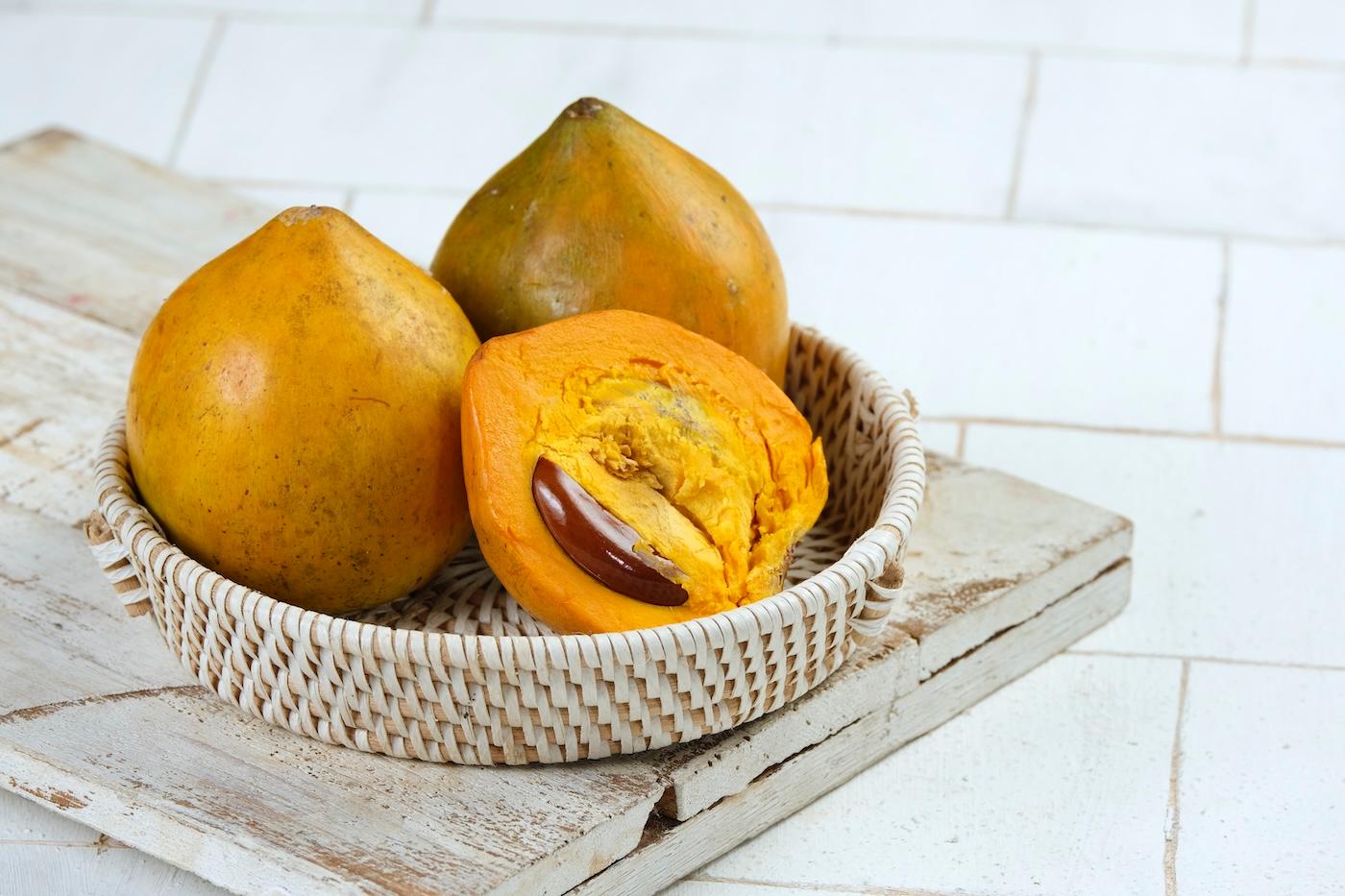
If you've been experimenting with natural sweeteners lately, you may have spotted lucuma powder on store shelves or in smoothie recipes—and wondered whether it's safe to eat during pregnancy. Good news: Lucuma is generally considered safe for pregnant people when sourced from reputable brands and used in moderation. Keep reading for everything you need to know about this trending ingredient before adding it to your pregnancy diet.
What is lucuma?
Lucuma (Pouteria lucuma) is a tropical fruit native to the Andean valleys of Peru, Chile, and Ecuador. Sometimes called the "gold of the Incas," it has been cultivated and eaten in South America for thousands of years. The fruit itself has a dry, starchy flesh with a flavor profile that falls somewhere between sweet potato, maple, and butterscotch—making it a beloved natural sweetener in desserts, smoothies, and baked goods.
In North America and Europe, you’ll likely find lucuma in powder form. Because it provides sweetness with a lower glycemic index than refined sugar, it has become popular among people looking to manage blood sugar, including those with or at risk for gestational diabetes. It also contains small amounts of beta-carotene, potassium, iron, and antioxidants—a nutritional bonus that sets it apart from most zero-calorie sweeteners.
Is lucuma safe to eat while pregnant?
There is no evidence that lucuma—whether eaten as fresh fruit or used as a powder—poses any unique risk during pregnancy. It is a whole food ingredient, not an herbal supplement or concentrated botanical extract, so it does not carry the same concerns as, say, licorice root or high-dose herbal teas. The American College of Obstetricians and Gynecologists (ACOG) recommends that pregnant people eat a balanced, varied diet rich in fruits, vegetables, and whole foods—and lucuma fits neatly into that framework.
That said, "safe" does not mean "unlimited." Lucuma powder is calorie- and carbohydrate-dense, and the quality of imported powders can vary. Choosing a reputable, third-party–tested brand and using it as part of a balanced diet is the safest approach. If you have gestational diabetes or are being monitored for blood sugar concerns, it's worth flagging any new sweetener—including lucuma—with your healthcare provider before making it a regular part of your diet.
Benefits of Eating Lucuma During Pregnancy
Lucuma is not a superfood miracle, but it does offer a few genuinely useful nutritional perks for pregnant people:
- A lower-glycemic sweetener option: Lucuma powder has a lower glycemic index than table sugar, meaning it causes a more gradual rise in blood glucose. For pregnant people mindful of carbohydrate intake or managing gestational diabetes, this makes it a more appealing alternative to refined sugar in baked goods and smoothies.
- Beta-carotene (provitamin A): Lucuma's golden color comes partly from beta-carotene, a plant-based precursor to vitamin A. The body converts beta-carotene to vitamin A only as needed, which makes it a safer form of vitamin A during pregnancy than preformed retinol. Vitamin A supports fetal eye development and immune function, though your prenatal vitamin likely covers your needs already.
- Some iron and potassium: Lucuma contains modest amounts of iron and potassium. Iron needs increase significantly during pregnancy to support the growth of fetal blood supply, and the NIH Office of Dietary Supplements notes that most pregnant people need 27 milligrams daily—more than can be obtained from food alone, which is why prenatal vitamins matter. Lucuma's iron contribution is small but complementary.
- Antioxidant content: Like many brightly colored fruits, lucuma contains antioxidant compounds including polyphenols and carotenoids. Antioxidants help protect cells from oxidative stress, which is relevant during pregnancy when the body's metabolic demands are high.
- Gentle on the stomach: Lucuma powder is easy to digest and generally well tolerated, which may be welcome news if you're dealing with morning sickness.
Risks or Considerations
Lucuma is low-risk, but a few things are worth keeping in mind:
- Variable quality in imported powders: Lucuma powder is primarily produced in Peru and imported to North America and Europe. Not all suppliers follow the same quality-control or testing standards. The FDA's guidance on food safety during pregnancy advises extra caution with imported foods, particularly those from regions with different regulatory standards. Look for powders from brands that publish third-party testing results.
- Hidden additives: Some commercial lucuma products—especially flavored protein powders or blended supplements that include lucuma—contain added sugars, sweeteners, or other ingredients that may not be ideal during pregnancy. Always read ingredient labels carefully.
- Carbohydrate content and blood sugar: Although lucuma is lower glycemic than table sugar, it is still a source of carbohydrates. This is especially relevant for pregnant people managing gestational diabetes or insulin resistance. ACOG recommends that those with gestational diabetes work with a registered dietitian to plan carbohydrate intake—so check in with your care team before adding new sweeteners to your regular rotation.
- Allergic reactions: Lucuma belongs to the Sapotaceae plant family. Allergic reactions to lucuma are rare but possible, particularly in people with known sensitivities to related tropical fruits. If you've never tried it before, start with a small amount and watch for any unusual symptoms.
How to Safely Eat Lucuma While Pregnant
- Choose lucuma powder from brands that provide third-party testing certificates or transparent sourcing information. Certified organic options add another layer of quality assurance.
- Store powder in a cool, dry, airtight container. Moisture is the enemy—lucuma powder that has clumped or smells musty should be discarded.
- If using fresh lucuma (rare in North America but available in some Latin markets), wash the skin thoroughly and handle it as you would any fresh fruit.
- Start with a small amount if you haven't used lucuma before—a teaspoon or two in a smoothie is a reasonable starting point.
- Use lucuma as a flavor enhancer and sweetener substitute in balanced meals rather than a standalone health food. It pairs well with banana smoothies, oatmeal, yogurt parfaits, and homemade energy bites.
- Let your healthcare provider know if you plan to use lucuma powder regularly, especially if you have gestational diabetes or are monitoring blood sugar closely.
When to Avoid Lucuma
- If the powder has an off smell, visible moisture, or has clumped into solid chunks—discard it.
- If you have a known allergy to tropical fruits in the Sapotaceae family.
- If your healthcare provider has recommended limiting added sugars, sweet foods, or carbohydrate intake.
- If a product containing lucuma lacks clear ingredient labeling or sourcing information.
- If you are using lucuma as part of a multi-ingredient supplement powder—check all other ingredients with your OB/GYN or midwife before continuing.
Bottom Line
Lucuma is a safe, naturally sweet fruit ingredient that most pregnant people can enjoy without concern. As a lower-glycemic alternative to refined sugar with a few bonus nutrients—beta-carotene, iron, potassium, and antioxidants—it earns its place in a balanced pregnancy diet. The main watchpoints are product quality (buy from reputable, tested suppliers) and portion awareness, particularly for those monitoring blood sugar. When in doubt, your healthcare provider is always your best resource for personalized nutrition guidance during pregnancy.
More on Eating During Pregnancy:
- Collagen Peptides During Pregnancy
- Beet Juice During Pregnancy
- Chia Seeds During Pregnancy
- Barley Grass During Pregnancy
***
- REFERENCES
- Consumer Acceptance of Novel Lucuma Fruit Ice Cream in the US Market, Foods, Sep 2024
- American College of Obstetricians and Gynecologists: Healthy Eating During Pregnancy
- National Institutes of Health, Office of Dietary Supplements: Vitamin A—Consumer Fact Sheet
- National Institutes of Health, Office of Dietary Supplements: Iron—Consumer Fact Sheet
- U.S. Food & Drug Administration: Food Safety for Moms-to-Be At-a-Glance
- American College of Obstetricians and Gynecologists: Gestational Diabetes
Disclaimer: The information on our site is NOT medical advice for any specific person or condition. It is only meant as general information. If you have any medical questions and concerns about your child or yourself, please contact your health provider.






SHARE THIS ARTICLE