PREGNANCY
Is Stevia Safe During Pregnancy?
Get the skinny on this popular sugar substitute.

Written by
Happiest Baby Staff
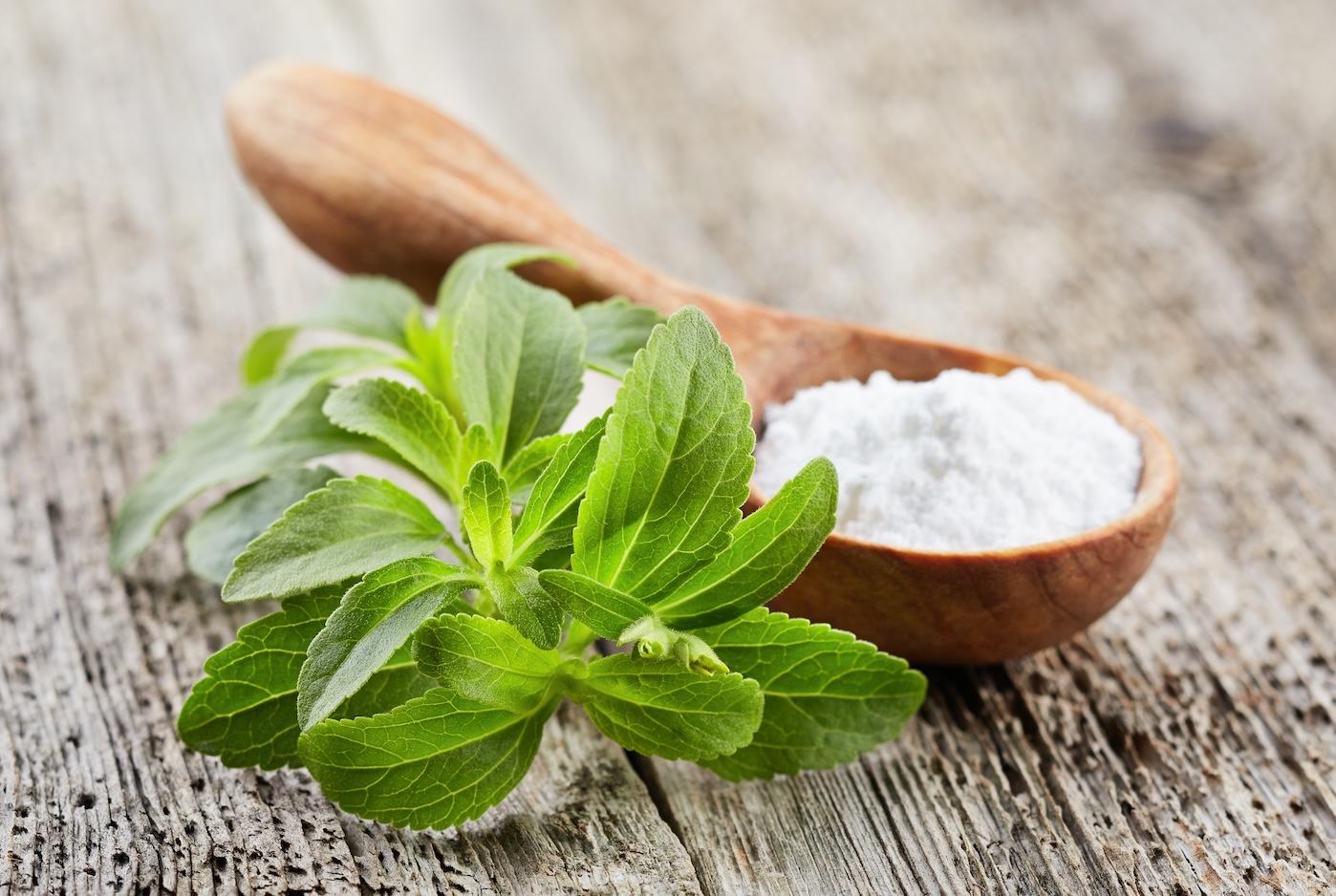
Pregnancy has a way of turning even the smallest dietary choices into a research project. You're scanning ingredient labels, second-guessing your morning coffee order, and suddenly that packet of stevia by the register feels like it requires a committee review. So, is stevia safe during pregnancy? For most pregnant people, the answer is yes, with one caveat: It depends on the form.
Here's everything you need to know about stevia and pregnancy, including the types that are considered safe, the ones to skip, and what the latest science has to say.
Is stevia safe to eat while pregnant?
Yes, purified stevia extract is generally considered safe during pregnancy when used in typical food amounts. The U.S. Food and Drug Administration (FDA) has granted "generally recognized as safe" (GRAS) status to highly purified steviol glycosides, the active sweet compounds extracted from the stevia plant. The FDA has evaluated and raised no objections to more than 50 GRAS notices for various high-purity steviol glycosides used as sweeteners in food.
When you pick up a stevia packet at a coffee shop or spot it in a store-bought yogurt, you're almost certainly getting a purified extract—most commonly rebaudioside A (Reb A) or stevioside. These are the forms considered safe. Whole-leaf stevia and crude or partially purified stevia extracts are a different story: The FDA has not granted GRAS status to those forms, and they remain subject to an import alert, meaning they're not approved as food additives in the United States.
Research published in the American Journal of Obstetrics and Gynecology notes that roughly 30% of pregnant people intentionally consume non-nutritive sweeteners (NNS)—a category that includes stevia—and that the safety data on these sweeteners in pregnancy, while generally reassuring for purified forms, is still evolving. If you have any specific concerns or a pregnancy complication such as gestational diabetes, it's worth a conversation with your OB/GYN or midwife before making stevia a daily staple.
Benefits of Eating Stevia During Pregnancy
- Zero calories, no blood sugar spike: Unlike table sugar, purified stevia extracts do not raise blood glucose levels. A randomized 12-week trial published in Nutrients found no significant difference in glucose or insulin responses in adults who consumed stevia daily versus a control group. This makes it a potentially useful option for pregnant people who are managing gestational diabetes or trying to reduce their overall added-sugar intake.
- Plant-derived: Stevia comes from Stevia rebaudiana, a plant native to South America that has been used as a sweetener for centuries. Unlike synthetic artificial sweeteners, purified stevia is a naturally sourced option—which some pregnant people prefer from a wellness standpoint.
- Supports reduced added-sugar intake: High sugar intake during pregnancy is associated with excessive gestational weight gain and other metabolic concerns. Swapping sugar for stevia in coffee, tea, or homemade baked goods can be one tool—among many—for keeping added sugars in check as part of a balanced diet.
- Versatile: Purified stevia works in hot and cold beverages, yogurt, oatmeal, smoothies, and baking blends (often formulated with erythritol or other bulking agents to mimic sugar's volume and texture).
Potential Risks and Considerations
The safety profile of purified stevia is generally favorable, but there are a few things worth knowing:
- Whole-leaf and crude stevia are not recommended: Products labeled "whole leaf stevia," "raw stevia," or "crude stevia extract" have not been evaluated adequately for safety and are not FDA-approved for use as food additives. These forms contain compounds beyond steviol glycosides that haven't been sufficiently studied in pregnancy.
- Emerging research on NNS broadly: In 2023, the World Health Organization issued a guideline recommending against using non-sugar sweeteners as a tool for weight control, noting that the evidence base—particularly for pregnant people and children—is more limited than for other adults. The WHO's recommendation is specific to using NNS for weight management, not to safety at moderate intake levels, but it's a useful reminder that stevia isn't a health food—it's a sugar substitute.
- A note on preterm birth signals: The WHO's systematic review noted a potential association between higher NNS use during pregnancy and an increased risk of preterm birth in observational studies—though this evidence was rated as low certainty, and associations don't establish cause. Most experts caution against overinterpreting these findings, particularly since people with higher NNS intake may have other dietary or health factors at play. Still, moderation makes sense.
- Blends may contain other ingredients: Many retail stevia products are blended with sugar alcohols like erythritol or dextrose to improve texture and bulkiness. Erythritol is generally considered safe but can cause GI upset in some people—particularly relevant during pregnancy, when digestive sensitivity is already heightened.
- Taste and tolerance vary: Some people find stevia has a slightly bitter or licorice-like aftertaste. During pregnancy, when taste and smell can be especially heightened, this may make stevia less appealing or harder to tolerate.
- Moderation is still the guiding principle: The FDA's GRAS designation is based on typical usage amounts, not unlimited consumption. Using a packet or two in your daily coffee is very different from sweetening everything in your diet with stevia. As with any sweetener, whole-food sources of sweetness—fresh fruit, for example—remain the gold standard.
When to Avoid Stevia During Pregnancy
- The product is labeled "whole leaf," "raw stevia," or "crude stevia extract"
- You have a known sensitivity or digestive reaction to stevia or sugar alcohols
- Your healthcare provider has advised limiting or avoiding non-nutritive sweeteners for specific metabolic, digestive, or personal health reasons
- The stevia blend contains other ingredients you're currently avoiding
How to Safely Consume Stevia While Pregnant
- Choose purified extracts: Look for "steviol glycosides," "rebaudioside A (Reb A)," or "stevioside" on the ingredient list. These are the GRAS-approved forms. Popular options like Truvia, Stevia in the Raw, and PureVia are formulated with purified extracts.
- Read the full ingredient label: Stevia blends often include erythritol, inulin, or dextrose. None of these are inherently unsafe, but knowing what's in your product is always smart.
- Use it in moderation: Stick to typical food-level amounts—a packet in your morning tea, a few drops of liquid stevia in a smoothie—rather than using it as a high-volume replacement for sugar across your entire diet.
- Prioritize whole foods: Stevia works well as an occasional tool to satisfy a sweet tooth, but it doesn't replace the nutritional value of fruit or other naturally sweet whole foods.
- Check in with your provider: If you have gestational diabetes, a history of digestive issues, or any other pregnancy complication, ask your OB/GYN or a registered dietitian whether stevia fits into your care plan.
Bottom Line
Purified stevia extract—the kind found in store-bought packets and food products—is generally considered safe to use in moderation during pregnancy. The FDA has granted GRAS status to high-purity steviol glycosides, and current evidence doesn't point to harm at typical intake levels. That said, whole-leaf or crude stevia extracts are not recommended, research on NNS in pregnancy is still developing, and moderation is always wise. When in doubt, check the label, and loop in your healthcare provider if you have specific questions about your pregnancy diet.
More on Healthy Eating During Pregnancy:
- Low-Carb Pregnancy Snacks for Gestational Diabetes
- Healthy Foods to Satisfy Every Pregnancy Craving
- The 6 Nutrients You Need While Pregnant
- Healthy Pregnancy Meal Plans and Recipes
***
REFERENCES- The Cardiometabolic Impact of Rebaudioside A Exposure during the Reproductive Stage, Biology, Mar 2024
- U.S. Food and Drug Administration: Aspartame and Other Sweeteners in Food
- Consumption of Non-Nutritive Sweeteners During Pregnancy, American Journal of Obstetrics & Gynecology, Apr 2020
- Effects of the Daily Consumption of Stevia on Glucose Homeostasis, Body Weight, and Energy Intake: A Randomised Open-Label 12-Week Trial in Healthy Adults, Nutrients, Oct 2020
- World Health Organization: WHO Advises Not to Use Non-Sugar Sweeteners for Weight Control
- WHO Guideline: Recommendation and Supporting Information — Use of Non-Sugar Sweeteners
Disclaimer: The information on our site is NOT medical advice for any specific person or condition. It is only meant as general information. If you have any medical questions and concerns about your child or yourself, please contact your health provider.




SHARE THIS ARTICLE