PREGNANCY
Everything You Need to Know About Vaccines in Pregnancy
Here’s what the experts say about vaccines during pregnancy.

Written by
Happiest Baby Staff
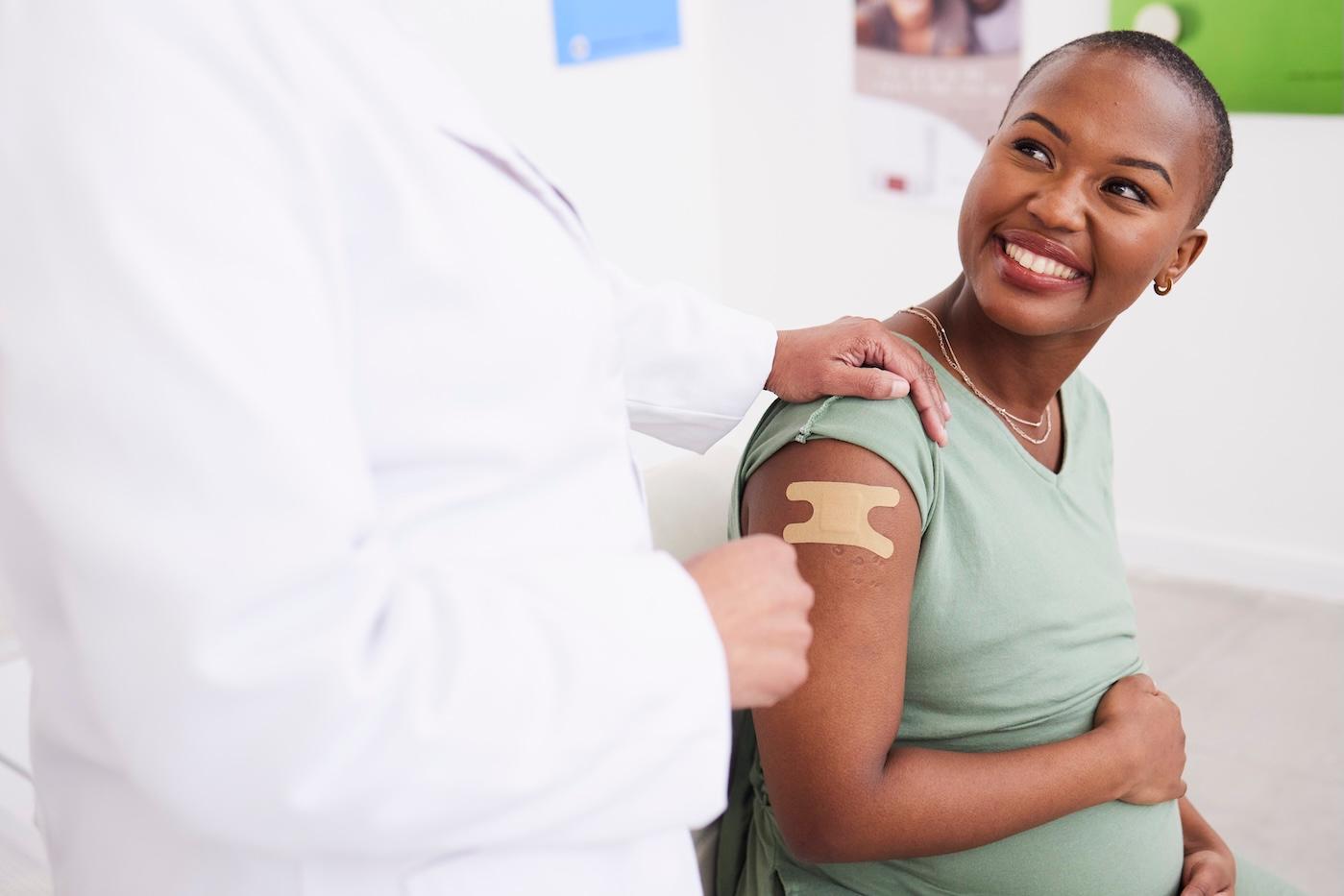
Growing a baby is one of the most remarkable things your body will ever do—and keeping that body healthy along the way is one of the most important jobs you have as an expecting parent. Vaccines are a big part of that. They protect you from serious illness during a time when your immune system is working differently than usual, and they pass critical antibodies to your baby before they're born—giving your newborn a layer of protection they can't yet build on their own.
The American College of Obstetricians and Gynecologists (ACOG) 2026 maternal immunization schedule is endorsed by 13 major medical organizations—including the American Academy of Pediatrics (AAP), the American Academy of Family Physicians (AAFP), the Society for Maternal-Fetal Medicine (SMFM), and the American College of Nurse-Midwives (ACNM)—making it one of the most widely supported pieces of clinical guidance in maternal health. Here’s what the experts say about vaccines during pregnancy.
The Importance of Vaccines During Pregnancy
Pregnancy changes the way your immune system works. To protect your baby from being rejected, your body naturally modulates its immune response—and that shift can make you more vulnerable to certain infections and more likely to experience serious complications if you do get sick. Vaccines help close that gap.
But the protection doesn't stop with you. When you get vaccinated during pregnancy, your body produces antibodies that cross the placenta and are also passed through breastmilk. That means your newborn arrives with a head start on immunity—critical in those early weeks and months before they're old enough to receive their own vaccines.
Vaccines Recommended During Every Pregnancy
ACOG's 2026 maternal immunization schedule identifies four vaccines that should be given during every pregnancy:
- Influenza (flu shot)
- COVID-19
- Tdap (tetanus, diphtheria, and pertussis/whooping cough)
- RSV (Abrysvo, Pfizer's maternal RSV vaccine)
These four vaccines can be safely co-administered, meaning you can receive more than one at the same prenatal visit.
The Flu Shot During Pregnancy
Influenza can be significantly more severe during pregnancy, with higher rates of hospitalization and complications than in the general population. Getting vaccinated protects you from serious illness and passes antibodies to your baby before birth, giving your newborn some protection during their first months of life, before they're old enough for their own flu shot.
When to get it: Any trimester, any time of year. Ideally before the end of October, but getting vaccinated at any point during flu season is beneficial.
COVID-19 Vaccine During Pregnancy
ACOG recommends the COVID-19 vaccine as a routine part of every pregnancy, based on evidence that vaccination reduces the risk of severe illness in pregnant people and provides protective antibodies to newborns. As with all vaccine decisions, your healthcare provider is your best resource for guidance tailored to your individual situation.
When to get it: Any trimester, any time of year. ACOG emphasizes getting vaccinated as soon as possible to maximize both maternal and fetal health benefits.
Tdap Vaccine During Pregnancy
The Tdap vaccine protects against tetanus, diphtheria, and pertussis (whooping cough). Of the three, whooping cough is the most urgent concern for newborns. Infants are at the highest risk of severe, life-threatening whooping cough in their first few months of life—before they've completed their own vaccine series. Getting Tdap between 27 and 36 weeks pregnant allows your body to build antibodies that cross the placenta and protect your baby from birth. Because antibody levels decline over time, ACOG recommends Tdap during every pregnancy—even if you've had it before.
When to get it: 27–36 weeks of gestation, preferably early in that window—during every pregnancy, regardless of prior vaccination history.
RSV Vaccine During Pregnancy
RSV (respiratory syncytial virus) is a common respiratory virus that's mild for most adults but can cause serious illness in newborns and young infants. The maternal RSV vaccine works the same way as the flu shot and Tdap: antibodies you develop during late pregnancy cross the placenta and give your baby protection from the moment they're born.
A few important specifics:
- One-time only: If you received Abrysvo in a previous pregnancy, you don't need it again. Your baby should instead receive a monoclonal antibody (nirsevimab/Beyfortus) after birth.
- Timing is seasonal: If you live in Alaska or a region with a tropical climate, follow your local or state guidance on timing.
When to get it: 32 weeks 0 days through 36 weeks 6 days of gestation, during September through January in most of the continental United States, in the first eligible pregnancy only.
Vaccines to Consider Based on Your Health History
Beyond the four routinely recommended vaccines, ACOG's schedule identifies additional vaccines that may be appropriate depending on your age, health status, risk factors, or potential exposure. These include:
- Pneumococcal vaccines
- Meningococcal vaccines (MenACWY or MenABCWY, and meningococcal serogroup B)
- Hepatitis A
- Hepatitis B
Your healthcare provider can help you assess whether any of these are right for your pregnancy.
Vaccines to Avoid During Pregnancy
Three vaccines are contraindicated during pregnancy and should be given before conception or after delivery:
- HPV vaccine
- MMR (measles, mumps, rubella)
- Varicella (chickenpox)
All three are live-attenuated vaccines, meaning they contain a weakened form of the live virus. Because of the theoretical risk of placental transmission, they're not given during pregnancy. If you haven't received these and are planning to conceive, talk to your healthcare provider about getting up to date beforehand.
The Bottom Line
Vaccines during pregnancy are among the safest and most effective tools available for protecting both you and your newborn. ACOG—alongside 13 endorsing medical organizations—recommends four vaccines during every pregnancy: the flu shot, COVID-19 vaccine, Tdap, and the maternal RSV vaccine. The specific timing of each one is designed to maximize the antibodies that reach your baby before birth. If you have questions about any vaccine, bring them to your healthcare provider. They can help you navigate the recommendations and make decisions that are right for your individual pregnancy.
More on Staying Healthy:
- RSV Shot for Babies
- Vaccine Guide and Baby Immunization Schedule
- Vaccine Myths Debunked
- Prenatal Appointment Schedule
***
REFERENCESAmerican College of Obstetricians and Gynecologists: 2026 Maternal Immunization ScheduleContemporary OB/GYN: What You Need to Know About ACOG's New Maternal Immunization ScheduleDisclaimer: The information on our site is NOT medical advice for any specific person or condition. It is only meant as general information. If you have any medical questions and concerns about your child or yourself, please contact your health provider.





SHARE THIS ARTICLE
MOST LOVED
Sleepytime Sidekicks