PREGNANCY
Is Tocos Safe During Pregnancy?
Find out if using the supplement tocos during pregnancy is considered safe while expecting.

Written by
Happiest Baby Staff
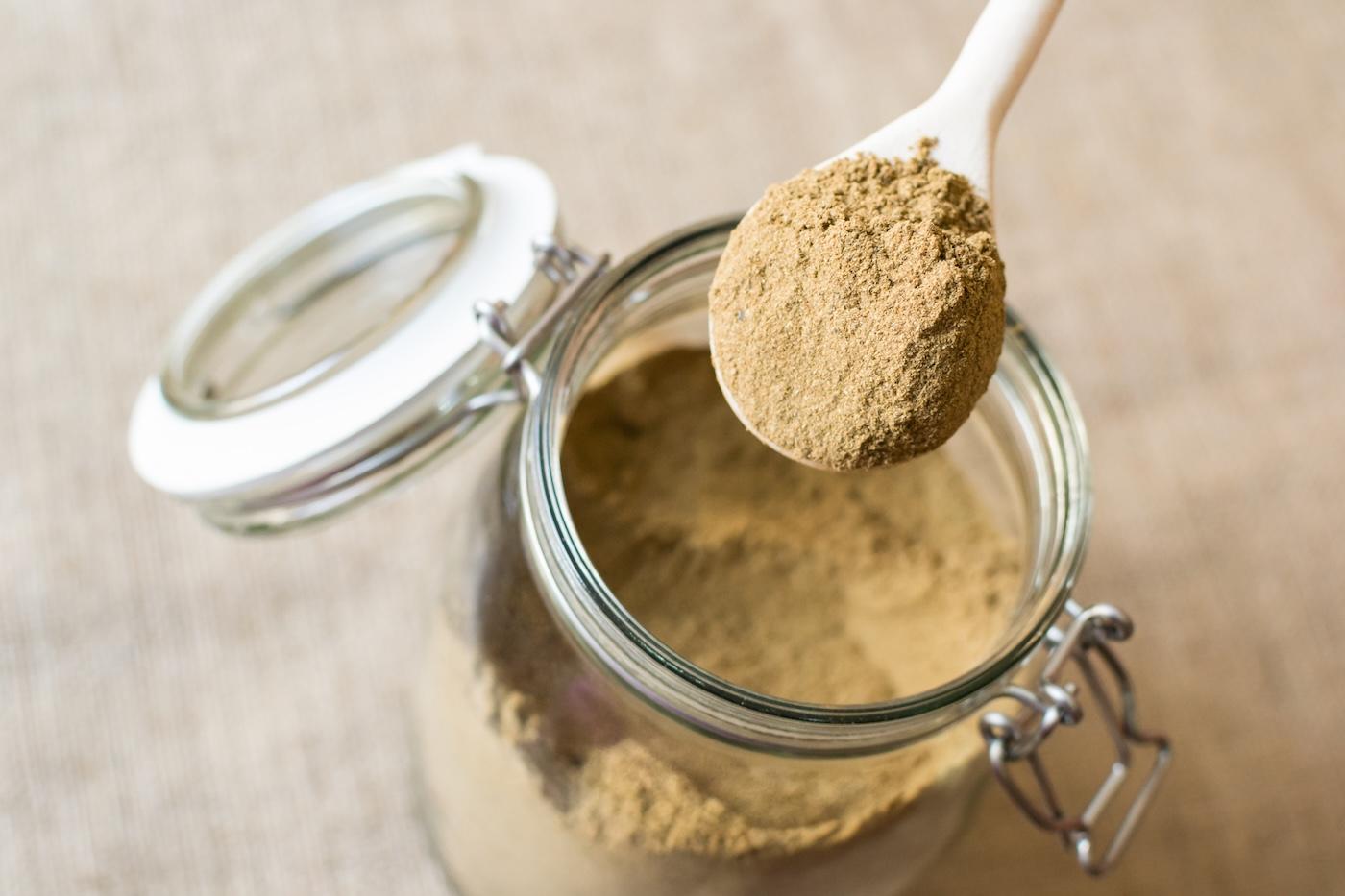
Tocos—also called rice bran solubles—is a fine, creamy powder made from the nutrient-rich bran of brown rice. It's prized mainly for its concentrated natural vitamin E (a mix of tocopherols and tocotrienols, which is where the nickname "tocos" comes from), plus a range of B vitamins and minerals. Wellness fans stir a spoonful into smoothies, coffee, or oatmeal for a subtly sweet, creamy texture and a boost of whole-food vitamin E. But is it a good idea to keep sipping your tocos latte once you're expecting? Here's what to know.
Is tocos safe to eat while pregnant?
Generally, yes—tocos can fit into a pregnancy diet in small, occasional amounts, especially if it comes from a reputable, third-party-tested brand. Because it's a whole-food ingredient rather than an isolated vitamin, tocos is typically gentler than a concentrated vitamin E supplement.
That said, two things are worth keeping in mind. First, vitamin E supplements aren't recommended above the recommended dietary allowance (RDA) during pregnancy unless your healthcare provider says otherwise, and tocos is a concentrated source of that nutrient. Second, because tocos comes from rice bran, it can carry more of the trace arsenic that rice naturally absorbs from soil and water than white rice does. Neither issue makes tocos off-limits, but they're good reasons to keep servings small and occasional and to check with your OB/GYN if you're a regular user.
Benefits of Eating Tocos During Pregnancy
- Concentrated source of vitamin E: Vitamin E is an essential antioxidant that protects cells from damage and supports immune function, and tocos delivers it in its natural, whole-food form.
- Whole-food nutrient profile: Along with vitamin E, tocos naturally contains B vitamins and trace minerals from the rice bran it's derived from.
- Creamy, dairy-free texture: A spoonful adds richness to smoothies, lattes, and porridge without needing dairy or added sugar.
- Plant-based option: Because it comes from rice, tocos works well for people avoiding dairy, soy, or other common allergens found in synthetic vitamin E supplements.
- Typically low in fiber: Since the bran's fiber and starch are removed during processing, tocos tends to be easier on digestion than eating rice bran itself.
Potential Risks and Side Effects
- Too much vitamin E: The RDA for vitamin E during pregnancy is 15 milligrams a day, with an upper limit of 1,000 milligrams a day from supplements. Getting more than the RDA from concentrated sources like tocos—especially on top of a prenatal vitamin—isn't recommended, and some research has linked higher-than-RDA vitamin E intake during pregnancy with a small increased chance of certain heart defects, though the evidence isn't conclusive.
- Arsenic exposure: Because rice absorbs arsenic from soil more readily than most other grains, and inorganic arsenic concentrates in the bran layer at levels far higher than in the milled grain, rice bran solubles can be a more concentrated source of arsenic than plain rice. The FDA advises pregnant people to eat a variety of grains rather than relying heavily on any single rice-based product.
- Quality and contaminant variability: Dietary supplements—including whole-food powders like tocos—aren't required to undergo the same safety testing as medications, and many haven't been well studied in pregnancy. Look for brands that publish third-party heavy-metal testing.
- Added ingredients: Some tocos blends include added herbs, adaptogens, or sweeteners that may not be well-studied or recommended during pregnancy.
- Digestive effects: Large servings may cause mild bloating or stomach upset in some people, though this is less common than with high-fiber rice bran itself.
When to Avoid or Limit Tocos
- If the product contains added herbs, adaptogens, or stimulants not recommended during pregnancy
- If you're already getting close to or above the RDA for vitamin E from your prenatal vitamin or other supplements
- If you'd rather minimize rice-based products due to arsenic exposure concerns
- If the brand doesn't disclose third-party testing for heavy metals or contaminants
- If you notice digestive discomfort after eating it
Bottom Line
Tocos can be enjoyed occasionally during pregnancy in small amounts—think a teaspoon or so stirred into a smoothie now and then—when it comes from a reputable, third-party-tested brand. Because it's a concentrated source of vitamin E and can carry more arsenic than other grain-based foods, it shouldn't become a daily habit or replace your prenatal vitamin. As always, run any new supplement or superfood powder by your healthcare provider, especially if you're using it regularly.
More on Healthy Eating in Pregnancy:
- Is Lucuma Safe During Pregnancy?
- Are Dates Safe During Pregnancy?
- Smoothie Add-Ins for a Healthier Pregnancy
- The Nutrients You Need When Pregnant
***
REFERENCES- MotherToBaby (Organization of Teratology Information Specialists): Vitamin E Fact Sheet
- Arsenic Speciation in Rice Bran: Agronomic Practices, Postharvest Fermentation, and Human Health Risk Assessment Across the Lifespan, Environmental Pollution, Dec 2021
- National Institutes of Health, Office of Dietary Supplements: Vitamin E — Consumer
- U.S. Food and Drug Administration: Dietary Advice Before and During Pregnancy
- National Institutes of Health, Office of Dietary Supplements: Dietary Supplements — What You Need to Know
Disclaimer: The information on our site is NOT medical advice for any specific person or condition. It is only meant as general information. If you have any medical questions and concerns about your child or yourself, please contact your health provider.






SHARE THIS ARTICLE
MOST LOVED
Sleepytime Sidekicks