PREGNANCY
Is Beet Juice Safe During Pregnancy?
Read this before bellying up to the juice bar!

Written by
Happiest Baby Staff
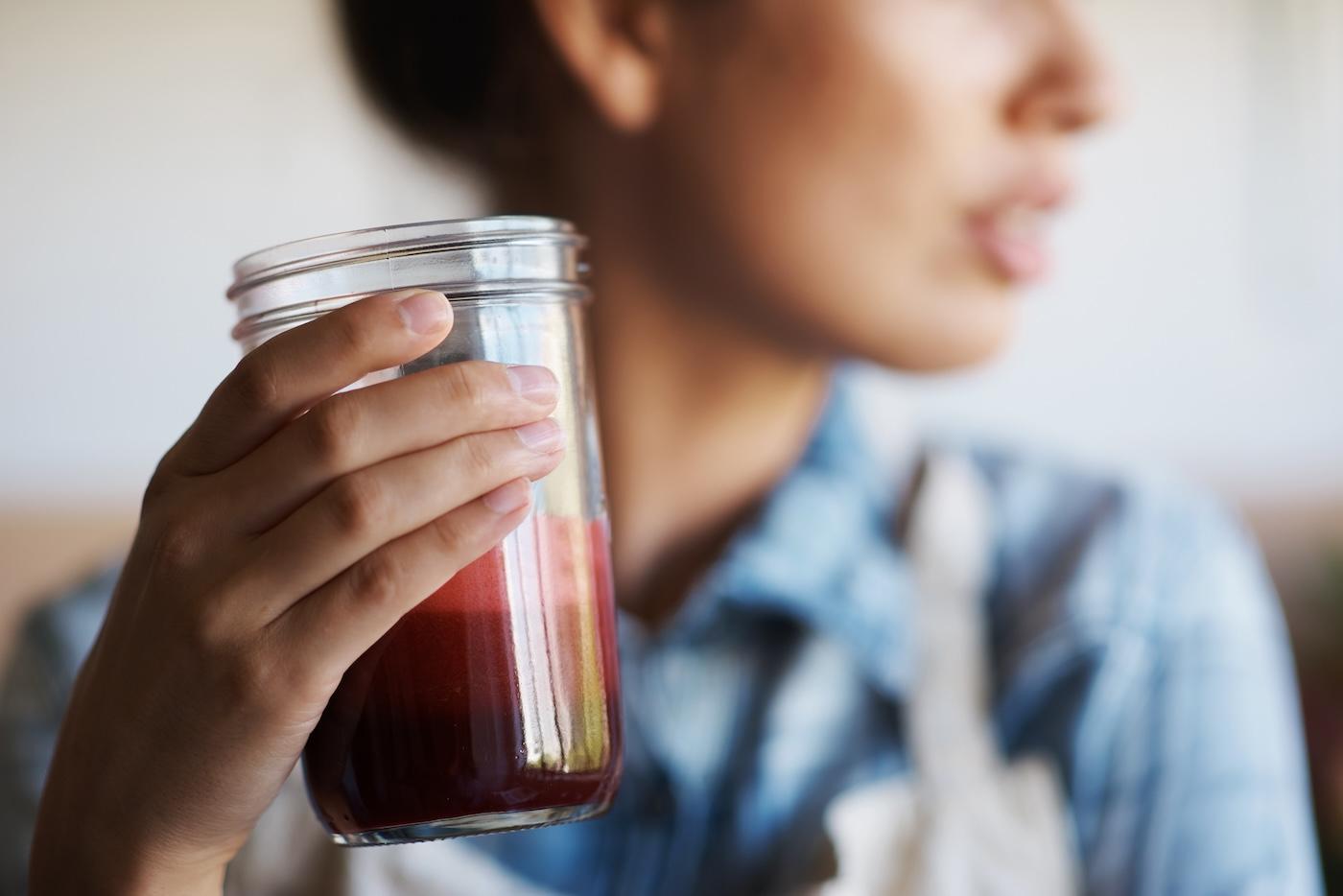
While fruits and veggies typically get the unequivocal greenlight during pregnancy, you still may wonder: Is beet juice safe for pregnancy?
The short answer? Yes—beet juice can fit into a healthy pregnancy diet! The biggest safety issue is whether the juice is pasteurized (or otherwise treated), because untreated fresh-squeezed juice can carry harmful germs. Choose pasteurized store-bought beet juice (avoid unpasteurized juice), or follow produce-washing and food-safety guidelines if you juice at home.
Is beet juice safe to drink while pregnant?
Beet juice is generally safe during pregnancy when it’s pasteurized or made at home with careful produce handling. Beetroot is also high in dietary nitrate. Pregnancy-specific research is limited, but in adults, beetroot juice can lower systolic blood pressure—so ask your clinician if you have low blood pressure or feel dizzy.
Benefits of Drinking Beet Juice During Pregnancy
- Folate: Folate supports fetal neural tube development. Pregnancy needs rise, so a prenatal vitamin with folic acid is still important.
- Blood vessel support: Beetroot is a source of dietary nitrate, which can be converted to nitric oxide. Plus, studies show beetroot juice can lower systolic blood pressure!
- Antioxidants: Beets are chock-full of antioxidants, which boast a whole bunch of health benefits!
- Hydration boost: Adds fluid to your day (and can contribute nutrients along with that fluid).
Risks or Considerations
- Unpasteurized juice: Unpasteurized juices have been linked to foodborne illness, so it’s safest to avoid them—especially during pregnancy!
- Digestive changes: Beet juice may cause bloating, cramping, or diarrhea in some people—especially in larger amounts. Go easy if you notice tummy upset.
- Blood pressure effects: Dietary nitrate from beetroot can lower blood pressure in some people. If this is a known issue for you, check with your doctor before pouring your next glass!
- Beeturia: Pink or red urine/stool can happen after eating beets and is often harmless—but in some cases it may be associated with iron deficiency. And iron deficiency is common in pregnancy! If discoloration happens without beet intake, persists, or you have symptoms of anemia, chat with your clinician.
- Blood sugar considerations: Juice is easy to drink quickly. If you have gestational diabetes or are monitoring blood sugar, ask your clinician how beet juice portions fit into your plan.
How to Safely Drink Beet Juice While Pregnant
- Choose pasteurized (or otherwise treated) beet juice when possible. If making juice at home: wash produce thoroughly under running water before cutting or peeling, and scrub firm produce with a clean brush.
- Refrigerate fresh juice promptly (within 2 hours) and keep it cold.
- Clean all produce and equipment thoroughly before juicing.
- If you’re concerned about blood sugar swings, drink your beet juice alongside a balanced snack or meal (for example, protein + fiber)!
When to Avoid Beet Juice
- If it’s raw/unpasteurized or purchased from a juice bar with unclear hygiene practices
- If you have low blood pressure, are prone to dizziness, or your clinician advises caution.
- If your clinician has recommended limiting juice or managing carbohydrate intake closely (for example, gestational diabetes)
- If you experience stomach upset after drinking it
Bottom Line
Beet juice can is safe to swig during pregnancy, as long as it’s pasteurized or prepared carefully at home! Avoid unpasteurized juice, and drop your clinician a line if you have low blood pressure or other medical conditions.
More on Drink Safety During Pregnancy:
- Can I Have Caffeine During Pregnancy?
- Is Matcha Safe During Pregnancy?
- Is Chamomile Tea Safe During Pregnancy?
- Can Red Raspberry Leaf Tea Help During Labor?
***
REFERENCES- U.S. Food and Drug Administration: Selecting and Serving Produce Safely
- Centers for Disease Control and Prevention: Fruit and Vegetable Safety at the Store or Market
- Nitrate and Nitrite in Biology, Nutrition and Therapeutics, Nature Chemical Biology, December 2009
- Nitrate Derived From Beetroot Juice Lowers Blood Pressure in Patients With Arterial Hypertension: A Systematic Review and Meta-Analysis, Frontiers in Nutrition, March 2022
- National Institutes of Health Office of Dietary Supplements: Folate Fact Sheet for Health Professionals
- Centers for Disease Control and Prevention: Folic Acid
- Nitrate Reduction to Nitrite, Nitric Oxide and Ammonia by Gut Bacteria under Physiological Conditions, PLOS ONE, March 2015
- Beetroot as a Functional Food with Huge Health Benefits: Antioxidant, Antitumor, Physical Function, and Chronic Metabolomics Activity, Food Science & Nutrition, 2021
- NCBI Bookshelf: Beeturia
- National Institutes of Health Office of Dietary Supplements: Iron Fact Sheet for Health Professionals
Disclaimer: The information on our site is NOT medical advice for any specific person or condition. It is only meant as general information. If you have any medical questions and concerns about your child or yourself, please contact your health provider.





SHARE THIS ARTICLE