PARENTS
Open Enrollment Tips for Expecting Parents
Welcoming a baby in the next year? Here’s how to get the most out of open enrollment.
Written by
Happiest Baby Staff

Somewhere between your anatomy scan and assembling the crib, an email from HR lands in your inbox: Open enrollment is now open! It's easy to click through the same choices you made last year…but when there's a baby on the way, this is one of the most important money (and healthcare) decisions you'll make all year. The plan you pick now will likely cover your prenatal visits, your delivery, and your little one's first checkups. So, let’s walk through how to compare health plans with a baby in the mix, how to get the most out of HSAs and FSAs, and the deadlines every expecting parent should have on their radar.
Why Open Enrollment Matters When You're Expecting
Here's the big thing many parents-to-be don't realize: Pregnancy generally isn't considered a "qualifying life event," so it doesn't open a special window to change your health plan midyear. The birth of your baby does, though. Under federal law, birth, adoption, and placement for adoption trigger a special enrollment opportunity outside of open season. That means the plan you choose during open enrollment is very likely the plan you'll give birth on. If you're due in 2027, now's the time to make that choice count.
How to Compare Health Plans When You're Pregnant
Look at total cost, not just the premium.
When you're expecting, assume you'll use your health insurance a lot this year—prenatal visits, ultrasounds, lab work, delivery, a hospital stay, and newborn care all add up. That makes a plan's out-of-pocket maximum (the most you'll pay for covered, in-network care in a plan year) just as important as its monthly premium.
A simple way to compare: For each plan, add up a full year of premiums (for the coverage tier you'll need once Baby arrives) plus the out-of-pocket maximum. That gives you a realistic "worst-case" yearly cost. A plan with a low premium and a high deductible might look like a bargain on paper, but a plan with a higher premium and lower out-of-pocket costs could end up cheaper in a year with a birth. Don't forget to factor in any money your employer contributes to an HSA, which can narrow the gap.
Mind the calendar.
Deductibles and out-of-pocket maximums generally reset at the start of each plan year. If your due date falls close to that reset—say, prenatal care in late 2026 and delivery in early 2027—your costs could be split across two deductibles. Ask HR when your plan year starts (not every employer runs on a calendar year) and factor that timing into your math.
Check your care team's networks.
Before you commit, confirm that your OB or midwife and the hospital or birth center where you plan to deliver are in-network for the plan you're choosing. While you're at it, look up the pediatricians you're considering. (Not sure where to start? Here are questions to ask a pediatrician before Baby arrives.)
Know what's covered.
A few pregnancy-specific protections and benefits worth understanding:
- Your hospital stay: If your plan provides maternity benefits, federal law says it generally can't limit coverage for a hospital stay after childbirth to less than 48 hours after a vaginal delivery or 96 hours after a c-section, and you can't be required to get preauthorization for that minimum stay. (If your coverage is through an insurance company or HMO, similar protections may come from your state's law instead.)
- Breastfeeding support and a breast pump: Most plans—except "grandfathered" plans—must cover breastfeeding support, counseling, and a breast pump. Plans can set rules on whether the pump is manual or electric, rented or yours to keep, and when you'll receive it, so ask your plan for specifics.
- Extras: Many plans also offer maternity programs, such as nurse lines or prenatal education. Ask what's included so you don't leave a helpful perk on the table.
Plan now for adding a baby to your coverage.
You can't enroll your baby before they're born, but you can plan for it now.
- Know your deadline: If you have employer coverage, you must request special enrollment within 30 days of your baby's birth, and coverage is effective back to the date of birth. Check your plan's summary plan description or ask HR how to submit the request. Then set a calendar reminder for after your due date, because those newborn weeks are a blur!
- Decide whose plan your baby will join: If both parents have access to employer coverage, compare the cost of adding a child to each plan. Coverage tiers (like "employee + child" versus "family") can vary a lot from one employer to another, and the cheapest option for you as a couple isn't always obvious. This is a great topic to add to your list of conversations to have with your partner before your baby arrives.
- If you have Marketplace coverage: The birth of your baby opens a Special Enrollment Period. You'll be able to apply within 60 days of your child's birth, and coverage starts the day your baby was born. If you're already enrolled in a Marketplace plan, you can add Baby to your current plan or enroll them in a separate plan.
If You're Shopping the Marketplace
If you or your partner buy insurance on your own, the Marketplace has its own enrollment calendar. On HealthCare.gov, Open Enrollment starts November 1, the deadline for coverage starting January 1 is December 15, and Open Enrollment ends January 15 (for coverage starting February 1). States that run their own marketplaces may set different dates, so check your state's site.
Health Savings Accounts (HSA)
A health savings account (HSA) lets you set aside pretax money for qualified medical expenses. To contribute, you need to be enrolled in an HSA-eligible high-deductible health plan (HDHP). Here are the key 2027 numbers from the IRS:
| Self-only coverage | Family coverage | |
|---|---|---|
| HSA contribution limit | $4,500 | $9,000 |
| Minimum HDHP deductible | $1,750 | $3,500 |
| Maximum HDHP out-of-pocket | $8,700 | $17,400 |
A few tips for expecting parents:
- Adding a baby can change your coverage tier. If you're on self-only coverage now and switch to family coverage after your baby is born, ask HR or your HSA provider how that affects how much you can contribute for the year.
- Unlike most FSAs, HSA money isn't "use it or lose it." That makes an HSA a flexible way to cover this year's delivery costs while building a cushion for future medical bills.
- Watch for conflicts with FSAs. To contribute to an HSA, you generally can't have other health coverage besides your HDHP—and a general-purpose health FSA (yours or your spouse's) typically counts. If your employer offers a limited-purpose FSA (often for dental and vision), that may be an option alongside an HSA. Ask HR before you enroll in both.
Healthcare Flexible Spending Accounts (FSA)
A healthcare flexible spending account (FSA) also lets you pay for qualified medical expenses with pretax dollars—and you don't need a high-deductible plan to use one. For plan years beginning in 2026, the health FSA limit is $3,400, and plans that allow carryovers can let you roll over up to $680 of unused funds. The IRS typically announces the next year's limit in the fall. As of this writing, the 2027 health FSA limit has not yet been released, so check your enrollment materials for the final number.
Because FSA dollars are generally use-it-or-lose-it (beyond any carryover or grace period your plan offers), it's wise to base your election on costs you can reasonably predict, like your deductible, copays for prenatal visits, and coinsurance for your delivery.
Using your HSA or FSA for SNOO
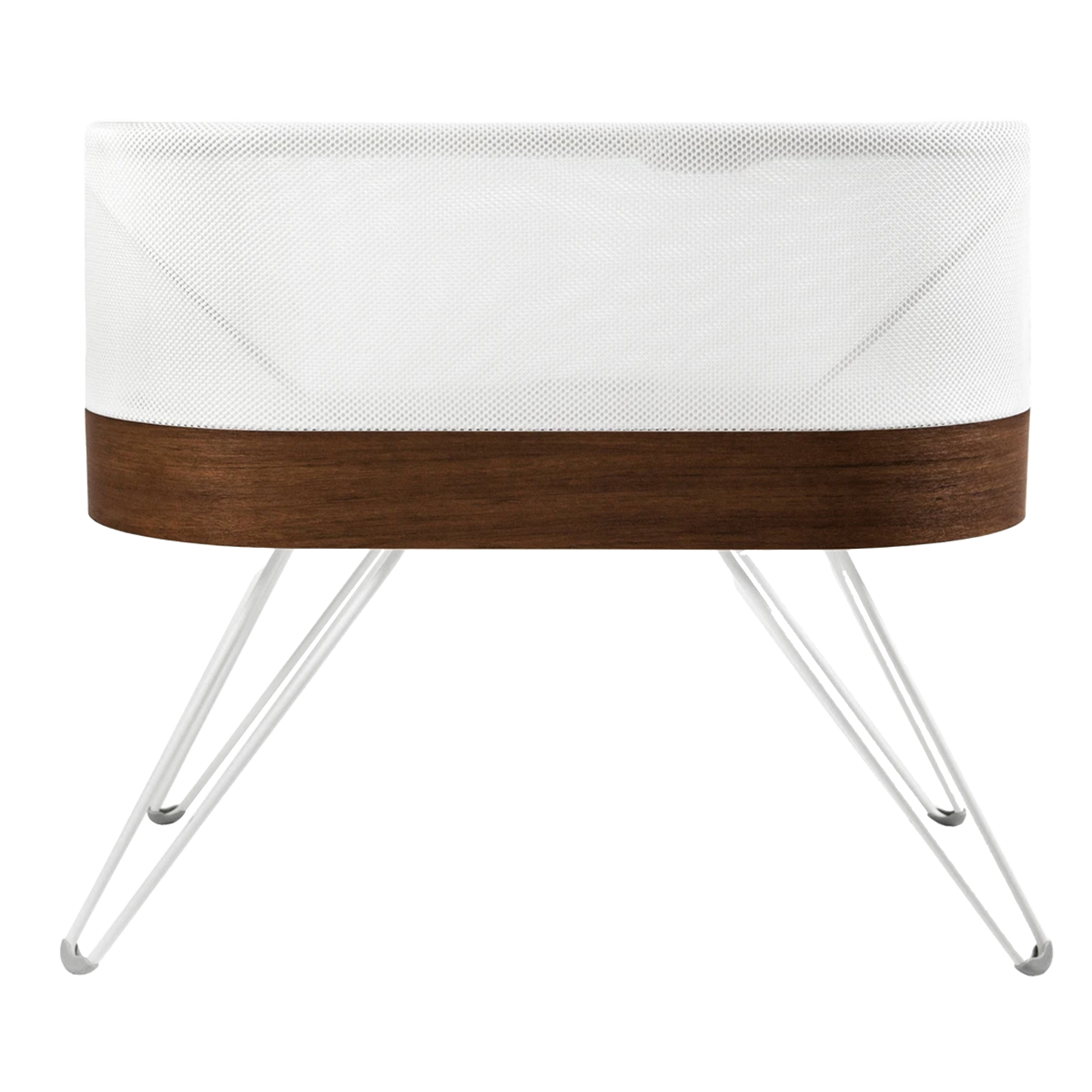
Here's a perk many parents don't know about: Thanks to Happiest Baby's partnership with Truemed, qualified customers can use HSA or FSA funds to buy or rent SNOO, as well as select other Happiest Baby products. At checkout, you'll answer a short health survey that determines your eligibility. Factoring this in as you choose your contribution amount can help your pretax dollars go even further.
Dependent Care FSAs
If you're planning to return to work after your leave, childcare will likely be one of your biggest new expenses. (Our guide to budgeting for your baby's first year breaks down what to expect.) A dependent care FSA lets you set aside pretax dollars for childcare that enables you—and your partner, if you have one—to work. Starting in 2026, the annual limit rose from $5,000 to $7,500 per household ($3,750 if you're married and filing separately).
Since your baby isn't here yet, you may not have childcare costs to reimburse until after your leave ends. Federal rules allow employer plans to let you start or change a dependent care FSA election midyear when a change in status, like a birth, affects your dependent care expenses. Plans aren't required to offer this, though, so ask HR whether you can enroll after Baby arrives or whether you should elect an amount now. (Still deciding on a care setup? Here's help figuring out the best childcare for your baby.)
Disability Coverage
Short-term disability insurance can replace part of your income while you recover from birth, but it's often a benefit you must actively elect, and open enrollment may be your only chance for the year. Some policies have waiting periods or preexisting-condition clauses, so read the details before you assume it will cover your leave. Ask HR:
- Am I already enrolled in short-term disability, or do I need to opt in?
- Does the policy cover recovery from childbirth, and for how long?
- Are there waiting periods or exclusions I should know about?
Parental leave, by contrast, is usually set by company policy (and, in some states, by a state program), so there's typically nothing to elect. It's still worth reviewing your company's policy now so you can plan ahead. If you're job hunting, our guide to getting a new job while pregnant covers what to ask about benefits and leave.
Other Family Benefits You Might Be Missing
Open enrollment is a great time to scan your benefits guide for family-friendly perks you may have skipped in years past. One to ask about: the SNOO Employee Benefit Program, which more than 160 employers use to give new parents access to SNOO Smart Sleeper. Eligible employees enroll directly through Happiest Baby, which handles delivery, support, and returns.
Not sure if your company offers it? Ask HR. And if they don't (yet!), you can refer your employer to the program.
Your Open Enrollment Checklist
- Estimate each plan's total yearly cost: premiums plus the out-of-pocket maximum.
- Check when your plan year starts and how that lines up with your due date.
- Confirm your OB or midwife, hospital or birth center, and future pediatrician are in-network.
- Compare the cost of adding a child to each parent's plan.
- Ask your plan how to get your breast pump and what lactation support is covered.
- Choose your HSA or FSA contribution.
- Ask HR whether you can enroll in a dependent care FSA after Baby is born.
- Review short-term disability options and your company's parental leave policy.
- Ask HR about the SNOO Employee Benefit Program.
- Set a reminder to add your baby to your plan within 30 days of birth.
The Bottom Line
Being pregnant usually doesn't let you switch health plans midyear, but having a baby does. That means open enrollment is your best chance to choose the plan you'll give birth on. Before you click "submit," estimate each plan's total yearly cost (premiums plus the out-of-pocket maximum), confirm your OB or midwife, hospital, and future pediatrician are in-network, decide how much to set aside in an HSA or FSA, and put a reminder on your calendar: You'll typically have just 30 days after birth to add Baby to an employer plan.
More on Planning for Baby:
- How to Budget for Your Baby's First Year
- 10 Conversations to Have With Your Partner Before Baby Arrives
- Everything You Need to Know About Getting a New Job While Pregnant
- What's the Best Childcare for Your Baby?
- Questions to Ask a Pediatrician
- A Busy Parent's Guide to Saving for College
***
REFERENCES- HealthCare.gov: Health Coverage If You're Pregnant, Plan to Get Pregnant, or Recently Gave Birth
- U.S. Department of Labor, Employee Benefits Security Administration: Protections for Newborns, Adopted Children, and New Parents
- HealthCare.gov: Breastfeeding Benefits
- HealthCare.gov: Health Insurance Marketplace
- Internal Revenue Service: Rev. Proc. 2026-24: 2027 Inflation Adjusted Amounts for HSAs
- Internal Revenue Service: Rev. Proc. 2025-32: 2026 Inflation Adjusted Items
- Internal Revenue Service: Publication 15-B (2026), Employer's Tax Guide to Fringe Benefits
- Electronic Code of Federal Regulations: 26 CFR § 1.125-4, Permitted Election Changes
Disclaimer: The information on our site is NOT medical advice for any specific person or condition. It is only meant as general information. If you have any medical questions and concerns about your child or yourself, please contact your health provider.





SHARE THIS ARTICLE