PARENTS
How to Budget for Your Baby's First Year
Babies are expensive—but a solid budget can help.

Written by
Happiest Baby Staff

Somewhere between picking a crib color and debating stroller brands, a bigger question tends to creep in: How much is this all going to cost? Well, let’s just say, it doesn’t end with the nursery expenses. According to BabyCenter's 2025 survey on the cost of raising a baby, the average family spends $20,384 in Baby's first year alone, not including the cost of giving birth. That's roughly a third of a typical household's income, and for about one in seven parents, it's closer to half.
Of course, that number isn't a life sentence. It's a national average pulled from a long list of possible purchases, and many families don't buy everything on it. With some planning, you can build a first-year budget that fits your real life, not a worst-case spreadsheet. Below, we break down the big-ticket items, the smaller recurring costs, and some tried-and-true ways to save on both.
Big Baby Expenses to Expect
Childcare
For full-time-working-parent households, childcare is very likely to be the single largest line item in your budget—bigger than diapers, clothes, and gear combined. According to Care.com's 2026 Cost of Care Report, average posted rates now run about $870 a week for a nanny, $332 a week for a daycare center, and $323 a week for a family care center (small, in-home group care). That works out to roughly $3,700 a month for a nanny, versus $1,300 to $1,400 a month for a daycare or family care center, though actual prices swing widely by region.
A few ways families typically bring that number down:
- A nanny share, where two families split the cost of one caregiver
- In-home family care, which tends to run a little less than a large daycare center
- Leaning on a relative for some or all of the week
Whichever route makes sense for you, it's worth touring options and getting on waitlists early so you have more choice in the matter. In many cities, infant spots fill up before a baby is even born!
Birth and Healthcare
Even with insurance, having a baby comes with real costs before Baby's first purchase. Out-of-pocket costs for prenatal care, delivery, and the postpartum period commonly run in the $2,200 to $3,300 range for insured families, and adding a baby to your health plan will raise your monthly premium. Budget, too, for regular pediatrician visits: Healthy babies typically have about seven checkups in the first year, and while many are fully covered as preventive care, some visits may involve a copay or coinsurance.
Big-Ticket Gear
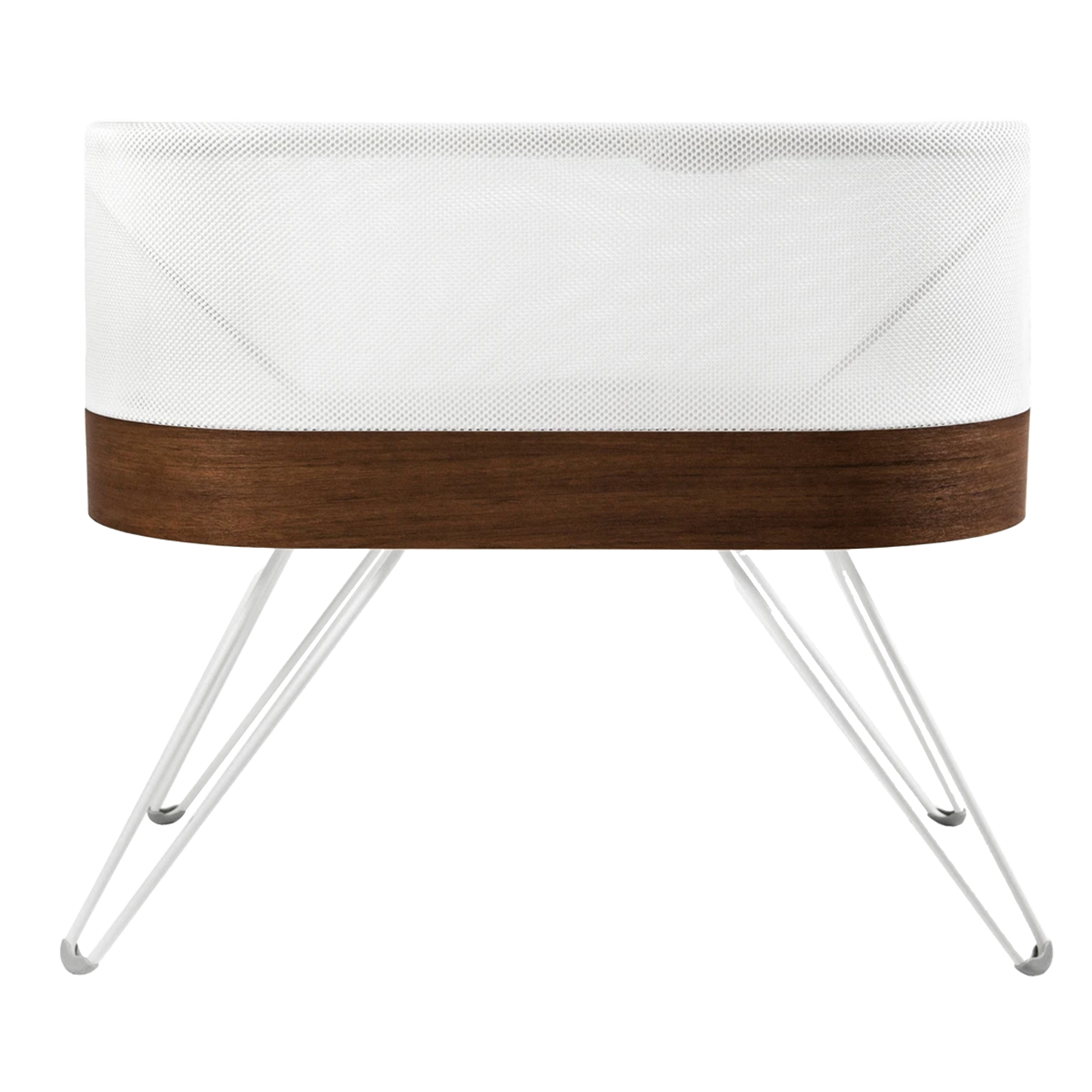
A crib or bassinet, car seat, stroller, and a few other big items make up your one-time, upfront costs, and estimates for this category commonly land somewhere between $2,000 and $4,000, depending on what's new versus secondhand or gifted. A well-built baby registry can absorb a good chunk of this cost, since friends and family are often eager to help with the big stuff. (For help with the cost of your bassinet, consider renting SNOO instead of buying which breaks down to just dollars a day!)
Small (but Steady) Costs to Expect
Smaller but recurring costs can quietly add up over 12 months. Per BabyCenter's survey, parents report spending an average of $86 a month on diapers and wipes, $68 a month on clothing, and $222 a month on formula. Add those three together, and you're looking at close to $4,500 over the course of the year.
A few specifics worth knowing:
- Diapers and wipes: Most infants go through eight to 12 diapers a day, and disposable diapers alone typically run $840 to $1,200 for the year. Buying in bulk and sticking to a couple of trusted store brands can meaningfully cut this cost.
- Formula: Formula-feeding families should plan for roughly $200 or more a month, though the exact figure depends on the type and brand. Breastfeeding isn't free, either—between a pump, bottles, storage bags, and nursing supplies, that route runs a few hundred dollars over the year, just spread differently.
- Clothing: Babies cycle through four to five clothing sizes in a single year, so it's smart to keep purchases modest each round. Seven to 10 outfits per size is plenty for most families, and hand-me-downs work beautifully here since infant clothes are barely worn before they're outgrown.
Tips for Saving Before—and After—Baby Arrives
Use your registry as a real budgeting tool.
Big-ticket items, hand-me-down-friendly gear, and even smaller staples like wipes or bottles are all fair game. Most registries, including Happiest Baby's, offer a completion discount so you can pick up whatever doesn't get gifted at a lower price.
Buy secondhand where it's safe to do so.
Clothing, toys, and gently used baby gear are generally fine to buy used, as long as you check for recalls. Car seats, cribs, and mattresses are the exception—buy those new, since safety standards and wear-and-tear matter a lot here. (Learn more about safely shopping secondhand.)
Look into a dependent care FSA.
If your employer offers one, you can set aside pretax dollars for childcare expenses—up to $7,500 per household in 2026, a notable jump from the previous $5,000 limit. Depending on your income and expenses, the Child and Dependent Care Tax Credit may also be worth looking into at tax time. A tax advisor can help you figure out which option (or combination) works best for your household, since this article isn't a substitute for personalized tax advice.
Shop last year's models.
Car seats, strollers, and monitors are updated constantly, but that doesn't mean last year's version is any less safe. Every car seat sold in the U.S. must meet the same federal safety standards, so an older or discounted model works exactly as well as this year's release.
Time big purchases around sales.
Pregnancy lasts about nine months, and there's a good chance a major sale event—Black Friday, end-of-season clearance, or a holiday sale—will fall somewhere in that window. Holding off on nonurgent purchases until then can meaningfully lower your total spend. (And Happiest Baby offers delayed delivery, so you can take advantage of sales but have your SNOO arrive closer to your due date!)
Get specific about childcare early.
Because childcare is the biggest swing factor in most family budgets, nail down your plan (and your waitlist spot) as early as possible. It's a conversation worth having with your partner well before your little one arrives, alongside the rest of your household budget.
The Bottom Line
Yes, a baby's first year comes with a steep price tag, but almost every item on this list has some flexibility built in. The families who feel least blindsided by these costs are usually the ones who looked at the numbers early, built in a cushion, and made intentional choices about where to spend and where to save.
More on Planning for Baby:
- 10 Conversations to Have With Your Partner Before Baby Arrives
- A Busy Parent's Guide to Saving for College
- What's the Best Childcare for Your Baby?
- Here's What to Ask on a Daycare Tour
- Your Ultimate Baby Registry Checklist
Disclaimer: The information on our site is NOT medical advice for any specific person or condition. It is only meant as general information. If you have any medical questions and concerns about your child or yourself, please contact your health provider.


SHARE THIS ARTICLE