PREGNANCY
How to Cope With Carpal Tunnel During Pregnancy
You may have expected back pain while expecting…but wrist pain?! Learn about this surprisingly common symptom.

Written by
Happiest Baby Staff
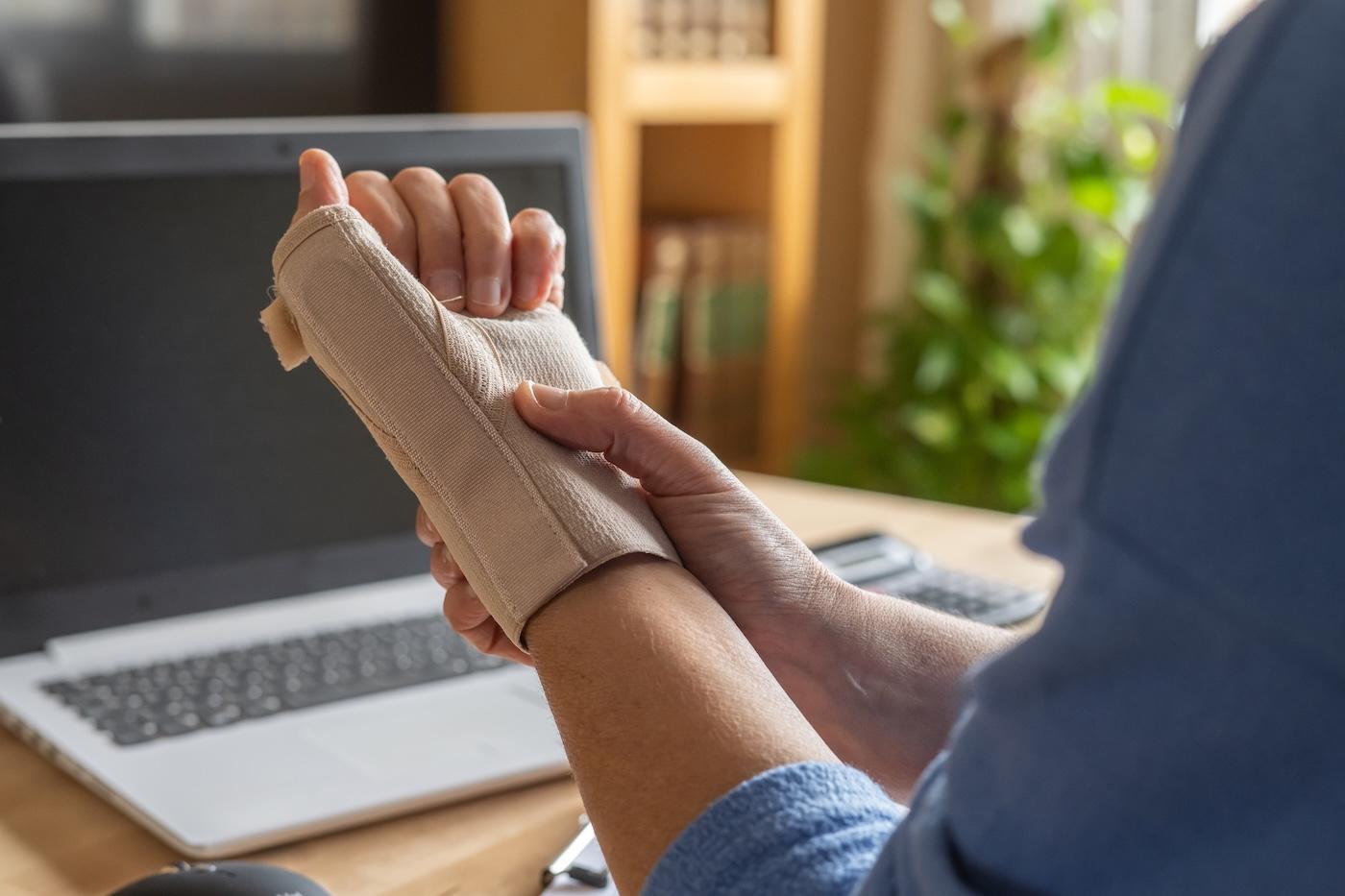
While may have anticipated back pain, belly pangs, or even swollen feet, you may have not imagined pregnancy impacting your fingers! But for a large share of expecting parents, tingling, burning, or clumsy hands are unwelcome late-pregnancy companion. The culprit is usually carpal tunnel syndrome (CTS), a nerve condition better known for affecting typists and assembly-line workers than pregnant people. If your hands have started falling asleep before you do, here's what's going on—and how to find relief.
What is carpal tunnel syndrome?
The carpal tunnel is a narrow passageway on the palm side of your wrist, formed by small wrist bones on one side and a tough band of connective tissue, the transverse carpal ligament, on the other. Nine tendons and one nerve—the median nerve—thread through this tight space on their way from your forearm into your hand. The median nerve supplies feeling to your thumb, index finger, middle finger, and half of your ring finger, and helps power some of your hand's movements. When anything inside the tunnel swells or thickens, it crowds the median nerve, producing the tingling, numbness, and pain known as carpal tunnel syndrome.
Why does pregnancy cause carpal tunnel syndrome?
When you’re expecting, your body holds onto significantly more fluid than usual to support your growing baby. That’s why ankles and feet tend to swell during pregnancy. And that fluid can also collect in the soft tissue around your wrists. Because the carpal tunnel is such a snug space to begin with, even modest swelling there is enough to compress the median nerve. Plus, rising pregnancy hormones may loosen and soften connective tissue throughout the body, including the ligament that forms the roof of the carpal tunnel, which can add to the pressure.
How common is carpal tunnel syndrome during pregnancy?
If your hands feel like they belong to someone else lately, you're in good company. Estimates vary widely depending on how CTS is diagnosed, but a systematic review found that clinically diagnosed pregnancy-related CTS affects roughly 31% to 62% of pregnant patients, compared with just a few percent of adults overall. Symptoms are most likely to appear or intensify in the third trimester, though they can technically begin at any point in pregnancy.
Symptoms of Pregnancy-Related Carpal Tunnel Syndrome
Pregnancy-related carpal tunnel syndrome tends to show up as:
- Numbness, tingling, or a "pins and needles" feeling in the thumb and first few fingers
- A burning sensation in the hand or wrist
- Aching or throbbing that radiates up into the forearm
- Weak grip strength or trouble with fiddly tasks, like buttoning a shirt
- Symptoms that are worse at night or first thing in the morning
Symptoms often affect both hands, and tend to be most noticeable after lying down, since fluid redistributes through the body—and into the wrists—while you sleep.
How to Cope With Carpal Tunnel During Pregnancy
Wear a wrist splint at night.
A neutral-position wrist splint worn while sleeping is considered the first-line, and most evidence-backed, way to ease pregnancy-related CTS. Keeping the wrist straight rather than bent prevents the extra pressure that flexing or extending the wrist puts on the carpal tunnel. Splints are sold over the counter at most pharmacies.
Rethink your sleep position.
Since symptoms often worsen overnight, try to avoid sleeping with your wrists curled underneath you or tucked beneath a pillow. Keeping wrists straight and resting your hands on a pillow rather than under it, can take some pressure off the nerve. (Here's more on comfortable sleep positions during pregnancy.)
Elevate your hands when you rest.
Just like elevating swollen feet, propping your hands and forearms on a pillow above heart level while you relax can help drain excess fluid away from the wrist.
Try gentle wrist stretches and nerve glides.
Slow wrist flexion and extension stretches, along with median nerve gliding exercises, are commonly recommended by physical therapists to keep the nerve moving freely within the tunnel and may offer some symptom relief.
Modify repetitive hand motions.
Typing, scrolling, chopping vegetables, and other repetitive grips can aggravate symptoms. Taking frequent breaks, adjusting how you hold a phone or keyboard, and switching hands for repetitive tasks can reduce strain.
Cool things down.
A cool compress or a brief soak in cool water can help calm swelling-related nerve compression—in the same way cool water can help with swollen feet.
Talk to your provider about medication.
Over-the-counter pain relievers and, in more persistent cases, a corticosteroid injection into the carpal tunnel are sometimes used during pregnancy. Always check with your healthcare provider before starting any medication, since safety depends on your trimester and individual health history.
When to Call Your Doctor About Carpal Tunnel Syndrome
Mild tingling is common, but reach out to your healthcare provider if you notice:
- Constant numbness
- Worsening weakness
- Dropped objects
- Symptoms that interfere with sleep or daily tasks
Persistent, severe cases are occasionally treated with corticosteroid injections, and carpal tunnel release surgery is considered safe during pregnancy for the rare cases that don't improve with conservative care.
Will carpal tunnel syndrome go away after pregnancy?
For most people, yes. As postpartum fluid retention resolves, pressure on the median nerve typically eases within the first few weeks to months after delivery. Some studies have found that symptoms can linger longer for a subset of patients, so if numbness or weakness hasn't budged well after birth, it's worth flagging at your postpartum checkup.
The Bottom Line
Carpal tunnel syndrome is an unglamorous but common part of late pregnancy, driven by the same fluid shifts that swell your feet and ankles. A nightly wrist splint, smart sleep positioning, and a few simple stretches resolve or ease symptoms for most people, and delivery itself tends to finish the job. If your hands are keeping you up at night or getting in the way of daily life, don't tough it out alone—your healthcare provider has plenty of pregnancy-safe options to help.
More on Pregnancy Symptoms:
- High Blood Pressure During Pregnancy
- Get Relief From Pregnancy Fatigue
- Round Ligament Pain, Explained
- Lightning Crotch—a Shocking Pregnancy Pain
***
REFERENCES- NIH National Library of Medicine MedlinePlus: Carpal Tunnel Syndrome
- UT Southwestern Medical Center: Carpal Tunnel Syndrome and Pregnancy Go Hand in Hand
- Carpal Tunnel Syndrome, StatPearls, Oct 2023
- Systematic Review of Pregnancy-Related Carpal Tunnel Syndrome, Muscle & Nerve, Nov 2010
- NHS Fife: Managing Carpal Tunnel Syndrome During Pregnancy
- Carpal Tunnel Syndrome in Pregnancy, Orthopedic Clinics of North America, Oct 2012
Disclaimer: The information on our site is NOT medical advice for any specific person or condition. It is only meant as general information. If you have any medical questions and concerns about your child or yourself, please contact your health provider.






SHARE THIS ARTICLE