PARENTS
8 Science-Backed Tips to Boost Your Immunity (Even When You Have Young Kids!)
If sniffle season feels never-ending, try this evidence-based advice to break the sickness cycle.

Written by
Happiest Baby Staff
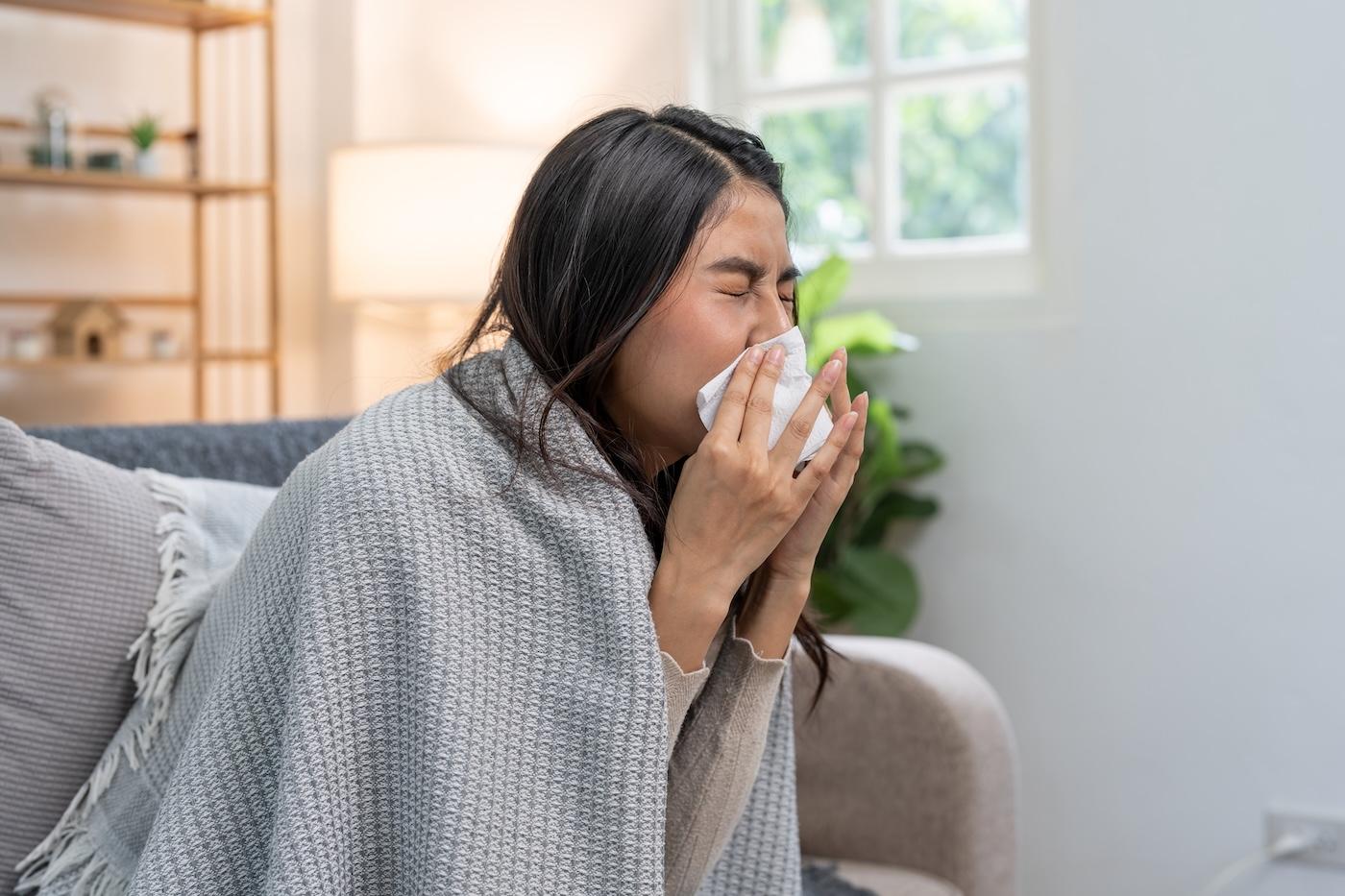
If it feels like someone in your house is always sniffling, you're not imagining it. When University of Utah Health researchers swabbed the noses of every family member, every week, for a full year, they found that people living alone had a cold or flu virus for about three to four weeks of the year. In homes with two to four kids, a virus was detected in about half of all weeks—and kids under 5 had a virus in their nose 50% of the time! Overall, people who lived with children logged three extra weeks of virus detection a year compared with people who lived alone.
The upside is that parenthood may toughen you up. In a Carnegie Mellon study that exposed 795 healthy adults to a cold virus, parents were about half as likely to develop a cold as nonparents—even after researchers accounted for existing immunity to the virus. Scientists couldn't pin down exactly why, but you can stack the deck even more in your favor. And no, we're not just going to tell you to wash your hands (though, please, keep that up!). Here are fresher, doable, science-backed ways to support your immune system this season.
How to Support Your Immune System
Gargle with plain water.
It sounds almost too simple, but gargling is a common cold-prevention habit in Japan—and a randomized trial backs it up. Researchers asked 387 healthy adults to either gargle with water at least three times a day, gargle with an antiseptic (povidone-iodine), or carry on as usual during winter. Over 60 days, the water-gargling group had about one-third fewer new upper respiratory infections than the control group. Interestingly, the antiseptic gargle didn't offer the same benefit.
To make it stick, tie gargling to things you already do: after brushing your teeth in the morning, after daycare pickup, and before bed. Already have a scratchy throat? The Mayo Clinic suggests gargling with warm salt water—about a quarter teaspoon of salt in half a cup of water—a few times a day to help soothe it.
Count total sleep, not unbroken sleep.
The American Academy of Sleep Medicine (AASM) recommends adults get seven or more hours of sleep a night, noting that regularly getting less is linked to impaired immune function. (We know...easier said than done with a little one!) But here's an encouraging finding for parents juggling night wakings: In a study that tracked 164 healthy adults' sleep with wrist monitors for a week before exposing them to a cold virus, people averaging less than 5 hours a night had about 4.5 times the odds of catching a cold, and those averaging 5 to 6 hours had about 4 times the odds, compared with people sleeping more than 7 hours. People sleeping between 6 and 7 hours weren't at significantly higher risk. And how restless or broken up their sleep was? That wasn't linked to catching a cold at all.
This study didn't include new parents, but it suggests that your total hours may matter more than getting them in one tidy stretch. So, after a rough night, claw back time wherever you can. In a small lab study, two 30-minute naps the day after a night of just 2 hours' sleep helped normalize an immune protein and a stress hormone that had shifted after sleep loss. Tag-team night duty with a partner, go to bed earlier when you can, and nap when your baby naps (yes, really!).
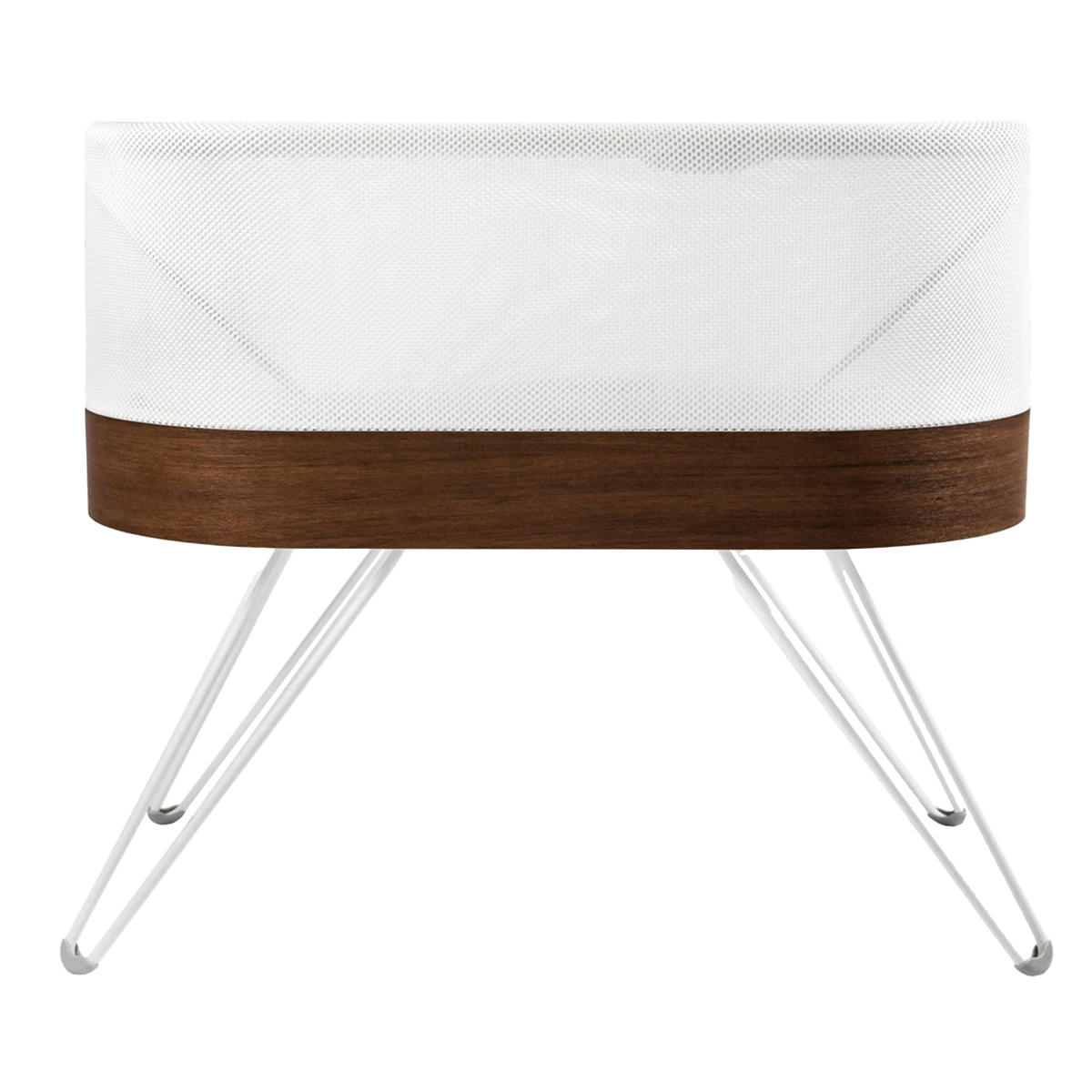
Helping your little one sleep longer helps you sleep longer, too. Dr. Harvey Karp's 5 S's can help calm fussing and bring on the ZZZs, and the SNOO Smart Sleeper responds to your baby's fussing with soothing white noise and gentle motion. (More ideas: 6 Science-Backed Ways to Feel Less Exhausted.)
Book your flu shot for the morning.
Talk with your healthcare provider about which vaccines are right for you and your family this season. Then consider two timing tweaks that may help your body get the most out of them.
First, aim for a morning appointment. In a UK trial of 276 adults age 65 and older, people vaccinated between 9am and 11am had a bigger antibody response to two of the three flu strains in the vaccine one month later than people vaccinated between 3pm and 5pm. This study only included older adults, so it's not yet clear whether the same holds true for younger parents—but a morning slot costs you nothing to try.
Second, protect your sleep around your shot. Among 125 healthy midlife adults getting the three-dose hepatitis B vaccine series, those who slept less had weaker antibody responses—and were less likely to be fully protected by the end of the series.
Hug it out.
Stress can leave you more vulnerable to getting sick, and feeling supported by the people around you seems to soften that effect. In a Carnegie Mellon study, 404 healthy adults reported their daily conflicts and hugs for two weeks before being exposed to a cold virus. Feeling supported protected people from the rise in infection risk that came with frequent conflict, and hugs accounted for about one-third of that protective effect. Among people who did get infected, more frequent hugs were linked to less severe illness.
With little ones around, you likely have no shortage of hug opportunities! But be sure to trade a few with your partner, friends, or other grown-ups in your life, too. (Of course, when someone's sick, a hug can wait until they feel better.)
Take a brisk stroller walk most days.
You don't need a marathon training plan to fend off colds. In a study that followed 1,002 adults through fall and winter, people who did aerobic exercise five or more days a week had 43% fewer days with cold symptoms over 12 weeks than people who were mostly sedentary—and when they did get sick, their symptoms were less severe. A brisk walk with the stroller, a living-room dance party, or chasing your toddler around the park all count toward moving most days.
Learn mindfulness meditation.
In a randomized trial of 154 adults age 50 and older, people who took an eight-week mindfulness meditation course logged 257 total days of cold and flu illness over the season, compared with 453 days in the group that didn't take the course. They also missed far fewer days of work: 16 versus 67. A group assigned to an eight-week moderate exercise program also logged fewer sick days and missed less work than the control group.
This study didn't include parents of young kids, and the course involved weekly classes plus daily practice at home. Still, mindfulness is a skill you can start building in small doses: Try a guided meditation app during your baby's nap, or simply focus on your breathing for a few minutes while you rock your little one to sleep.
Eat more fermented foods.
In a Stanford study, 36 healthy adults were randomly assigned to eat more fermented foods (like yogurt, kefir, kimchi, and fermented vegetables) or more high-fiber foods over a 17-week study. The fermented-food group's gut microbes steadily became more diverse, and their markers of inflammation dropped. The high-fiber group's gut microbe diversity held steady over the same time period.
Fiber is still great for you—this study suggests fermented foods may bring something extra to the table. Easy add-ins: a yogurt or kefir smoothie at breakfast, kimchi tucked into scrambled eggs or a rice bowl, or sauerkraut piled onto a sandwich.
Keep indoor humidity around 40% to 50%.
Dry winter air may help flu viruses stick around. In a lab study by CDC researchers, flu virus was "coughed" into a room by a manikin. After an hour, about 71% to 77% of the virus was still infectious when the room's humidity was 23% or lower. But at 43% humidity or higher, only about 15% to 22% remained infectious. The researchers concluded that keeping indoor humidity above 40% can significantly reduce the infectiousness of airborne flu virus.
Just don't overdo it. The Mayo Clinic recommends keeping home humidity between 30% and 50%, since air that's too damp can encourage mold, bacteria, and dust mites. Aiming for the upper half of that range—about 40% to 50%—lines up with both findings. A few humidifier tips:
- Use a hygrometer (a small, inexpensive humidity gauge) or a humidifier with a built-in humidistat to keep levels in check.
- Use distilled or demineralized water, empty and refill the tank daily if you can, and clean the humidifier every three days.
- Skip steam vaporizers if you have kids, since the hot water inside can cause burns if spilled.
- If you or your child has asthma or allergies, talk with your healthcare provider before using a humidifier.
More on Staying Healthy:
- 6 Science-Backed Ways to Feel Less Exhausted
- 9 Ways to Fall Asleep Faster
- Sleep: The Ultimate Brain Boost for Parents
- Newborn Cold Treatment and Prevention
- Mental Health Resources for New Parents
***
REFERENCES- University of Utah Health: Got Kids? Got Coughs. Viruses Thrive in Big Families
- Community Surveillance of Respiratory Viruses Among Families in the Utah Better Identification of Germs-Longitudinal Viral Epidemiology (BIG-LoVE) Study, Clinical Infectious Diseases, Oct 2015
- Parenthood and Host Resistance to the Common Cold, Psychosomatic Medicine, Jul 2012
- Prevention of Upper Respiratory Tract Infections by Gargling: A Randomized Trial, American Journal of Preventive Medicine, Nov 2005
- Mayo Clinic: Humidifiers: Ease Skin, Breathing Symptoms
- Recommended Amount of Sleep for a Healthy Adult: A Joint Consensus Statement of the American Academy of Sleep Medicine and Sleep Research Society, Journal of Clinical Sleep Medicine, Jun 2015
- Behaviorally Assessed Sleep and Susceptibility to the Common Cold, Sleep, Sep 2015
- Napping Reverses the Salivary Interleukin-6 and Urinary Norepinephrine Changes Induced by Sleep Restriction, Journal of Clinical Endocrinology & Metabolism, Mar 2015
- Morning Vaccination Enhances Antibody Response Over Afternoon Vaccination: A Cluster-Randomised Trial, Vaccine, May 2016
- Sleep and Antibody Response to Hepatitis B Vaccination, Sleep, Aug 2012
- Does Hugging Provide Stress-Buffering Social Support? A Study of Susceptibility to Upper Respiratory Infection and Illness, Psychological Science, Feb 2015
- Upper Respiratory Tract Infection Is Reduced in Physically Fit and Active Adults, British Journal of Sports Medicine, Sep 2011
- Meditation or Exercise for Preventing Acute Respiratory Infection: A Randomized Controlled Trial, Annals of Family Medicine, Jul 2012
- Gut-Microbiota-Targeted Diets Modulate Human Immune Status, Cell, Aug 2021
- High Humidity Leads to Loss of Infectious Influenza Virus From Simulated Coughs, PLoS One, Feb 2013
Disclaimer: The information on our site is NOT medical advice for any specific person or condition. It is only meant as general information. If you have any medical questions and concerns about your child or yourself, please contact your health provider.





SHARE THIS ARTICLE
MOST LOVED
Sleepytime Sidekicks