PARENTS
How to Ask Your Employer for Better Parental Benefits
Use these tips to make your case.
Written by
Happiest Baby Staff

Ask any new parent what would make work easier, and you probably won't hear "free snacks" or "a nicer break room." You'll hear things like time to recover after birth without losing a paycheck. A schedule that bends on the days daycare calls. A little help getting through those first sleepless months, so they can show up as the person their team hired.
Those things are possible—plenty of employers already offer them. But at many companies, they only happen because someone asked.
If that someone is you, this guide is here to help. Below, you'll find seven ways to make a clear, confident, data-backed case for better parental benefits—whether you're expecting, just back from leave, or planning ahead for a growing family.
Know What You Already Have
Before you ask for something new, get clear on what you're already entitled to. Read your benefits guide or employee handbook, and don't be shy about asking HR for a summary of family-related benefits. You may find perks you didn't know existed—and you'll avoid asking for something that's already on the books.
It also helps to know the federal baseline, so you can see where the real gaps are:
- Family and Medical Leave Act (FMLA): Eligible employees can take up to 12 workweeks of job-protected leave for the birth of a child or placement of a child through adoption or foster care. But FMLA leave is unpaid, and you only qualify if you've worked for a covered employer for at least 12 months, logged at least 1,250 hours in the year before your leave, and work at a location with at least 50 employees within 75 miles. Some states have their own family and medical leave laws that go further.
- Pregnant Workers Fairness Act (PWFA): This law gives most workers the right to reasonable accommodations for pregnancy, childbirth, and related medical conditions—think modified schedules, extra breaks, or time off to recover.
- PUMP Act: Most nursing employees are entitled to reasonable break time and a private space (that isn't a bathroom) to pump at work for up to one year after their baby's birth.
Once you know the baseline, you can focus your ask on what's missing, like paid leave, flexibility, or support for the newborn months.
Lead With the Business Case
Your experience matters, but the people who approve budgets tend to respond to numbers.
Childcare benefits are a strong place to start. When Moms First and Boston Consulting Group (BCG) studied childcare benefits at five U.S. employers—including UPS, Etsy, and Synchrony—every company saw a positive return on investment, ranging from 90% to 425%. The researchers found that keeping as few as 1% of eligible employees who might otherwise have quit can cover the cost of offering childcare benefits to everyone eligible. Parents with these benefits avoided more than two weeks of absences a year, and up to 86% said the benefits made them more likely to stay with their employer.
Paid leave is another place where your company can stand out. According to the U.S. Bureau of Labor Statistics, only 49% of private industry workers had access to paid family and medical leave in March 2026. In other words, about half the private-sector workforce doesn't have it—which makes a solid leave policy a real recruiting advantage.
When you present these numbers, connect them to your workplace. Has your team lost experienced people after they had kids? Are open roles hard to fill? Those details turn national statistics into a local problem your leaders want to solve.
Make a Specific Ask
A vague request ("We should be more family-friendly") is easy to agree with—and easy to forget. A specific request has a much better chance of landing on someone's to-do list. Pick one or two priorities that would make the biggest difference at your company, such as:
Paid parental leave for all parents: Ask that it cover birthing and non-birthing parents, as well as parents who grow their families through adoption, foster care, or surrogacy.
A phased return to work: A few weeks of reduced hours after leave can make the transition back much smoother.
Flexible scheduling: Predictable flexibility—like adjustable start times or a couple of remote days during the first months back—helps parents manage pediatrician visits, daycare drop-offs, and the unexpected.
Childcare support: This might mean a monthly stipend, backup care for days when your usual arrangement falls through, or help finding care in the first place.
Support for the newborn months: Benefits that help with infant sleep, feeding, and early parenting fill a gap that leave and childcare often don't cover.
Use the Channels Leaders Already Read
If a face-to-face conversation feels like too much right now, start with your year-end employee survey. Open-text answers are often read by the people who set priorities, so be direct and specific. For example: "Paid leave for all new parents would make a big difference in whether I see a long-term future here."
Other channels worth using:
Your one-on-one with your manager: Ask whether they'd be willing to pass your suggestion along to HR or leadership. Managers feel the impact of turnover and absences firsthand, so they can make great allies.
Open enrollment Q&As and benefits feedback forms: These exist because HR wants to hear what employees value.
A short follow-up email: After any conversation, send a brief note summarizing your request and key data points. It's much easier for someone to forward an email than to retell a hallway conversation.
Bring Other Parents With You
Multiple voices turn a request into a trend! If your company has a parents' employee resource group (ERG), bring your idea there and ask if the group will support it. If not, talk with colleagues who are expecting, recently back from leave, planning to grow their families, or caring for young kids. Partners matter here, too—new dads and non-birthing parents lose sleep and juggle pickups just like moms do.
A joint ask carries more weight, and it shows leadership that the need goes beyond one person. It also spreads the risk, which can make speaking up feel a lot more manageable.
Don't Overlook the Newborn Months
Most conversations about family benefits focus on leave and childcare. Both are important! But there's a gap neither one fully covers: the nights.
Sleep loss after a baby arrives is real, and it hits hardest early on. In a study of more than 4,600 parents in Germany, mothers' sleep reached its low point in the first three months after birth, when they slept about an hour less per night than before pregnancy. Fathers lost sleep, too, and for both parents, sleep hadn't fully bounced back up to six years after their first child was born.
That's a temporary season, and it deserves support—not judgment. It also matters to employers. Researchers at RAND estimated that insufficient sleep costs the U.S. economy up to $411 billion a year, largely through lost productivity, including the equivalent of about 1.23 million missed working days.
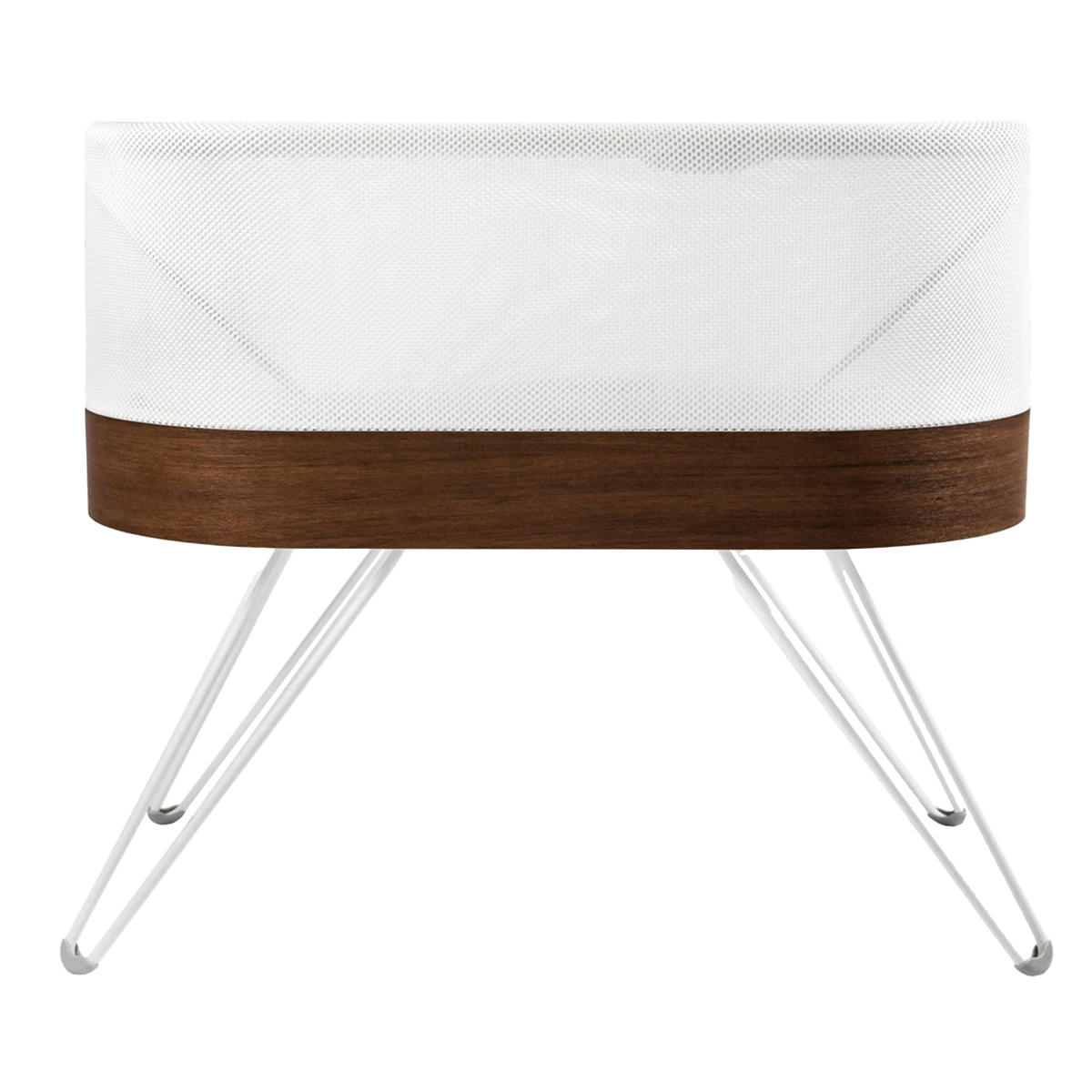
This is exactly the gap the SNOO Employee Benefit Program was created to fill. Through the program, employers cover a SNOO Smart Sleeper rental for new-parent employees for up to 6 months. SNOO gently rocks and shushes babies to help them fall—and stay—asleep, and it's the first and only FDA De Novo authorized infant bed proven to keep sleeping babies safely secured on their backs. Happiest Baby reports that SNOO helps families get 1 to 2 extra hours of sleep per night.
A few points that tend to resonate with HR teams:
- It's already working at other companies: More than 160 employers offer the benefit, including JP Morgan Chase, the City of Atlanta, and Snap Inc.
- It's easy to launch: There's no up-front cost for employers, programs can launch in two weeks or less, and Happiest Baby handles shipping, returns, and parent support—so HR never has to manage equipment.
- It meets parents when support matters most: Many family benefits kick in after the newborn stage. This one is designed for those first sleep-deprived months, when parents are recovering, adjusting, and often preparing to head back to work.
Want to bring it to your workplace? You can ask Happiest Baby to reach out to your benefits team on your behalf, or use our ready-made email template for HR to make the ask yourself.
What to Say: A Simple Script
Not sure how to open the conversation? Keep it short, appreciative, and focused on the shared win. Here's a starting point you can adapt for a meeting or an email:
I really value working here, and I want to share an idea that I think could help us keep great people. Right now, [describe the gap—for example, our parental leave is unpaid, or there's no support after parents return]. Research from BCG and Moms First found that childcare benefits delivered a positive return at every company they studied, and only about half of private-sector workers have paid family leave—so this could set us apart. Would you be open to exploring [specific benefit] for next year? I'm happy to share the research and help however I can.
The Bottom Line
Better parental benefits rarely appear on their own. They happen because someone does the homework, brings the data, and asks for something specific. Whether you start with a single survey response or a full proposal, you're making it easier for every parent who comes after you—and that's worth speaking up for.
More on Working and Parenting:
- How to Get a Free SNOO at Work
- 7 SNOO Employee Benefit Myths to Stop Believing
- Benefits That Go a Long Way to Support Working Parents
- Going Back to Work After Maternity Leave
- SNOO Was the Ultimate HR Perk for This Mom of Three
***
REFERENCES- U.S. Department of Labor, Wage and Hour Division: Fact Sheet #28: The Family and Medical Leave Act
- U.S. Equal Employment Opportunity Commission: What You Should Know About the Pregnant Workers Fairness Act
- U.S. Department of Labor, Wage and Hour Division: Fact Sheet #73: FLSA Protections for Employees to Pump Breast Milk at Work
- Moms First and Boston Consulting Group: The Employee Benefit That Pays for Itself, March 2024
- U.S. Bureau of Labor Statistics: Employee Benefits in the United States – March 2026
- Long-Term Effects of Pregnancy and Childbirth on Sleep Satisfaction and Duration of First-Time and Experienced Mothers and Fathers, Sleep, Apr 2019
- RAND Corporation: Why Sleep Matters—The Economic Costs of Insufficient Sleep: A Cross-Country Comparative Analysis, 2016
Disclaimer: The information on our site is NOT medical advice for any specific person or condition. It is only meant as general information. If you have any medical questions and concerns about your child or yourself, please contact your health provider.





SHARE THIS ARTICLE
MOST LOVED
Sleepytime Sidekicks