BABY
The State of Safe Sleep in 2026
Here’s what parents should know.
Written by
Happiest Baby Staff
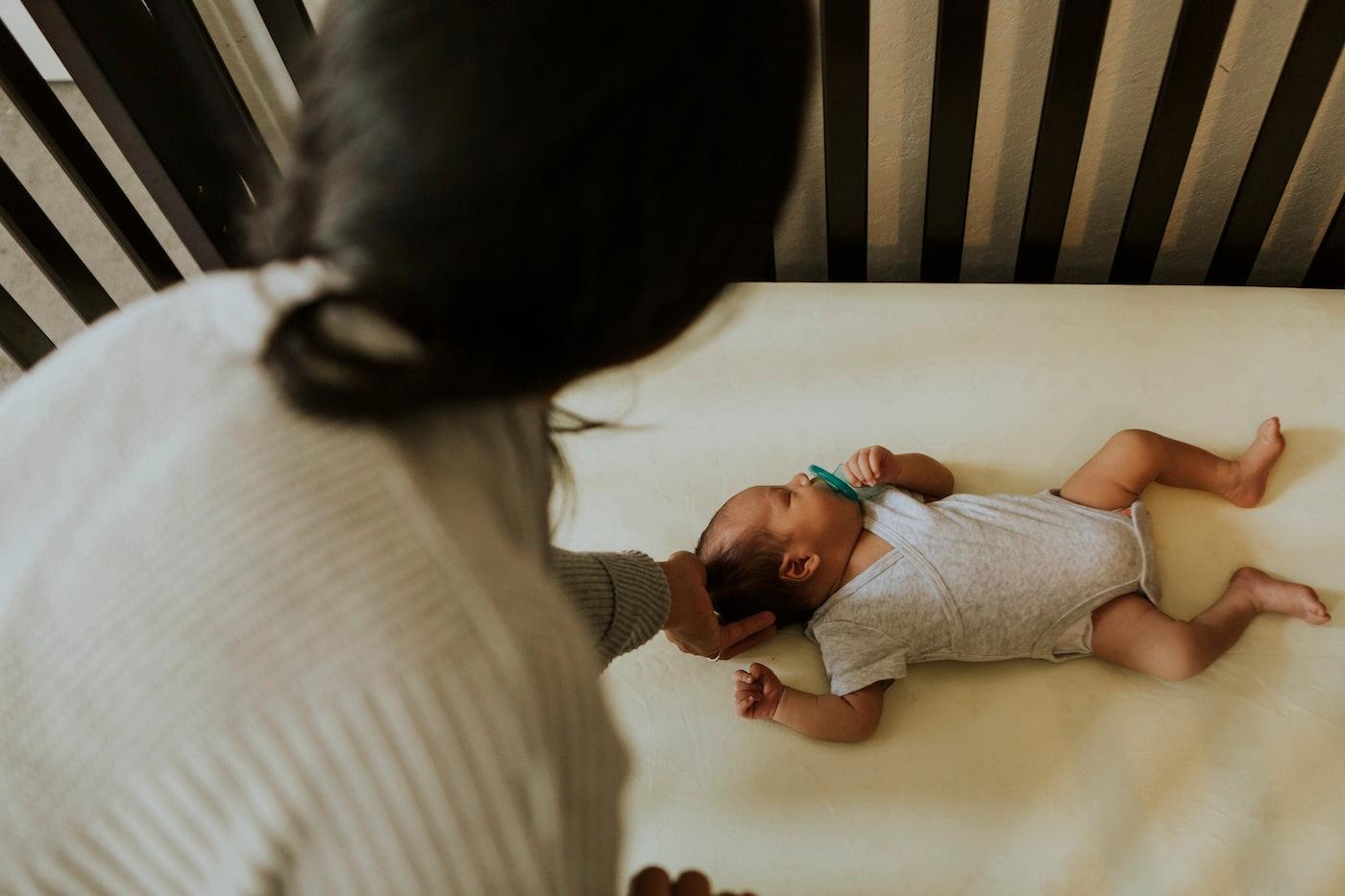
Back-to-sleep advice made infant sleep dramatically safer in the 1990s, but that progress has stalled. Sudden unexpected infant death (SUID) still claims about 3,400 babies in the U.S. every year, and a new CDC report confirms that unsafe sleep conditions are present in most of those deaths. Here's what the newest numbers tell us, and—most importantly—what parents can do.
The State of Safe Sleep in 2026
Progress has stalled.
SUID rates fell sharply in the 1990s, from 154.6 to 93.9 deaths per 100,000 live births, according to the CDC. Rates then climbed from 92.9 in 2020 to 100.9 in 2022. The most recent figure—93.6 in 2024—is down from that peak, but essentially the same as it was 25 years ago. Of the roughly 3,400 SUIDs in 2024, 1,351 were attributed to SIDS, 1,099 to unknown causes, and 947 to accidental suffocation and strangulation in bed.
Unsafe sleep is still the common thread.
The CDC's September 2026 report reviewed nearly 4,900 SUIDs from 2020 to 2024. At least 73% involved unsafe sleep factors. Only 21% of babies died in a crib, bassinet, or portable crib. Fifty-seven percent were in an adult bed and 9% on a chair or couch. Soft bedding was present in 78% of cases, and 59% of babies were sharing a sleep surface with a person or pet. Two-thirds of the babies who died were 3 months old or younger.
Disparities are widening.
In 2023, SUID rates were 236.2 per 100,000 for Black infants and 252.3 for American Indian and Alaska Native infants—nearly three times the rate for white infants (82.1). Those gaps have grown since 2018, when white infants' rates were roughly the same but rates for Black and American Indian and Alaska Native babies were notably lower. The CDC notes that factors like parental unemployment and housing instability can make safe sleep harder to practice—and calls for prevention efforts tailored to local communities.
Unsafe products are still getting through.
A federal safety standard for nursing pillows now applies to newly manufactured pillows—a response to 154 infant deaths linked to these products between 2010 and 2022, most involving a pillow used on a bed, couch, or other sleep surface. But dangerous gear still slips through: This month, the Consumer Product Safety Commission (CPSC) warned parents to stop using a brand of baby loungers sold on Amazon through March 2026 that violated the federal infant sleep standard. (Here's what to keep out of your baby's crib.)
The AAP's Safe Sleep Guidelines for 2026
The American Academy of Pediatrics' (AAP) 2022 policy statement remains the national standard, and the AAP updated its parent guide this September. The essentials:
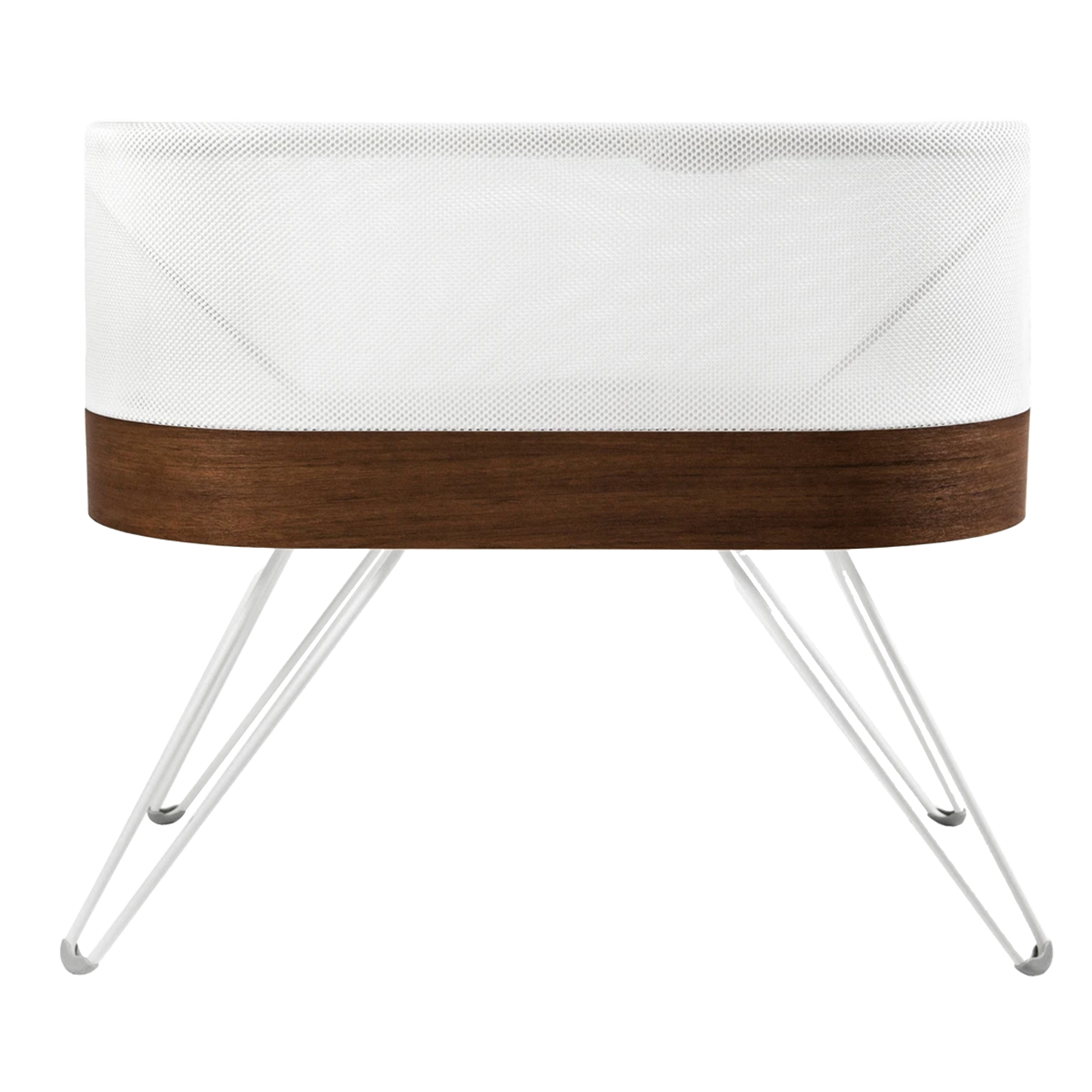
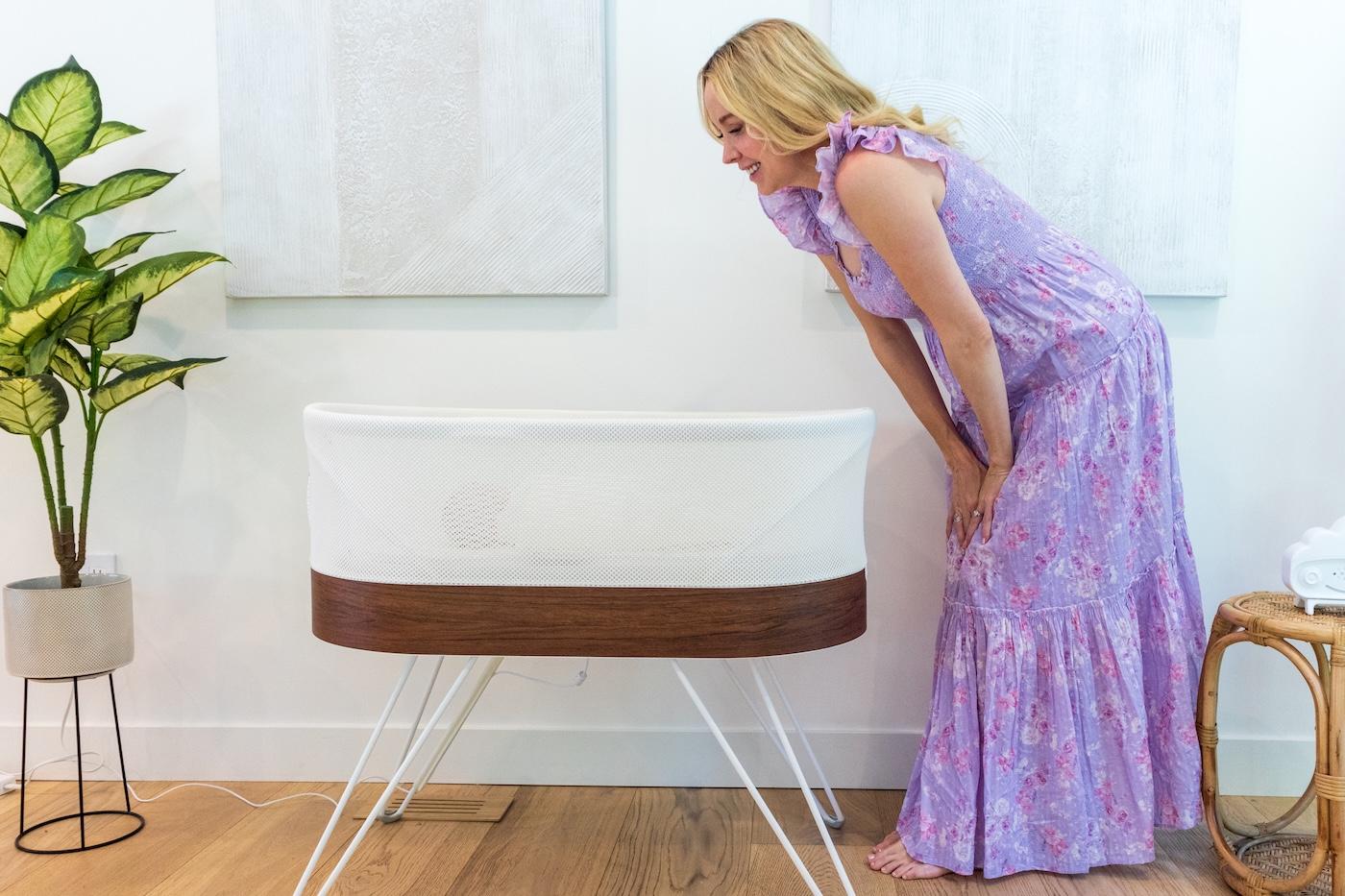
- Back to sleep, every sleep: Place your baby on their back for every nap and every night. Side-sleeping is just as risky as stomach-sleeping. (SNOO offers extra peace of mind here: It secures babies on their backs for all naps and nights, and it's the first bassinet to receive FDA De Novo authorization for doing so. For important safety information, visit happiestbaby.com/fda.)
- Firm, flat surface: Use a crib, bassinet, or play yard that meets CPSC standards. Any surface inclined more than 10 degrees isn't safe for sleep. If your baby dozes off in a car seat, swing, or carrier, move them to a flat sleep space as soon as you can.
- Room-share, don't bed-share: Keep your baby's sleep space in your room for at least the first six months—the AAP says this can lower SIDS risk by as much as 50%. But avoid bed-sharing, and never fall asleep with your baby on a couch or armchair, where the risk of sleep-related death is up to 67 times higher.
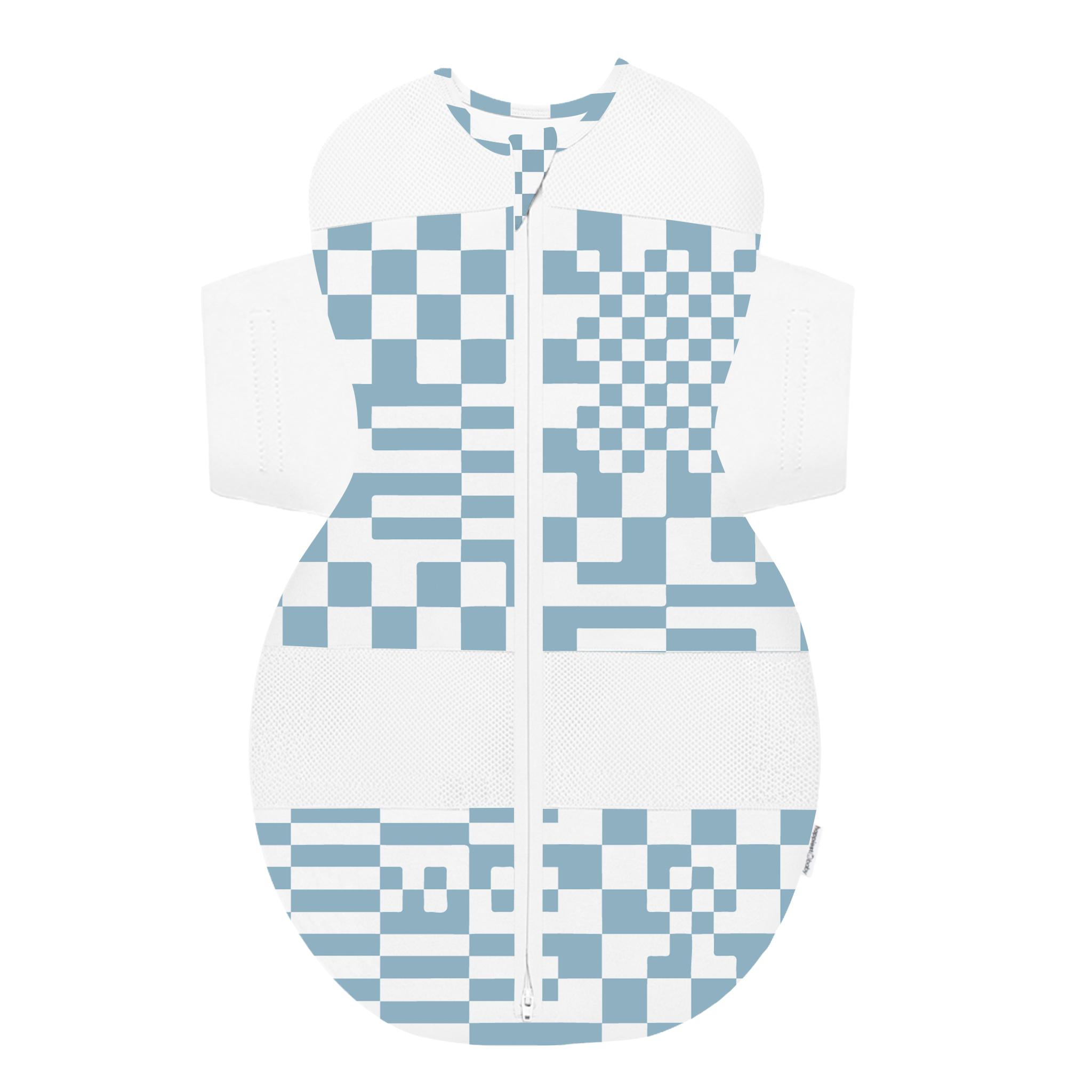
- Keep the sleep space bare: Use a fitted sheet only—no pillows, blankets, bumpers, or toys. Skip weighted blankets, sleepers, and swaddles, too.
- Prevent overheating: Dress your baby in no more than one layer more than you're wearing, skip hats indoors, and check for sweating, flushed skin, or a hot chest.
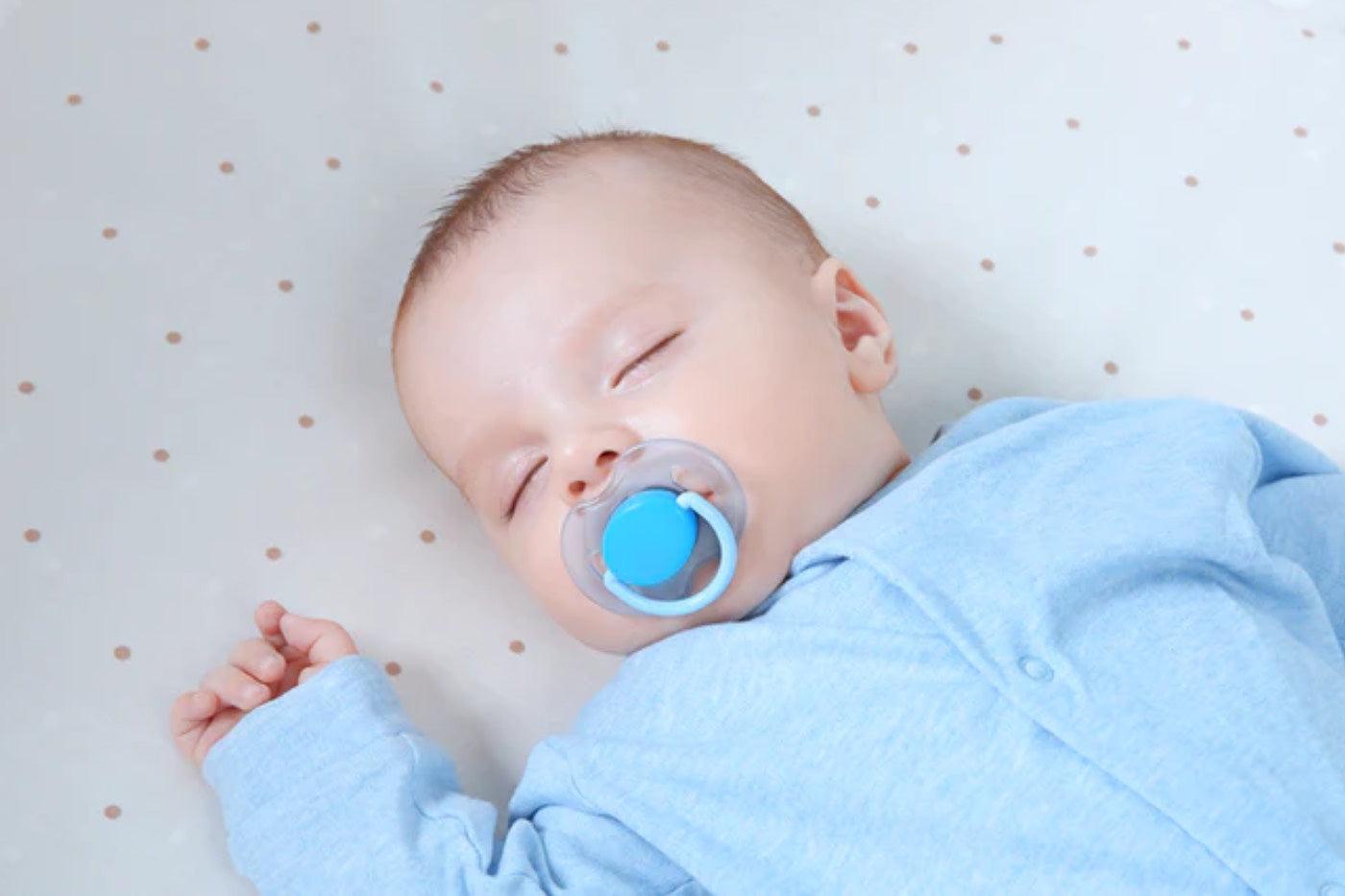
- Add extra layers of protection: Feeding breastmilk, offering a pacifier at naps and bedtime, getting regular prenatal care, keeping your home smoke- and vape-free, and staying current on vaccines are all linked to a lower SIDS risk.
- Don't rely on monitors: There's no evidence that home cardiorespiratory monitors or wearable wellness devices reduce SIDS risk, so they're never a substitute for safe sleep practices.
What This Means for Parents
The research is clear on what keeps babies safe. The challenge is doing it every single time—especially when you're exhausted. A few ways to make it easier:
- Get everyone on the same page: Share the rules with grandparents, sitters, and childcare providers. (Here's how to talk to caregivers about safe sleep.)
- Plan for tired moments: If there's any chance you'll fall asleep while feeding in bed, remove pillows and blankets first—and move your baby back to their own sleep space as soon as you wake.
- Check before you buy or borrow: Look up secondhand or online baby gear on the CPSC's recall site before using it.
- Ask for help: If you can't afford a crib or bassinet, your local social services agency can connect you with low-cost or free options. And talk to your pediatrician about any product or practice you're unsure about.
The Bottom Line
Safe sleep in 2026 is a story of stalled progress: SUID rates have barely budged in 25 years, disparities are growing, and unsafe products keep finding their way into homes. But the newest CDC data also show something hopeful—the vast majority of these deaths involve risks parents can control. Placing your baby on their back, alone, on a firm, flat surface with nothing else in the sleep space remains one of the most powerful things you can do.
More on sleep safety:
- Safe Sleep for Babies: What Parents Need to Know
- Sleepytime Products to Keep Out of Baby's Crib
- Is Bed-Sharing or Co-Sleeping With a Newborn Safe?
***
REFERENCES- Characteristics of Sudden Unexpected Infant Deaths—United States, 2020–2024, Morbidity and Mortality Weekly Report, Sep 2026
- Centers for Disease Control and Prevention: Data and Statistics for SUID and SIDS
- Centers for Disease Control and Prevention: Trends in SUID Rates by Cause of Death, 1990–2024
- Centers for Disease Control and Prevention: SUID Rates by Race and Ethnicity, 2018–2023
- Sleep-Related Infant Deaths: Updated 2022 Recommendations for Reducing Infant Deaths in the Sleep Environment, Pediatrics, Jun 2022
- American Academy of Pediatrics: How to Keep Your Sleeping Baby Safe: AAP Policy Explained
- U.S. Consumer Product Safety Commission: CPSC Approves New Federal Safety Standard for Nursing Pillows to Prevent Infant Deaths and Serious Injuries
- U.S. Consumer Product Safety Commission: CPSC Warns Consumers to Stop Using CooCooBaby Baby Loungers Immediately
Disclaimer: The information on our site is NOT medical advice for any specific person or condition. It is only meant as general information. If you have any medical questions and concerns about your child or yourself, please contact your health provider.
SHARE THIS ARTICLE
MOST LOVED
Sleepytime Sidekicks