TODDLER
Bad Chemicals: Are Rubber Ducks Safe?
Make sure your baby's toys are child safe with our quick guide!

Written by
Dr. Harvey Karp
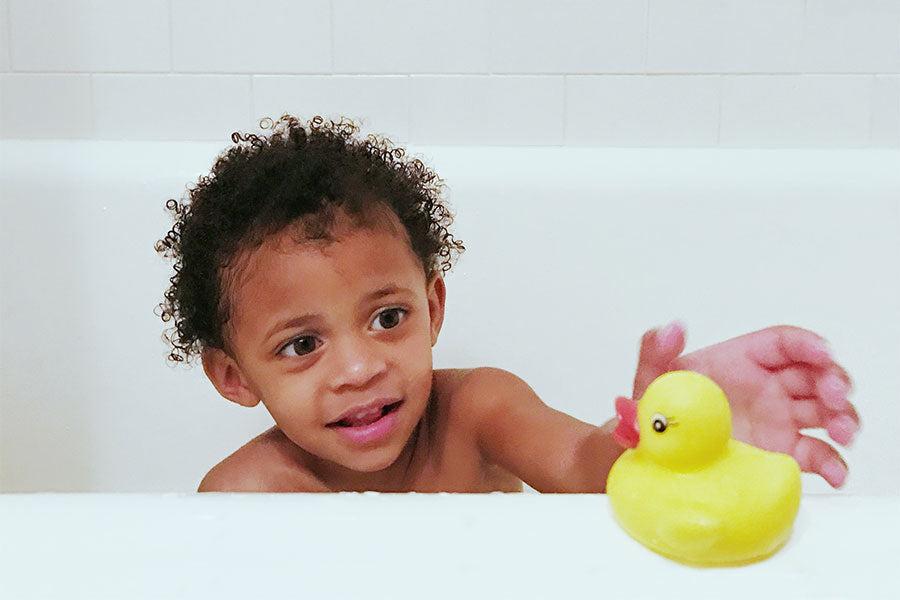
Rubber duck toys are great…unless they’re the kind that are loaded with chemicals called phthalates. These softening agents can make up to 20-50% of the plastic in toys your child loves to mouth. The trouble is, these chemicals are unhealthy to ingest and don’t stay in the toy’s plastic. They get chewed and sucked right out, just like the flavoring of bubble gum. The vast majority of chemicals used in consumer products have never been tested for their effects on human health. In a court of law, suspected criminals are innocent until proven guilty. When it comes to protecting our children, the opposite standard should apply. Chemicals should be guilty until proven innocent. And when it comes to phthalates, innocence is far from established.
Are rubber ducks toxic?
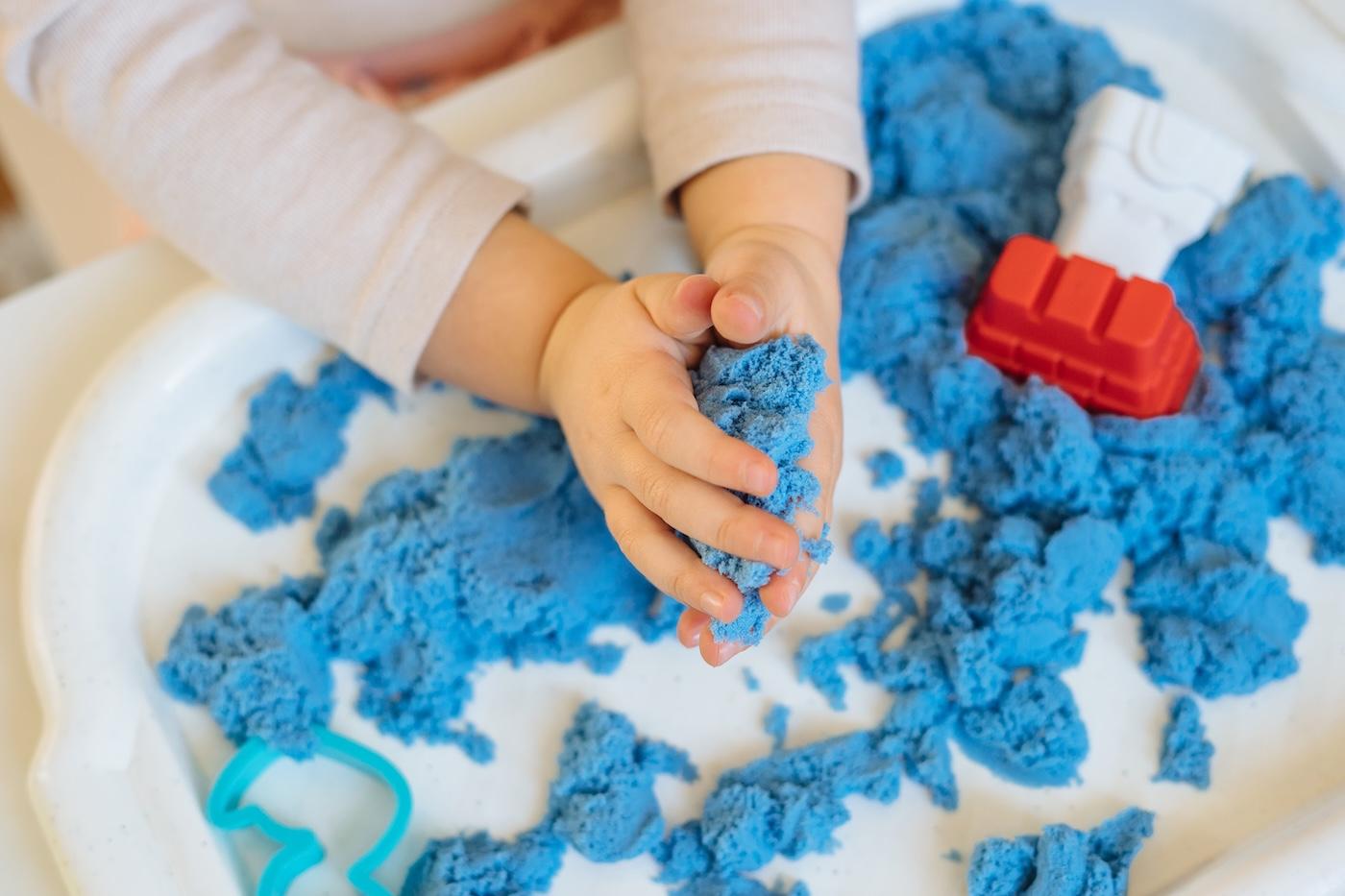
Phthalates are a family of chemicals that are put into your child’s toys, teething rings, and rattles to make them soft and pliable. Phthalates pose a health risk to our children who are especially vulnerable to the threats from chemicals. Kids’ bodies are less able to detoxify dangerous chemicals. Their curiosity makes them put everything in their mouths, virtually guaranteeing exposure to phthalates.
And as their brains and organs develop, they pass through delicate windows of vulnerability when even tiny doses of these toxic chemicals can have extra-harmful effects. Study after study has shown that miniscule doses of phthalates—doses that previously were thought to be safe—can potentially disrupt the hormonal balance of developing fetuses and children, causing serious life-long impacts. Phthalates have been linked to early puberty in girls, reproductive problems, abnormalities of the penis, impaired sperm, liver and thyroid damage, and testicular cancer. In fact, the state of California has already designated several types of phthalates as reproductive and developmental toxicants.
The timing of the exposure to these hormone-twisting chemicals during early stages of development matters as much, if not more, than the dose. Unfortunately, studies from the U.S. Centers for Disease Control show that 100% of children already have unhealthy levels of phthalates in their bodies. The good news is that there are safe, economical replacements for these chemicals.
At least 14 countries and the European Union have already banned or restricted the use of phthalates in children’s products. In the United States, several of the leading manufacturers of children’s toys have restricted the use of phthalates over the last few years as a result of new research confirming health concerns. However, the vast majority of children’s products currently available in the U.S. still contain phthalates. With available alternatives, why are toy companies unnecessarily exposing our children to toxic chemicals? Because current law allows them to do so.
Now, after a decade of worrisome research and foot dragging by the chemical industry, California is poised to give the same protection to our kids as those living abroad. The California Legislature passed Assembly Bill 1108 (Fiona Ma-San Francisco), which would ban phthalates from children’s toys, teethers, and feeding products. It is a modest but important step to protect our children. The bill is now on the Governor’s desk, and all he needs to do to protect our kids is to sign it.
Unfortunately, the chemical lobbyists are putting enormous pressure on the Governor to delay, postpone, and veto this legislation. Yet ask any parent and their perspective is clear: if a chemical is toxic, it simply doesn’t belong in a teether or toy. Period. As California goes, so goes the rest of the country. In 2003, California banned two toxic flame retardants known to cause developmental and learning disabilities. Immediately after this ban passed, chemical companies announced their decision to stop the production and sale of the chemical nationwide. Toy makers have already said that if AB 1108 becomes law, they will reformulate all of the toys they sell, not just in California but for all of the products they sell nationwide.
So...are rubber ducks safe?
California must continue to lead the nation in passing protective environmental health policies. We must not play games with our children’s health. Urge the Governor to fight with us against the unnecessary toxic chemical exposures our kids face. Please add your voice to the chorus of parents asking him to ban phthalates from children’s products including the favorite rubber duck toy.
In good health,
![[object Object]](https://cdn.sanity.io/images/301lhh0a/production/e0230fa93fc8db85c31998217653f5dfa3edcd7b-240x153.jpg?w=640&auto=format&q=75&fit=max)
Disclaimer: The information on our site is NOT medical advice for any specific person or condition. It is only meant as general information. If you have any medical questions and concerns about your child or yourself, please contact your health provider.





SHARE THIS ARTICLE
MOST LOVED
Sleepytime Sidekicks