PREGNANCY
Is Spirulina Safe During Pregnancy?
Spirulina is one of the most nutrient-dense foods on the planet—but is it okay to take while expecting?

Written by
Happiest Baby Staff
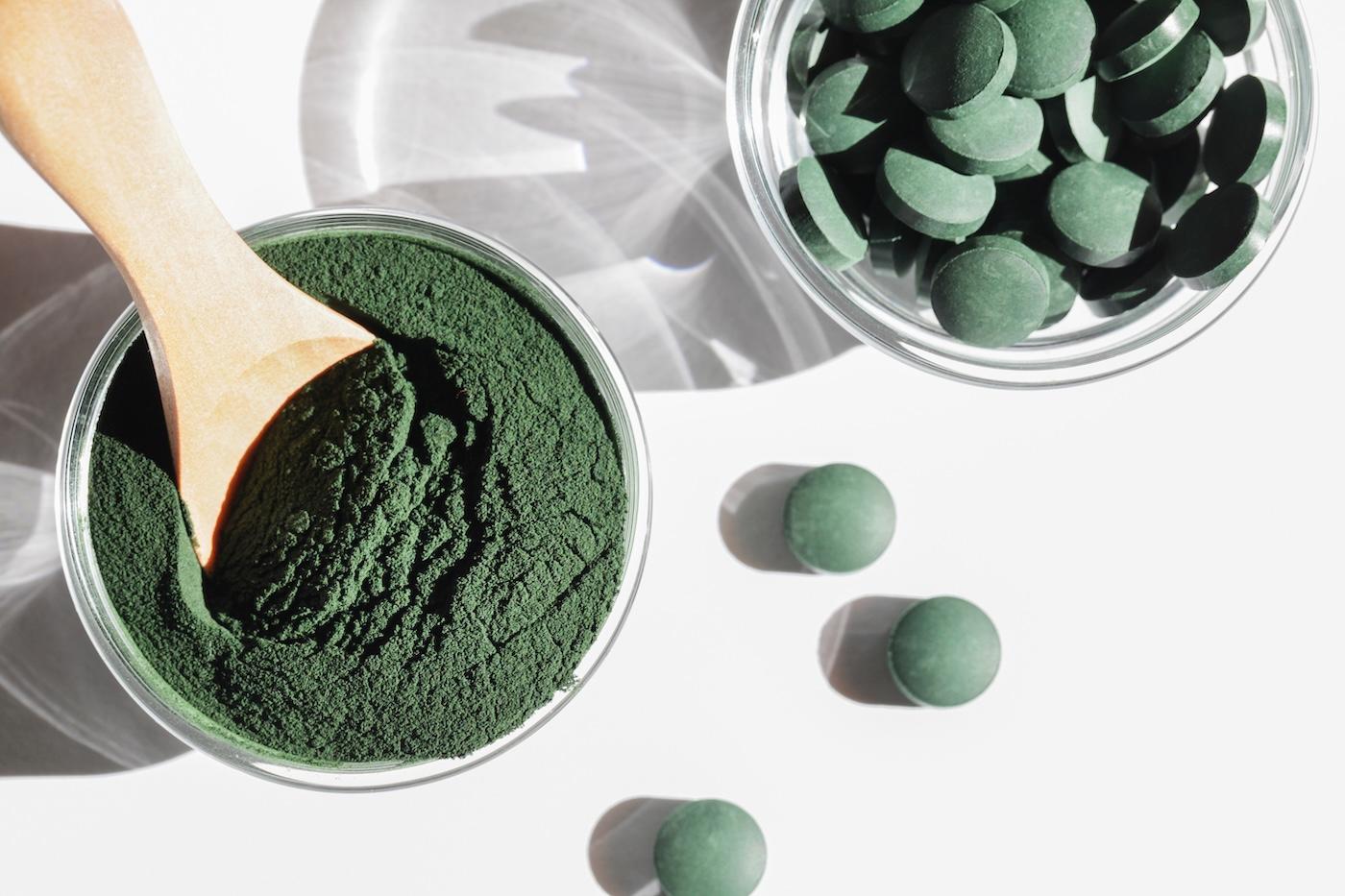
Spirulina—the vivid blue-green powder blended into smoothies, wellness shots, and superfood bowls—is one of the most nutrient-dense foods on the planet. It's rich in protein, iron, and antioxidants, which has earned it a devoted wellness following. But if you're pregnant, the question isn't whether spirulina is nutritious. It's whether it's safe for you and your baby right now.
Is spirulina safe to take while pregnant?
Spirulina (Arthrospira platensis) is a type of cyanobacterium—a microscopic blue-green alga—that has been consumed as a food for centuries and is widely sold today as a dietary supplement in powder, capsule, and tablet form. It's generally considered to be safe for healthy adults, but pregnancy, of course, brings an extra layer of caution.
Spirulina may be safe during pregnancy when it comes from a rigorously tested, third-party-certified source—but it carries meaningful contamination risks that make product quality non-negotiable. And because many dietary supplements have never been tested in pregnant people, the FDA does not approve supplements for safety or effectiveness before they hit shelves. That means the most important step you can take is talking with your OB/GYN or midwife before adding spirulina to your routine.
The core concern isn't spirulina itself, it's what spirulina can bring along with it. Spirulina is often cultivated in open ponds or natural lakes, where it can be contaminated by other toxin-producing cyanobacteria, heavy metals, and bacteria. Research analyzing commercially available spirulina products found that all of the tested samples contained microcystins—liver toxins produced by cyanobacterial contaminants—at levels that could contribute significantly to, or even exceed, recommended safe intake limits. A separate analysis of 25 commercial spirulina products from multiple countries found measurable concentrations of heavy metals including lead, cadmium, arsenic, and mercury in a number of samples.
Because the FDA does not require dietary supplements to be proven safe or effective before they're sold, and because pregnancy-specific safety data on spirulina supplementation is extremely limited, caution is warranted. The NIH Office of Dietary Supplements recommends talking with a healthcare provider before using any dietary supplement during pregnancy—and spirulina is no exception.
If you've already been taking spirulina and are now pregnant, don't panic—but do reach out to your provider with the brand and dose so they can help you assess the risk.
Potential Benefits of Taking Spirulina During Pregnancy
When spirulina is free of contamination and used in moderation, it does have a genuinely impressive nutritional profile. Here's what the research suggests about its potential benefits—keeping in mind that most studies have been conducted in non-pregnant adults or in developing-country contexts of significant nutritional deficiency:
- Rich in iron: Spirulina is a notable source of bioavailable iron. Preliminary research and small clinical trials suggest spirulina supplementation may help improve hemoglobin levels in pregnant people with iron-deficiency anemia, though high-quality randomized trials in diverse populations are still needed. Iron is a critical nutrient during pregnancy—demand increases significantly to support fetal growth and the expansion of maternal blood volume.
- High-quality plant protein: Protein makes up roughly 55 to 70% of spirulina's dry weight, and its amino acid profile is considered high biological value. That said, even a tablespoon of spirulina powder provides only a small fraction of the 71 to 100 grams of protein per day recommended during pregnancy, so think of it as a supplement to whole-food protein sources, not a replacement.
- Antioxidant and anti-inflammatory properties: Spirulina's primary active compound, phycocyanin, has well-documented antioxidant properties. While this is promising, studies in pregnant people specifically are lacking, so it's difficult to draw direct conclusions about benefits during pregnancy.
- Nutrient density: Beyond iron and protein, spirulina contains B vitamins, beta-carotene, calcium, magnesium, and other minerals. One important note: despite what some supplement labels claim, spirulina is not a reliable source of active vitamin B12—it contains a form called pseudovitamin B12 that is biologically inactive in humans.
Risks or Considerations
- Contamination risk: Spirulina grown in open ponds can be contaminated with microcystins (liver toxins), heavy metals like lead and arsenic, and harmful bacteria. Studies have found microcystin contamination in commercially sold spirulina products, and heavy metal contamination has been documented in products from multiple countries. During pregnancy, fetal exposure to heavy metals and hepatotoxins carries particular concern.
- No FDA premarket approval: Dietary supplements in the U.S. are not required to be approved for safety or effectiveness before they go to market. Manufacturers are responsible for the safety of their own products, and quality control varies enormously between brands.
- Limited pregnancy-specific research: While spirulina has been studied in non-pregnant adults and in some small trials in malnourished pregnant populations, there are no large, rigorous clinical trials establishing the safety or optimal dosing of spirulina supplementation during pregnancy.
- Digestive side effects: Spirulina can cause nausea, stomach cramps, or diarrhea in some people—particularly uncomfortable if you're already navigating morning sickness.
- Possible allergic reaction: Allergic reactions to spirulina are rare but possible, especially for people with sensitivities to algae or seafood.
- Drug interactions: Spirulina may interact with immunosuppressant medications or blood thinners. Talk with your provider if you take any prescription medications.
How to Safely Take Spirulina While Pregnant
If your OB/GYN or midwife gives you the green light, here's how to minimize risk:
- Choose third-party certified brands: Look for products with independent certifications from organizations like NSF International, USP (U.S. Pharmacopeia), or Informed Sport/Informed Choice. These programs test supplements for purity, potency, and the absence of contaminants.
- Avoid unverified or bulk sources: Spirulina sold without clear labeling, from farmers markets, or in bulk bins without third-party testing should be avoided during pregnancy.
- Start small: Begin with a small amount to assess your body's response before increasing your intake.
- Read the ingredient list carefully: Some spirulina products contain added herbs, adaptogens, or stimulants that may not be safe during pregnancy.
- Keep your prenatal vitamin front and center: Spirulina is a supplement—not a substitute for a quality prenatal vitamin and a balanced diet.
When to Avoid Spirulina
- If the product does not have verifiable third-party testing for heavy metals and microcystins.
- If you have phenylketonuria (PKU)—spirulina is a high-protein food that contains phenylalanine, and people with PKU must strictly limit phenylalanine intake, especially during pregnancy.
- If you have thyroid concerns, know that spirulina contains iodine, and some individuals with thyroid conditions need to monitor iodine intake carefully.
- If you experience digestive upset, nausea, or any unusual symptoms after taking it.
- If your healthcare provider has advised against supplements with contamination risk.
- If you have not yet spoken with your OB/GYN or midwife.
Bottom Line
Spirulina can be a nutrient-dense addition to a healthy diet, but during pregnancy, its contamination risks demand caution. Unregulated spirulina can contain microcystins and heavy metals that pose potential risks to you and your developing baby. If you'd like to use spirulina during pregnancy, the most important steps are: Talk with your healthcare provider, choose only products with third-party contamination testing, and start with a small amount. As with any dietary supplement during pregnancy, no supplement replaces a well-rounded prenatal diet.
More on Nutrition & Supplements During Pregnancy:
- Smoothie Add-Ins for a Healthier Pregnancy
- The Nutrients You Need When Pregnant
- Is Marine Collagen Safe During Pregnancy?
- Is Maca Safe During Pregnancy?
Disclaimer: The information on our site is NOT medical advice for any specific person or condition. It is only meant as general information. If you have any medical questions and concerns about your child or yourself, please contact your health provider.





SHARE THIS ARTICLE
MOST LOVED
Sleepytime Sidekicks