PREGNANCY
Is Marine Collagen Safe During Pregnancy?
Find out if this ocean-sourced supplement is safe for pregnancy.

Written by
Happiest Baby Staff
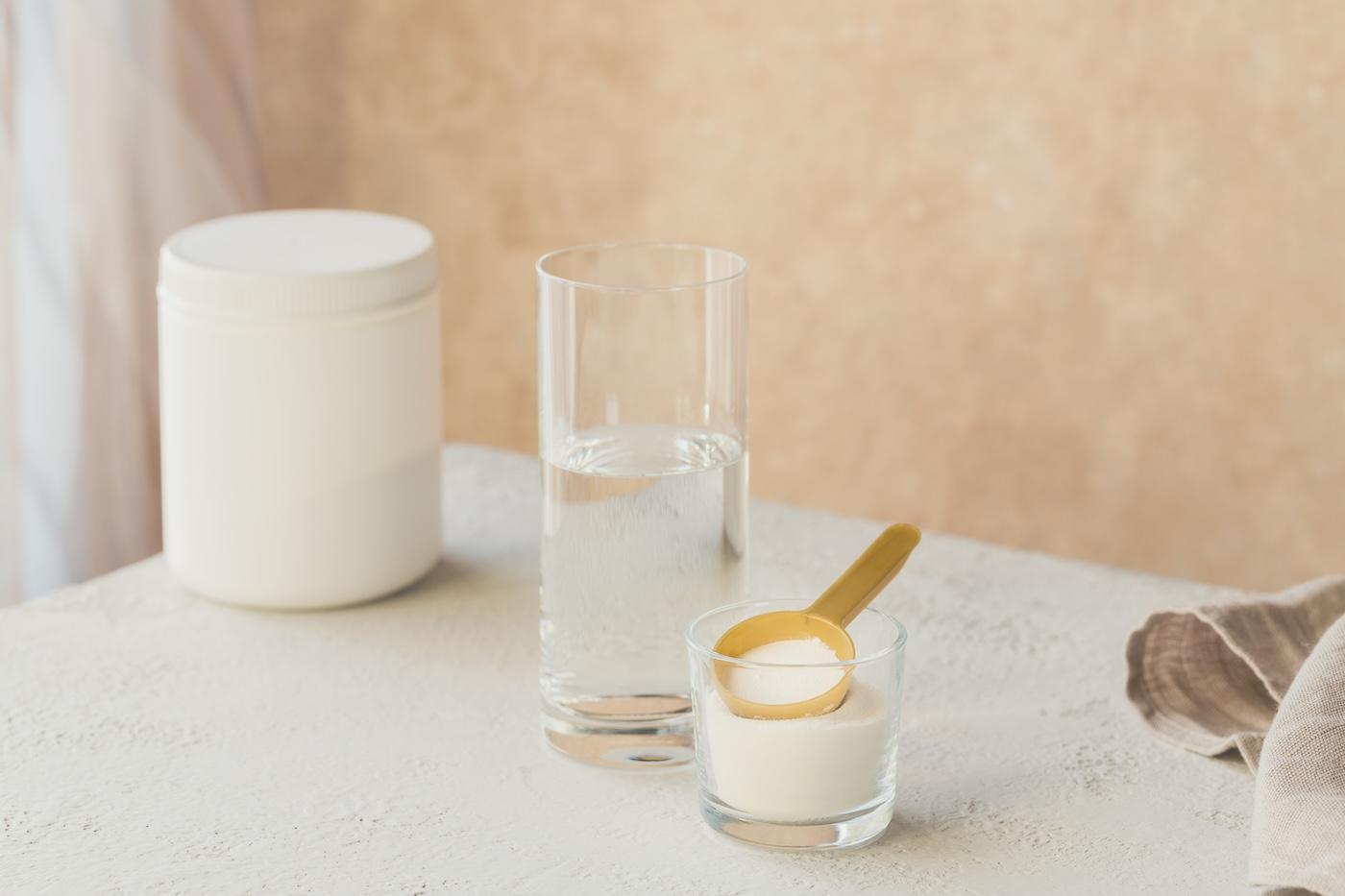
Marine collagen—derived from fish skin, scales, and bones—has become a go-to supplement for folks looking to support their skin, joints, and overall wellness. It's often praised for its high bioavailability, meaning your body may absorb it more easily than some other collagen sources. But if you're pregnant, you're probably wondering: Is marine collagen actually safe to take?
While there isn't evidence that marine collagen is harmful during pregnancy, there also isn't a lot of pregnancy-specific research that confirms it's definitively safe, either. So, if you're considering marine collagen, treat it like any other dietary supplement: Talk with your prenatal care provider first, use only products from reputable manufacturers, and prioritize meeting your nutrition needs from food!
Is marine collagen safe to take while pregnant?
Collagen peptides—including those from marine sources—are regulated in the U.S. as dietary supplements or foods, not as drugs, so they generally do not undergo FDA premarket approval for safety or effectiveness. Many supplements have not been tested in pregnant people, which is why major health authorities recommend talking with a healthcare provider before using them in pregnancy.
That said, marine collagen is a hydrolyzed protein, meaning it's broken down into small peptides that are easy to digest. A 24-month animal safety study on marine collagen peptides from salmon skin found no toxic effects at any dosage tested—but of course, animal studies don't automatically translate to pregnant humans. So, while there aren't big red flags, the research gap means it's wise to loop in your OB/GYN before adding marine collagen to your routine.
Benefits of Taking Marine Collagen During Pregnancy
- Protein support: Marine collagen provides protein and amino acids like glycine, proline, and hydroxyproline—just keep in mind that collagen is an incomplete protein (it lacks the indispensable amino acid tryptophan), so don't count on it as your primary protein source. Prioritize protein-rich whole foods first!
- Skin hydration and elasticity: Studies suggest that hydrolyzed collagen supplementation can improve skin hydration and elasticity in non-pregnant adults, and one randomized, triple-blind, placebo-controlled trial specifically using marine collagen found a significant reduction in wrinkles after 12 weeks. However, these studies were not conducted in pregnant people, and they don't prove that marine collagen prevents or reduces pregnancy stretch marks.
- Joint and connective tissue support: Research indicates that collagen peptides may help maintain connective tissue comfort as the body changes—but the same note applies here, too: Most studies were in non-pregnant adults, so take the results with a grain of salt!
- High bioavailability: Marine collagen peptides may have higher intestinal absorption compared with collagen from some other sources, thanks to their smaller peptide size and lower molecular weight. That means your body may put them to use more efficiently.
- Easy to incorporate: Marine collagen powder typically dissolves well into hot or cold drinks—even if you're experiencing morning sickness or food aversions!
Risks or Considerations
- Supplement quality varies: Dietary supplements are not required to be FDA-approved for safety and effectiveness before sale, and product quality and label accuracy can vary. A 2025 study analyzing marine collagen supplements for toxic metals found that while none of the tested products exceeded EU regulatory limits, there was significant variability between brands—making it important to choose wisely.
- Fish allergy: This one is non-negotiable—if you have a known fish allergy, steer clear of marine collagen! Marine collagen is typically derived from fish skin and scales, so it can trigger allergic reactions in people with fish sensitivities. Stop use immediately and seek medical care if you develop symptoms of an allergic reaction.
- Limited pregnancy-specific data: Many dietary supplements haven't been studied in pregnant people, and marine collagen is no exception.
- Additives: Flavored marine collagen products may include added sugars, sweeteners, or extra botanicals and ingredients, so read labels carefully.
How to Safely Take Marine Collagen While Pregnant
- Look for credible third-party certification and testing programs. For example, NSF reviews labels and tests for contaminants, and their Certified for Sport program includes additional screening for banned substances. Informed Choice is another testing and quality assurance program that states certified products are regularly tested to minimize the risk of contamination.
- If a product claims third-party certification, verify it directly on the certifier's website or directory (don't rely only on marketing language).
- Look for single-ingredient marine collagen without unnecessary additives or proprietary blends.
- Use the labeled serving size unless your clinician advises otherwise.
- Mix into balanced meals or drinks rather than using it as your primary protein source.
- Avoid products that don't disclose the fish species used or provide transparency about sourcing.
When to Avoid Marine Collagen
- If you have a known fish allergy or sensitivity.
- If the product lacks third-party testing or transparency about its ingredients.
- If you experience digestive upset after taking it.
- If your healthcare provider has recommended avoiding supplements due to medical conditions.
Bottom Line
Marine collagen supplements are not proven unsafe in pregnancy, but they also aren't well studied in pregnant populations. If you want to use marine collagen, discuss it with your prenatal care provider first, and choose a product with credible third-party certification, a simple ingredient list, and transparent sourcing. And remember: Supplements should complement a healthy diet—not replace it!
More on Safe Pregnancy Self-Care:
- Pregnancy Skincare: What Ingredients Are Safe?
- Pregnancy-Safe Hair Care
- Are Collagen Peptides Safe During Pregnancy?
- Is Bovine Collagen Safe During Pregnancy?
***
REFERENCES- A Randomized, Triple-Blind, Placebo-Controlled, Parallel Study to Evaluate the Efficacy of a Freshwater Marine Collagen on Skin Wrinkles and Elasticity, Journal of Cosmetic Dermatology, Mar 2021
- National Center for Complementary and Integrative Health: Using Dietary Supplements Wisely
- U.S. Food and Drug Administration: Information for Consumers on Using Dietary Supplements
- U.S. Food and Drug Administration: Medicine and Pregnancy
- National Institutes of Health Office of Dietary Supplements: Frequently Asked Questions (FAQ)
- A Chronic Oral Toxicity Study of Marine Collagen Peptides Preparation from Chum Salmon Skin Using Sprague-Dawley Rat, Marine Drugs, Feb 2012
- Significant Amounts of Functional Collagen Peptides Can Be Incorporated in the Diet While Maintaining Indispensable Amino Acid Balance, Nutrients, May 2019
- U.S. Food and Drug Administration: Dietary Guidelines for Americans
- Effects of Oral Collagen for Skin Anti-Aging: A Systematic Review and Meta-Analysis, Nutrients, Apr 2023
- Collagen Supplementation for Joint Health: The Link between Composition and Scientific Knowledge, Nutrients, Mar 2023
- Oral Intake of Low-Molecular-Weight Collagen Peptide Improves Hydration, Elasticity, and Wrinkling in Human Skin: A Randomized, Double-Blind, Placebo-Controlled Study, Nutrients, July 2018
- Hydrolyzed Marine Collagen: Emerging Evidence of Benefits via the Oral Route, Clinical, Cosmetic and Investigational Dermatology, Dec 2025
- Toxic Metals and Metalloids in Collagen Supplements of Fish and Jellyfish Origin: Risk Assessment for Daily Intake, Open Medicine, Apr 2025
- U.S. Food and Drug Administration: Questions and Answers on Dietary Supplements
Disclaimer: The information on our site is NOT medical advice for any specific person or condition. It is only meant as general information. If you have any medical questions and concerns about your child or yourself, please contact your health provider.






SHARE THIS ARTICLE
MOST LOVED
Sleepytime Sidekicks