PREGNANCY
Are Persian Cucumbers Safe to Eat During Pregnancy?
Craving something crisp? These little cukes could be the cure.

Written by
Happiest Baby Staff
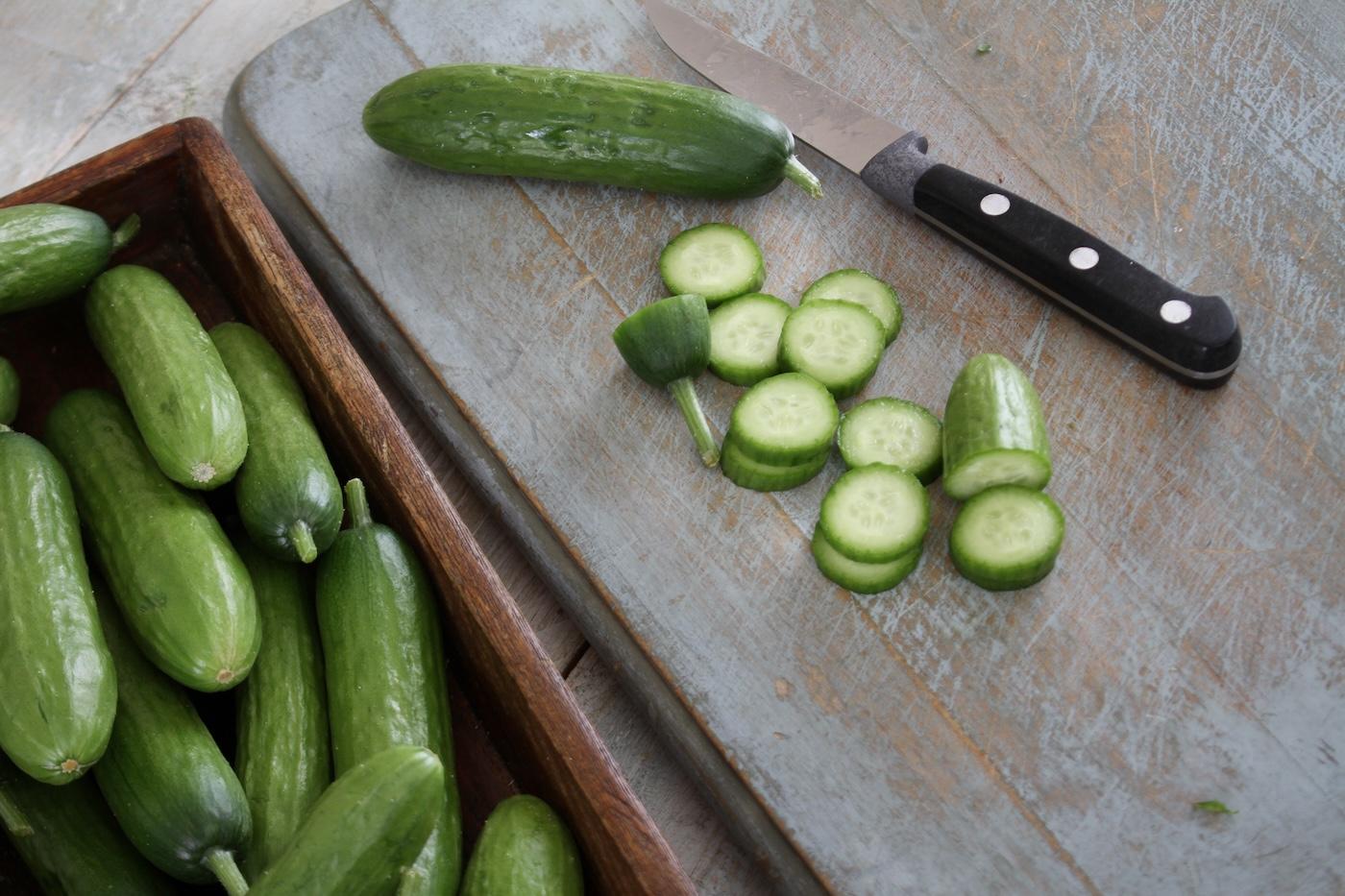
Crisp, mild, and endlessly snackable, Persian cucumbers are a pregnancy-friendly pick when they're washed well and handled with a little food-safety know-how.
Is it safe to eat Persian cucumbers while pregnant?
Yes, you can eat Persian cucumbers during pregnancy. There's no recommendation from any major health organization to avoid cucumbers while expecting—the main safety issue isn't the cucumber itself, but the germs that can hitch a ride on any raw produce. Pregnant people are more vulnerable to foodborne illnesses like Listeria infection, which is why the CDC advises pregnant people to choose washed vegetables and fruits over unwashed produce as a safer food choice. Because Persian cucumbers are typically eaten raw and unpeeled, giving them a good scrub under running water is the single most important step before you bite in.
Benefits of Eating Persian Cucumbers During Pregnancy
- Pregnancy hydration: Cucumbers are mostly water, which can help you toward the 8 to 12 cups of fluid ACOG recommends daily during pregnancy.
- Digestive support: Cucumbers contribute a small amount of fiber, which—alongside fluids—can help ease pregnancy constipation.
- Vitamin K: Cucumber skin is a source of vitamin K, a nutrient involved in normal blood clotting.
- Potassium: Cucumbers offer a bit of potassium, an electrolyte that supports muscle and nerve function.
- Easy to tolerate: Their mild flavor and high water content can make cucumbers an appealing, gentle snack if nausea has you off other foods.
- Versatile: Persian cucumbers work well sliced into salads, dipped in hummus, added to infused water, or eaten straight as a low-calorie snack.
Risks or Considerations
- Foodborne illness: Raw vegetables can become contaminated with bacteria like Listeria, Salmonella, or the parasite Toxoplasma from soil, water, or handling. The FDA notes that pregnant people are among the groups more vulnerable to foodborne illness, and the agency's guidance for parents-to-be flags unwashed produce as a risk for Toxoplasma specifically.
- Pesticide residue: Like most conventionally grown produce, cucumbers may carry small amounts of pesticide residue on the skin. Thorough washing (and peeling, if you prefer) reduces—though doesn't eliminate—this.
- Wax coatings: Some store-bought cucumbers, including Persian varieties, are coated in a thin, food-grade wax to preserve freshness. It's considered safe to eat, but you can peel the cucumber if you'd rather avoid it.
- Digestive sensitivity: Cucumbers are generally easy to digest, but a few people notice bloating or gas, particularly in larger amounts.
- Spoilage: Cucumbers soften and spoil quickly once cut, bruised, or left at room temperature too long, which can increase bacterial growth.
How to Safely Eat Persian Cucumbers While Pregnant
- Scrub before eating: The FDA recommends scrubbing firm produce like cucumbers with a clean produce brush under running water—even if you plan to peel it, since dirt and bacteria on the surface can transfer to the flesh when you cut or peel.
- Skip the soap: Soap, detergent, and commercial produce washes aren't recommended; plain running water and a scrub brush do the job.
- Use clean tools: Wash your hands, cutting board, and knife before slicing to avoid cross-contamination from other foods.
- Refrigerate promptly: Store cucumbers in the fridge and eat within a few days; toss any that are soft, slimy, or leaking liquid.
- Peel if you prefer: Peeling removes wax coatings and reduces (though doesn't eliminate) surface pesticide residue and bacteria—just wash before peeling, too.
When to Avoid Persian Cucumbers
- If the cucumber is bruised, soft, moldy, or leaking moisture.
- If it can't be washed before eating (for example, at an unfamiliar salad bar or buffet with unclear handling practices).
- If you notice bloating or digestive discomfort after eating cucumbers.
- If your healthcare provider has advised limiting certain high-fiber or raw foods for a specific reason.
Bottom Line
Persian cucumbers are a safe, hydrating, nutrient-rich pregnancy snack—as long as they're washed thoroughly and handled with care. Scrub them under running water, store them properly, and toss anything that looks past its prime, and you can enjoy them fresh and crisp throughout your pregnancy. As always, check with your OB/GYN if you have specific questions about how cucumbers—or any food—fit into your pregnancy diet.
More on Food Safety During Pregnancy:
- Why Food Poisoning During Pregnancy Is Such Risky Business
- Straight Talk on Foods to Avoid in Pregnancy
- The Nutrients You Need While Pregnant
- Ease Morning Sickness—Naturally
***
REFERENCES- Centers for Disease Control and Prevention: Safer Food Choices for Pregnant Women
- American College of Obstetricians and Gynecologists: How Much Water Should I Drink During Pregnancy?
- National Institutes of Health Office of Dietary Supplements: Vitamin K Fact Sheet for Consumers
- National Institutes of Health Office of Dietary Supplements: Potassium Fact Sheet for Consumers
- U.S. Food and Drug Administration: Selecting and Serving Produce Safely
- U.S. Food and Drug Administration: Fruits, Veggies and Juices (Food Safety for Moms-to-Be)
Disclaimer: The information on our site is NOT medical advice for any specific person or condition. It is only meant as general information. If you have any medical questions and concerns about your child or yourself, please contact your health provider.





SHARE THIS ARTICLE
MOST LOVED
Sleepytime Sidekicks