PREGNANCY
Is Pumpkin Seed Oil Safe During Pregnancy?
Here’s what to know about the nutty oil.

Written by
Happiest Baby Staff
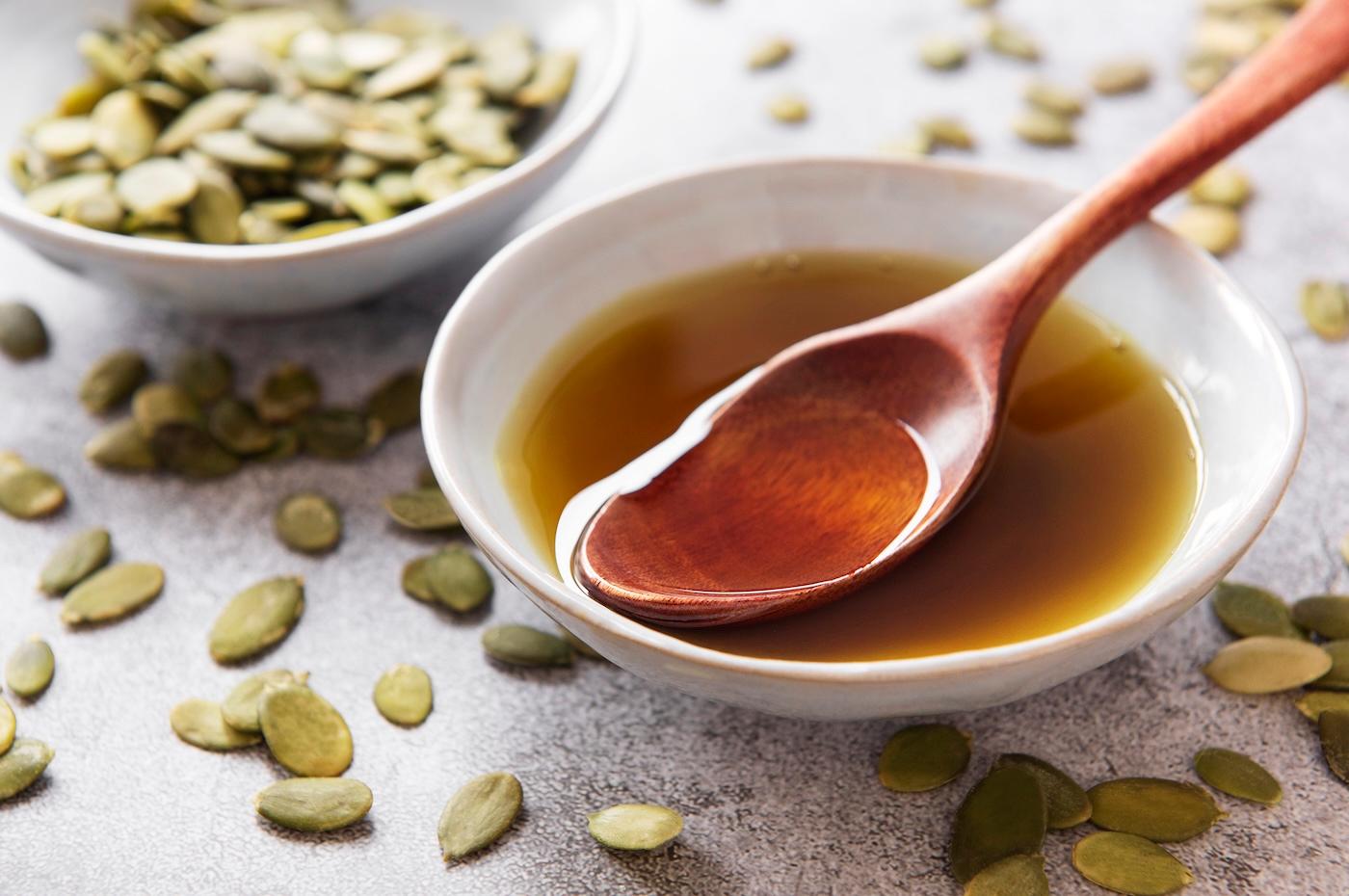
You're drizzling pumpkin seed oil over a grain bowl, or you spotted it in a farmers-market salad dressing—and now you're wondering: Is pumpkin seed oil safe during pregnancy?
Good news: This deep-green, nutty oil is generally considered safe to eat while pregnant, and it comes with a few noteworthy nutritional perks. Here's everything you need to know about enjoying pumpkin seed oil during pregnancy.
Is pumpkin seed oil safe during pregnancy?
Yes—pumpkin seed oil is considered safe during pregnancy when used as a culinary oil in food-appropriate amounts. Unlike some supplements or herbal extracts, pumpkin seed oil used as a food ingredient hasn't been flagged as concern.
It's worth distinguishing between culinary use (drizzling it over salads or finished dishes) and high-dose supplementation (concentrated capsules). The American College of Obstetricians and Gynecologists (ACOG) advises pregnant people to prioritize nutrients from whole foods and to discuss any supplements with their healthcare provider before starting them. For pumpkin seed oil used as a kitchen staple, that same principle applies: A reasonable drizzle over your roasted vegetables? Probably fine. Taking large-dose capsules marketed for specific health outcomes? Worth a conversation with your OB/GYN or midwife first.
As with any oil, moderation matters—pumpkin seed oil is calorie-dense, and excess fat intake from any source should be balanced within your overall pregnancy diet.
Nutritional Benefits of Pumpkin Seed Oil During Pregnancy
Pumpkin seed oil earns its place in a pregnancy-friendly pantry for a few reasons:
- Healthy unsaturated fats: Pumpkin seed oil is rich in polyunsaturated and monounsaturated fatty acids, including linoleic acid (omega-6). Healthy fats support fetal brain and nervous system development and help your body absorb fat-soluble vitamins—including folate-friendly partners like vitamins A, D, E, and K.
- Vitamin E: Pumpkin seed oil contains vitamin E, a fat-soluble antioxidant that helps protect cells from oxidative stress. During pregnancy, oxidative stress is a recognized factor in complications like preeclampsia, and vitamin E plays a supporting role in overall cellular health.
- Zinc: Pumpkin seeds—and their oil—are a source of zinc, a mineral that supports immune function, DNA synthesis, and fetal growth. Zinc needs increase during pregnancy. The NIH recommends getting 11 mg/day for pregnant people. While pumpkin seed oil provides smaller amounts of zinc than whole seeds, every bit from dietary sources counts.
- Magnesium: Pumpkin seeds are one of the richest food sources of magnesium, which supports muscle and nerve function, blood sugar regulation, and blood pressure—all particularly relevant during pregnancy.
- Iron: Pumpkin seeds contain non-heme iron, which supports red blood cell production. Iron needs nearly double during pregnancy (from 18 mg to 27 mg per day), making iron-containing foods a welcome addition to a pregnancy diet.
- Phytosterols and antioxidants: Research published in Evidence-Based Complementary and Alternative Medicine has noted that pumpkin seed oil contains phytosterols and antioxidant compounds, including tocopherols and carotenoids, which contribute to its anti-inflammatory profile.
Potential Risks and Considerations
Pumpkin seed oil is low-risk, but there are a few things to keep in mind:
- High calorie density: Oils are calorie-dense by nature. One tablespoon of pumpkin seed oil contains roughly 120 calories. This isn't a reason to avoid it, but it's worth being mindful of portions as part of your overall pregnancy nutrition plan.
- Rancidity: Because pumpkin seed oil is rich in polyunsaturated fats, it can oxidize and go rancid relatively quickly, especially when exposed to heat, light, or air. Rancid oils contain harmful free radicals and taste bitter or "off." Always store pumpkin seed oil in a cool, dark place and refrigerate after opening.
- Low smoke point: Pumpkin seed oil has a low smoke point (around 320°F), which means it's not well-suited for high-heat cooking. Heating it can degrade its beneficial compounds and produce harmful oxidation byproducts. Use it as a finishing oil—drizzled over dishes after cooking, not in the pan.
- Allergy risk: Seed allergies are uncommon but possible. If you have a known sensitivity to pumpkin seeds or other seeds, speak with your healthcare provider before using pumpkin seed oil.
- Supplement form vs. food form: Pumpkin seed oil supplements (capsules) are sometimes marketed for urinary tract health or hormonal support. The evidence base for these uses is limited, and concentrated supplement doses haven't been studied in pregnant populations. Stick to culinary use unless your provider says otherwise.
- Quality variability: Not all pumpkin seed oils are created equal. Artisanal, imported, or poorly stored oils may have inconsistent quality or contaminant risk. Look for cold-pressed, reputable brands with clear sourcing and an expiration date.
How to Safely Enjoy Pumpkin Seed Oil During Pregnancy
- Use it as a finishing oil: Drizzle over salads, grain bowls, soups, roasted vegetables, or hummus after cooking.
- Choose cold-pressed: Cold-pressed oils retain more nutrients and are less processed than refined versions.
- Store it properly: Keep it in a dark glass bottle, away from light and heat. Refrigerate after opening.
- Check for freshness: Pumpkin seed oil should have a rich, nutty aroma. If it smells bitter, sharp, or "painty," it's rancid—chuck it.
- Pair it with iron-rich foods: The vitamin C in citrus dressings can help boost absorption of non-heme iron from plant sources in your meal.
- Talk to your provider about supplements: If you're considering pumpkin seed oil capsules rather than culinary oil, loop in your OB/GYN or midwife first.
When to Skip Pumpkin Seed Oil During Pregnancy
Avoid pumpkin seed oil if:
- It smells or tastes rancid.
- You have a known seed or pumpkin allergy.
- Your healthcare provider has recommended limiting high-fat or high-calorie foods for a specific medical reason.
- You're considering high-dose supplementation without provider guidance.
The Bottom Line
Pumpkin seed oil is safe to enjoy during pregnancy as a culinary oil used in moderation. It offers a nice profile of healthy fats, vitamin E, zinc, magnesium, and antioxidants, making it a flavorful and nutritious addition to a well-rounded pregnancy diet. As with all things during pregnancy, quality matters. Choose cold-pressed oil from a reputable brand, store it properly, and use it as a finishing touch rather than a cooking fat. And if you're ever unsure about a specific product or supplement form, your healthcare provider is always your best resource.
More on Healthy Eating During Pregnancy:
- Healthy Pregnancy Meal Plans and Recipes
- Healthy Foods to Satisfy Pregnancy Cravings
- Must-Have Nutrients for Vegetarian Pregnancies
- The Nutrients You Need When Pregnant
***
REFERENCESAmerican College of Obstetricians and Gynecologists: Healthy Eating During PregnancyNational Institutes of Health, Office of Dietary Supplements: Omega-3 Fatty Acids—Health Professional Fact SheetNational Institutes of Health, Office of Dietary Supplements: Vitamin E—Health Professional Fact SheetNational Institutes of Health, Office of Dietary Supplements: Zinc—Health Professional Fact SheetNational Institutes of Health, Office of Dietary Supplements: Magnesium—Health Professional Fact SheetNational Institutes of Health, Office of Dietary Supplements: Iron—Health Professional Fact SheetPumpkin Seed Oil: An Alternative Medicine, International Journal of Pharmacognosy and Phytochemical Research, Dec 2017Disclaimer: The information on our site is NOT medical advice for any specific person or condition. It is only meant as general information. If you have any medical questions and concerns about your child or yourself, please contact your health provider.






SHARE THIS ARTICLE