PREGNANCY
Is Pitaya Safe During Pregnancy?
Learn about the benefits of this smoothie staple.

Written by
Happiest Baby Staff
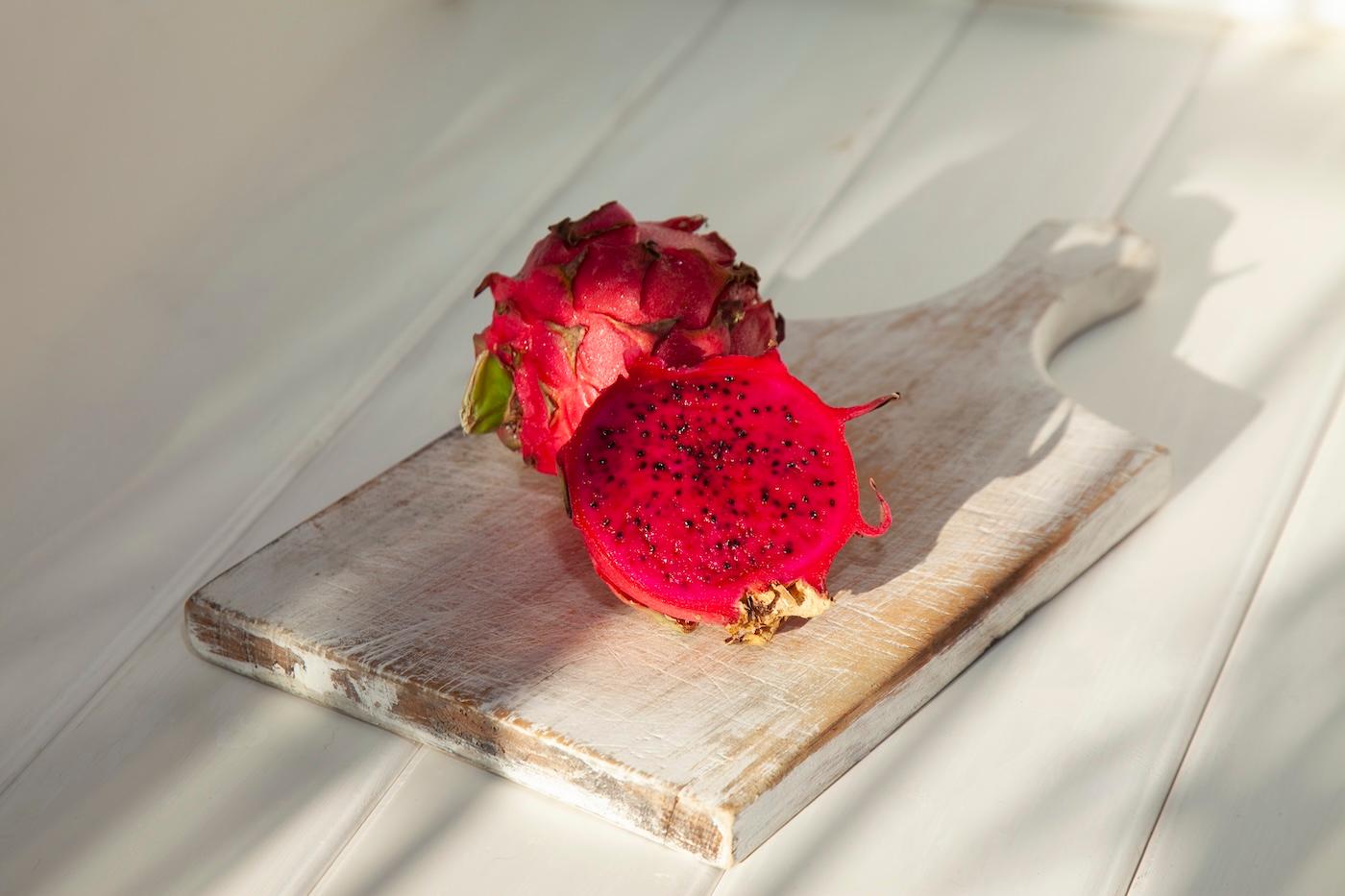
Pitaya (aka dragon fruit) has become a smoothie-bowl staple for good reason: It's vibrant, lightly sweet, packed with fiber and antioxidants, and refreshingly hydrating. But if you're pregnant and eyeing that pink-fleshed fruit at the grocery store, you might be wondering whether it belongs in your cart. Good news: Pitaya is considered safe to enjoy during pregnancy when it's washed well and eaten fresh. Like any raw produce, the main thing to watch for is proper handling—and, as always, a quick check-in with your healthcare provider if anything feels off.
Is pitaya safe to eat while pregnant?
Yes, pitaya is generally safe for pregnant people and can be a nutritious part of a balanced diet. The American College of Obstetricians and Gynecologists (ACOG) recommends filling half your plate with fruits and vegetables at mealtimes, and pitaya fits right in—it's rich in vitamin C, fiber, and plant compounds called antioxidants.
The main safety consideration with pitaya isn't the fruit itself, it's how it's handled before it lands on your plate. Because the CDC reports that pregnant people are about 10 times more likely to get a Listeria infection than the general population, and because raw fruits and vegetables can occasionally carry foodborne germs, washing pitaya thoroughly before cutting into it is essential. If you're ever uncertain about a fruit's freshness or you've eaten something that tasted off, check in with your OB/GYN. (Learn more about the risks of food poisoning during pregnancy.)
Benefits of Eating Pitaya During Pregnancy
Pitaya has a lot going for it nutritionally. A one-cup serving delivers around 35 milligrams of vitamin C—a meaningful chunk of the 85 milligrams pregnant adults need daily. Here's more of what it offers:
- Supports immune function and iron absorption. Vitamin C helps keep your immune system working smoothly and helps your body absorb iron from plant-based foods—a big deal during pregnancy, when iron needs jump to 27 milligrams a day and the risks of iron deficiency are greater.
- Helps ease pregnancy constipation. Pitaya is high in fiber, with about 3 grams per 100-gram serving. ACOG recommends about 25 grams of fiber per day to help keep things moving.
- Boosts hydration. Pitaya has a high water content, which can be a welcome bonus when you're trying to hit the recommended 8 to 12 cups of water a day.
- Delivers antioxidants. Pitaya contains antioxidants like betalains, flavonoids, and vitamin C, which help limit oxidative stress in the body.
- Gentle on a queasy stomach. Pitaya's mild, mellow flavor is often tolerable even when morning sickness or food aversions are making other foods unappealing.
Risks or Considerations
Pitaya is considered low-risk during pregnancy, but a few things are still worth keeping in mind:
- Foodborne illness from unwashed fruit. Raw produce can occasionally be contaminated with Listeria, Salmonella, or E. coli, and pregnant people are at higher risk for serious complications, including miscarriage and preterm birth, from these infections. Thorough washing is a non-negotiable.
- Blood sugar impact. Pitaya is naturally sweet and contains natural sugars. If you have gestational diabetes, ACOG recommends spacing carbohydrates across three meals and two to three snacks per day to keep blood sugar steady—so portion size and pairing matter.
- Digestive side effects. High-fiber foods can cause bloating or gas if you eat a lot more fiber than you're used to. Work up gradually!
- Spoilage. Like any fresh fruit, overripe, moldy, or bruised pitaya should be tossed.
- Rare allergic reactions. True pitaya allergies are uncommon, but any new food can occasionally trigger a reaction—stop eating it and call your provider if you notice unusual symptoms like itching, hives, or swelling.
How to Safely Eat Pitaya While Pregnant
- Wash the outside of the fruit thoroughly under running water before cutting into it—even though you won't eat the skin. The CDC and MotherToBaby both recommend washing all raw fruits and vegetables, including those you plan to peel.
- Pick firm, brightly colored fruits without soft spots, bruises, or mold.
- Once cut, store pitaya in the refrigerator and eat it within a day or two.
- Watch portion sizes if you're monitoring blood sugar, and ask your OB/GYN or a registered dietitian about how pitaya fits into your overall plan.
- Add it to smoothie bowls, yogurt, fruit salads, or simply enjoy a few spoonfuls chilled as a hydrating snack.
- Skip pre-cut pitaya from buffets or open bins when possible—whole fruit you wash and cut yourself carries less risk of cross-contamination.
When to Avoid Pitaya
- If the fruit looks moldy, bruised, or smells off—don't take the chance.
- If your healthcare provider has advised limiting sugar intake due to gestational diabetes or another blood-sugar condition, talk with them about how to include pitaya (if at all).
- If eating pitaya consistently leaves you with digestive discomfort, scale back or cut it out.
- If you notice any signs of an allergic reaction—hives, swelling, difficulty breathing—stop eating it immediately and call your provider.
Bottom Line
Pitaya is a safe, nutritious, and genuinely fun fruit to enjoy during pregnancy. It offers vitamin C, fiber, hydration, and antioxidants—all things your body can put to good use as it supports your growing baby. Stick to fresh, good-quality fruit, wash it well, keep portions reasonable if you're watching blood sugar, and lean on your healthcare provider for personalized advice. Beyond that? Enjoy every colorful bite.
More on Healthy Eating During Pregnancy:
- Foods to Avoid During Pregnancy
- Smoothie Add-Ins for a Healthier Pregnancy
- How to Eat for a Healthy Mood During Pregnancy
- Healthy Foods to Satisfy Pregnancy Cravings
Disclaimer: The information on our site is NOT medical advice for any specific person or condition. It is only meant as general information. If you have any medical questions and concerns about your child or yourself, please contact your health provider.






SHARE THIS ARTICLE