PARENTS
Baby Feeding Challenges, Including Food Allergies —Explained by a Pediatric Nutrition Expert
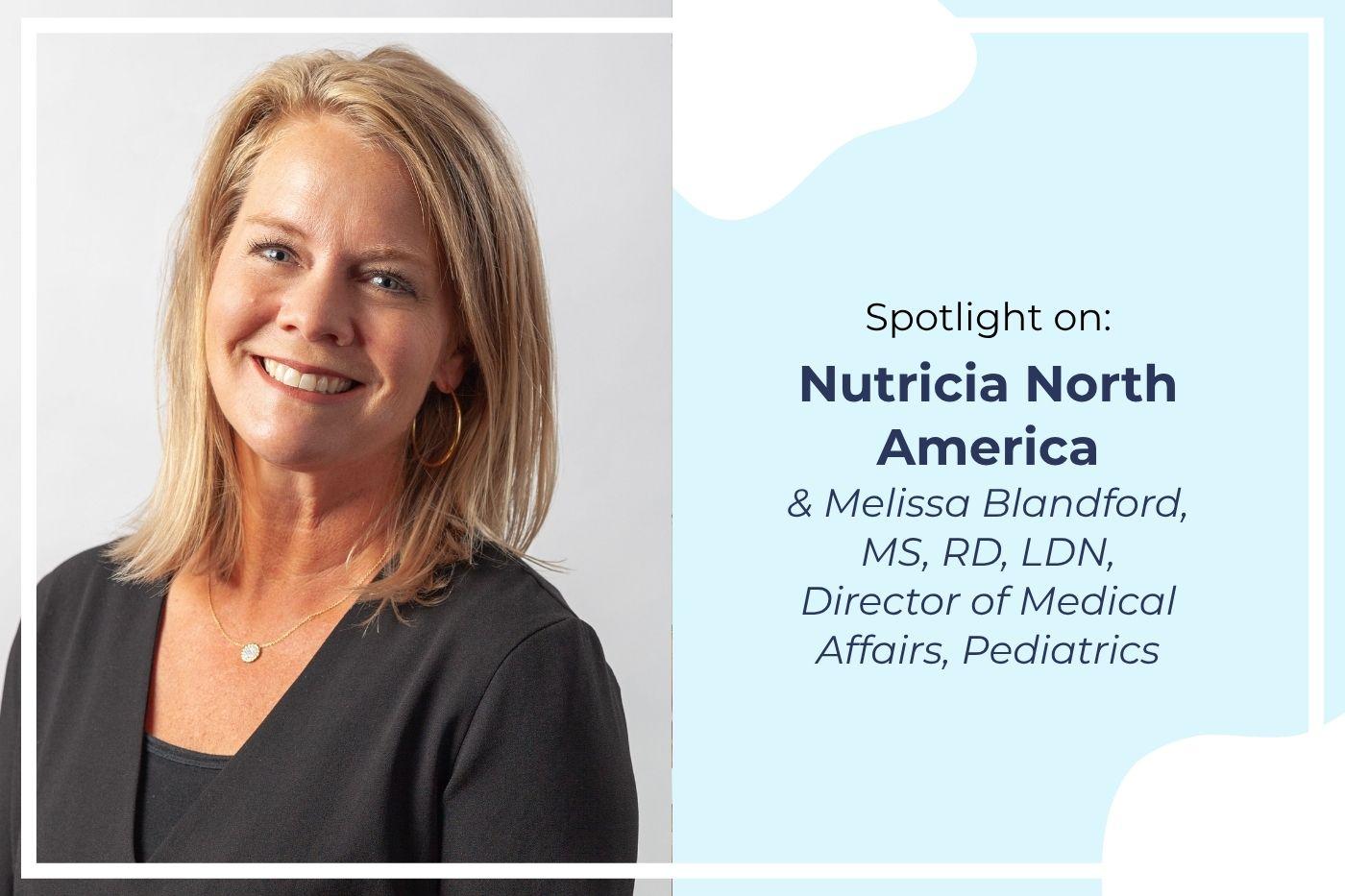
Melissa Blandford, MS, RD, LDN—Director of Medical Affairs, Pediatrics at Nutricia North America—breaks down the symptoms and solutions for cow's milk protein allergy. Plus, why acting early makes all the difference.

Written by
Happiest Baby Staff
When a baby is fussy, gassy, or dealing with skin issues like eczema, most parents assume it's just part of the newborn phase. But sometimes, there may be more going on—and knowing the difference can be game-changing.
Melissa Blandford, MS, RD, LDN, Director of Medical Affairs, Pediatrics at Nutricia North America, has made it her mission to help caregivers find those answers sooner. A specialist in pediatric nutrition with a focus on cow's milk protein allergy (CMPA), Melissa brings both clinical expertise and deeply personal experience to her work. In addition to being a credentialed expert, she's a parent who has navigated some of these challenges firsthand.
We sat down with Melissa to get her take on feeding struggles, including CMPA, what to watch for, formula options, allergen introduction, and how to tell when it's time to loop in your pediatrician.
What first drew you to pediatric nutrition? Was there a specific moment, perhaps working with families navigating feeding challenges or food allergies, that made you think, “this is my thing?”
As a registered dietitian and the mother of a daughter who struggled with cow milk protein allergy (CMPA), I experienced firsthand the challenges that come with severe reflux and eczema in infants. Those first seven months were especially difficult—my daughter was often fussy, and I constantly worried about whether she was hungry or uncomfortable. Each feeding brought anxiety, knowing she would likely spit up persistently, producing an odor I can still remember vividly.
We tried several different formulas before settling with an extensively hydrolyzed formula. It still was not the perfect option. Years later, when I had the chance to collaborate with brands devoted to supporting children with these needs, I knew it was the perfect fit.
Today, as the Medical Director for Pepticate and Neocate, I’m proud to educate both clinicians and parents about the options available, helping families enjoy those precious early moments without the stress and uncertainty around feeding. This truly is my thing!
So many parents stress about starting solids. What do you wish more parents knew - especially those who may be dealing with feeding issues or early signs of food allergies, like cow milk protein allergy?
Starting solids is such an exciting time for parents, and there are many ways to approach it—even for those managing cow milk protein allergy. It’s recommended to start solids around six months of age, and for babies with cow milk protein allergy, that means beginning with dairy-free foods.
As you begin introducing new foods, it’s helpful to offer one at a time every two to three days so you can watch for signs of intolerance, such as hives, vomiting or breathing difficulties. If these occur, contact your pediatrician.
According to the Dietary Guidelines for Americans (DGA), around 6 months of age, potentially allergenic foods may be introduced with other complementary foods. Ask your pediatrician about your baby’s risk for food allergies and safe ways to introduce these foods.
Parents can also seek personalized support from a registered dietitian. Tools like Find a Nutrition Expertcan help families connect with guidance in their area.
Many parents deal with symptoms like fussiness, colic, or even eczema in their babies. When might these be worth looking into further than typical infant behavior?
If your baby is fussy, cries frequently, or develops eczema, it's a good idea to check with your pediatrician—don’t wait. These symptoms aren't always normal and can be tough on families.
Feeding-related symptoms, like frequently spitting up or crying after meals, could be a sign of cow milk protein allergy. In these cases, pediatricians may recommend specialized formulas, such as Pepticate, an extensively hydrolyzed hypoallergenic formula for babies with cow milk protein allergy, which may help ease these symptoms.
If things don't get better after a few weeks with an extensively hydrolyzed formula, your doctor may recommend an amino acid-based formula, such as Neocate, for stubborn cow milk protein allergy symptoms.
Food allergies are a huge source of anxiety for new parents. What's your best advice for introducing common allergens, and how can parents recognize signs of a condition like cow milk protein allergy? When should they talk to their pediatrician, and what options exist if a baby can’t tolerate standard formula?
I consulted an expert in this area, Venus Kalami, MNSP, RD, CSP, Medical Science Liaison at Nutricia North America, to help answer this question. She shared that the impact of food allergies on a child’s—and a family’s—life cannot be overstated. That said, while food allergies do happen, they impact a minority of children.
When food allergies happen, it’s helpful to know what to look for. Signs of an allergic reaction can include rashes, swelling of the face, difficulty breathing, lethargy, and more. Other reactions to cow milk protein may show up as longer-term reflux, digestive issues, or growth challenges. In either case, it’s important to connect with your pediatrician for further support.
Common food allergies in infants include cow milk protein, egg, and peanut, among others. When introducing common allergens, offer a small amount in a developmentally appropriate form - such as a spoonful of plain yogurt or a small amount of smooth peanut butter mixed into porridge. If your baby tolerates the food well, continue offering it regularly as part of their routine, as ongoing exposure may help support tolerance.
Every child is different, so if you have any questions, concerns, or a family history of allergies, it’s important to speak with your child’s healthcare provider for personalized guidance before and during allergen introduction.
For parents whose babies are diagnosed with cow milk protein allergy, what should they look for in a formula?
Infant formulas in the U.S. are nutritionally complete, which is an important baseline. Beyond that, key components that one should look for are DHA and ARA, which are important for brain, eye, and immune system development, plus they are naturally present in breastmilk.
Nucleotides—while not a word we hear every day—also help with immune system development and gastrointestinal health. Prebioticsare designed to support digestive health, strengthen the immune system, and promote healthy gut bacteria in infants with cow milk protein allergy. The prebiotics in Pepticate were designed for infants with cow milk protein allergy.
For those stubborn allergies where an amino acid-based formula is needed, Neocate Syneo Infant has a specific blend of pre- and probiotics.This combination supports the developing microbiome, which plays a key role in immune system maturation and overall gut health. For me, that’s a no brainer!
Picky eating is one of the most Googled parenting topics out there. How can parents tell the difference between typical picky eating and feeding challenges that may be related to something like a food intolerance or cow milk protein allergy?
Venus also shared insight on this topic, noting that picky eating tends to humble all of us. It’s helpful to know that in most cases, most babies aren’t truly “picky.” Pickiness tends to emerge more in toddlerhood.
Babies are usually developmentally ready for solids around six months, but that doesn’t mean they’ll eat much right away. Sometimes a baby’s lukewarm enthusiasm for solid foods is mistaken for picky eating. Most babies need time, practice, and patience to develop feeding skills to eat more solid foods.
As children grow into toddlerhood, there are a lot more feelings and opinions, which can show up at the table in the form of strong food preferences. While this can feel intense, it’s all very normal. However, if a baby shows little interest in breast or bottle feeds, struggles with solids, or becomes upset during feedings, it may point to an underlying medical concern. In those cases, it’s worth talking with a pediatrician for further support.
If you could give one piece of feeding advice to a brand-new, overwhelmed parent, what would it be?
There are many formula options for parents who may not be able to breastfeed or who need to supplement breastmilk, and my biggest piece of advice is to think about long-term gut health when making feeding decisions. I often share with families that the first 1,000 days of feeding an infant are key to a developing gut microbiome. Research in infants with cow milk protein allergy suggests that specific pre- and probiotics have an impact on reducing infection rates and help develop their immune system.
Looking back, if I had access to a formula with pre- and probiotics, that would have been my first choice. For our family, it may have meant fewer missed workdays for me and more consistent childcare for my daughter.
Families navigating cow milk protein allergy may benefit from trying a specialized formula. Pepticate, an extensively hydrolyzed formula designed for babies with cow milk protein allergy, is available as a sample so parents can try it and see if it helps manage symptoms like fussiness, colic and eczema due to cow milk protein allergy.
Disclaimer: The information on our site is NOT medical advice for any specific person or condition. It is only meant as general information. If you have any medical questions and concerns about your child or yourself, please contact your health provider.






SHARE THIS ARTICLE
MOST LOVED
Sleepytime Sidekicks