BABY
Better Sleep Tips for Twin Babies
Caring for multiples isn't easy...and that takes a toll on sleep. Here's how to help both your babies—and you—get more rest.

Written by
Dr. Harvey Karp
Twin baby care isn't easy…in fact, you could argue that it’s twice as hard! And the challenges of raising multiples extends to sleep. Research from Case Western Reserve University found that during the first three months at home, parents of newborn twins averaged just 6.7 to 7.5 hours of sleep total in a 24-hour period—and consolidated sleep rarely lasted longer than three hours at a stretch, for moms and dads alike. Add in double diaper changes, double feedings, and double the fussy periods, and it's no wonder twin parents feel like they're running on empty. But with a few tweaks, you can help both babies (and yourself) sleep more soundly.
Sleep Tips for Twin Babies
Swaddle and use white noise for every sleep.
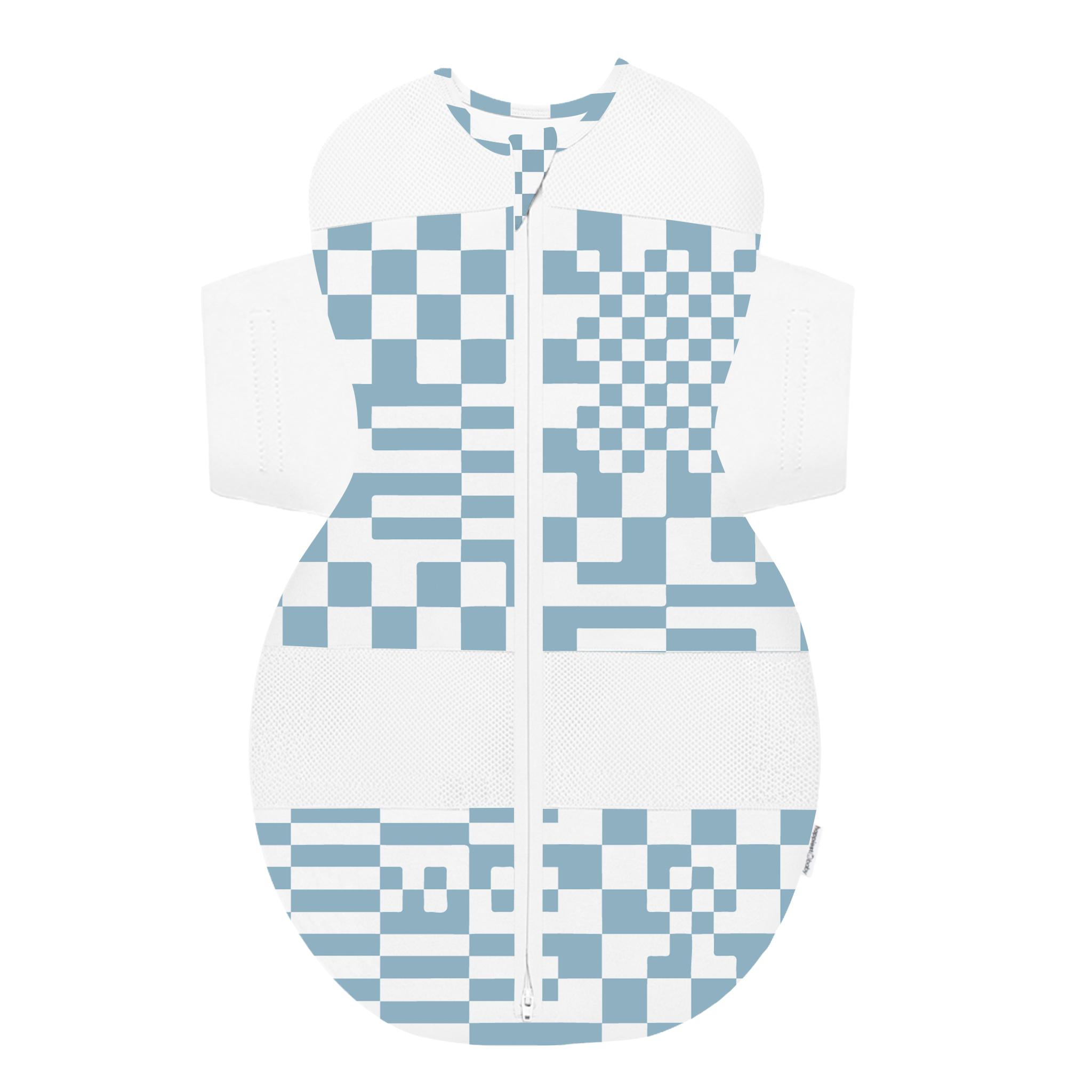
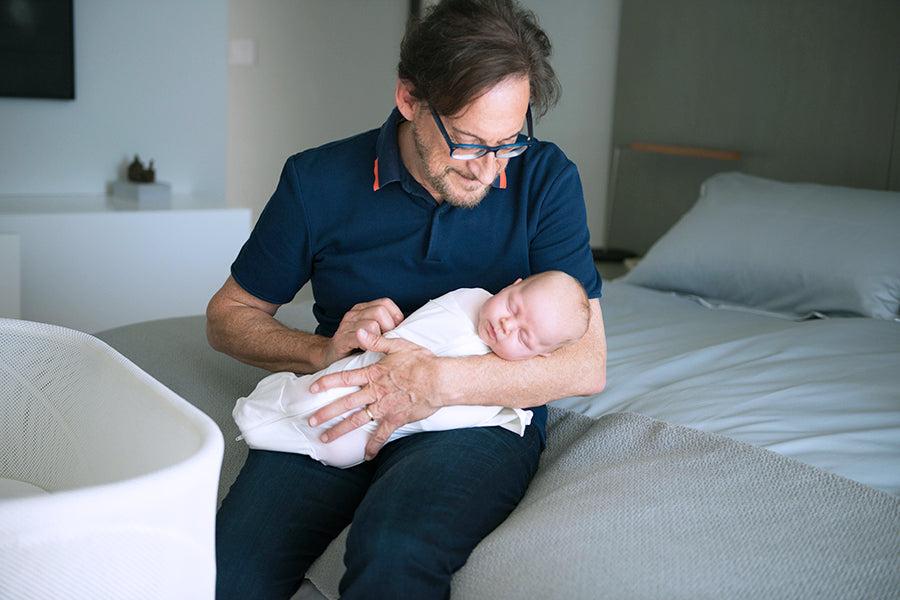
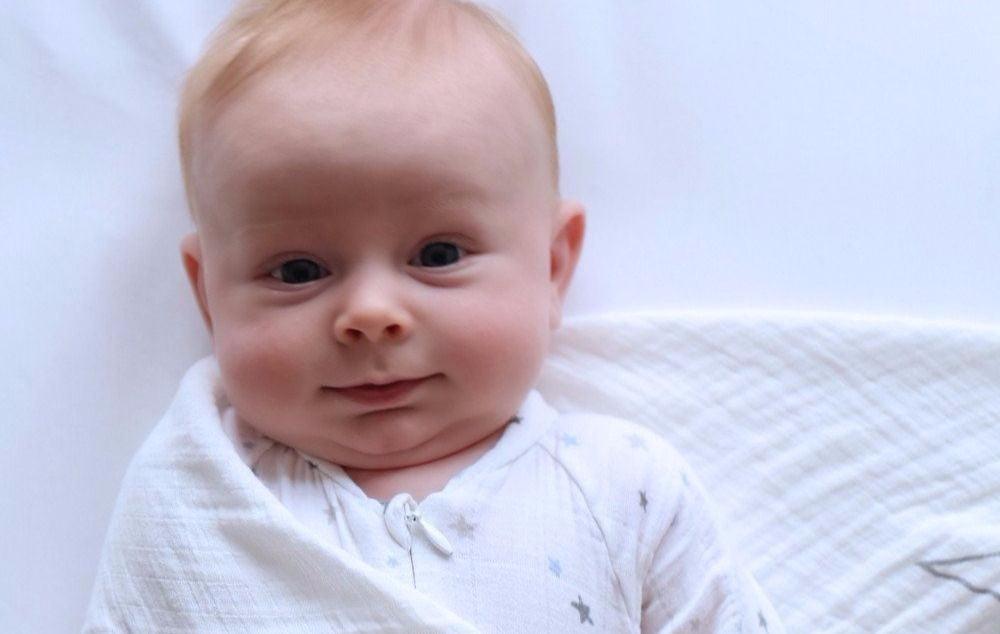
Newborns—twins included—come into the world with an innate calming reflex, an "off switch" for crying and an "on switch" for sleep. You can flip that switch with the same tools no matter which baby you're soothing: a snug swaddle and a low, rumbly white noise sound as loud as a shower. Using the exact same swaddle and sound for both babies, for every nap and every bedtime, does double duty: It activates each baby's calming reflex quickly, and it means you're not reinventing the sleep routine twice a day, twice as often. Keep the white noise playing continuously through the whole sleep period, not just at bedtime—twins are often sharing a room, and a steady wash of sound can help mask the very real possibility that one baby's stirring wakes the other.
Put both babies on the same flexible schedule.
A predictable but flexible schedule helps any baby sleep better, but it's especially valuable with twins, since it lets you batch feedings, naps, and bedtime instead of being on-call around the clock for two separate agendas. That doesn't mean forcing both babies onto an identical schedule from day one. Twins, even identical ones, often have their own hunger cues and sleep needs. Instead, aim to nudge them toward the same general rhythm so nap time and bedtime happen close enough together that you're not perpetually mid-routine with one baby while the other is wide awake.
Try the wake-and-sleep technique.
The wake-and-sleep technique teaches babies to fall asleep on their own, rather than only in your arms—a skill that's especially valuable when you don't have four arms to go around. Here's the gist: Swaddle your baby, add white noise, feed and burp, and let them drift toward sleep in your arms as usual. But instead of laying them down fully asleep, rouse them slightly (just enough to open their eyes) right before you place them in their bassinet. Falling asleep those last few moments on their own helps them learn to resettle without you next time they stir, which can mean fewer full-wake feedings to referee between two babies overnight.
Wake and feed both babies together.
One of the most exhausting parts of newborn twin care is a lopsided feeding schedule: You finally get one baby down, and the other wakes up hungry 20 minutes later. Instead, once you feed one twin, gently wake the other to eat, too, even if they'd normally sleep a bit longer. Syncing feedings means you're consolidating your own wake time into one stretch instead of two, and it moves both babies toward that same shared schedule mentioned above. This is easiest to keep up during the newborn stage, when babies are eating every two to four hours around the clock anyway.
Nap when your babies nap (as much as you realistically can!).
This piece of advice rightfully elicits some eyerolls, but when both babies do manage to go down for a nap at the same time, that really should be your cue to rest, too—not to fold laundry or answer emails. Sleep researchers who study parents of twins have found that consolidated sleep during the newborn months often runs 3 hours or less at a stretch for both moms and dads, and that severe sleep restriction in mothers of twins has been linked to higher rates of fatigue and depressive symptoms. Protecting even short windows of sleep for yourself during the day isn't indulgent, it's a meaningful way to guard your own health while you're caring for two babies at once.
Accept (and ask for) help.
Family, friends, and babysitters can give you short breaks so you don't break. With twins, the math of newborn care simply doesn't divide evenly between two caregivers, so outside help isn't a luxury—it's often a necessity. Let people bring meals, hold a baby so you can shower, or take an overnight feeding shift if you have a partner, relative, or postpartum doula who's able to help. If you're feeling persistently overwhelmed, sad, or disconnected—beyond the expected exhaustion of caring for two newborns—talk to your healthcare provider. Sleep deprivation and postpartum mood changes are common for parents of multiples, and support is available.
Give each baby their own safe sleep space.
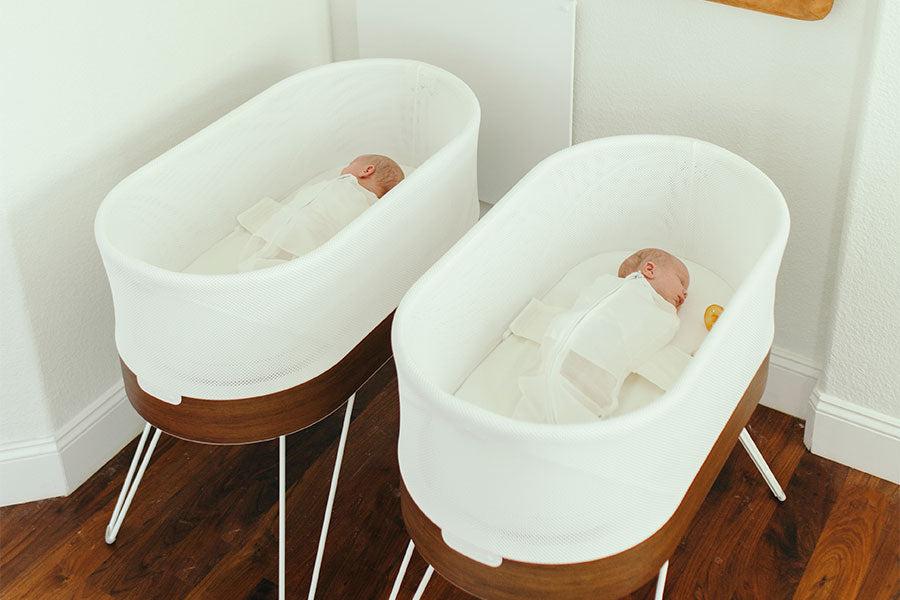
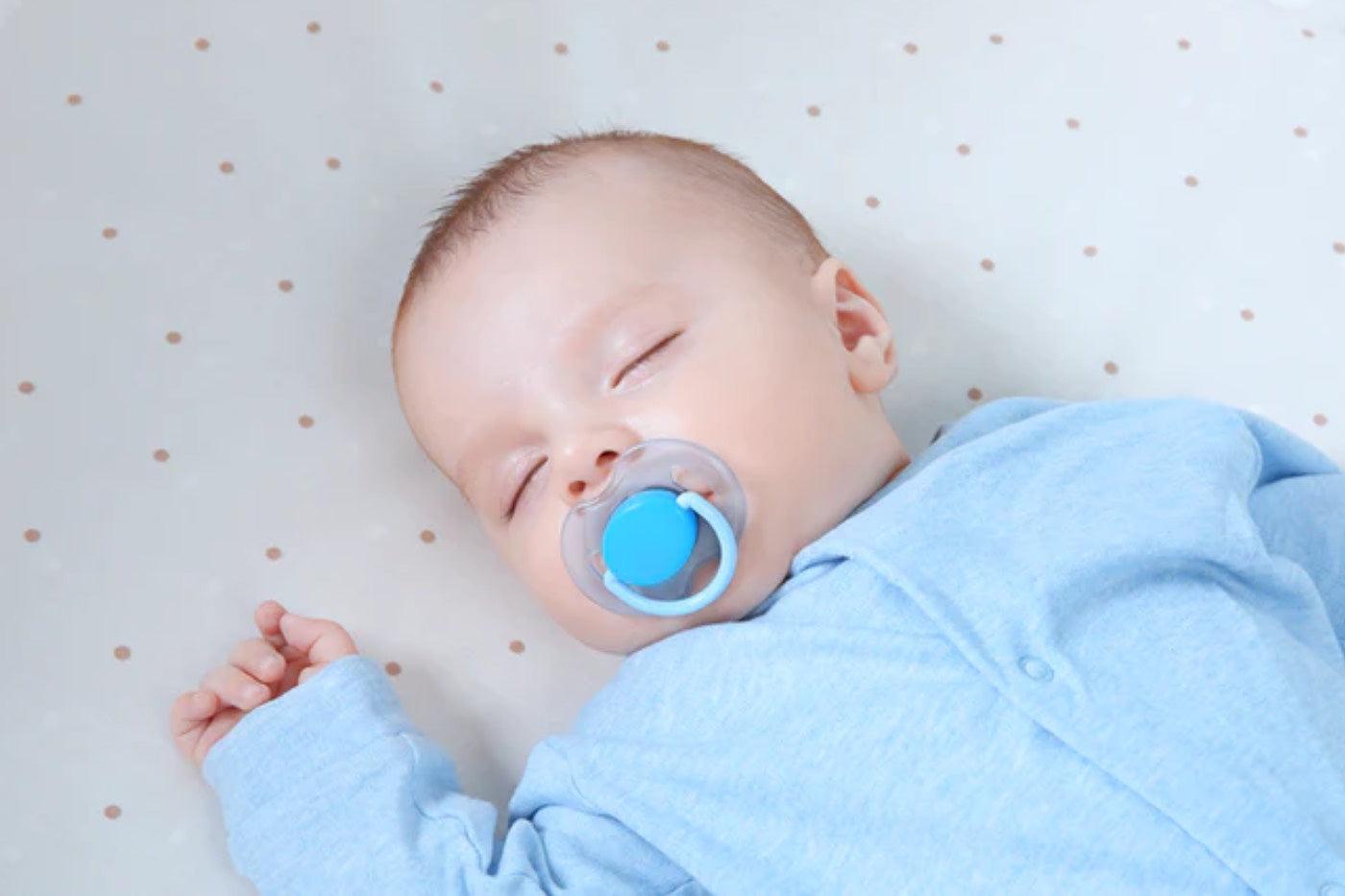
It's tempting to let twins share a crib or bassinet, especially in cramped nursery quarters, but the American Academy of Pediatrics (AAP) recommends a separate, firm, flat sleep surface for every infant, twins included, to reduce the risk of sudden infant death syndrome (SIDS) and other sleep-related infant deaths. Research that videotaped twin pairs sleeping side by side has found that a baby's arm can occasionally rest across their sibling's face during sleep, and while that study didn't find this changed the babies' breathing or oxygen levels in a way that required intervention, it's exactly the kind of scenario the AAP's separate-sleep-surface guidance is designed to prevent. Room-sharing with your twins—each in their own bassinet or crib, in your room—is recommended for at least the first 6 months, and ideally the first year, to help reduce SIDS risk while keeping both babies within arm's reach for nighttime feeds.
Consider a smart sleeper like SNOO.
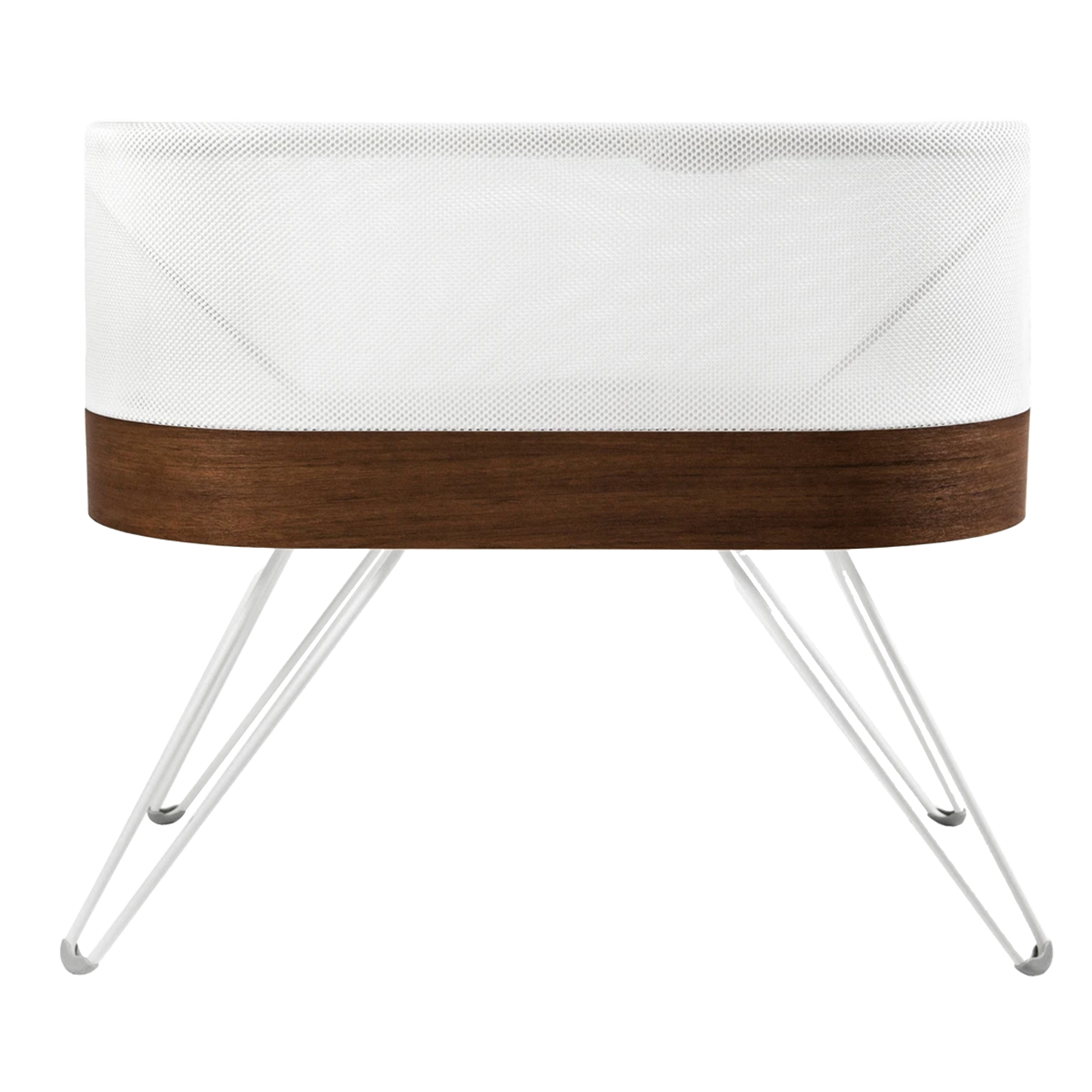
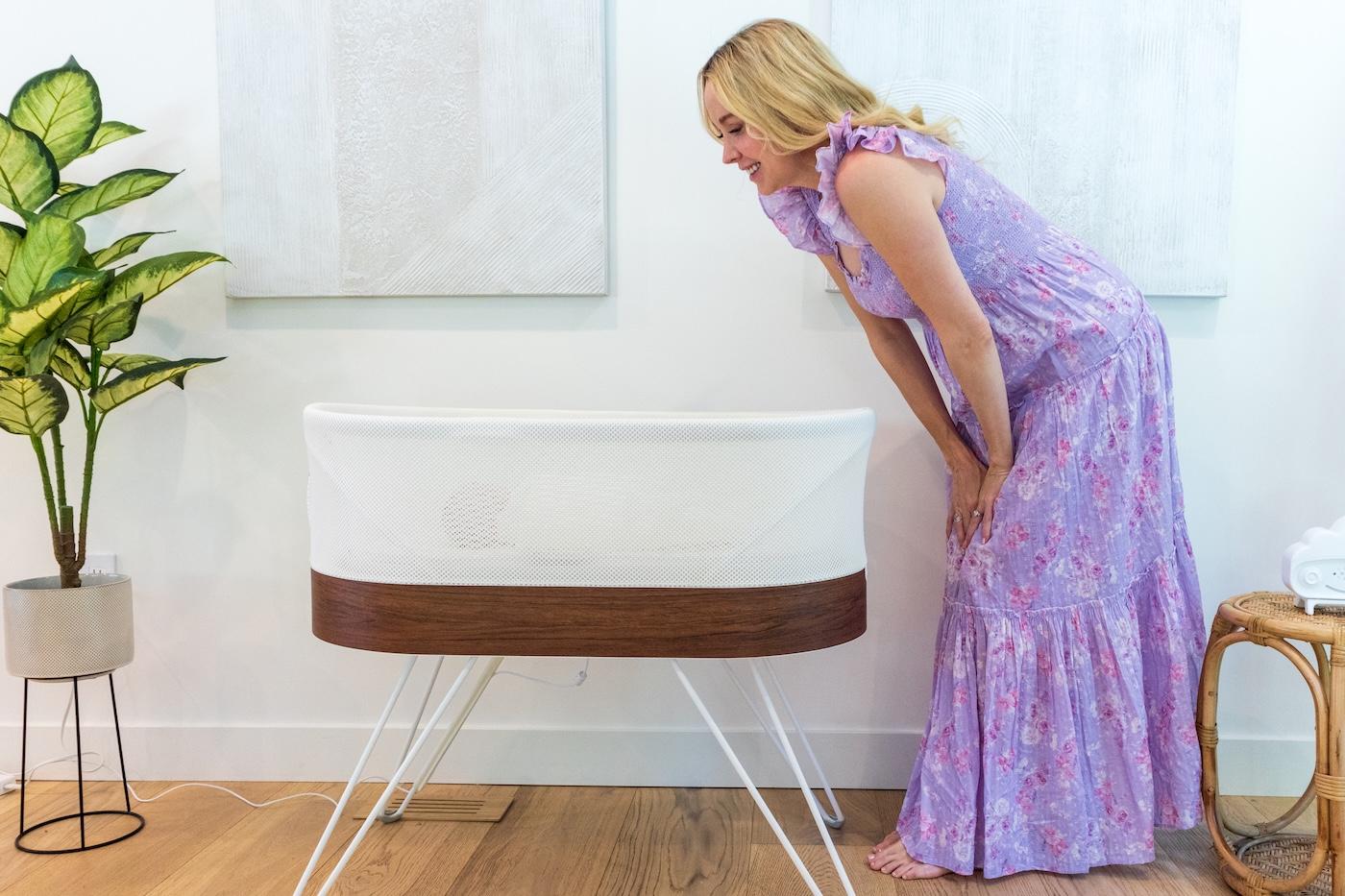
A lot of twin parents lean on a smart sleeper like SNOO to help stretch both babies' sleep. SNOO responds to a fussing baby with increasing rocking motion and white noise—much like an experienced caregiver would—which can help settle a baby back to sleep without you having to get up for every squeak, night after night, times two. Because each baby needs their own separate sleep surface, twin parents run two SNOOs at once (or rent a pair, an easier lift on the budget than buying two outright), one on each side of the room or crib.
SNOO is also the first and only baby bed to earn FDA De Novo authorization for its ability to help keep sleeping babies safely on their backs; it's worth noting that back-sleeping itself is the top safe-sleep recommendation from every major medical authority. (See more important safety information at happiestbaby.com/fda).
More Twin Tips:
- Twin Baby Must-Haves (According to Real Twin Parents)
- The Best Bassinet for Twins
- The Best Twin Baby Names
- SNOO Was This Twin Mom's Not-So-Secret Weapon
Disclaimer: The information on our site is NOT medical advice for any specific person or condition. It is only meant as general information. If you have any medical questions and concerns about your child or yourself, please contact your health provider.
SHARE THIS ARTICLE
MOST LOVED
Sleepytime Sidekicks