PREGNANCY
Is Tahini Safe During Pregnancy?
Craving hummus, halva, or a drizzle of tahini on your veggies? Here's what to know.

Written by
Happiest Baby Staff
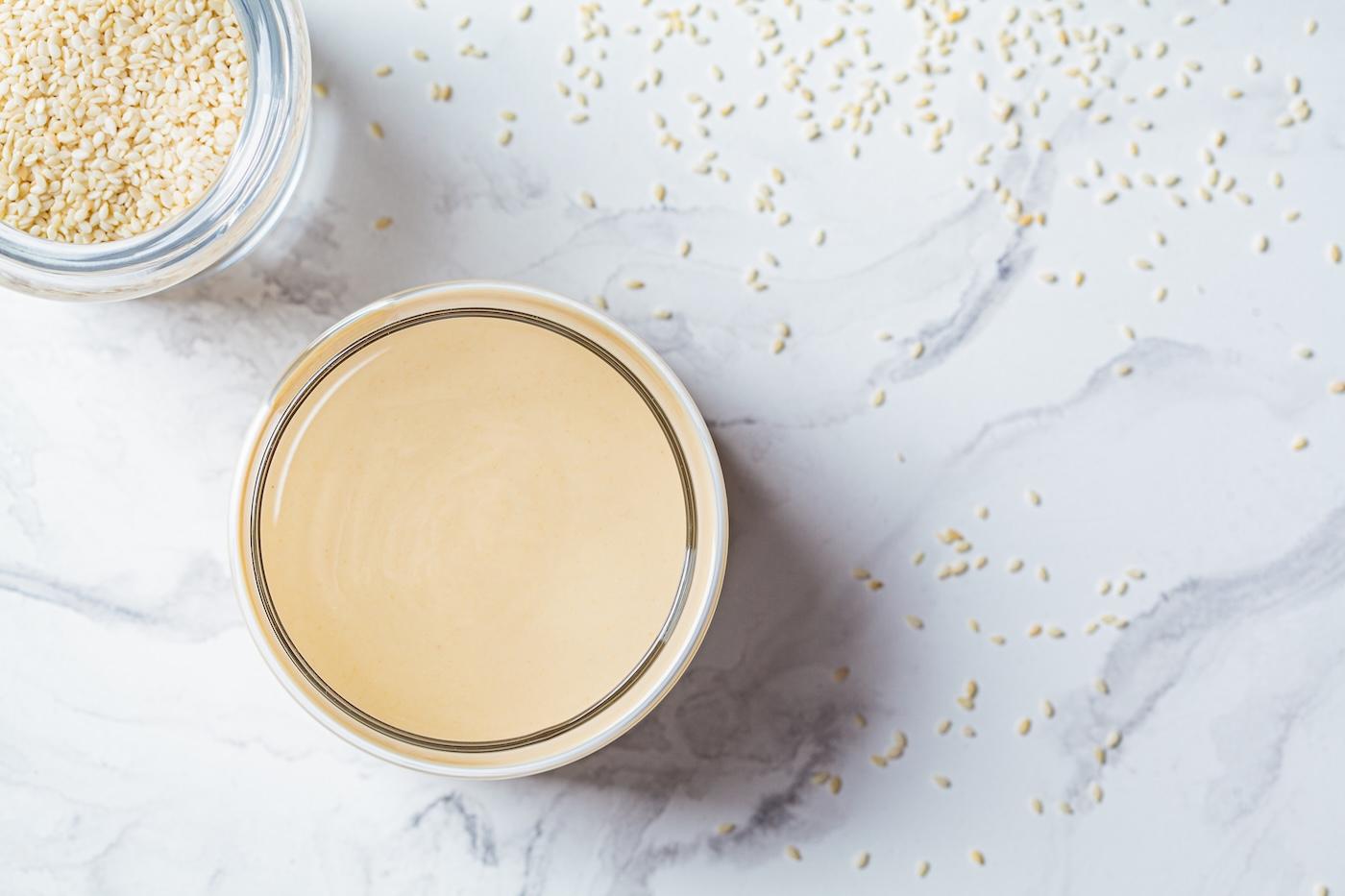
Tahini—the creamy paste made from ground sesame seeds—is the secret behind your favorite hummus, the drizzle on a good grain bowl, and the base for halva. If you've got a jar in your fridge and a baby on board, you may be wondering whether it's still okay to dig in. The short answer: Yes, tahini can be part of a healthy pregnancy diet. But because sesame products have been linked to a handful of Salmonella outbreaks over the years, it's worth knowing a few safety basics before you spread it on your toast. Here's everything to know about eating tahini during pregnancy.
Is tahini safe to eat while pregnant?
Yes, tahini is generally considered safe to eat during pregnancy as part of a varied, balanced diet. It's a whole-food ingredient made from just one thing—ground sesame seeds—so there's no processing red flag like there might be with, say, deli meat or unpasteurized cheese.
That said, tahini isn't entirely risk-free. Over the past 15 years, the Centers for Disease Control and Prevention (CDC) and the Food and Drug Administration (FDA) have investigated multiple multistate Salmonella outbreaks tied to commercially produced tahini and tahini-based hummus, including outbreaks linked to Achva and Baron's brand tahini in 2018 and 2019, and an outbreak tied to Krinos brand tahini sesame paste in 2013 that sickened 16 people across nine states and was associated with one death. In each case, the contamination was traced back to the manufacturing or processing stage rather than something that happened in a home kitchen—which means there's no way to tell just by looking (or tasting) whether a jar is affected.
Because pregnant people are also about 10 times more likely than the general population to get a Listeria infection, and Salmonella infections can be more severe during pregnancy too, it's smart to buy tahini from well-known, reputable brands, keep an eye on FDA recalls and safety alerts, and skip anything from an unlabeled bulk bin or a source you can't vouch for. If you're ever unsure about a product, or you think you may have eaten something contaminated, check in with your healthcare provider. (Here's more on food poisoning during pregnancy if you want the full rundown.)
Benefits of Eating Tahini During Pregnancy
Sesame seeds—and therefore tahini—bring a solid nutritional lineup to the table:
- Healthy fats: Tahini is rich in unsaturated fats, which support your baby's brain and nervous system development and help you absorb fat-soluble vitamins.
- Calcium: Pregnant people need about 1,000 milligrams of calcium a day, according to the National Institutes of Health (NIH), to support your baby's developing bones and teeth while protecting your own bone density. Sesame seeds are considered one of the better plant-based calcium sources, making tahini a useful addition if you're not getting much dairy.
- Iron: Iron needs nearly double during pregnancy, jumping to 27 milligrams a day. Tahini contributes a modest amount of iron, and pairing it with a vitamin C-rich food (think: a squeeze of lemon in your hummus) can help your body absorb it more efficiently.
- Plant-based protein: Sesame seeds are a good source of protein, which supports your baby's tissue and muscle growth.
- Fiber: Tahini contains some fiber, which can help with a common (and unwelcome) pregnancy side effect: constipation.
- Easy on a queasy stomach: Because tahini is mild and versatile, it can be a good way to sneak nutrition into meals if food aversions or morning sickness are making other foods unappealing.
Risks or Considerations
- Foodborne illness: As noted above, tahini has been the source of several Salmonella outbreaks in the U.S., so buying from established brands and watching for recalls matters.
- Sesame allergy: Sesame is one of the fastest-growing food allergies in the U.S. and has been federally recognized as a major food allergen since 2023 under the FASTER Act. If you have a known sesame allergy, avoid tahini (and any hummus, dressing, or baked good that contains it) entirely.
- High calorie density: Tahini is calorie-dense thanks to its fat content, so it's easy to overdo it in large amounts, especially in dressings, sauces, and dips.
- Added sodium or preservatives: Pre-made tahini-based products, like store-bought hummus or salad dressings, may pack in more sodium or additives than plain tahini does—so check the label if you're watching your sodium intake.
How to Safely Eat Tahini While Pregnant
- Buy tahini from a reputable, established brand rather than an unlabeled bulk source.
- Check the label for freshness and keep an eye on current food recalls before use.
- Store opened jars according to the manufacturer's instructions (many recommend refrigeration after opening).
- Use a clean utensil each time you scoop to avoid introducing contamination.
- Stir well before use, since the natural oils in tahini tend to separate.
- As with all foods, enjoy it in moderation!
When to Avoid Tahini
- If you have a diagnosed sesame allergy
- If the product has been recalled—always check before you dig in
- If it smells rancid, tastes off, or has separated in a way that seems unusual (a thin layer of oil on top is normal; a curdled or clumpy texture is not)
- If your healthcare provider has advised you to follow a lower-fat diet for a specific medical reason
The Bottom Line
Tahini can be a safe, nutrient-rich addition to your pregnancy diet when it comes from a trustworthy source and is stored and handled properly. It brings healthy fats, plant-based calcium and iron, and protein to the table—just keep portions moderate, watch for recalls, and skip it altogether if you have a sesame allergy. As always, if you have specific questions about your diet during pregnancy, your healthcare provider is your best resource.
More on Healthy Eating in Pregnancy:
- Pregnancy Meal Plans and Recipes
- The Nutrients You Need While Pregnant
- Must-Have Nutrients for Vegetarian Pregnancies
- Healthy Ways to Satisfy any Pregnancy Craving
Disclaimer: The information on our site is NOT medical advice for any specific person or condition. It is only meant as general information. If you have any medical questions and concerns about your child or yourself, please contact your health provider.






SHARE THIS ARTICLE
MOST LOVED
Sleepytime Sidekicks