PREGNANCY
Are Short Ribs Safe to Eat During Pregnancy?
(An explainer you can really sink your teeth into!)

Written by
Happiest Baby Staff
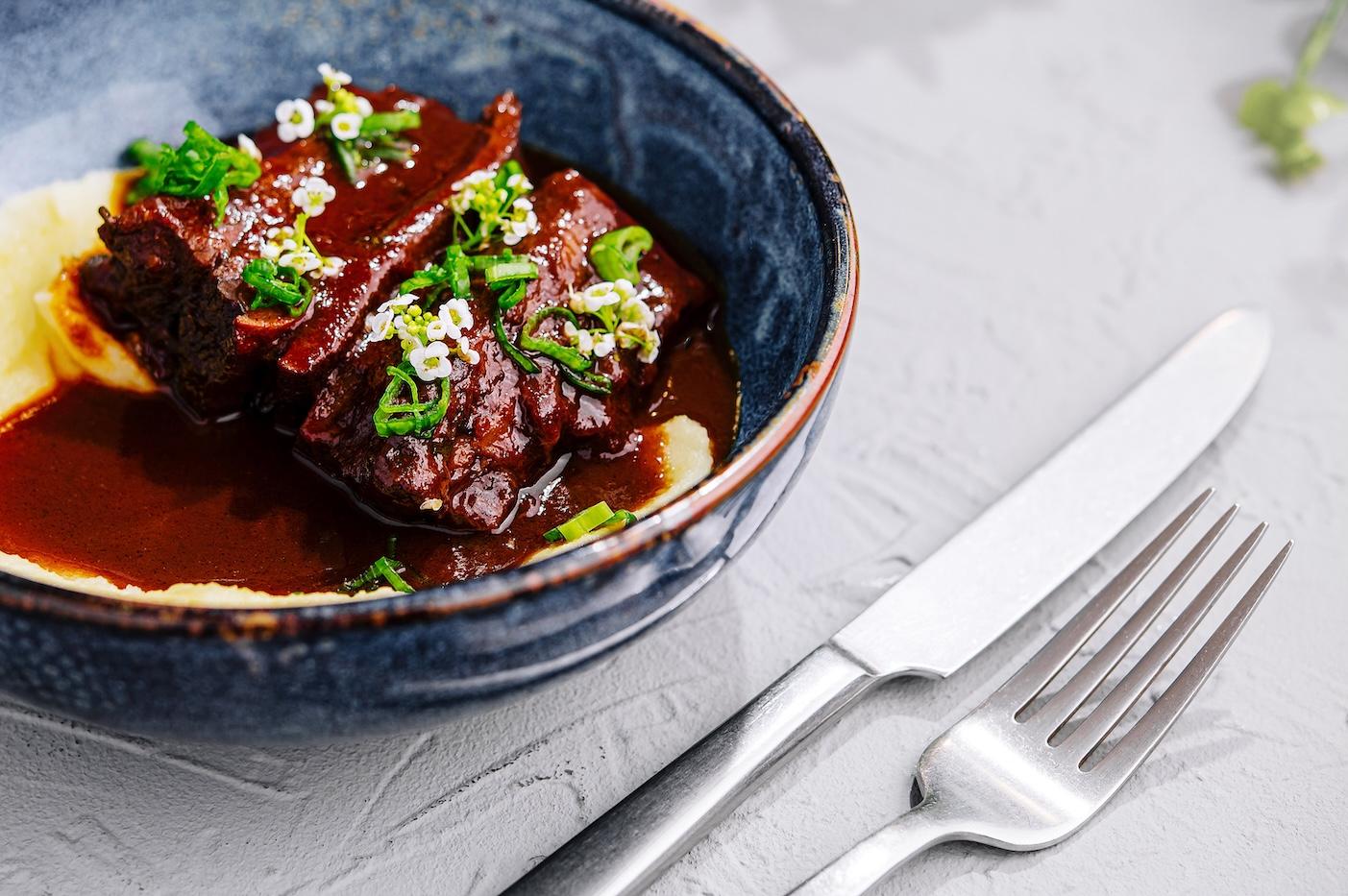
Short ribs are safe to eat during pregnancy—as long as they're cooked thoroughly. Beef short ribs present no special dangers when braised, slow-cooked, or roasted to a safe internal temperature. The key rule: no pink, no rare, no medium. Undercooked beef should always be avoided when you're expecting. Read on for everything you need to know about enjoying short ribs safely during pregnancy, plus the nutritional perks they bring to the table.
Are short ribs safe to eat while pregnant?
Yes—short ribs are safe during pregnancy when cooked to the proper internal temperature. Whole cuts of beef should reach a minimum internal temperature of 145°F (63°C) with a three-minute rest, while ground beef must reach 160°F (71°C). For slow-braised or oven-roasted short ribs—which typically cook for several hours at higher temperatures—those thresholds are usually easy to surpass. The bigger concern is ordering short ribs at a restaurant, where they might be served medium or medium-rare. If you're unsure about the doneness of a restaurant dish, it's fine to ask your server or simply skip it.
Why does this matter so much in pregnancy? Pregnant people are especially susceptible to foodborne illness during pregnancy, and raw or undercooked meats can carry harmful pathogens like Listeria monocytogenes, Salmonella, E. coli, and Toxoplasma gondii. Cooking beef to a safe internal temperature eliminates those risks. (Learn more about food poisoning during pregnancy.)
If you've eaten short ribs and are worried about the level of doneness—or you develop symptoms like fever, muscle aches, or GI distress—reach out to your healthcare provider.
Benefits of Eating Short Ribs During Pregnancy
Short ribs aren't just comfort food. When they're part of a balanced diet, they deliver a meaningful nutritional punch for pregnant people:
- Substantial protein: The recommended protein intake rises to about 71 grams per day during the second and third trimesters of pregnancy—up from around 46 grams in the non-pregnant state. Beef short ribs are a high-quality source of complete protein, supplying all essential amino acids your body needs to support fetal growth and your own changing tissues.
- Iron: Iron needs jump to 27 milligrams per day during pregnancy—up from 18 mg for non-pregnant people—to support the expansion of red blood cell mass, supply the placenta, and transfer iron to the fetus. Beef is one of the best dietary sources of heme iron, the form most readily absorbed by the body. (More on iron deficiency in pregnancy.)
- Zinc: The recommended daily intake for zinc increases to 11 mg/day during pregnancy (from 8 mg for non-pregnant adults), and that red meat is one of the best dietary sources. Zinc supports immune function, DNA synthesis, and fetal development.
- B vitamins: Beef is a reliable source of B12, niacin, and B6—nutrients that support neurological development and energy metabolism during pregnancy.
- Satiety and comfort: Slow-cooked, braised meats tend to be easy to tolerate even for pregnant people navigating nausea or food aversions. Their richness can also help you stay full and nourished between meals.
Risks or Considerations
Short ribs are generally safe and nutritious, but a few things are worth keeping in mind:
Undercooked Meat and Foodborne Illness
This is the most important risk. The CDC recommends that pregnant people avoid raw or undercooked meats entirely because of the risk of infections from pathogens like Listeria, Salmonella, E. coli, and Toxoplasma. Listeriosis during pregnancy can cause serious complications, including miscarriage, stillbirth, preterm labor, and severe illness in newborns. Always use a meat thermometer if you're unsure about doneness.
High Saturated Fat Content
Short ribs are one of the fattier cuts of beef. The 2020–2025 Dietary Guidelines for Americans recommend limiting saturated fat to less than 10% of total daily calories. Eating short ribs in large quantities or very frequently could make it harder to stay within that limit. Trimming visible fat before or after cooking and watching portion sizes can help. Fatty, rich foods can also worsen pregnancy heartburn in some people.
Sodium in Marinades and Braising Liquids
Many short rib recipes call for soy sauce, Worcestershire sauce, beef broth, or other sodium-heavy ingredients. If you're watching your sodium intake—especially if your healthcare provider has raised concerns about blood pressure or swelling—consider using low-sodium versions or reducing the amount in your recipe.
Restaurant Preparations
Restaurant short ribs may be cooked to a lower temperature than is safe for pregnancy, or finished with alcohol-based sauces that haven't been fully cooked off. When dining out, confirm with your server that the meat is cooked to well-done before ordering.
Leftovers
Cooked beef short ribs should be refrigerated within two hours (or within one hour if outdoor temperatures exceed 90°F). Reheat leftovers to a full internal temperature of 165°F before eating.
How to Safely Eat Short Ribs While Pregnant
- Use a meat thermometer to confirm the internal temperature reaches at least 145°F (63°C) with a three-minute rest. For braised short ribs cooked low-and-slow, the temperature will typically far exceed this threshold.
- Opt for slow-cooked, braised, or oven-roasted preparations at home, where you control doneness.
- Refrigerate leftovers promptly and reheat to 165°F before eating.
- Trim visible fat to reduce saturated fat intake and limit the heaviness of the dish.
- Use low-sodium broth and seasonings in your braising liquid if you're watching sodium.
- Pair with fiber-rich sides—roasted vegetables, legumes, or whole grains—for a balanced, digestion-friendly meal.
When to Avoid Short Ribs
- If the meat is pink, bloody, or not fully cooked through
- If it's been left at room temperature for more than two hours (or one hour in hot weather)
- If the dish was finished with an alcohol-based sauce added late in cooking (wine added at the end of a pan sauce, for example) that may not have fully cooked off
- If you've been experiencing significant pregnancy heartburn or indigestion triggered by rich, fatty foods
- If your healthcare provider has advised you to limit red meat or saturated fat because of a specific health concern (such as gestational hypertension or high cholesterol)
Bottom Line
Short ribs are safe to eat during pregnancy when cooked thoroughly and enjoyed in moderation. They're a solid source of protein, heme iron, and zinc—nutrients that play important roles in fetal growth, blood health, and immune function. The most important rule: Cook them fully and skip rare or pink servings. Braised and slow-roasted preparations at home are your safest and most delicious bet.
More on Healthy Eating During Pregnancy:
- Is Eating Fish During Pregnancy Safe?
- Nutritious Foods for Every Pregnancy Craving
- Smoothie Add-Ins for a Healthy Pregnancy
- Nutrients You Need During Pregnancy
***
REFERENCES
- U.S. Department of Health and Human Services, FoodSafety.gov: Cook to a Safe Minimum Internal Temperature
- Centers for Disease Control and Prevention: Safer Food Choices for Pregnant Women
- American College of Obstetricians and Gynecologists: Healthy Eating During Pregnancy
- National Library of Medicine: Nutrition During Pregnancy
- NIH Office of Dietary Supplements: Iron—Health Professional Fact Sheet
- NIH Office of Dietary Supplements: Zinc—Health Professional Fact Sheet
- American College of Obstetricians and Gynecologists: Listeria and Pregnancy
- U.S. Dietary Guidelines for Americans 2020–2025: Cut Down on Saturated Fat
Disclaimer: The information on our site is NOT medical advice for any specific person or condition. It is only meant as general information. If you have any medical questions and concerns about your child or yourself, please contact your health provider.



SHARE THIS ARTICLE