PREGNANCY
Is Maca Safe During Pregnancy?
This trendy superfood powder is popular for energy and fertility—but should you keep taking it once you're expecting?

Written by
Happiest Baby Staff
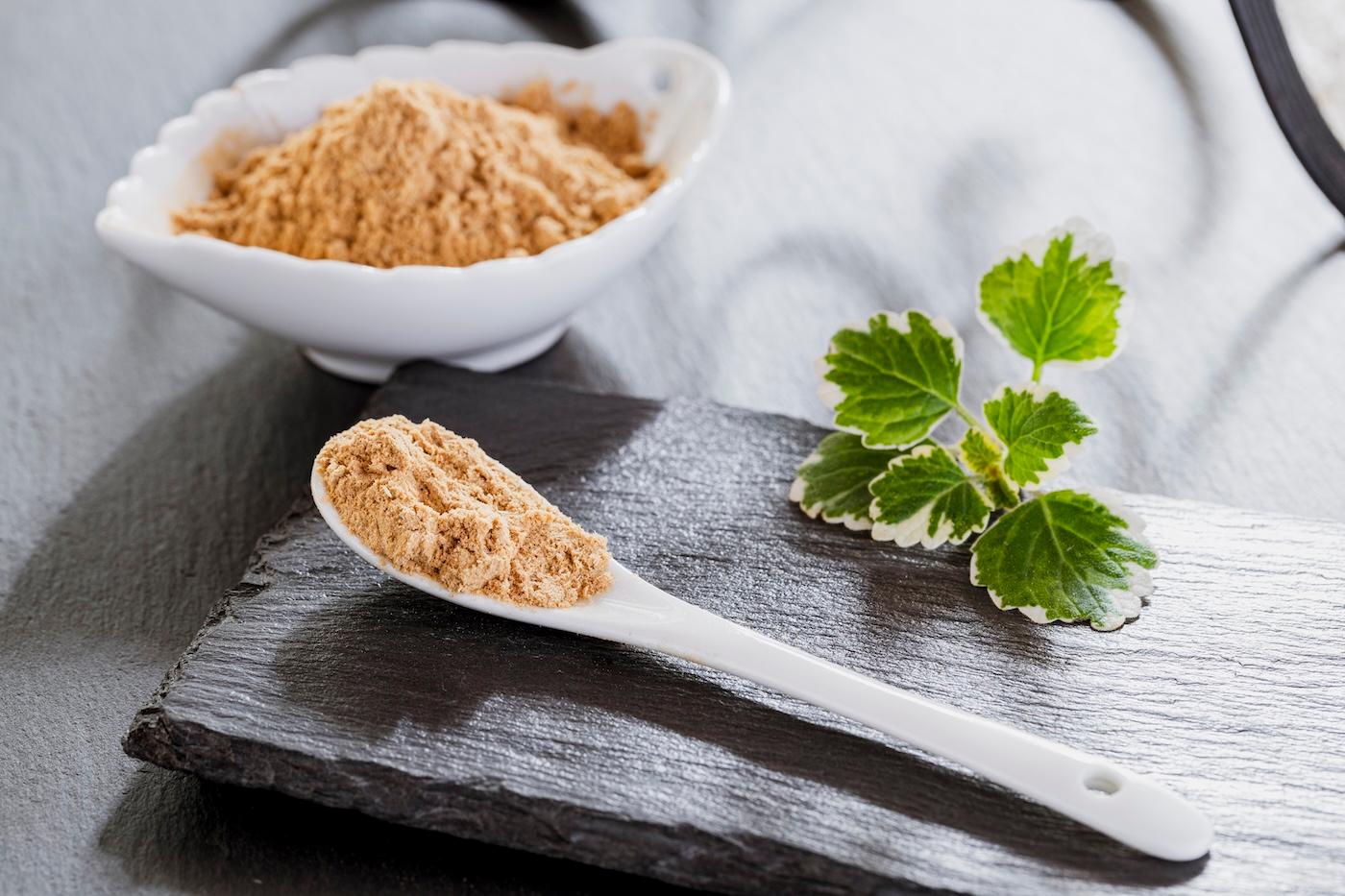
Maca root (Lepidium meyenii) is a plant that's been cultivated in the high Andes mountains of Peru for over 2,000 years. It belongs to the cruciferous vegetable family (think sibs with broccoli, cauliflower, and kale) and has a long history of traditional use as both a food and a natural remedy. Today, maca is most often sold as a powder or capsule and promoted for boosting energy, balancing hormones, and enhancing fertility.
If you were stirring maca powder into your smoothies before pregnancy—or you've spotted it on social media touted as a must-have "superfood"—you might be wondering whether it's safe to keep using now that you're expecting. Here's what we know (and what we don't).
Is maca safe to take while pregnant?
There isn't enough research to say for sure, so most experts recommend erring on the side of caution.
While maca has been eaten as a food by people in the Peruvian highlands for centuries, including by pregnant people, there are no clinical studies that specifically evaluate the safety of maca supplementation during pregnancy. The studies that do exist have mostly focused on maca's effects on fertility and sexual function in non-pregnant adults and animals—not on pregnant people or developing babies.
Because the research gap is so wide, the NIH Office of Dietary Supplements advises caution with dietary supplements during pregnancy in general, and the FDA does not approve supplements for safety and effectiveness before they're sold. That means you can't be certain what's actually in any given maca product—or how it might affect your pregnancy. So, talk to your healthcare provider before using maca during pregnancy—especially in supplement form.
Potential Benefits of Maca
Maca has been studied in non-pregnant populations for a handful of potential perks. Here's what the research suggests so far, keeping in mind that none of this has been confirmed in pregnant people:
- Energy and stamina: Maca has traditionally been used as an energizer, and some small studies suggest it may help with fatigue and physical performance in non-pregnant adults.
- Sexual function and fertility: A systematic review found limited evidence that maca may improve sexual desire, though the number and quality of studies were too low to draw firm conclusions.
- Mood support: Some preliminary research has looked at maca's potential effects on mood, particularly in menopausal populations—but this hasn't been studied in pregnant people.
- Nutrient content: Maca root is a source of protein, fiber, iron, calcium, and other minerals. However, the amounts you'd get from a typical supplement serving are small compared to what a balanced diet and prenatal vitamin provide.
Important caveat: A comprehensive review published in Frontiers in Pharmacology noted that while maca is generally considered safe for adults, the health claims around it have outpaced the science. Many of the studies are small, short-term, or conducted in animals.
Risks and Considerations
- No pregnancy-specific safety data: This is the big one. Without clinical trials in pregnant people, we simply don't know how maca supplements might affect fetal development or pregnancy outcomes.
- Hormonal effects: Maca is often marketed for its ability to "balance hormones." During pregnancy, your hormones are supposed to shift dramatically to support your growing baby—and introducing a supplement that may influence hormonal activity is a wildcard your healthcare provider should weigh in on.
- Quality and contamination concerns: Like all dietary supplements, maca products are not FDA-approved for safety and effectiveness before they hit the shelves. Product quality can vary widely, and contaminants—including heavy metals—have been found in some maca supplements. The NIH's LiverTox database notes that side effects of maca are uncommon in general, but that the supplement has had limited use overall.
- Digestive upset: Some people experience mild gastrointestinal symptoms—like bloating, gas, or stomach discomfort—when taking maca, especially at higher doses.
- Drug interactions: If you're taking any medications during pregnancy, maca could theoretically interact with them. Always let your healthcare provider know about every supplement you take.
When to Avoid Maca
- If you're pregnant or trying to become pregnant and haven't cleared it with your healthcare provider.
- If the product doesn't have transparent third-party testing for purity and contaminants.
- If you have a thyroid condition (maca contains compounds called glucosinolates, which may affect thyroid function in some people).
- If you experience any adverse symptoms after taking maca, such as digestive upset, headaches, or changes in your menstrual cycle.
- If you have a condition that is sensitive to hormonal changes, unless your healthcare provider has specifically approved it.
What about maca before pregnancy?
If you've been taking maca while trying to conceive, you're not alone—maca is widely promoted for fertility support. Some small studies have explored its effects on sexual desire and sperm quality, but the evidence is still limited and inconclusive. If you do become pregnant, most experts suggest discontinuing maca until you've had a conversation with your healthcare provider, since its effects on early pregnancy are unknown.
Bottom Line
Maca root has a long history as a traditional food in Peru and is generally considered safe for non-pregnant adults, but pregnancy-specific research simply doesn't exist yet. Because dietary supplements aren't evaluated by the FDA for safety and effectiveness before they're marketed—and because maca may have hormonal effects—it's best to talk with your healthcare provider before adding maca to your pregnancy routine. When in doubt, a well-balanced diet and your prenatal vitamin are the safest foundation for getting the nutrients you and your baby need!
More on Healthy Eating in Pregnancy:
- Smoothie Add-Ins for a Healthier Pregnancy
- Real Talk on Foods to Avoid in Pregnancy
- Pregnancy Nutrition Myths to Ignore
- The Nutrients You Need When Pregnant
***
REFERENCES- Ethnobiology and Ethnopharmacology of Lepidium meyenii (Maca), a Plant from the Peruvian Highlands, Evidence-Based Complementary and Alternative Medicine, Sep 2011
- Exploring the Chemical and Pharmacological Variability of Lepidium meyenii: A Comprehensive Review of the Effects of Maca, Frontiers in Pharmacology, Feb 2024
- National Institutes of Health Office of Dietary Supplements: Dietary Supplements—What You Need to Know
- U.S. Food and Drug Administration: Information for Consumers on Using Dietary Supplements
- Maca (L. meyenii) for Improving Sexual Function: A Systematic Review, BMC Complementary and Alternative Medicine, Aug 2010
- National Institutes of Health Office of Dietary Supplements: Dietary Supplements and Life Stages: Pregnancy
- National Institutes of Health LiverTox: Maca
- MotherToBaby: Herbal Products and Pregnancy — Fact Sheet
Disclaimer: The information on our site is NOT medical advice for any specific person or condition. It is only meant as general information. If you have any medical questions and concerns about your child or yourself, please contact your health provider.






SHARE THIS ARTICLE
MOST LOVED
Sleepytime Sidekicks