BABY
The Simple Baby Bedtime Routine That Really Works
The best bedtime rituals remind your baby of life in the womb!

Written by
Dr. Harvey Karp

Whether you realize it or not, we’re all creatures of habit…especially when it comes to sleep. We all have our own special bedtime routines. For instance, do you always turn on your white noise machine before settling in? Maybe you prefer having your feet tucked in—or the blankets loose—before dozing off. Or perhaps you depend on your perfectly fluffed pillow and favorite cotton pajamas to help whisk you away to dreamland. (Me? Give me a cool room, feather pillow, firm mattress, rain on the roof—and I’m out like a light!)
Babies depend on specific sleep triggers, too! But some parents worry about using comforting sleep cues for their infants because they’ve heard that swaddling their little one or turning on white noise every night or offering a pacifier can create bad baby sleep habits. They worry that their precious bundle will become reliant on these so-called sleep crutches, and never be able to doze off without them!
So, is that a valid worry? Well, yes and no. Read on for help deciphering a good sleep cue from a bad one—and for tips on creating the perfect bedtime routine for your baby.
How do I start a baby bedtime routine?
Getting your newborn into a bedtime routine is all about consistency. It’s not just about waking and feeding your baby at the same time each day, it’s also about establishing and following the same reassuring bedtime routine every night. Truth is, little ones thrive with familiar and predictable routines, and oftentimes their parents do, too!
What’s a bad baby sleep cue?
Bad sleep cues are inconvenient, demanding on you, and hard to wean. For example, if each time your baby roused from sleep, they needed a full 30 minutes of bottom-patting to settle back down, that’s pretty inconvenient. Or say your baby demands that only Mommy puts them to sleep—and screams the neighbors awake if Daddy, Grandma, or anyone else steps in—you’re looking at a bad bedtime routine.
What’s a good baby sleep cue?
Good baby sleep cues help babies fall asleep fast—and slumber longer—yet are easy to use and easy to wean. My 5 S’s for calming babies are the best of all sleep cues: They’re a snap to use, easy to stop, and they work fast to boost Baby’s sleep. During the first few months of your little one’s life, I recommend using the following baby sleep cues in your baby’s bedtime routine to signal it’s time for some shuteye.
Four-Step Baby Bedtime Routine
An infant’s bedtime routine is simple. They all crave a sleepytime atmosphere that harkens back to their time in the womb. That’s because the rhythms babies experience inside the womb—like the constant hum of noise—trigger what I call the calming reflex, which is an inborn neurological response that acts as nature’s “off switch” for fussing and “on switch” for sleep. Once you dim the lights, here’s the breakdown:
Step 1: Turn on rough and rumbly white noise.
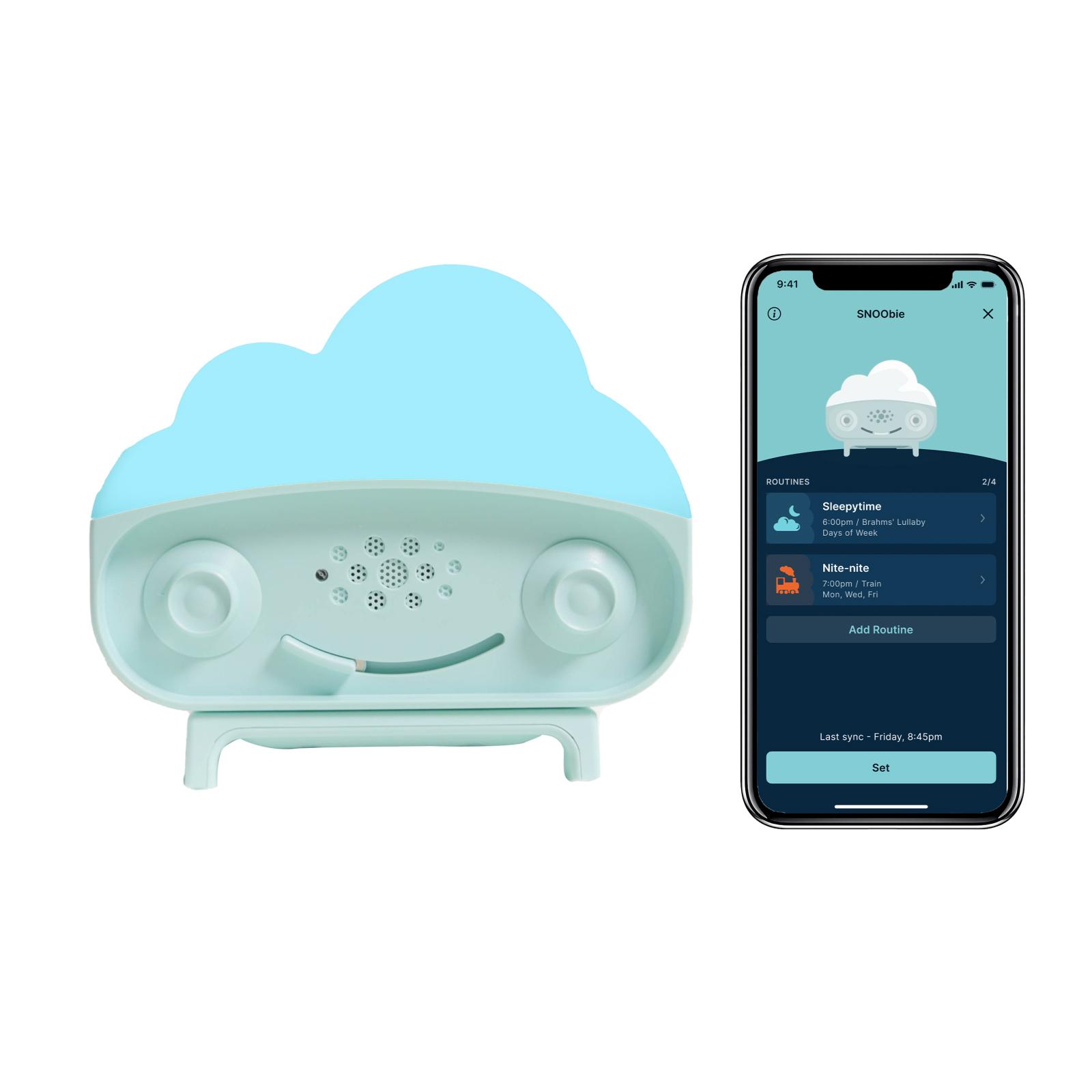
One of the easiest ways to recreate womb-like noise is getting close to your baby’s ear and making a long, loud, drawn-out “Shhhhh” sound…but that’s hard to do for long stretches! That’s why I prefer playing rough, rumbly white noise during Baby’s bedtime routine—and throughout naps and night sleeps. After all, research shows that white noise can help 80% of infants fall asleep in just 5 minutes.
Step 2: Swaddle your little one.
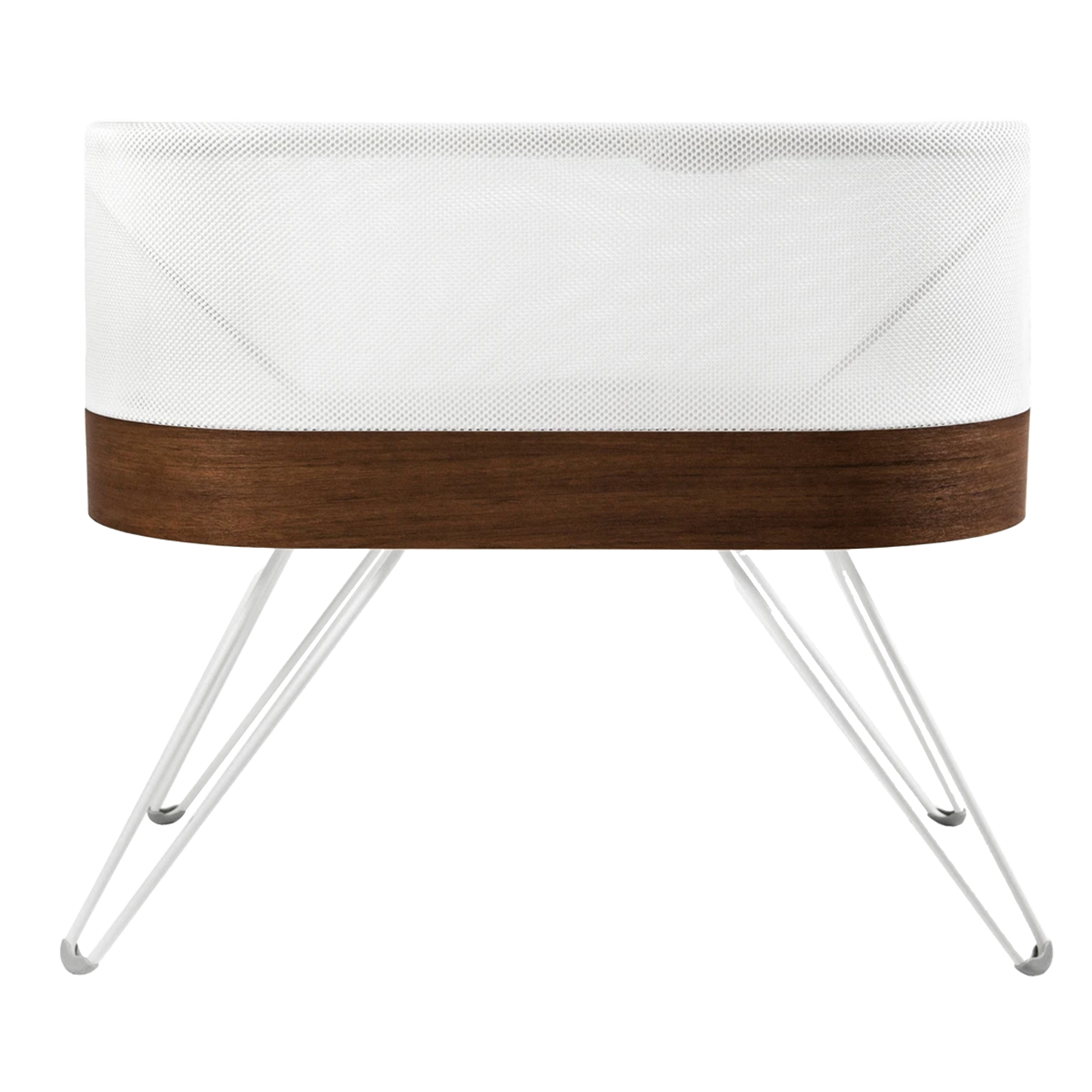
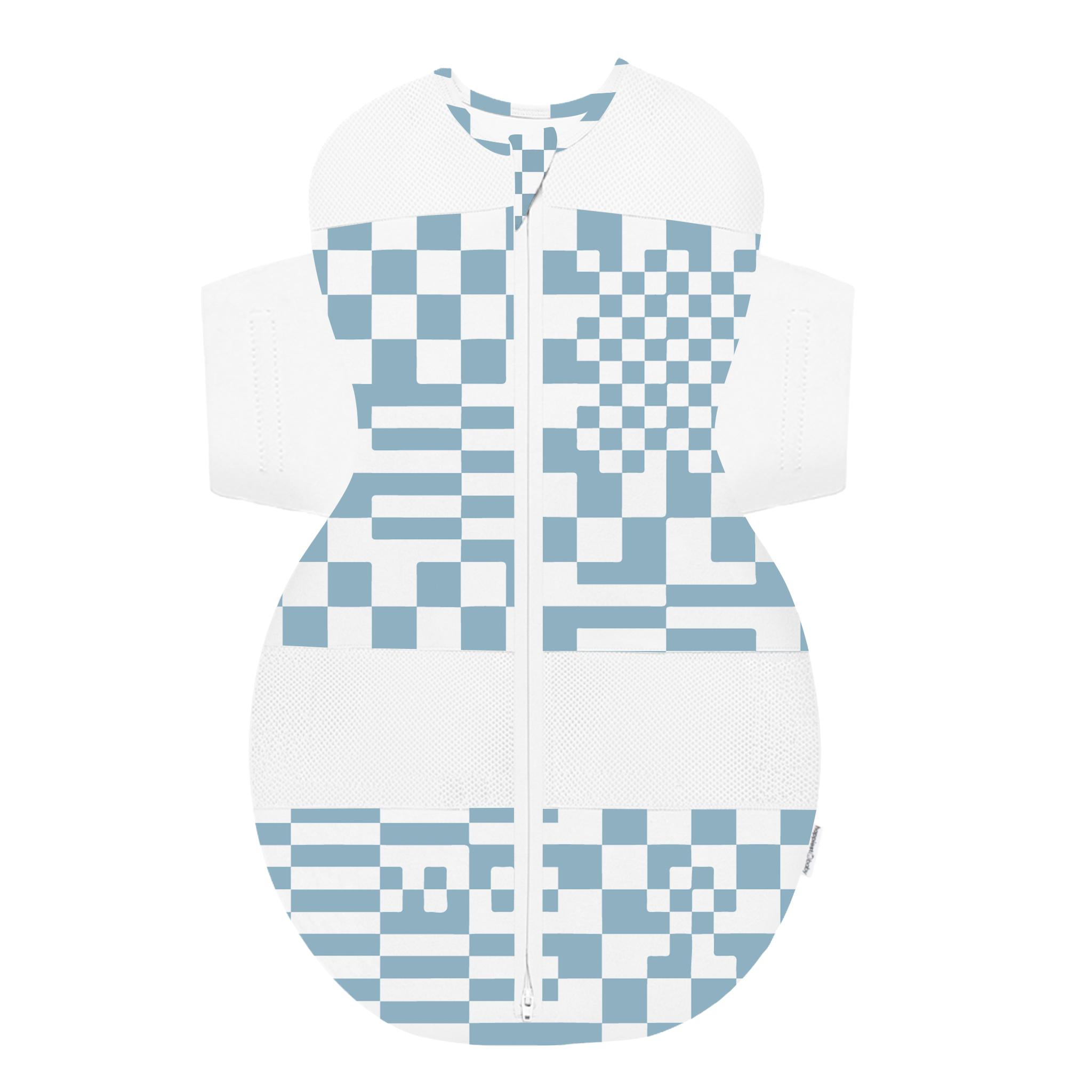
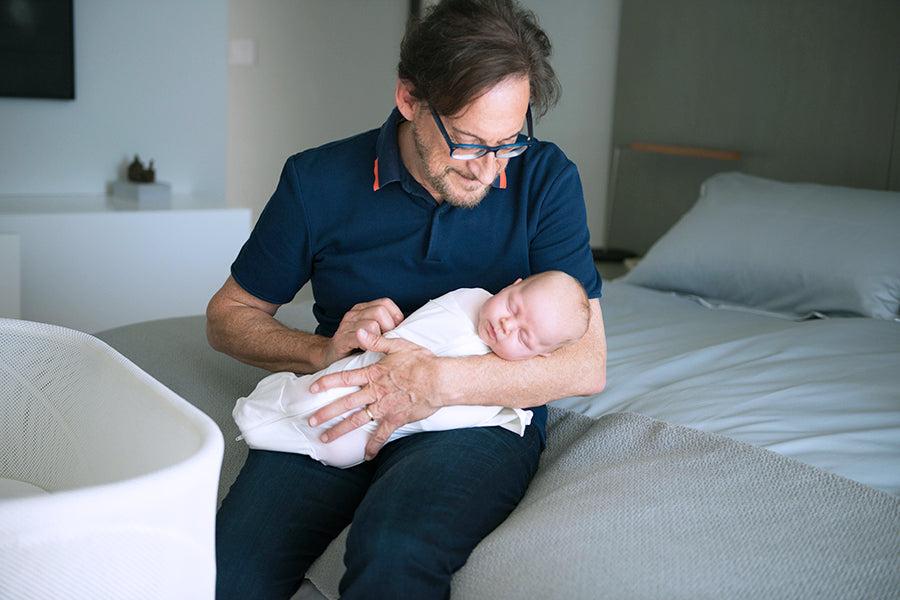
Swaddling mimics the snug, gentle hug babies adored in the womb, which not only helps to activate the calming reflex…it also keeps your baby’s flailing arms from bonking them in the face and waking them up! (For your baby’s safety, it’s very important to stop swaddling when your little one starts to roll. Unless, of course, your baby is snoozing in SNOO, where babies can remain safely swaddled until they graduate to the crib.)
Step 3: Give your baby a breast or paci to suck on.
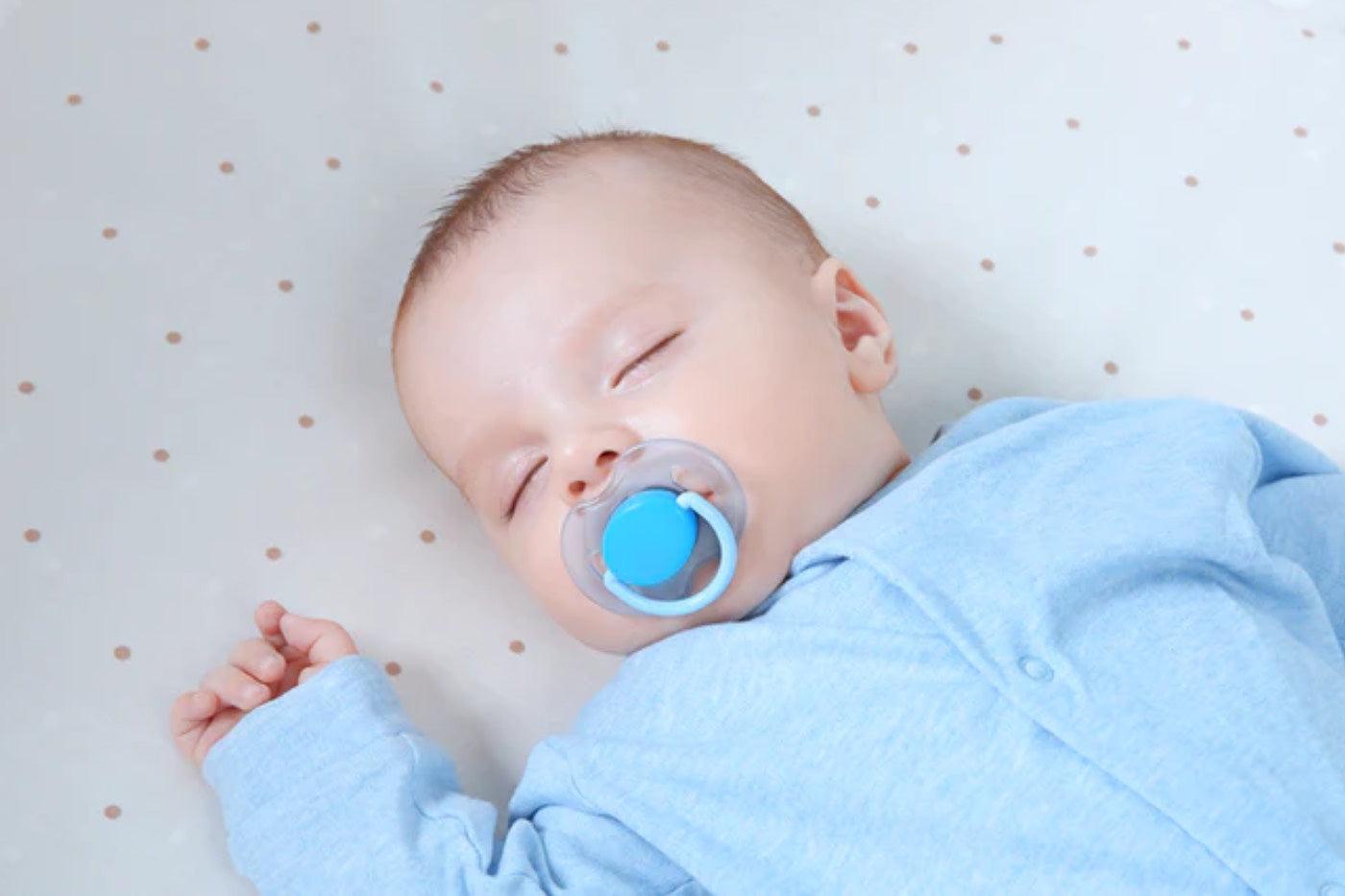
Whether a breast or a binky, babies love to suckle! Sucking has extraordinary calming power because it can lower heart rate, blood pressure, and stress levels. If you’re nursing, wait until breastfeeding is well-established before introducing a pacifier. And if you need some help encouraging your baby to take—and love—a paci, learn about my pacifier trick!
Step 4: Rock your baby into the sleepy zone!
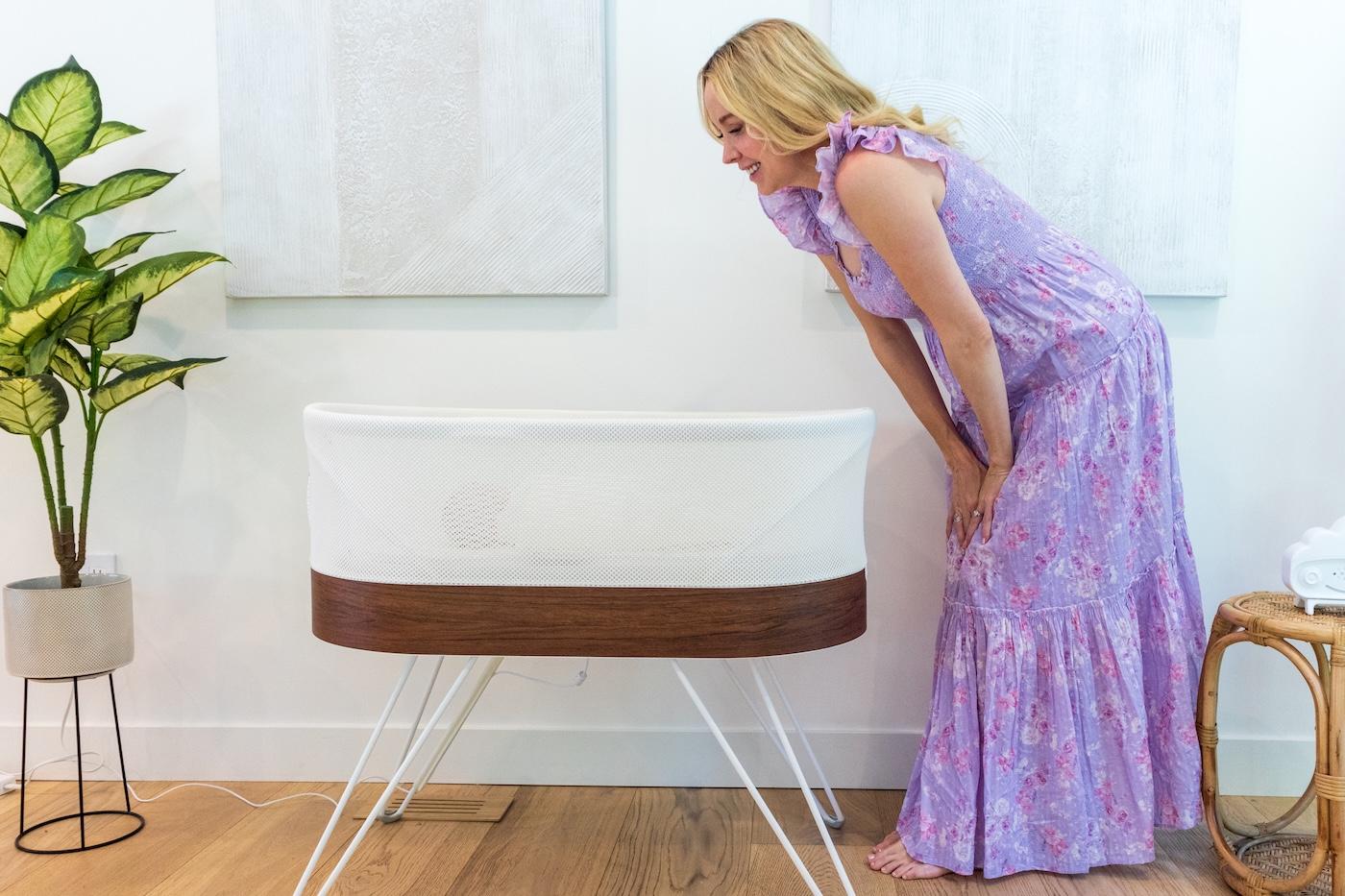
We all instinctively know that rocking helps babies relax and fall asleep…and there are studies to prove it! Research shows that rocking—whether in arms or in SNOO, a rocking bassinet—reduces crying, hastens sleep onset, and improves overall sleep quality.
Beyond these go-tos, feel free to incorporate other soothing activities that suit your needs, like a toasty bath, a loving baby massage, or a soft lullaby. Within a week, these sleep cues and consistent bedtime routine will begin to work like hypnosis!
When should I start a bedtime routine for my baby?
While all of the above sleepytime cues can—and should—start from the get-go, know that most babies are receptive and able to start a regularly scheduled bedtime routine at around 8 weeks. Having a newborn bedtime routine helps to calm your baby and eases them into a good night’s sleep. And as your infant gets better and better at remembering patterns, all these sleepytime cues become almost Pavlovian! Ahh, my swaddle and the shushing . . . I feel tired already. Keep in mind that starting a bedtime routine for your newborn—and helping your child get a good night’s sleep—are vital to both your lovebug’s happiness and your own!
When should I change my baby’s bedtime routine?
You know the old saying, If it ain’t broke…? There’s actually no rush to ditch the white noise or the pacifier from your baby’s bedtime routine. But swaddling definitely has an end point. Here’s the scoop on when you need to consider weaning from the pacifier, rocking, and more:
- Swaddling should stop…as soon as your baby can roll to their belly— a SIDS risk factor. The age that babies begin to roll varies greatly but can start as young as 2 months. The good news: Babies can remain safely swaddled for up to 6 months in my award-winning SNOO Smart Sleeper, thanks to its built-in swaddle. (Learn more about when to stop swaddling.)
- White noise should stop…never! Or, at least, there’s absolutely no harm in playing white noise into toddlerhood and beyond. Think of white noise as just another healthy sleep tool, like your comfy pillow, that helps get you to dreamland. However, if you’d like to wean from white noise, simply lower the sound gradually, bit by bit, over a week or two until it’s finally off.
- Pacifier use should stop…between the ages of 2 and 4. That’s when most children are emotionally ready to wean off the binky on their own. When your bub gets close to 18 months, start reducing their pacifier access to just nighttime or other stressful situations. And by 2-and-a-half, you might want to start saying something like, “When kids turn 3, the pacifier fairy flies away with old pacis and brings back new toys! I wonder what she’ll bring you!” (Learn more about how and when to kick the paci habit.)
- Rocking should stop…if it morphs into a “bad sleep cue,” meaning it’s inconvenient or too demanding. Once your little one is about 6 months old, they tend to naturally outgrow the need for rocking to help them sleep. At that time, it’s quite easy to wean babies off motion if needed.
Baby Bedtime Route: The Final Step
The above baby bedtime routine has fairly undemanding steps that won’t lead you down the road to disaster. Hoorah! But if you are ready to take your baby’s bedtime routine to the next level, allow me to introduce you to my “wake and sleep” technique. Here, after you rock your baby to sleep and slide them into their bassinet, you—get this—gently wake them up so that their eyes are barely open by softly tickling Baby’s feet. Seriously! As long as your baby is swaddled, shushed, and their tummy is full, they’ll return to dreamland in just a few seconds. AND that brief drowsy-awake time is your little one’s first step to learning how to self-soothe and sleep through the night!
For more baby and toddler sleep help…
- A Sleep Schedule for Your Baby’s First Year
- What to Do When Baby Wakes Every Hour
- A Great Toddler Bedtime Routine
- The Bedtime Story That'll End Toddler’s Stalling!
Disclaimer: The information on our site is NOT medical advice for any specific person or condition. It is only meant as general information. If you have any medical questions and concerns about your child or yourself, please contact your health provider.
SHARE THIS ARTICLE
MOST LOVED
Sleepytime Sidekicks