TODDLER
Signs Your Toddler Isn’t Getting Enough Sleep
Overtired toddlers don’t always show the sleepy signs you’d expect! Here, 6 clues your tot needs more ZZZs.

Written by
Happiest Baby Staff

As a full grown person, you know the signs that you haven’t had enough sleep. You hit the snooze button one too many times. You’re spacey or snappy during meetings. You yawn your way through Netflix-ing. With toddlers, however, spotting their “I’m tired” tells are not as simple.
Even if their sleepy signs are more subtle, good shuteye is still crucial through the toddler years! Toddlers 1 to 2 years old should be clocking 11 to 14 hours of sleep, including naps, each day. And 3- to 5-year-olds need 10 to 12 hours, plus naps. But roughly 33% of toddlers and 35% of preschoolers fall short of those recs, according to a 2021 report from the Centers for Disease Control and Prevention (CDC). And being low on ZZZs can have some serious consequences—on physical health, emotional regulation, brain development, learning…and more! (Learn about why sleep is so essential for babies and kids.)
For help deciphering your tyke’s too-sleepy red flags, read on to get schooled in the sometimes surprising signs your toddler isn’t getting enough sleep.
Your toddler easily falls asleep in transit.
“Quickly falling asleep during car or stroller rides is a sign your toddler isn’t getting enough rest,” says pediatrician Dr. Harvey Karp, bestselling author of The Happiest Baby on The Block. The jiggle, comfy car seat or stroller is, no doubt, super-relaxing, but remember: A toddler who’s not already sleepy, can’t be gently jostled or strolled into dreamland. While you may be tempted to let your sleepy toddler rest, doing so will likely keep the sleep-deprivation cycle going. What your overtired tot truly needs is a regular nap and bedtime in their own crib or bed.
To help keep car and stroller time ZZZs at bay, try these tips:
-
Roll down the windows. The cool breeze can help keep your bub awake. - Time rides right. If possible, avoid strolling or driving your toddler one hour before their scheduled sleepytime.
- Keep loveys at home. Don’t give your tot their favorite sleepytime companion, like their lovey or pacifier, while they’re in the stroller or strapped into the car.
- Be entertaining! Play their favorite music or audiobook, hand over a fun travel toy, chitchat…whatever you do, attempt to keep your toddler engaged and awake.
- Keep them company. If another person is driving, sit in the backseat with your toddler to help keep them
Your toddler gets hyper toward the end of the day.
Pre-bedtime zoomies are a thing—and they’re a sure sign that your toddler is not getting enough sleep! “Overtired children often get even more hyper toward bedtime. So, rather than winding down, they get wound up, which leads to bedtime resistance,” says Dr. Karp. Once a toddler becomes overtired, their fight-or-flight response is activated and the hormone cortisol floods their system, which keeps kids uber-alert and fighting bedtime. Then, when your hyped-up tyke does finally settle down, the memory of their bedtime struggle can reverberate throughout the night and “actually wake them up when they enter one of their light stages of sleep in the middle of the night,” notes Dr. Karp.
To sidestep this issue do the following to bring on the evening calm:
- Dim the lights. At least 30 minutes prior to bedtime dim all the lights in the house and pull the curtains closed. This’ll signal your tot’s brain to produce melatonin, the sleepytime hormone.
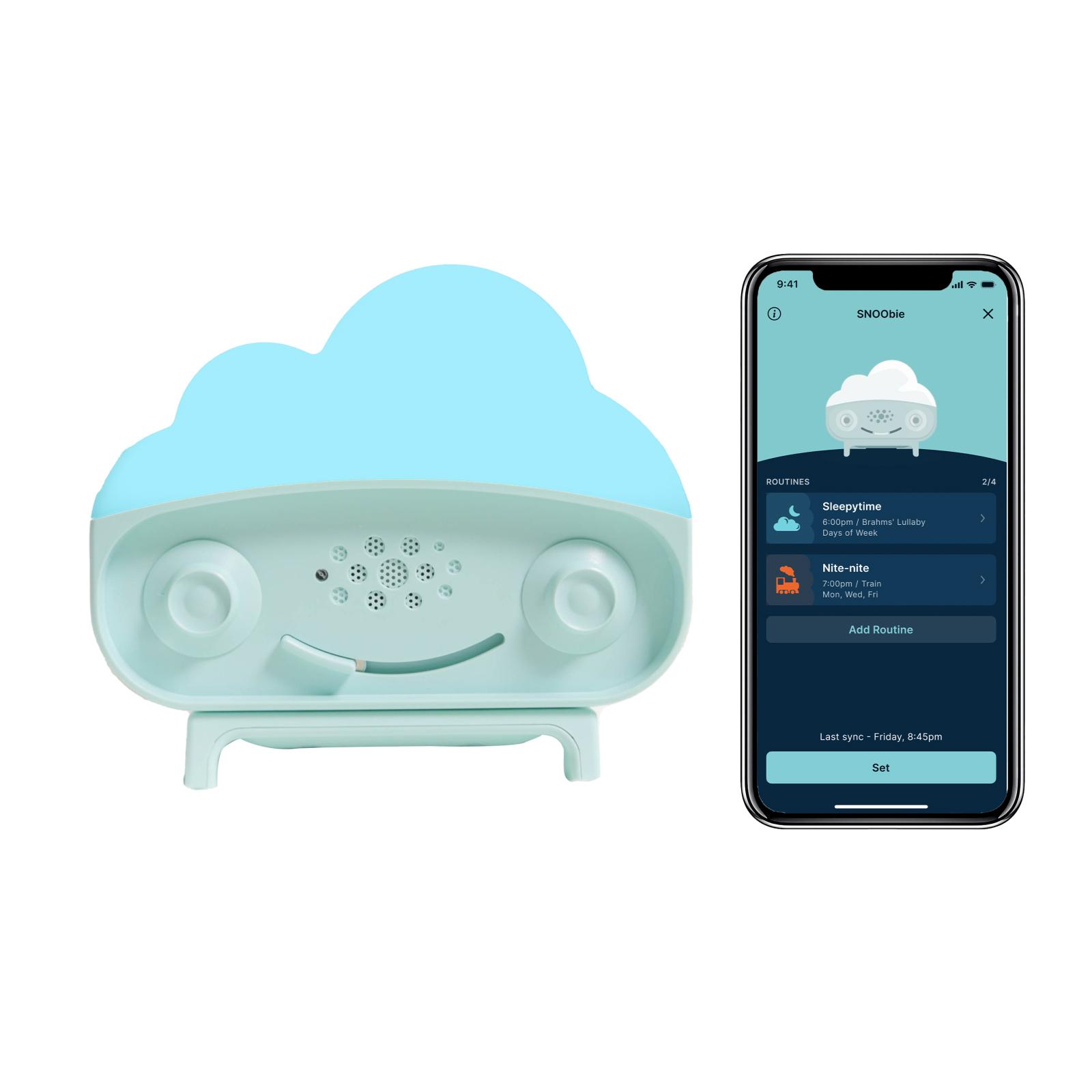
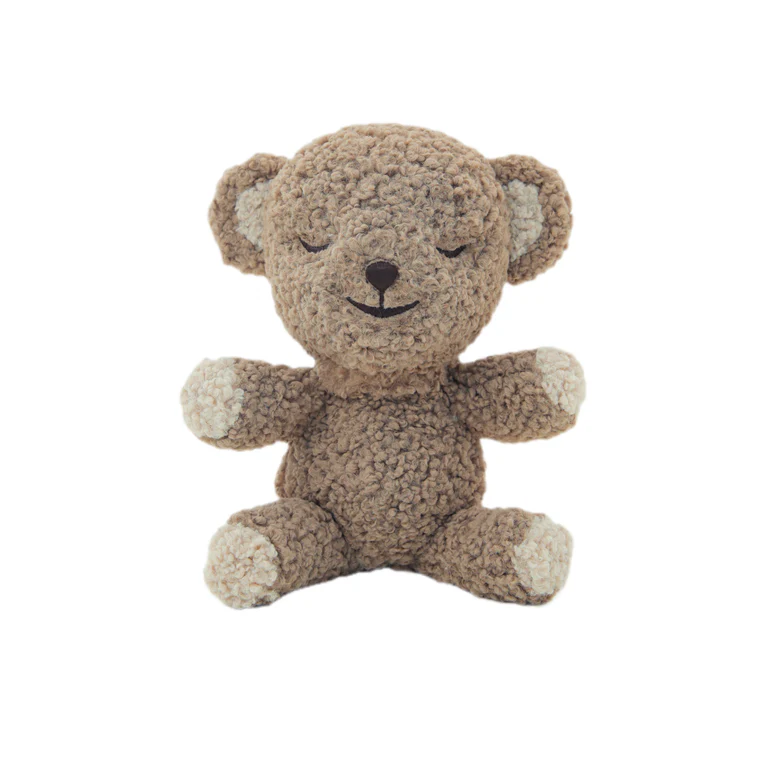
- Play white noise. Once you start using white noise in the background during your tot’s bedtime routine, they’ll start to expect it and make the connection that white noise means sleep is near. Plus, white noise muffles sounds that distract keyed-up toddlers from sleeping. (Two white noise machines that toddlers love: SNOObie, which is also a calming nightlight and OK-to-wake “alarm” and cuddly SNOObear.)
- Turn off screens. TVs, computers, iPads…all screens need to be powered down at least 45 minutes before lights out. These devices release a lot of blue light, which blocks the release of melatonin.
- Nix these snacks. “Toddlers can easily get wound up thanks to cold medicine, sugary juice, sweet snacks, processed foods that contain artificial colors and flavors, or a dose of caffeine from soda, iced tea, or chocolate,” says Dr. Karp.
- Engage in quiet play. Roughhousing is not for nighttime!
Your toddler has trouble waking in the morning.
If your toddler had sufficient sleep, they’d wake up in the morning feeling refreshed and ready for the day. So, if your toddler is clinging to their blankie and fighting the morning sun, that’s a clear sign that they need to go to bed earlier. To pinpoint the right bedtime, Dr. Karp suggests starting their routine 15 minutes earlier than normal every two to three nights until you land on the sweet spot of sunny, aptly timed wakeups.
Your toddler is extra tantrum-y.
As grownups have experienced, too, it’s hard to control your emotions when you’re not getting enough sleep! When toddlers lack sleep they often experience extremes in behavior, which includes tantrums. In fact, research shows that fatigue is one of the top tantrum triggers in toddlers…and getting enough rest is considered one of the best tantrum prevention strategies.
It takes 30 minutes or more to settle for sleep.
“If your toddler fights falling asleep for 30 to 60 minutes despite showing clear signs of fatigue, like rubbing their eyes, blinking, and yawning, they’re going to bed too late,” says Dr. Karp. To help, move your tot’s entire night-night routine 15 minutes earlier every two to three nights until you land on a bedtime that works.
Since being overtired can keep your tot from napping, too, try putting your toddler down for daytime sleep 20 minutes earlier than normal. (“Many kids do better if their naptime is after two or three hours of play even if they don’t seem sleepy,” says Dr. Karp.)
And if your toddler naps hard in the middle of the day—and you want to shift some of that sleep to the evening, start by shortening the afternoon nap by 15 minutes. (This’ll help your toddler be a bit more tired at night.) If that goes well, trim another 15 off until you land on the schedule you want. Finally, keep your toddler’s naps from going past 4 or 5pm! (Learn more toddler napping tips from Dr. Karp.)
Your toddler is antisocial.
If your social butterfly of a toddler is retreating to their cocoon, that may be a sign they’re short on sleep. Experts note that being “slow to interact with peers or parents” is a symptom of being overtired. Children require adequate sleep to not only maintain alertness, but to be responsive in social interactions. Next time your bub tunes out of a playdate, don’t force the fun. Instead, rethink your child’s sleep schedule and check out these tips for making toddler playdates a success.
More on Toddler Sleep:
- How to Find the Right Bedtime for Your Toddler
- Why Toddlers Won’t Sleep (Plus, How to Help Them Fall & Stay Asleep)
- The Best Toddler Bedtime Routine
- The Big Reasons Your Toddler Wakes at Night
***
REFERENCES- Recommended Amount of Sleep for Pediatric Populations: A Consensus Statement of the American Academy of Sleep Medicine. Journal of Clinical Sleep Medicine. June 2016
- Short Sleep Duration Among Infants, Children, and Adolescents Aged 4 Months–17 Years — United States, 2016–2018. Morbidity and Mortality Weekly Report. September 2021
- Children’s Hospital Colorado: Insufficient Sleep in Children
- Cleveland Clinic: Signs Your Child Is Exhausted: Spotting Sleepiness, From Babies to Teens
- The Nemours Foundation, KidsHealth: Taming Tempers
- Temper Tantrums. StatPearls. February 2023
- Socioemotional behaviour of toddlers influenced by the sleep patterns: Prevalence study. Journal of Family Medicine and Primary Care. March 2022
Disclaimer: The information on our site is NOT medical advice for any specific person or condition. It is only meant as general information. If you have any medical questions and concerns about your child or yourself, please contact your health provider.


SHARE THIS ARTICLE