TODDLER
Do Kids Ever Need Melatonin or Sleeping Pills?
Does melatonin work as a sleep aid? And is it safe? Dr. Harvey Karp explains.

Written by
Dr. Harvey Karp
In generations past, parents used to give small children “a little something” to help put them to sleep—like a bit of Benadryl before a flight, a teeny nip of brandy, even a few drops of opium! These days, however, parents are more likely to turn to over-the-counter melatonin or ask their pediatrician for a prescription sleep aid. The problem? These can be too strong or backfire, accidentally making kids hyper. In fact, none of the common adult sleep medicines are approved by the Food and Drug Administration (FDA) for use in children.
What is melatonin for sleep?
Melatonin is a sleep hormone that gets naturally released when the lights dim and it’s close to night-night. On the flip side, exposure to morning sunlight lowers the production of melatonin, which helps set your child’s internal clock for an easier bedtime. Melatonin is sold over the counter as a sleep aid, and it’s not regulated by the FDA.
Is melatonin a safe and effective sleeping pill for children?
While melatonin plays an important role in sleep, melatonin supplements aren’t sleeping pills. Instead of putting your child to sleep, melatonin supplements help to “trick” your body into feeling like it’s nighttime. That said, melatonin has been shown to occasionally help children with serious sleep problems or jet lag. For example, some research suggests that melatonin may help children with some medically-related sleep difficulties, such as blindness, autism, or ADHD.
Even though melatonin is readily available, always consult your doctor before giving it to your child. Only use a very reputable brand of melatonin—and avoid melatonin that was harvested from the brains of animals.
What are the risks of melatonin for children?
Because supplements aren’t regulated, the purity and dosing of your melatonin is not assured. A recent report shows that an astounding 22 of 25 gummy melatonin supplements studied were not labeled correctly, often containing more melatonin than advertised. Plus, melatonin was the substance most often cited in calls about children to U.S. poison control centers. Over the past decade, pediatric melatonin overdoses have increased by 530%!
Is melatonin safe for toddlers?
In some cases, a doctor might recommend melatonin for a toddler. But when it comes to giving supplements or medicine to children, generally less is better. Typically, a standard dose for young tots is 0.5 to 1 mg, given an hour before lights-out. Higher doses (3 to 10 mg) tend to be reserved for children with medically related sleep issues. (Though keep in mind that research has shown that upping the dosage doesn’t necessarily equal more sleep!) Of course, you should always consult with your doctor before giving your toddler medication or supplements!
Does melatonin have side effects?
Like any medication, melatonin can have side effects. These may include daytime grogginess, headache, and very vivid dreams. Some other possible side effects may include increased bedwetting, dizziness, and/or mood changes. It’s important to know that there have been no long-term clinical trials on melatonin and children.
Melatonin Alternatives for Children
So often, your little one’s sleep troubles can be turned around with a good wake-up and bedtime routine. Here are some proven strategies for getting your toddler to sleep, no medication or melatonin required:
- Regulate melatonin with light. Expose your tot to fresh air and natural outdoor light in the morning to help regulate their melatonin. This’ll help ensure your child will be sleepy when bedtime rolls around. To help melatonin release in the evening, dim the lights at least an hour before shuteye.
- Play outside! While out and about in the morning, make sure your tot gets their wiggles out. It’s recommended that toddlers get at least three hours of running-around play a day because, for one, being active during the day improves a child’s sleep quality at night.
- Stick to a predictable schedule. Research shows that creating a predictable bedtime routine significantly reduces problematic sleep behaviors in toddlers. That means, make sure your tot wakes up at the same time every morning and goes to sleep at the same time each night.
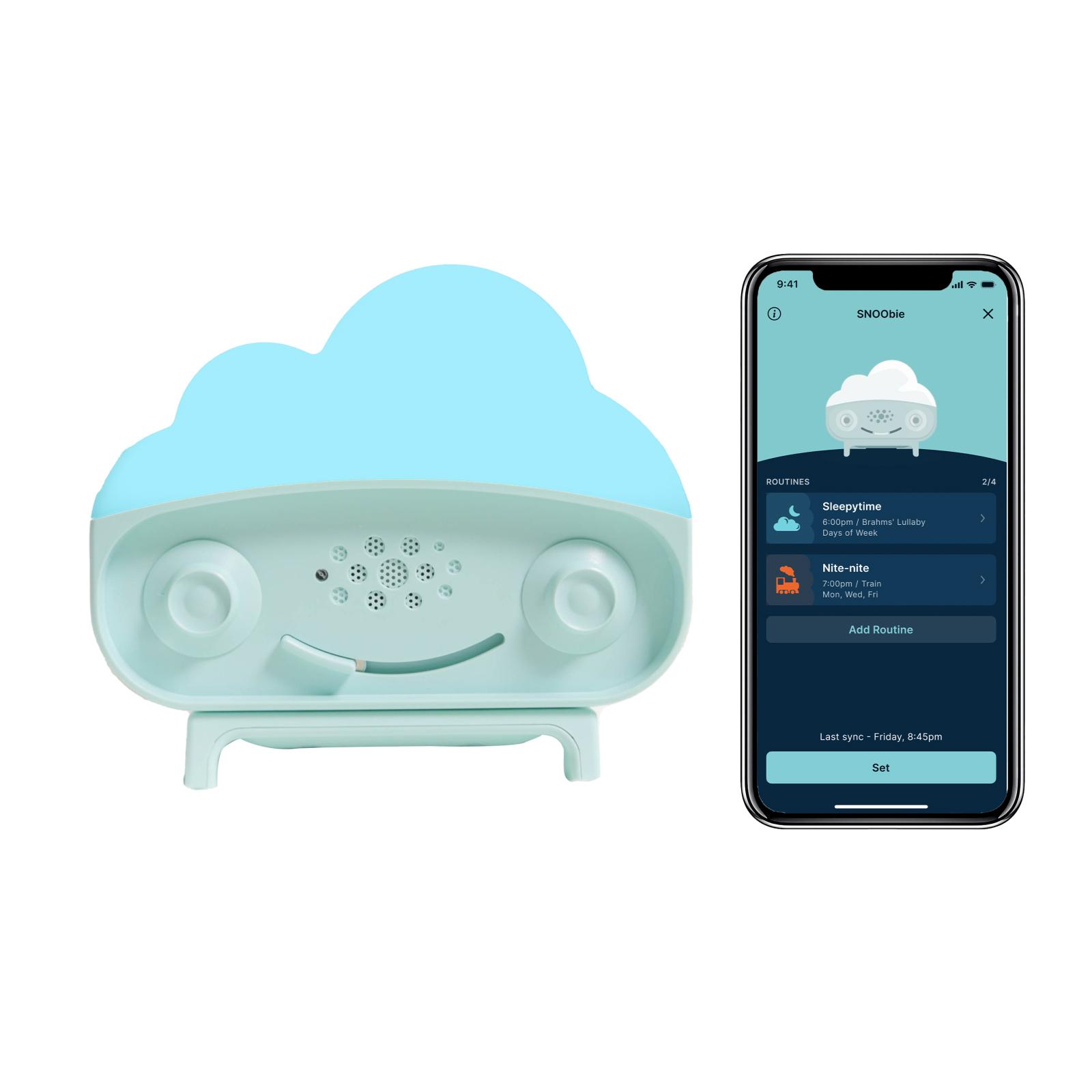
- Play white noise. White noise isn’t just for babies! White noise works great for toddlers and big kids, too. In part, white noise muffles jarring sounds, like a too-loud TV or noisy traffic passing by, that can easily wake tots up. (SNOObie and SNOObear both offer the just-right white noise for toddler sleep.)
- Shrink naptime. If you’ve got a hardcore napper, try shortening your toddler’s afternoon nap by 15 minutes to help them be a bit more tired at night. If that goes well, trim another 15 off and slide bedtime 15 minutes earlier. Keep adjusting until you land on the schedule you want. (And try to keep your toddler’s naps from going past 4 or 5pm.)
For more toddler sleep strategies, read my guide to Why Toddlers Won’t Sleep.
Bottom Line on Melatonin and Sleep Aids
Even though melatonin is readily available over the counter, always consult your doctor before giving it to your child. And if you have melatonin in your home, keep it out of your child’s reach to avoid any accidental ingestion and poisoning.
More on Toddler Sleep Issues
- Dr. Harvey Karp’s Advice on Sleep Training Your Toddler
- How to Sleep Train Your Toddler With an OK-to-Wake Clock
- Ease Sleepytime Struggles With a Bedtime Routine Chart
- How to Find the Right Bedtime for Your Toddler
Disclaimer: The information on our site is NOT medical advice for any specific person or condition. It is only meant as general information. If you have any medical questions and concerns about your child or yourself, please contact your health provider.
SHARE THIS ARTICLE