TODDLER
Rotavirus: What Parents Need to Know About This Tummy-Troubling Virus
Vomiting, watery diarrhea, and a cranky baby? Rotavirus may be the culprit. Here's how to spot it, soothe it, and prevent it.

Written by
Happiest Baby Staff
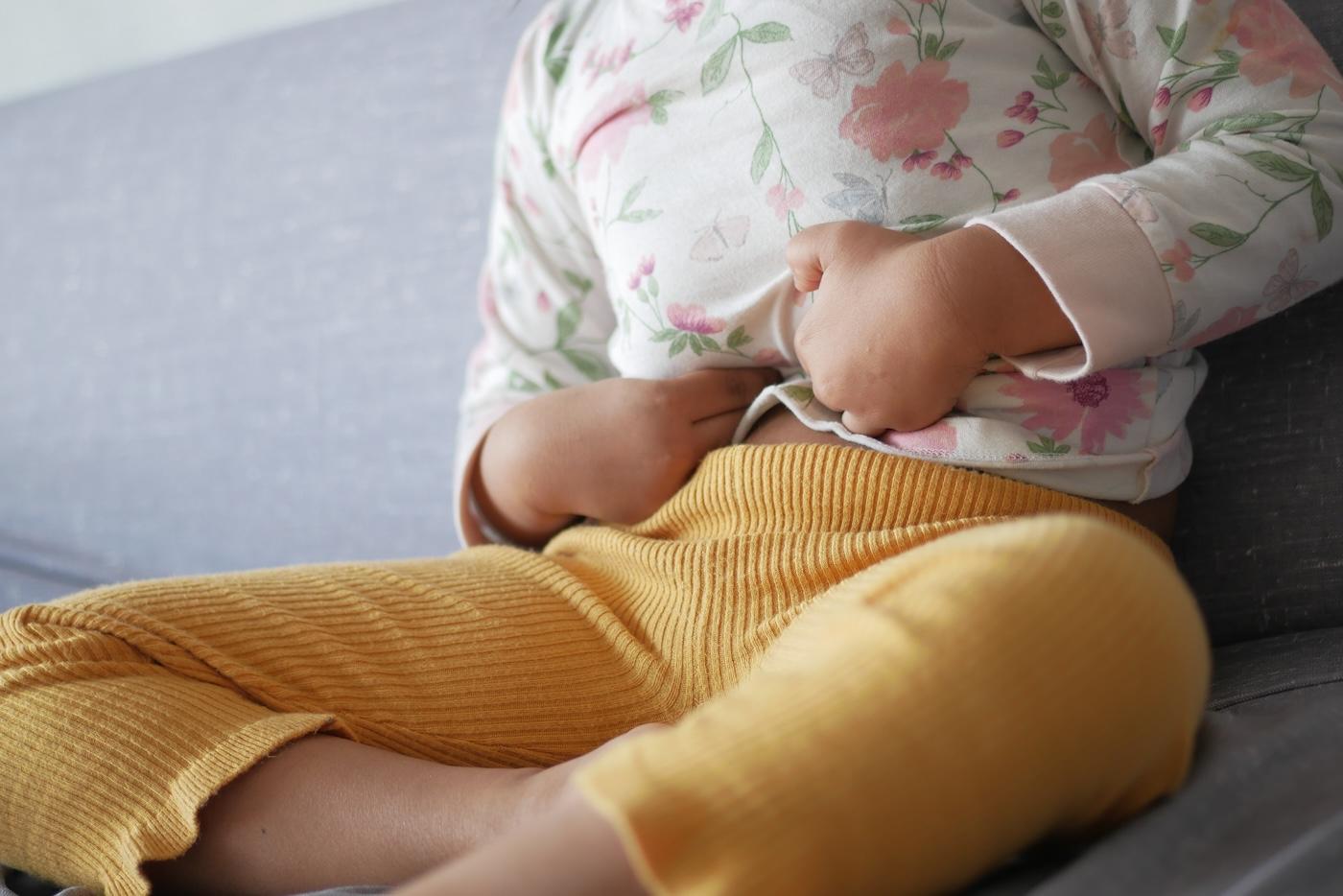
If you've ever spent a night changing diaper after diaper while also catching spit-up in a burp cloth (or your hands…or your hair), you already know that tummy bugs are a special kind of parenting misery. And among the stomach viruses that plague babies and toddlers, rotavirus has long been one of the toughest. Before a vaccine was available, nearly every child in the U.S. caught rotavirus by their fifth birthday—and each year the illness led to 55,000 to 70,000 hospitalizations among young kids.
Thanks to the miracle that is modern medicine, rotavirus is far less common today, and when it does strike, most little ones recover at home with lots of fluids and TLC. Here's everything you need to know about rotavirus in babies and kids, from the telltale symptoms to the dehydration warning signs that mean it's time to call your pediatrician.
What is rotavirus?
Rotavirus is a very contagious virus that infects the stomach and intestines, causing a type of illness called gastroenteritis. (You may hear gastroenteritis called the "stomach flu," but it has nothing to do with influenza.) The virus gets its name from the Latin word rota, meaning "wheel," because it looks like a tiny wheel under an electron microscope.
Rotavirus works by damaging the cells that line the small intestine, which is what leads to all that watery diarrhea. Globally, it remains the leading cause of severe gastroenteritis in children younger than 5.
Who's most at risk for rotavirus?
While anyone can catch rotavirus, infants and young children are most likely to get sick. In the U.S., kids in childcare centers and other settings with lots of little ones are at highest risk for infection, and the most severe rotavirus disease happens mainly in unvaccinated children between 3 months and 3 years old. Children with weakened immune systems are especially vulnerable, since they may develop very severe or long-lasting diarrhea.
Interestingly, babies younger than 3 months have relatively low rates of rotavirus infection, likely thanks to antibodies passed along from their birthing parent—and possibly from breastfeeding.
Rotavirus Symptoms
Rotavirus symptoms usually appear about two days after exposure. The most common signs of rotavirus include:
- Severe, watery diarrhea
- Vomiting
- Fever
- Stomach pain
- Loss of appetite
Often, vomiting shows up first, followed by watery diarrhea. Fever tends to accompany the illness in about one-third of kids—and in up to one-third of infected children, temperatures can climb above 102°F.
The biggest concern with rotavirus isn't the diarrhea itself—it's the dehydration that can follow when a little one loses more fluid than they can take in. Dehydration is especially dangerous for infants and young children.
How does rotavirus spread?
Rotavirus lives in poop (sorry for the TMI!). It spreads when even a small amount of stool from an infected person makes its way into someone else's mouth. That can happen when a person:
- Puts unwashed hands that have touched poop into their mouth
- Touches contaminated objects or surfaces—think toys, changing tables, and doorknobs—and then touches their mouth
- Eats contaminated food
- Droplets from coughs and sneezes can also spread rotavirus, though they're less infectious than contaminated food or surfaces.
What makes rotavirus so tricky? It's a resilient little germ. Rotavirus can survive on surfaces for weeks to months, and infected people shed the virus in high concentrations in their stool. That's why it commonly spreads in families, hospitals, and childcare centers.
When is rotavirus season?
In the U.S., children are most likely to catch rotavirus in the winter and spring, from January through June. That said, a person can get rotavirus any time of year.
How long is rotavirus contagious?
Here's the frustrating part: People with rotavirus can spread it before they even have symptoms. Infected people begin shedding large amounts of virus in their stool starting two days before diarrhea begins. According to the CDC, people are most contagious:
- While they have symptoms
- During the first three days after they recover
Kids with weakened immune systems may shed rotavirus for more than 30 days after infection.
When can my child go back to daycare after rotavirus?
Because rotavirus spreads so easily, children with rotavirus should stay home from school or childcare until their symptoms have completely resolved. Your childcare center may also have its own return policy, so check with your provider and your pediatrician before sending your kiddo back.
How long does rotavirus last?
For most healthy kids, vomiting and watery diarrhea from rotavirus last three to eight days. In people with healthy immune systems, rotavirus is self-limited, meaning it runs its course and goes away on its own.
Keep in mind that your child's stools may stay a bit loose even after they start eating again. According to the AAP, that doesn't necessarily mean things are going poorly. Instead, look for signs of improvement, like more energy, a better appetite, more frequent peeing, and the disappearance of dehydration signs.
Rotavirus vs. Norovirus
Rotavirus and norovirus are both highly contagious stomach viruses that cause vomiting and diarrhea—and without a lab test, they can be nearly impossible to tell apart. A few key differences:
- Who gets it: Rotavirus mainly affects babies and young children, while norovirus is a common culprit across all ages.
- How common it is: Since the rotavirus vaccine was introduced, norovirus has overtaken rotavirus as the leading cause of viral gastroenteritis in high-income countries like the U.S.
- Severity: Rotavirus infections tend to be more severe than other common stomach bugs.
- Prevention: There's a routine vaccine for rotavirus. There is currently no vaccine for norovirus.
Luckily, the at-home game plan is the same for both: fluids, rest, and a close eye out for dehydration.
How to Treat Rotavirus at Home
There's no specific medicine to treat rotavirus, and antibiotics won't help, because antibiotics fight bacteria, not viruses. Instead, treatment is all about keeping your little one hydrated and comfortable while the virus runs its course. Here's how to help:
- Keep the fluids coming: The most important treatment for young children with vomiting or diarrhea is keeping them well hydrated with breast milk, formula, an electrolyte solution, or other fluids.
- Reach for an oral rehydration solution: Because the body loses salts with diarrhea, it's important that the fluids your child drinks contain salt. Oral rehydration solutions (like Pedialyte or Enfalyte) are sold over the counter and are most helpful for mild dehydration. Ask your pediatrician how much to offer based on your child's weight.
- Go small and frequent if your child is vomiting: Offer small amounts more often rather than big gulps. If your child vomits, experts suggest waiting five to 10 minutes before offering fluids again, more slowly.
- Keep breastfeeding: Many breastfed babies can stay hydrated with frequent nursing alone. Your pediatrician will let you know if extra electrolyte solution is needed.
- Don't hold back food for too long: It's not necessary to withhold food for longer than 24 hours, and your child needs nutrition to regain strength. Once they're ready to eat, gradually return to their usual diet. (If your child is over 1 year old, your pediatrician may suggest temporarily holding off on milk if it seems to make diarrhea worse.)
- Go easy on juice: Too much apple juice can cause diarrhea, even in healthy kids.
- Skip over-the-counter diarrhea medicine unless your pediatrician specifically recommends it. Evidence-based guidelines agree that antidiarrheal medications should not be used for children with gastroenteritis. If vomiting is making it hard for your child to keep fluids down, your pediatrician may prescribe an anti-nausea medicine.
- Wash your hands—a lot: Scrub up with soap and water after every diaper change and before preparing food to help keep rotavirus from spreading through your household. (Here's how to teach toddlers to wash their hands like pros.)
If your child becomes severely dehydrated, they may need to be treated in the hospital with intravenous (IV) fluids.
Signs of Dehydration
Since rotavirus can cause dehydration fast, knowing the warning signs is key:
- Fewer wet diapers or peeing less than usual
- Dry mouth and throat
- Crying with few or no tears
- Increased thirst
- Unusual sleepiness or fussiness
- Weight loss
- Dizziness when standing up (in older kids)
As dehydration worsens, your child may become cranky and irritable, their eyes may look sunken, and they may have a faster heart rate and breathing. Severe dehydration is a medical emergency.
When to Call the Doctor About Rotavirus
Always call your pediatrician whenever you're worried—that's what they're there for! But reach out right away if your child shows signs of dehydration or any of these red flags:
- Is younger than 6 months old
- Has a temperature of 104°F or higher
- Vomits blood or green (bile-colored) fluid
- Cries inconsolably or is extremely irritable
- Is unusually drowsy, confused, or hard to wake
- Is breathing rapidly
- Has bloody diarrhea (this can point to a different cause than rotavirus)
- Can't keep fluids down
And kids with weakened immune systems or other chronic health conditions should be seen by a healthcare provider sooner rather than later.
The Rotavirus Vaccine
Getting vaccinated is the best way to protect your child against rotavirus. Good hygiene matters, but handwashing and cleanliness alone are not enough to control rotavirus.
How is the rotavirus vaccine given?
No needles required! The rotavirus vaccine is given as drops in your baby's mouth. There are two brands available in the U.S., and both are considered safe and effective:
- RotaTeq (RV5): Three doses, given at 2, 4, and 6 months
- Rotarix (RV1): Two doses, given at 2 and 4 months
Timing matters with this one: Your baby should get their first dose before they turn 15 weeks old and all doses before 8 months old. The vaccine can be safely given at the same visit as other routine baby shots. (Here's what else to expect at your baby's well-child visits.)
How well does the rotavirus vaccine work?
Very well! In large clinical trials, about 9 in 10 vaccinated babies were protected from severe rotavirus, and about 7 in 10 were protected from rotavirus of any severity. Between 94% and 96% of vaccinated children are protected from rotavirus hospitalization. And since the vaccine was added to routine childhood immunizations, rotavirus hospitalizations among U.S. kids under 5 have dropped by about 75%.
The World Health Organization recommends including rotavirus vaccines in every country's national immunization program.
Is the rotavirus vaccine safe?
Most babies who get the rotavirus vaccine have no problems at all. When side effects do occur, they're usually mild and go away on their own, and may include fussiness and mild, temporary diarrhea or vomiting.
Very rarely, the rotavirus vaccine is linked to intussusception, a type of bowel blockage in which the intestine folds into itself like a telescope. The CDC estimates the risk at about 1 in 20,000 to 1 in 100,000 U.S. infants, usually within a week after the first or second dose. With prompt hospital treatment, almost all babies who develop intussusception fully recover.
Call your baby's doctor right away if, after a rotavirus vaccine dose, you notice stomach pain with severe crying, your baby pulling their legs up to their chest, repeated vomiting, or blood in their stool. If you can't reach your doctor, head to the hospital and tell them when your baby got the vaccine.
Who shouldn't get the rotavirus vaccine?
Talk with your pediatrician before vaccination if your baby has had a severe allergic reaction to a previous dose or vaccine ingredient (including a severe latex allergy), severe combined immunodeficiency (SCID), a history of intussusception, or a weakened immune system. Babies who are moderately or severely ill—including those with moderate to severe diarrhea or vomiting—should wait until they recover. Mildly ill babies can typically still get the vaccine.
Is the rotavirus vaccine still recommended?
You may have seen headlines about changes to the federal childhood vaccine schedule. Here's where things stand: In January 2026, the CDC changed its rotavirus recommendation from routine to "shared clinical decision-making," meaning families and healthcare providers decide together. The AAP disagreed with that change and continues to recommend the rotavirus vaccine for all children at the appropriate age. In March 2026, a federal judge blocked the new schedule while a lawsuit brought by the AAP and other medical groups continues. As of publication, the CDC's posted immunization schedule lists rotavirus vaccine at 2 and 4 months (plus a third dose at 6 months for RotaTeq) for all infants.
Because federal guidance may continue to change, the best move is to talk with your pediatrician about your baby's vaccine plan. (For a broader look at your baby's shots, check out our baby vaccine guide.)
How to Prevent Rotavirus
The rotavirus vaccine is your strongest line of defense! Beyond that, these everyday habits can help cut down on the spread of rotavirus (and plenty of other germs):
- Wash hands often with soap and water, especially after changing diapers, using the bathroom, and before preparing or eating food.
- Clean and disinfect changing tables, toys, and high-touch surfaces regularly, since rotavirus can linger for weeks or months if surfaces aren't disinfected.
- Keep sick kids home from childcare until their symptoms are gone.
- Breastfeed, if you can. Nursing is linked to fewer cases of gastroenteritis and fewer hospitalizations for diarrheal illness in young children. Exclusively breastfed babies are also less likely to develop severe diarrhea.
The Bottom Line
Rotavirus is a highly contagious stomach virus that causes watery diarrhea, vomiting, fever, and belly pain, mostly in babies and young children. Symptoms usually start about two days after exposure and last three to eight days. There's no specific medicine for it—treatment focuses on preventing dehydration with fluids like breastmilk, formula, or an oral electrolyte solution. Fortunately, the rotavirus vaccine is highly effective! Given by mouth starting at 2 months, the rotavirus vaccine protects about 9 in 10 babies from severe illness.
More on Common Childhood Illnesses:
- What to Know About Bellyaches
- Fever and Vomiting in Toddlers
- Enterovirus Explainer: What Parents Need to Know
- Dr. Harvey Karp's Guide to Hand-Foot-Mouth Disease
***
REFERENCES- Centers for Disease Control and Prevention: Clinical Overview of Rotavirus
- American Academy of Pediatrics: Rotavirus in Children: Symptoms, Treatment & Why the Vaccine Matters
- Rotavirus, StatPearls (National Library of Medicine), Updated Jan 2023
- Centers for Disease Control and Prevention: About Rotavirus
- Chapter 19: Rotavirus, Epidemiology and Prevention of Vaccine-Preventable Diseases (Centers for Disease Control and Prevention), Apr 2024
- American Academy of Pediatrics: Treating Dehydration with Electrolyte Solution
- Gastroenteritis in Children, American Family Physician, Feb 2019
- Centers for Disease Control and Prevention: Rotavirus Vaccination
- World Health Organization: Rotavirus
- American Academy of Pediatrics: Shared Clinical Decision Making for Immunizations
- AAP's Historic Victory in Vaccine Lawsuit a 'Critical Step' in Restoring Science to Federal Policy, AAP News, Mar 2026
- Centers for Disease Control and Prevention: Child and Adolescent Immunization Schedule by Age
Disclaimer: The information on our site is NOT medical advice for any specific person or condition. It is only meant as general information. If you have any medical questions and concerns about your child or yourself, please contact your health provider.





SHARE THIS ARTICLE
MOST LOVED
Sleepytime Sidekicks