PARENTS
7 Practical Ways to Prepare for Fatherhood
There’s a lot partners can do to before Baby arrives!

Written by
Happiest Baby Staff

You've heard people say that nothing can really prepare you for parenthood. That's...partially true. You can't rehearse how you’ll respond the moment you hold your baby for the first time, or the specific exhaustion of a 3am feeding. But the idea that preparation doesn't matter? That one's a myth. How ready you feel walking into those first weeks—the confidence, the practical skills, the honest conversations you've had with your partner—makes a real difference.
Read the room (and the birth plan).
If your partner has been putting together a birth plan, it's not just their document—it's yours too. Read it and ask questions. Make sure you understand their preferences around pain management, who they want in the room, and what kind of support they're hoping for from you in the delivery room. Consider taking a childbirth prep class together—the more you both know going in, the more grounded you'll feel when things get unpredictable. Your job isn't to have all the answers. It's to be steady, present, and informed enough to advocate for your partner when they need it most.
Learn soothing skills before you need them.
Here's an underrated piece of advice: practice the baby-calming moves before your baby is screaming at 2am and your brain is running on two hours of sleep.
Dr. Harvey Karp, pediatrician and founder of Happiest Baby, developed the 5 S's—Swaddle, Side/Stomach position (for soothing), Shush, Swing, and Suck—as a system for activating a newborn's calming reflex. Read up on them and watch a video before your baby arrives. You could even practice the swaddling on a stuffed animal (or just add Sleepea—the 5-second swaddle—to your registry). The parents who feel most confident in those early weeks are usually the ones who came in with a toolkit.
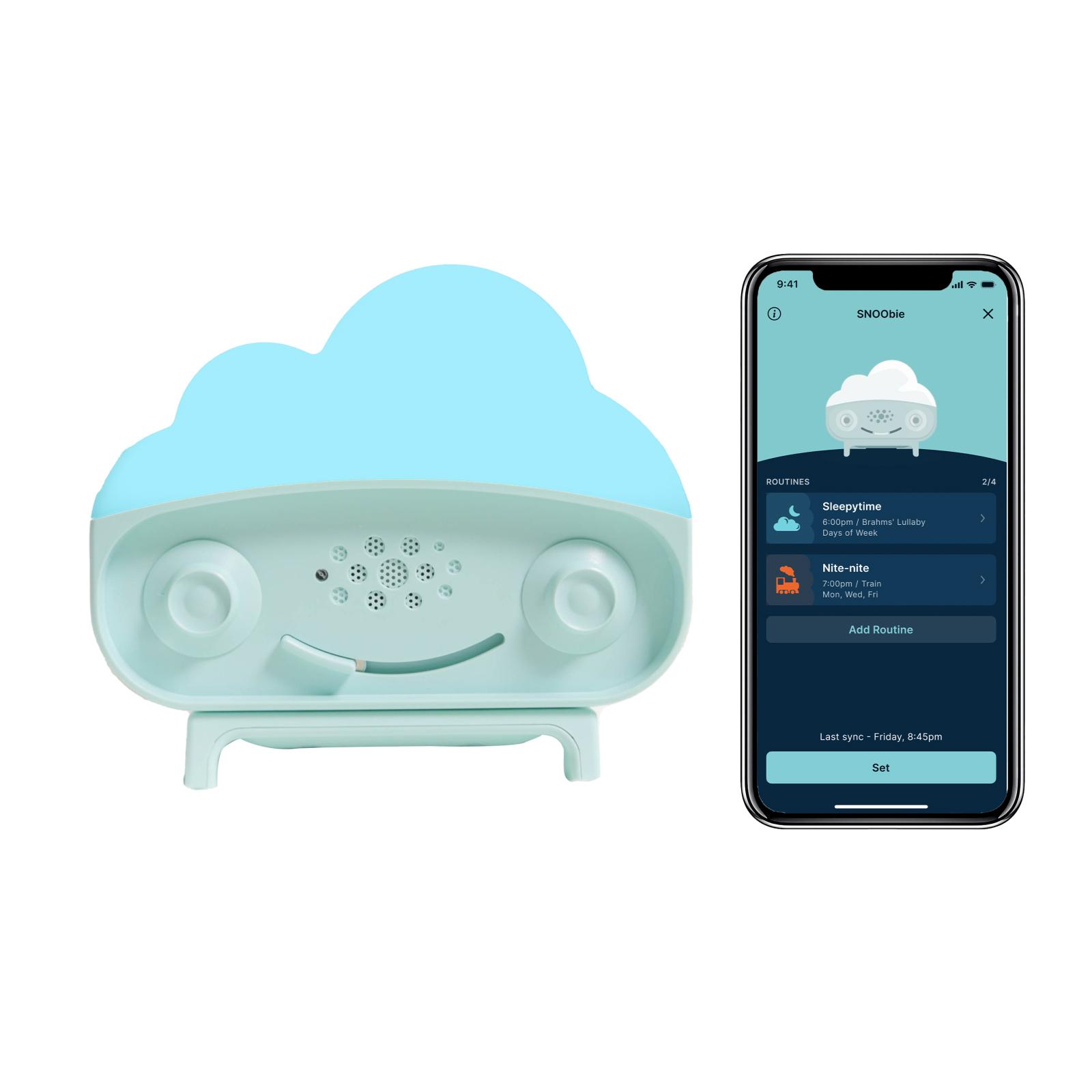
On the sleep front, familiarize yourself now with safe sleep guidelines from the American Academy of Pediatrics: Babies sleep alone, on their backs, in a firm, flat sleep space free of soft objects and loose bedding. If you're considering a SNOO Smart Sleeper—the responsive bassinet that automatically adjusts sound and motion when a baby fusses and keeps babies securely on their backs—the pregnancy period is the right time to research, rent, or register for it.
Prep your home—and your schedule.
Nesting is often talked about as a pregnancy instinct, but there's no reason you can't get in on it. The practical prep that happens before baby arrives is one of the highest-leverage things you can do as a soon-to-be parent.
Some specifics worth tackling in the third trimester:
- Install the car seat early and get it inspected. Most local fire stations offer free checks.
- Set up a sleep space that meets safe sleep guidelines—and know where the baby will sleep the first few months.
- Stock the freezer. Batch cooking now means fewer decisions and less stress after birth.
- Have an honest conversation about night shifts. Who's getting up when? What does a sustainable split look like given work schedules, feeding plans, and each person's needs? This is easier to figure out in advance than at 4am.
Talk money before your baby arrives.
Babies come with real financial decisions, and the more you've discussed them before the birth, the less friction you'll face later. Think through things like parental leave (what you each have, what you plan to take), childcare costs and timelines, whether any big purchases should happen now versus later, and how your budget will shift once you're a family of three. If either of you doesn't have a will or beneficiary designations updated, now is the time to address that.
These aren't romantic conversations, but they're caring ones. Sorting out logistics is one of the most concrete ways to be a present partner during pregnancy.
Know your parental leave options.
Many expecting fathers are surprised to discover they have more leave available to them than they thought—and equally surprised by how confusing it is to figure out. So, do this research now…not the week before your due date!
Start with your HR department or employee handbook. Find out what your employer offers for non-birthing parents: Is it paid, unpaid, or a mix? How long is it? Does it need to be taken all at once, or can it be spread out over the first year? If you're self-employed or your employer doesn't offer paid leave, look into whether your state has a paid family leave program—as of 2024, more than a dozen states have some form of it, and the list keeps growing.
Then have a conversation with your partner: How much leave do you actually plan to take? Research consistently shows that when partners take leave, it leads to better outcomes for everyone. Birthing parents recover better, and babies bond more securely with both caregivers. And partners who are hands-on early tend to stay hands-on. Two weeks of leave where you're genuinely present and doing the work is worth far more than two weeks of working from home while "helping out."
If taking full leave isn't realistic, think about how to maximize whatever time you do have. Saving PTO ahead of the birth, staggering leave so you're home when your partner returns to work, or front-loading your schedule in the third trimester to bank some flexibility—all of these are worth planning for now.
Take care of your own mental health.
Paternal anxiety and depression are real and more common than most people realize. Research suggests that roughly 1 in 10 new fathers experience some form of depression or anxiety during the perinatal period—and many don't recognize it or seek help. Feeling scared, overwhelmed, or unexpectedly emotional as you prepare for this transition is normal. Talking about it—with your partner, a therapist, a trusted friend, or a new parent support group—is a sign of strength, not weakness.
Think about what supports you. Are you getting enough sleep? Movement? Time to decompress? Start those habits now, because they'll matter even more after the baby arrives.
Show up for your partner's prenatal care.
One of the most meaningful things you can do during pregnancy is simply to be present for it. That means more than attending the anatomy scan (though yes, attend the anatomy scan!). It means asking your partner how they're feeling—and listening to the answer. It means being curious about what's happening in their body week to week and noticing when they're exhausted or uncomfortable and doing something about it without being asked.
The research on paternal involvement during pregnancy is consistent: Partners who are engaged before birth tend to be more confident and involved after. Not because they had more natural ability, but because they started earlier.
More Resources for Dads:
- How to Support Your Partner During Labor
- The 5 S's for Soothing Babies
- Safe Sleep Guidelines for Babies
Disclaimer: The information on our site is NOT medical advice for any specific person or condition. It is only meant as general information. If you have any medical questions and concerns about your child or yourself, please contact your health provider.






SHARE THIS ARTICLE