BABY
When Do Babies Roll Over?
Find out when to expect this milestone!

Written by
Happiest Baby Staff

When you think of all the gross motor skills to come, it may seem like learning to roll over is a relatively minor milestone for babies. Think again! As your baby manages to roll over with control, they are building the trunk strength and coordination that will eventually help power their ability to crawl, walk, and run!
When do babies first roll over?
Starting around 3 to 4 months (but sometimes as early as 2 months), it’s common for babies to first roll over by accident—which may take them—and you!—by surprise. Depending on your baby’s interest in rolling, that first unintentional spin may spark their motivation to do it again. Or they may shrug it off as a fluke and remain perfectly content without rolling again for a few more days or weeks.
The bigger milestone is when babies first roll over intentionally and regularly. On average, babies begin to roll from their stomach to their back between the ages of 4 and 7 months, with most babies rolling from tummy to back by 6 months. The ability to roll from their back to stomach often follows, although don’t worry if your baby rolled back to stomach first.
Before you know it, they should be able to easily roll either way… Just in time for you to brace for crawling!
What are signs Baby is ready to roll?
Signs your baby is getting ready to roll include:
- Your baby lifts their head while lying down
- Your baby reaches for toys while on their belly
- Your baby’s neck muscles seem to be getting stronger
How can I help my baby learn to roll?
If you want to encourage your baby to learn to roll, it can help for you to understand the mechanics: In order to roll from stomach to back, your baby will first work on holding up their head and upper torso while doing tummy time. Then, they will probably work on rocking their body—from their trunk to their hips to their legs. Once they develop enough strength and coordination, they can use the momentum to roll themselves over.
All that to say: Rolling takes effort! You can help your baby progress toward it from the very first days of life by regularly practicing tummy time on a playmat or blanket on the floor.
Once your baby is about 4 months, you can take training to the next level by serving as cheerleader. Get down on their level during tummy time. Next, put a favorite toy or object just beyond their reach off to the side. Then, applaud them as they reach (and rock…and maybe roll!) toward the toy.
When should I be concerned if my baby isn’t rolling?
Rolling is an important signifier of your baby’s motor-skill development. If your baby has not rolled over from front to back or back to front by the age of 6 months, bring it up with their pediatrician. Leading up to that conversation, take note of whether your baby is able to hold up their head with control, if they can support their upper torso while raised on their arms during tummy time, and if they are engaging with objects around them.
Remember that rolling takes practice. If your baby isn’t rolling as they get close to 6 months, make a point of doing more tummy time. Some parents shy away from tummy time in the early months when their infants vocally protest it. By this point, your baby should be able to tolerate tummy time sessions better—especially if they have some snazzy sensory toys on the play mat to keep their attention.
How to Help Babies Roll:
In addition to clocking plenty of tummy time, these activities can help babies learn to roll:
- Use toys. Put your baby on their back or belly and put a favorite toy just out of reach. Encourage your little one to reach for the object of their affection. This will help them learn to shift their weight to their side.
- Rock their hips. While your bub’s on their back, rock their hips from side to side. This shows them how to shift their weight, a building block for learning to roll over.
- Show them how it’s done. When your baby is on their back, gently guide them toward one side and see if they can do the rest to get all the way to their belly.
What if my baby rolls in their sleep?
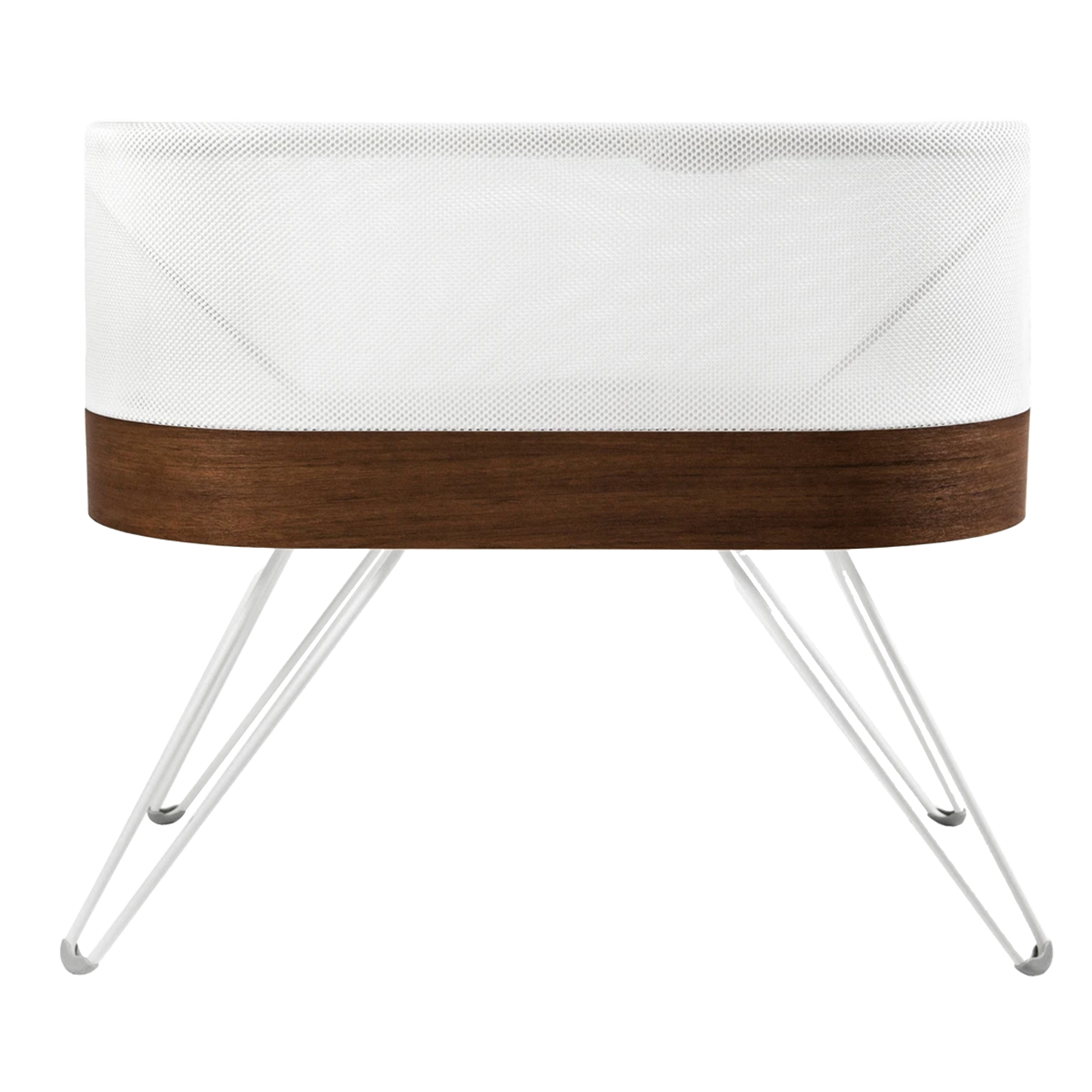
Long before they can roll intentionally, some babies may roll accidentally—but this is less likely to happen to infants who are securely swaddled while sleeping. That's just one reason Dr. Harvey Karp recommends wrapping babies (secure swaddling also helps trigger a baby's calming reflex to soothe fussing and boost sleep and prevents babies from whacking themselves in the face as they snooze)! However, once your baby begins to roll, it’s no longer safe to put them to sleep in a swaddle in a traditional crib. That’s because any stomach sleep increases the risk of SIDS. However, SNOO’s built-in swaddle prevents babies from rolling. That means you can continue to safely swaddle your nugget in their SNOO Sack until your baby is about 6 months old and ready to transition to a crib.
Another note on rolling during sleep: Though the American Academy of Pediatrics (AAP) recommends putting babies under 1 to sleep on their backs, they also state that if your baby is able to roll both ways, then if they roll from their back to belly or side in their sleep, you can leave them in that position.
Final Thoughts on When Babies Roll Over
When it comes to baby milestones like rolling over, there is a range of what’s average for development. And the nature of averages means that many babies will hit these milestones before or after a certain point. If you have any concerns, don't be shy about bringing them up with your child’s pediatrician!
More on Baby Development:
- Your Baby's First Smile
- When Do Babies Walk?
- What's "Normal" Talking at 12 Months?
- The Stages of Language Development
- How Kids Learn to Play
***
REFERENCES- American Academy of Pediatrics: How to Keep Your Sleeping Baby Safe, AAP Policy Explained
- American Academy of Pediatrics: Movement Milestones Babies 4 to 7 Months
- Centers for Disease Control and Prevention: Important Milestones: Your Baby by Six Months
- Pathways Pediatric Clinic: When Can Baby Roll Over? Tips to Help Baby Roll
- Safe Sleep and Your Baby: How Parents Can Reduce the Risk of SIDS and Suffocation, AAP Pediatric Patient Education, 2022
Disclaimer: The information on our site is NOT medical advice for any specific person or condition. It is only meant as general information. If you have any medical questions and concerns about your child or yourself, please contact your health provider.






SHARE THIS ARTICLE
MOST LOVED
Sleepytime Sidekicks