BABY
What Is a Velcro Baby? (And How to Thrive With One)
If your baby sticks to you like Velcro, this popular parenting phrase may resonate!
Written by
Happiest Baby Staff
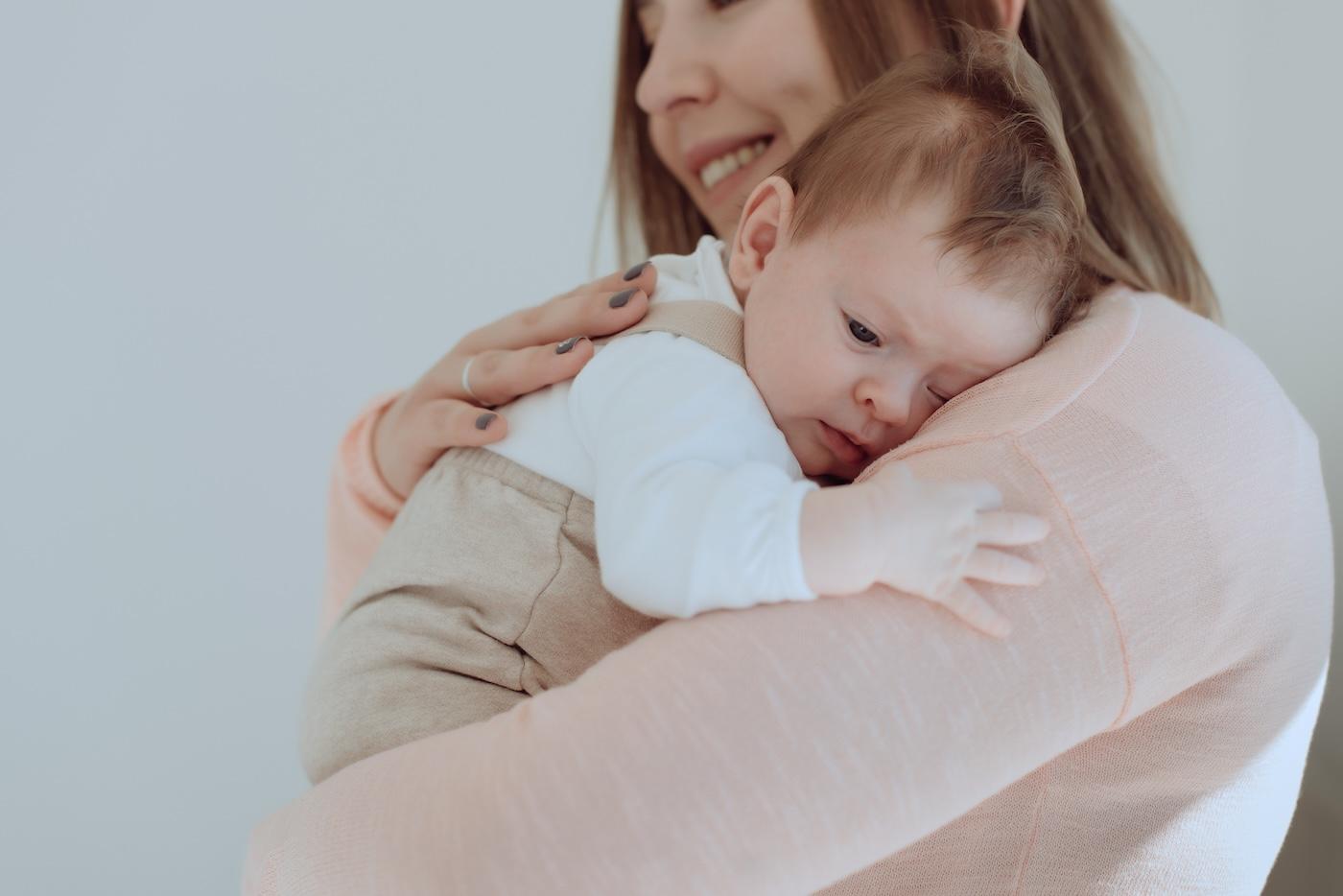
If your baby protests the second you set them down, wants to nap on your chest (and only your chest), and seems happiest when they’re physically attached to you, they may be what the internet would call a “Velcro baby.” This popular parenting phrase may not be a medical diagnosis, but it does describe a very real phenomenon—one that can be sweet, exhausting…and sometimes both in the same hour.
What is a “Velcro baby,” exactly?
A “Velcro baby” is an informal phrase that means an infant (or young toddler) who craves constant closeness—being held, worn, rocked, or within arm’s reach. In other words, they stick to you…like Velcro!
These babies may:
- Cry or fuss when put down (even if fed and changed)
- Prefer contact naps or sleep only when held
- Get upset when a parent leaves the room
- Seem wary of unfamiliar people (aka stranger anxiety)
This extra-need-for-nearby can show up at many ages, but it often spikes during normal developmental phases like separation anxiety, which tends to show up first around 9 months, but can vary from child. It can also be related to temperament—your baby’s built-in style of reacting to the world. Some babies are more sensitive to stimulation or change and need extra reassurance to feel safe.
Tips for Parenting a Velcro baby (Without Losing Yourself)
Check needs and trust your instincts.
Babies cry to communicate, and you will get better at decoding the signals. If clinginess is intense and you notice red flags (poor feeding, fever, vomiting, breathing trouble, persistent inconsolable crying, fewer wet diapers), check in with your pediatrician.
Reframe clinginess as communication—not manipulation.
Young babies aren’t trying to control you. Often, they’re seeking regulation: your warmth, heartbeat, movement, and voice.
Use “hands-free” closeness.
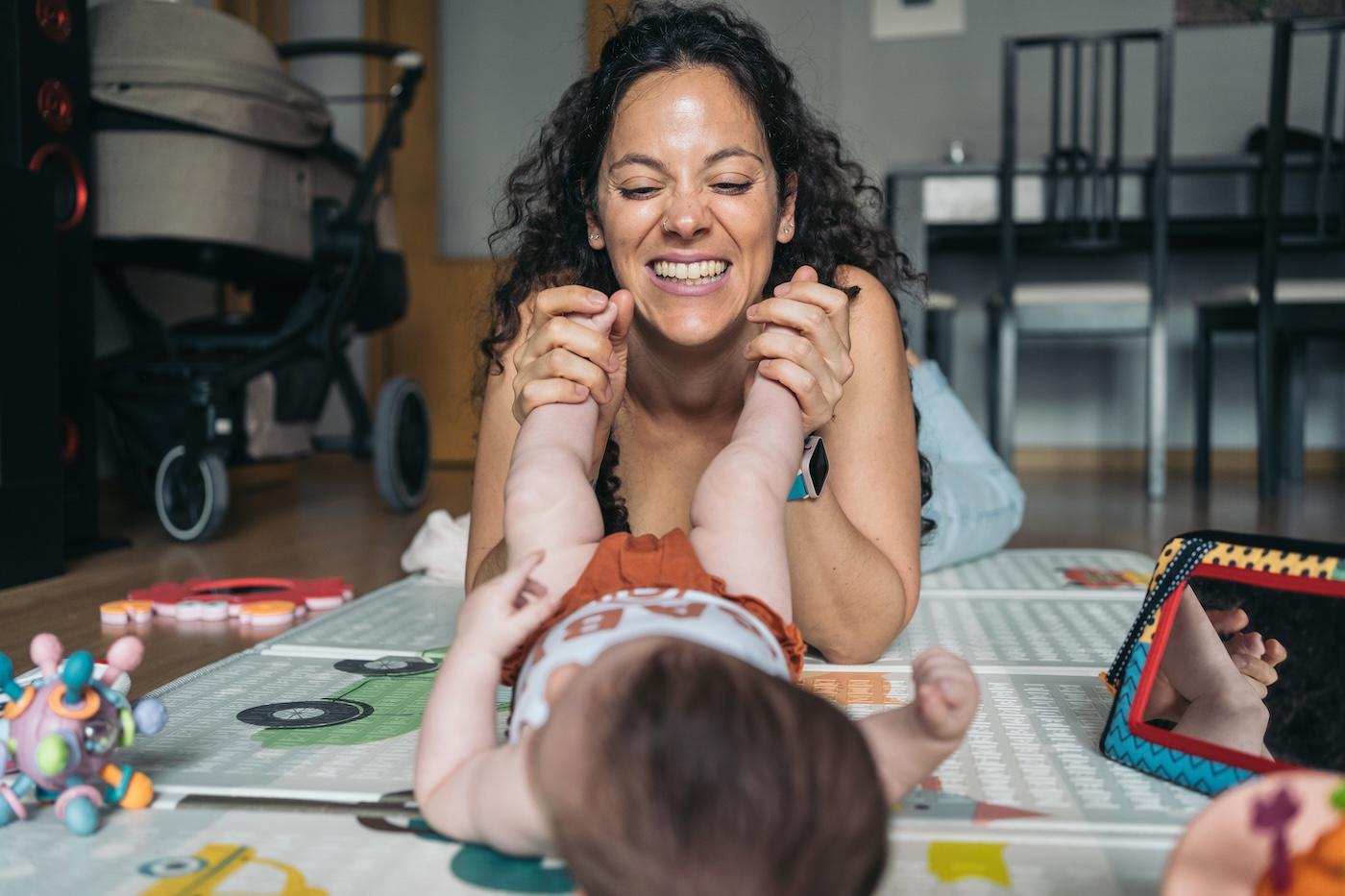
If your baby wants contact and you need to function, babywearing can be a sanity-saver. Research has found that increased carrying can reduce crying and evoke a calming response in early infancy.
Practice tiny, friendly separations.
Step into the hallway and come right back, narrate what you’re doing, and build predictability (“I’m pouring water—then I’m coming back for a cuddle!”). The goal isn’t to force independence, it’s to teach your baby you return.
Protect safe sleep.
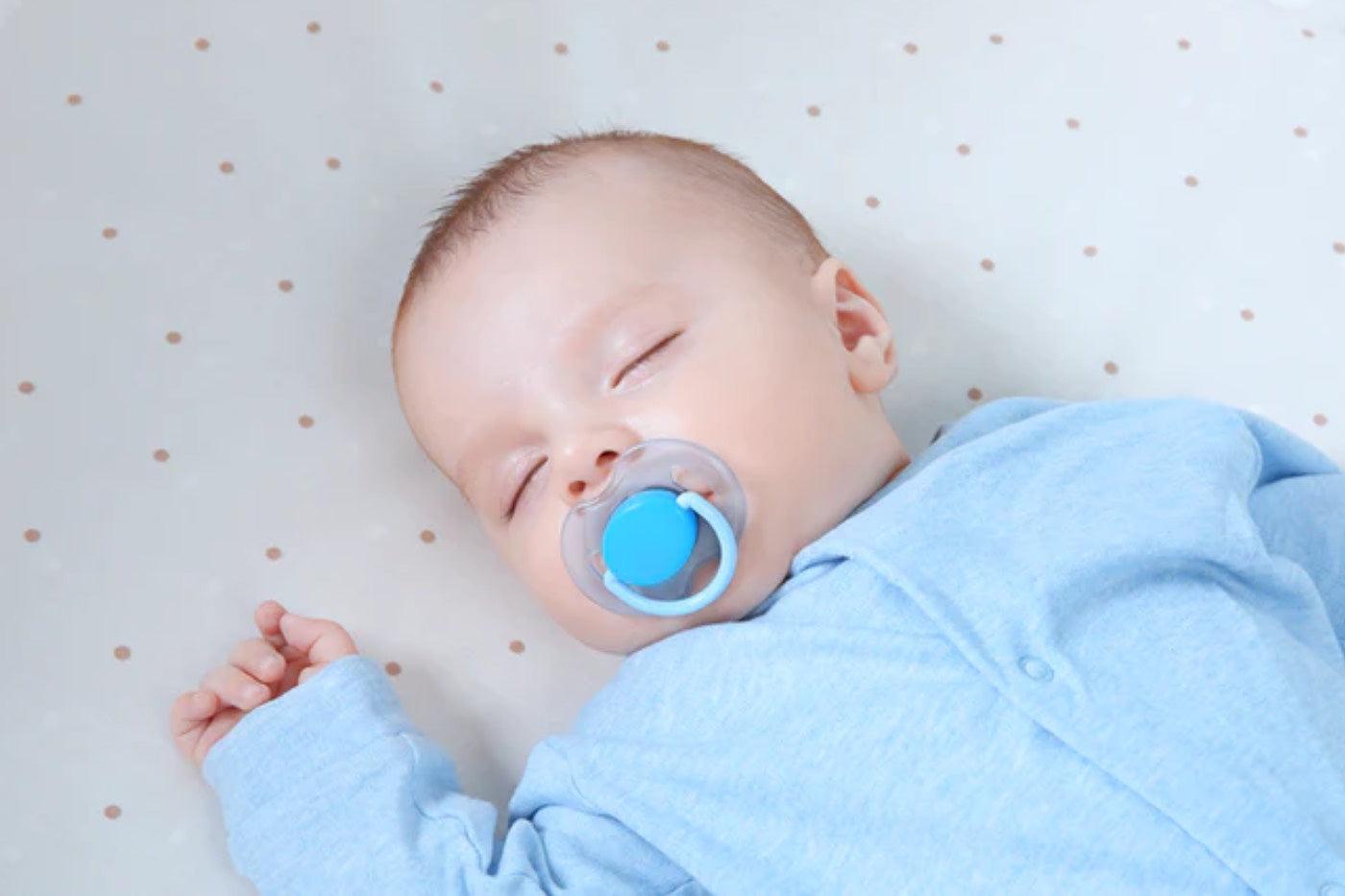
Velcro babies often love contact naps, but it’s crucial that your baby is in their own sleep space—one with a firm, flat surface free of blankets, pillows, and toys. So, if you doze off easily while holding your baby, take some steps to stay awake, like having another adult to keep an eye on you, wearing your baby and walking around, or sitting in a chair that’s not comfortable.
Share the load—and build a soothing “menu” they can use.
Have another caregiver learn your baby’s favorite calming combos (rocking + shushing, pacifier, etc). Even 10-minute breaks count!
When you’re overwhelmed, it’s okay to pause.
If you feel yourself boiling over, place your baby in a safe space (like a crib) and take a short reset. You’re not failing—you’re protecting both of you!
The Bottom Line
A “Velcro baby” is often a baby with big needs for closeness—frequently during normal developmental stages like separation anxiety. With responsive care, predictable routines, and support for you, this phase should get easier!
More on Caring for a Baby:
- Nap Fails: Get Daytime Sleep Back on Track
- How to Change Your Baby’s Sleep Patterns
- Sleepytime Products to Keep Out of Your Baby’s Crib
- Why Skin-to-Skin Contact Is So Powerful
***
REFERENCESAmerican Academy of Pediatrics: How to Ease Your Child’s Separation AnxietyAmerican Academy of Pediatrics: Responding To Your Baby's CriesIncreased carrying reduces infant crying: a randomized controlled trial, Pediatrics, May 1986The calming effect of maternal carrying in different mammalian species, Frontiers in Psychology, April 2015American Academy of Pediatrics: Safe SleepDisclaimer: The information on our site is NOT medical advice for any specific person or condition. It is only meant as general information. If you have any medical questions and concerns about your child or yourself, please contact your health provider.


SHARE THIS ARTICLE
MOST LOVED
Sleepytime Sidekicks