BABY
What Are the Safest Types of Bassinets for Newborns?
These safety features are non-negotiables...

Written by
Happiest Baby Staff
Somewhere between registering for onesies and debating nursery paint colors, every new parent lands an even bigger, more important decision: Where, exactly, is my baby supposed to sleep? And even if you’ve landed on a bassinet (as opposed to a crib), you’ll quickly realize that not every bassinet on the market is built the same way, and safety should always come before style, price, or aesthetics. Here's what makes a bassinet safe, and what to look for as you shop.
What makes a bassinet safe for a newborn?
No matter your budget or design taste, a number of safety features are non-negotiables when it comes to choosing a bassinet:
- A firm sleep surface: A squishy mattress might sound comfy, but that softness can be dangerous if a baby rolls because it can cause their little face to sink into the mattress, upping the risk for suffocation. That’s why a firm, flat surface—with zero incline and zero give—is the safest setup for infant sleep. And a mattress that fits snugly inside the bassinet frame (no gaps) matters just as much as the mattress itself.
- A flat surface: Bassinet-like products with any kind of incline, including the now-recalled Fisher-Price Rock 'n Play, have been linked to serious risk of asphyxiation and rolling, and are no longer allowed to be sold as sleepers in the U.S. (Read more about the best bassinet for baby sleep.)
- Breathable sides: Mesh or slotted sides allow for airflow and let you keep an eye on your baby, unlike fabric that mimics the kind of padded crib bumpers pediatric groups advise against.
- Federal safety certification: Since 2022, all products marketed for infant sleep are legally required to meet federal safety standards. Look for a bassinet that's certified by the Juvenile Products Manufacturers Association (JPMA), which independently tests products against rigorous safety benchmarks.
- A wide, stable base: A bassinet that tips or wobbles easily can become a hazard on its own.
- New or certified pre-owned—not secondhand: It's tempting to save money with a hand-me-down bassinet, but damage, missing hardware, or a past recall aren't always obvious to the eye when you buy from a stranger. (If you’re trying to save money, a SNOO rental is a great option—you’ll get all the bassinet’s benefits, plus the assurance that your bassinet has been meticulously cleaned and quality checked before reaching your family! Learn more about renting SNOO.)
Safe Bassinet Basics
A safe bassinet is only half the equation—how you use it matters just as much:
- Back to sleep, every time: Placing babies on their backs for every sleep, every time, is the single most important safe-sleep recommendation from public health authorities, including the American Academy of Pediatrics (AAP). (Learn more about where a newborn should sleep.)
- Room-share, don't bed-share: The AAP recommends keeping your baby's sleep space in your bedroom, close to your bed, for at least the first 6 months of life. This practice is associated with a lower risk of SIDS and makes nighttime feeds and checks far easier.
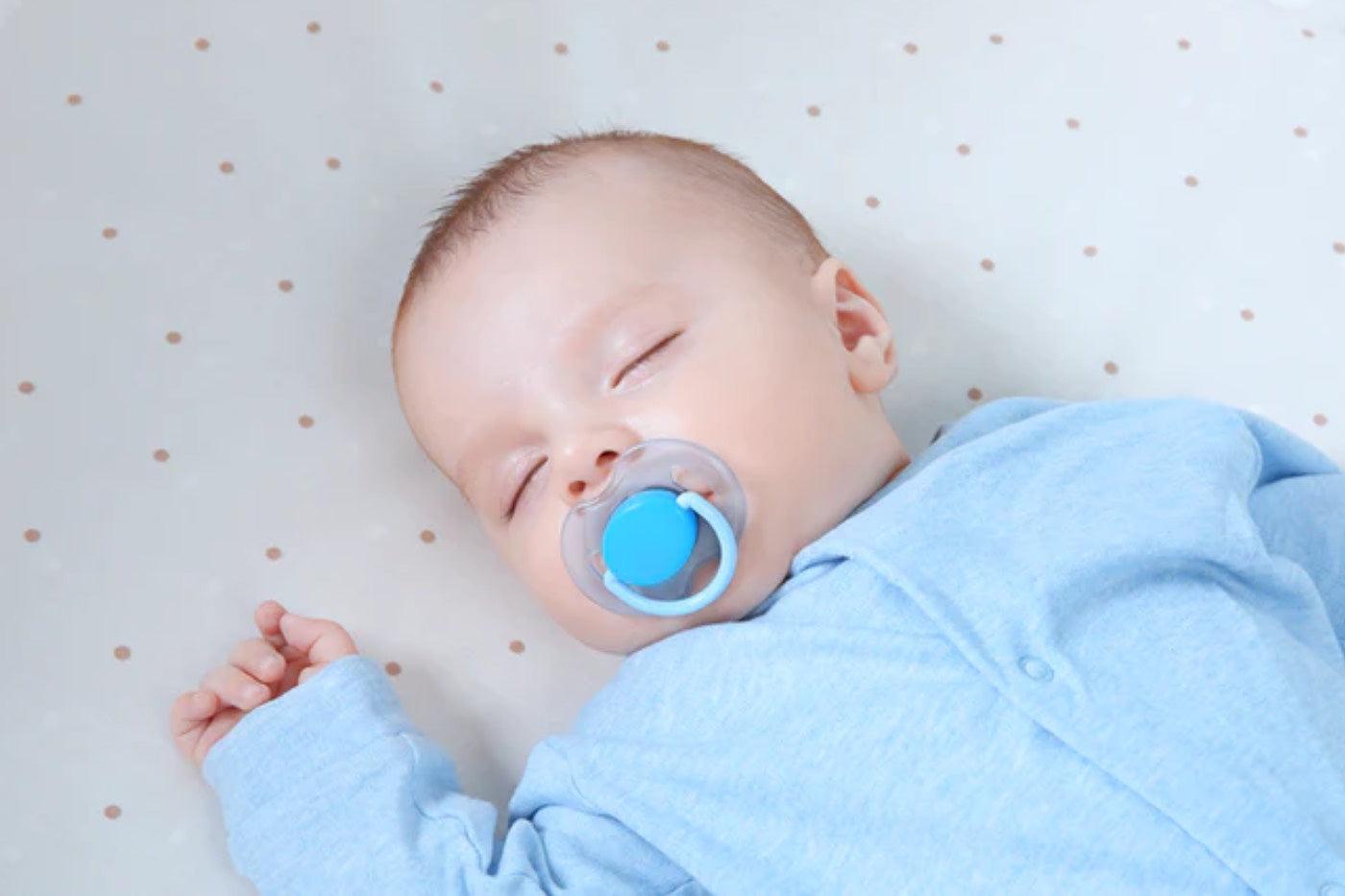
- Keep it bare: No pillows, blankets, bumpers, or stuffed animals belong in a sleep space. A properly fitted swaddle or sleep sack is the safer alternative to loose bedding.
- Skip inclined sleepers, swings, and positioners for sleep: Anything that positions a baby's head at an angle can cause it to slump forward and restrict breathing. These products may be fine for supervised, awake time, but not for sleep.
- Know when to graduate: Bassinets are designed for the early months only. Once a baby can push up to their hands and knees or roll over, it's time to transition to a crib.
Bassinet Safety Features That Go Above and Beyond
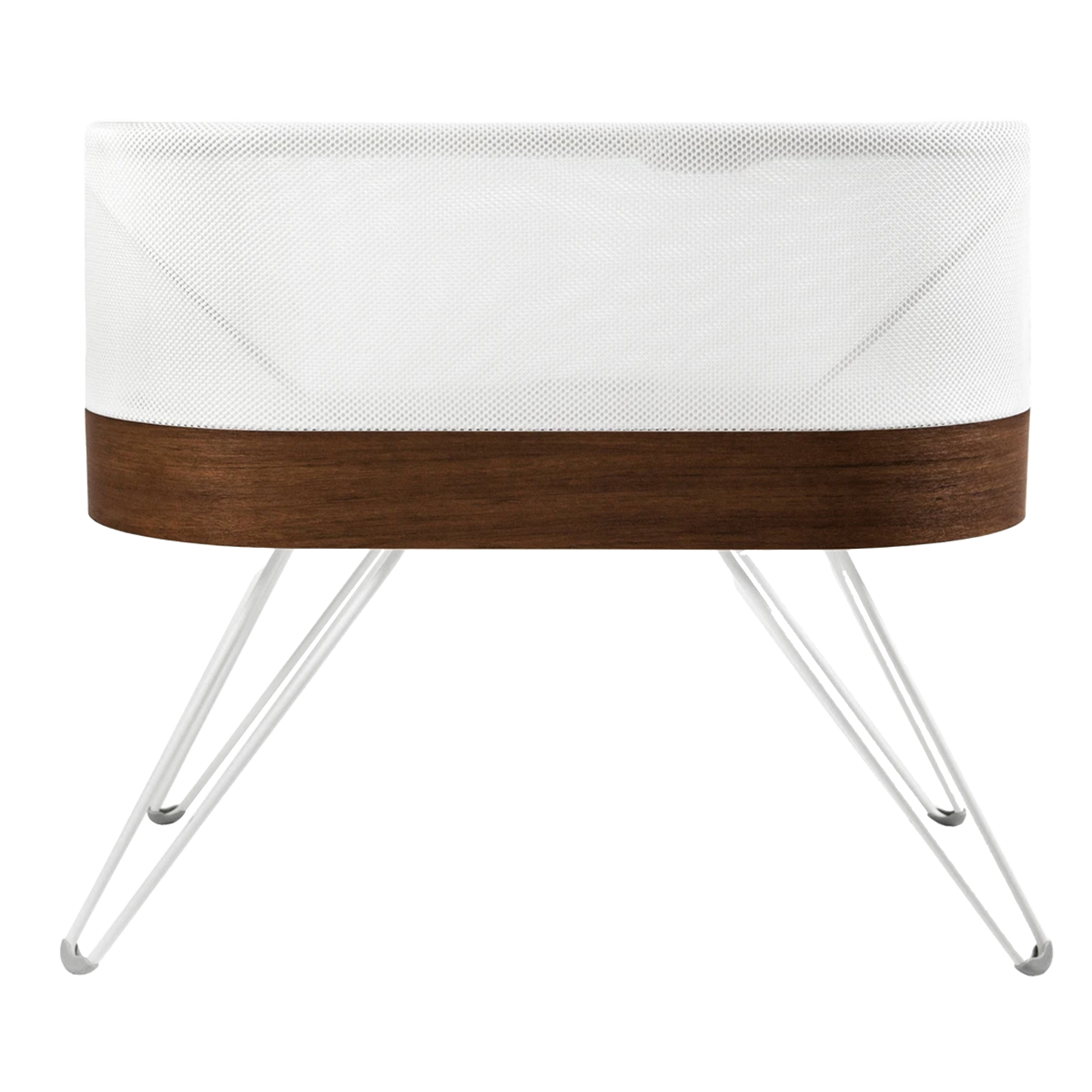
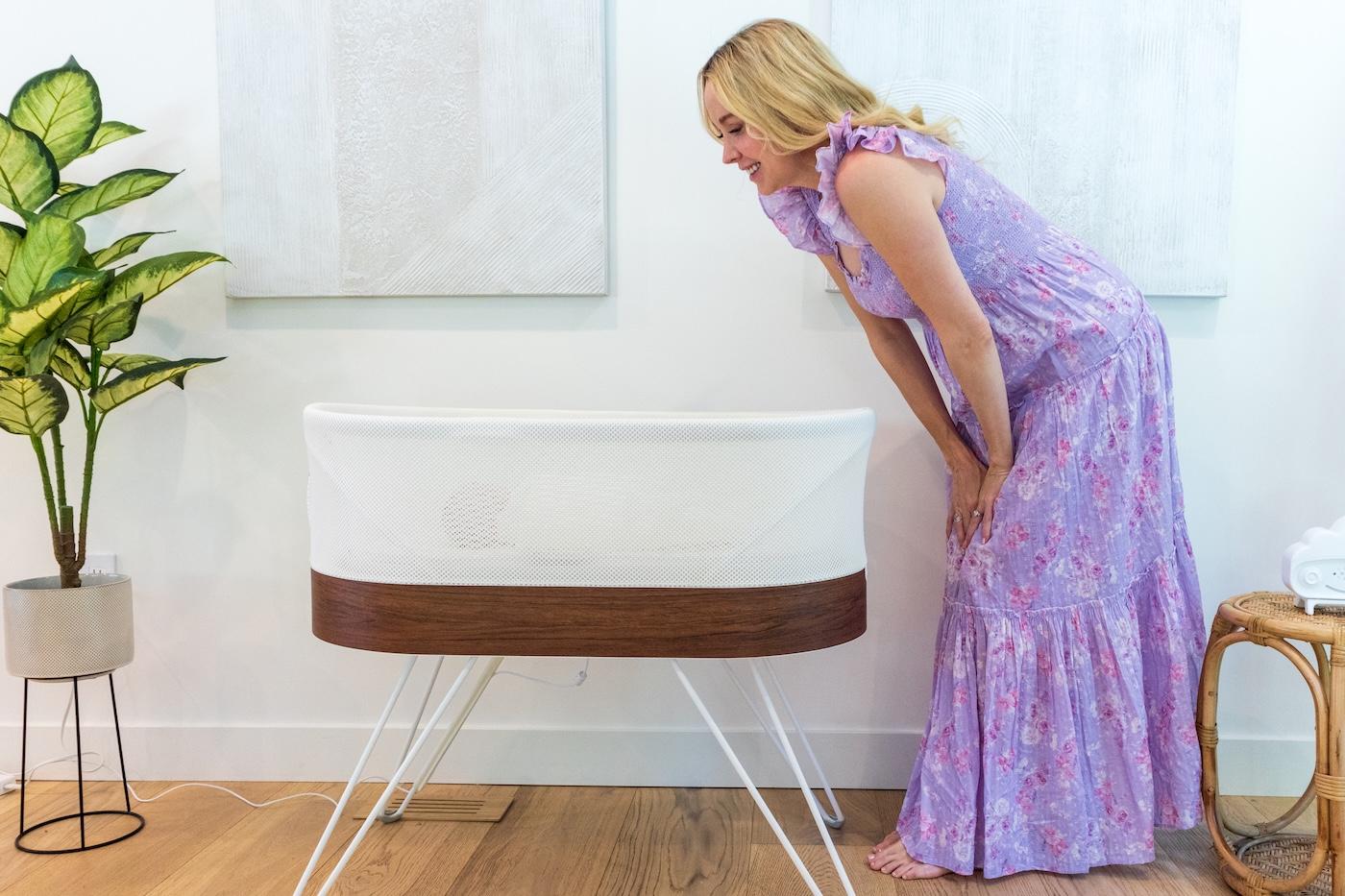
Once a bassinet clears the basics—firm and flat, breathable, certified, stable, new—the next question is how much further it can go in supporting safe, solid sleep. This is where SNOO Smart Sleeper stands apart from a typical bassinet!
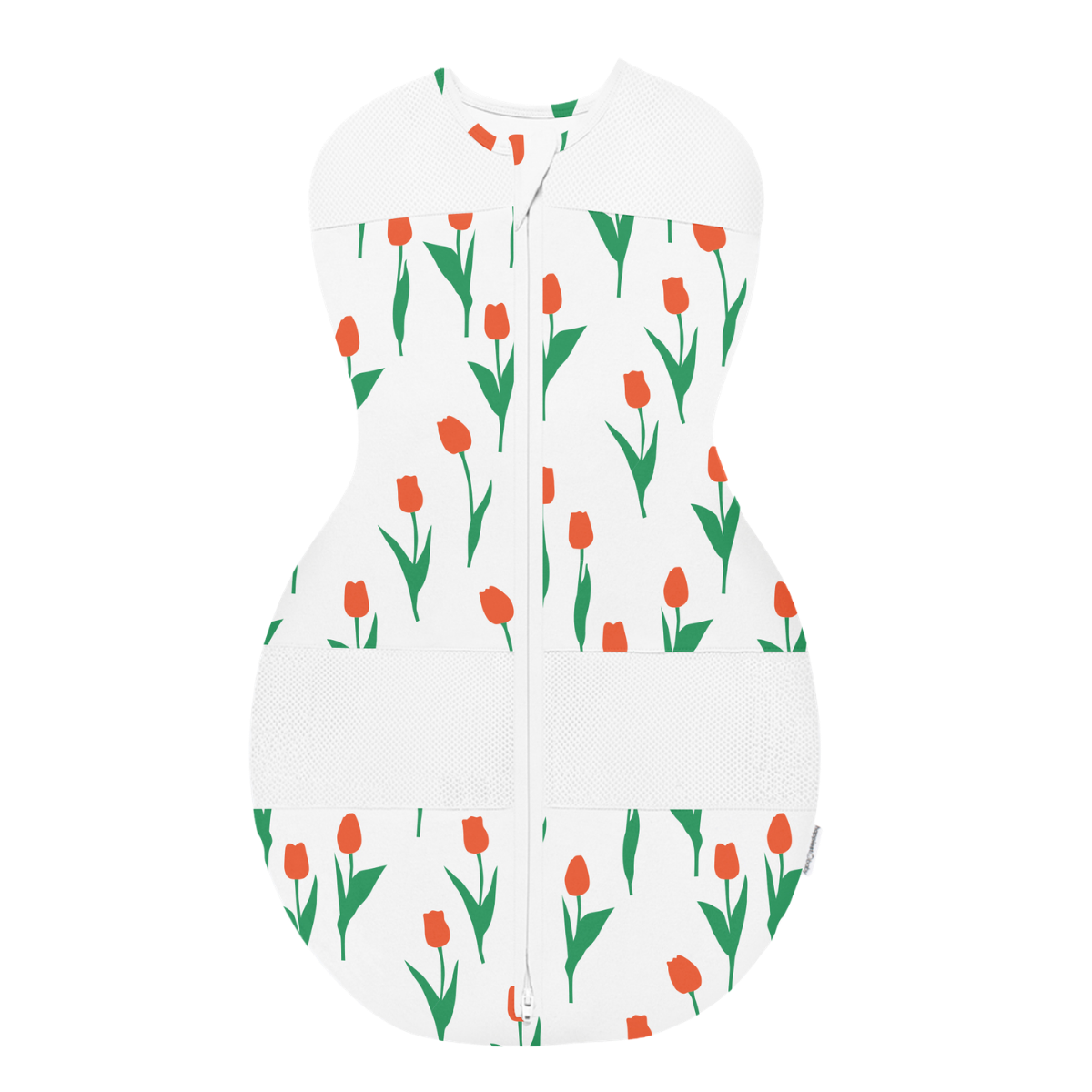
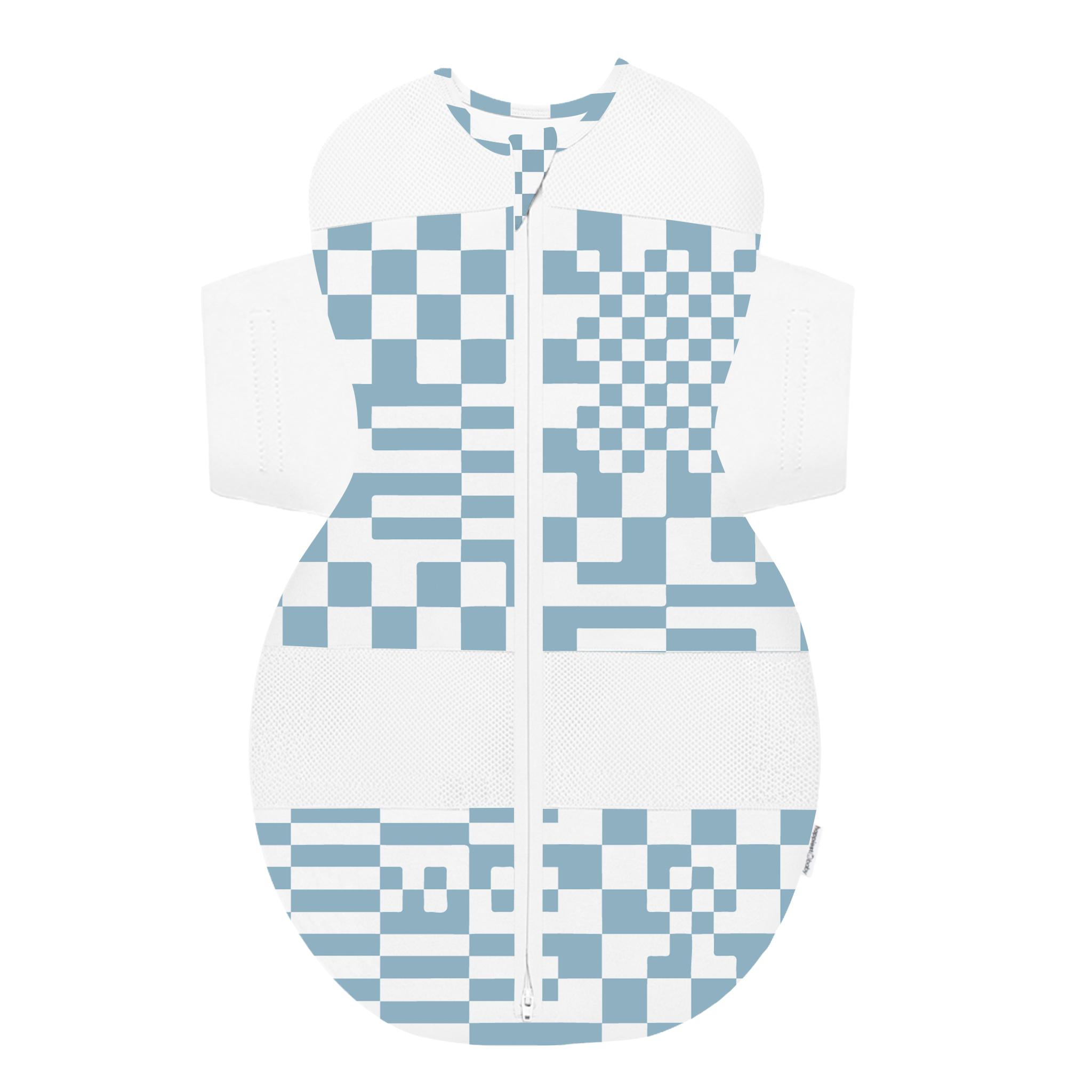
SNOO was designed by pediatrician and safe-sleep advocate Dr. Harvey Karp with all of the above baked in: a firm, fully flat, JPMA-certified sleep surface and a breathable mesh surround. But SNOO also adds a feature no other bassinet offers: a built-in swaddle that clips directly into the bassinet to help keep babies secured on their backs throughout sleep.
This innovation is why SNOO became the first, and so far only, infant sleep system to receive FDA De Novo authorization for its ability to help keep babies safely positioned on their backs. (For important safety information visit happiestbaby.com/fda.)
Beyond that safety breakthrough, SNOO was built to help everyone sleep better. Its womb-like combination of gentle rocking, white noise, and snug swaddling is designed to trigger a baby's natural calming reflex, and SNOO automatically responds to fussing by leveling up its motion and sound in real time. Parents report that SNOO adds meaningfully to a baby's nightly sleep, and many babies sleeping in SNOO reaching stretches up to 9 hours by 2 to 3 months old.
A smart sleeper is never a substitute for a caregiver, though! SNOO is designed to shut off automatically and alert caregivers if a baby continues crying at its highest level, because that almost always means a baby needs a feed, diaper change, or snuggles—not more motion.
If buying SNOO feels out of your budget right now, the SNOO rental program brings the cost down to just a few dollars a day—and sidesteps the safety concerns that come with buying a used bassinet secondhand. (Learn more about the risks of buying secondhand from an unknown seller.)
Frequently Asked Questions About Bassinet Safety
What is the safest type of bassinet for a newborn?
The safest bassinets share a few core traits: a firm, fully flat sleep surface, breathable mesh sides, a stable wide base, and JPMA safety certification. SNOO Smart Sleeper meets all those basics and adds a built-in swaddle system that's earned it FDA De Novo authorization for helping keep babies positioned on their backs during sleep.
How long can a baby safely sleep in a bassinet?
Most babies can use a bassinet until around 6 months old, or as soon as they can push up onto their hands and knees—whichever comes first. At that point, it's time to move to a crib.
Is it safer to room-share with a bassinet than to use a crib in a separate room?
Both bassinets and cribs can be safe sleep spaces (provided they meet the basic safe sleep guidelines!). But bassinets are smaller and easier to keep in a parent's bedroom, which supports the AAP's room-sharing recommendation for the first 6 months.
Is SNOO safer than a regular bassinet?
SNOO meets the same core safety basics as any well-designed bassinet—firm, flat, breathable sides, certified—and adds a patented swaddle system built to help keep babies positioned on their backs throughout sleep, which gives parents extra peace of mind.
The Bottom Line
A safe bassinet checklist starts with the basics: firm and flat, breathable, certified, stable, and new. From there, features like a secure swaddle system can offer additional peace of mind on top of those fundamentals. Whatever you choose, pairing a safety-tested bassinet with back-sleeping, room-sharing, and a bare sleep space gives your newborn the safest possible start.
More on Safe Sleep:
- The Best Bassinet for Baby Sleep
- What Should a Newborn Sleep In?
- Why Rocking Bassinets Soothe Babies
- Baby Crib Safety 101
Disclaimer: The information on our site is NOT medical advice for any specific person or condition. It is only meant as general information. If you have any medical questions and concerns about your child or yourself, please contact your health provider.
SHARE THIS ARTICLE