BABY
How to Do Tummy Time
Help strengthen your baby's neck with tummy time.

Written by
Dr. Harvey Karp

Tummy Time
Tummy time is an important part of an infant's routine. In fact, recent research found that tummy time was positively linked to gross motor development, total development, plus the ability to move while prone or supine (which includes crawling and rolling). Regular tummy time also helps your little one strengthen their muscles and become better at moving...which helps reduce the risk of sudden infant death.
Establish Safe Sleeping Habits Before Starting Tummy Time
Routinely putting a baby to sleep on the stomach raises her risk of SIDS about four times. But SIDS risk jumps even higher (eight to 37 times!) when young babies (under 4 months) are put to sleep on the back…but accidentally roll to the stomach.
Of course, sooner or later, your baby will roll onto her stomach during sleep. So what should you do to protect her?
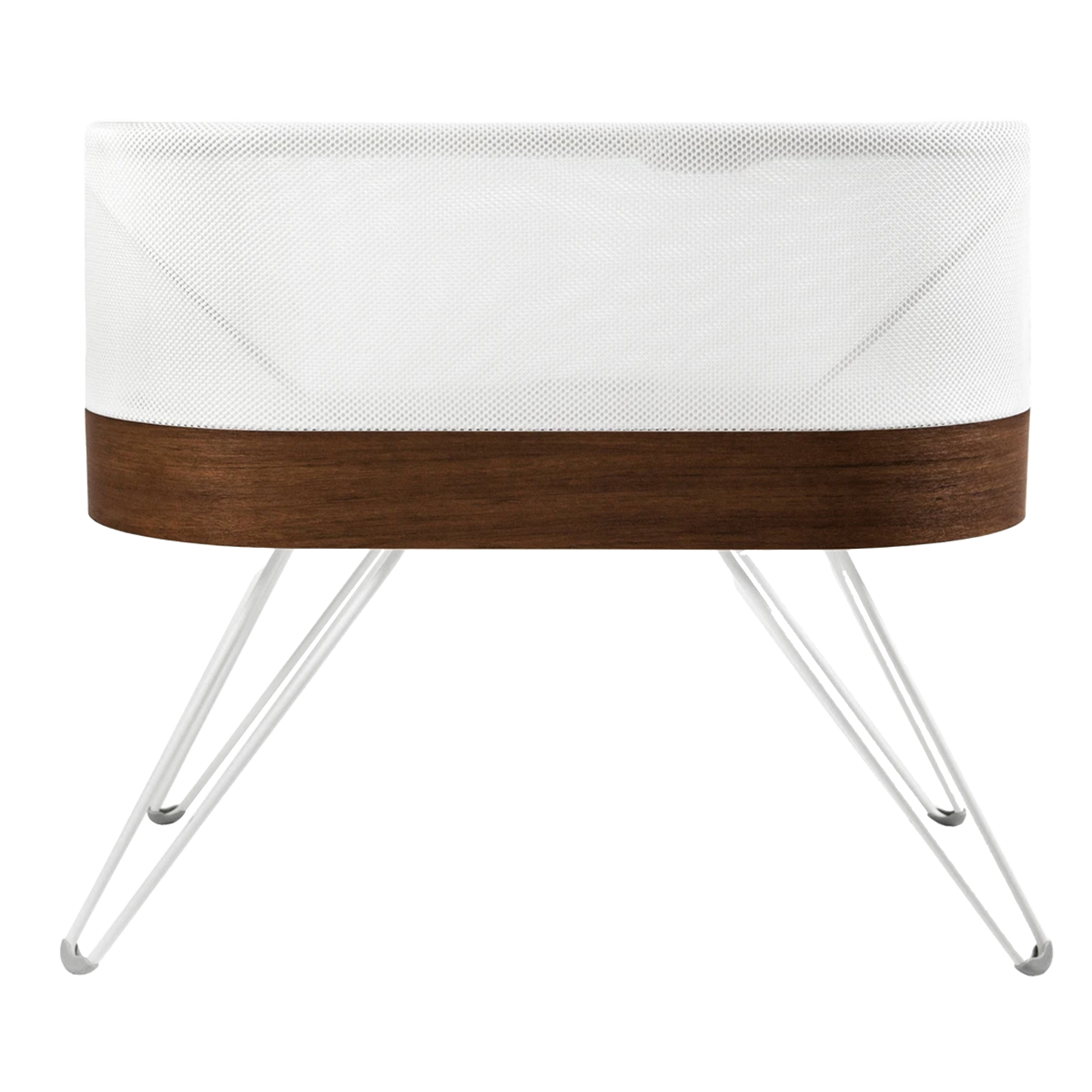
For at least the first 4 months, always put your baby to sleep on the back snugly swaddled with white noise playing nearby. The sound will keep Baby calmer (less likely to fidget and roll), and the swaddling will make it harder for your baby to flip over. (FYI, Happiest Baby's SNOO Smart Sleeper is the only baby bed that prevents accidental rolling, via its clip-in swaddle. It also keeps your baby calm, by intelligently providing the right level of white noise and womb-like motion to soothe fussing.)
When to Start Tummy Time
While you can begin tummy time as early as the first day you bring your baby home, by the time your baby reaches one month, it's time to begin daily exercises to help her strengthen her neck and back. That will help her develop the ability to move her face out of a blanket or mattress in case she accidentally rolls to the stomach.
The key to starting tummy time is making sure that both you and your newborn are awake and alert and you’re constantly supervising.
How to Do Tummy Time Exercises
Once or twice a day, hold your baby upright in your arms with their head resting on your shoulder and their belly against your upper chest. Allow your little one to practice lifting their head, as you gently support their neck and head with your hand.
Place your baby with their tummy and face down on a sheet to give them practice moving their head and getting their nose and mouth free. (Supervise your bub closely, and never leave them alone on their stomach.) The first few times, you may need to help by lifting their head a tiny bit and showing them how to swing their face to the side.
When your infant is 2 to 3 months old, place your hand under their chest during the tummy exercise to lift them a tiny bit and help them start learning how to use their arms to push up.
These exercises will teach your baby how to free their face by arching their back and lifting their head, in case they accidentally flip over in their sleep.
How long should you do tummy time for?
Start by doing tummy time once or twice per day for 3 to 5 minutes. As your baby gets older (and stronger!), you can ramp up the number of tummy time sessions and duration. Pretty soon your baby will be able to roll over on their own!
Final Thoughts on Tummy Time
Don’t stress if your baby hates tummy time. If you’re finding it challenging to keep your baby engaged, then take a break from tummy time exercises for a couple of days or even a week. Shortening tummy time sessions and spacing the exercises throughout the day will make it more bearable for your little one. Remember, some tummy time is better than no tummy time.
More Baby Tips:
- Easy and Engaging Activities for Babies 0-6 Months
- Baby Development Week-by-Week
- Brain Development From Ages 0 to 3
- How to Build a Strong Bond With Your Baby
Disclaimer: The information on our site is NOT medical advice for any specific person or condition. It is only meant as general information. If you have any medical questions and concerns about your child or yourself, please contact your health provider.






SHARE THIS ARTICLE