SNOO
Burnout Among New-Mom Physicians Is a Growing Crisis, but New Research Points to a Possible Solution
A Harvard study tested the effects of giving new-mom physician-trainees postpartum support that targeted major stressors.

Written by
Happiest Baby Staff

Burnout among medical professionals poses a serious risk with consequences that chip away at physician wellbeing, care quality, and staff retention—while costing the U.S. an estimated $4.6 billion every year. And the challenges that come with pregnancy and new-parenthood—such as fragmented sleep, inadequate lactation support, and little time for self-care—only boost that risk.
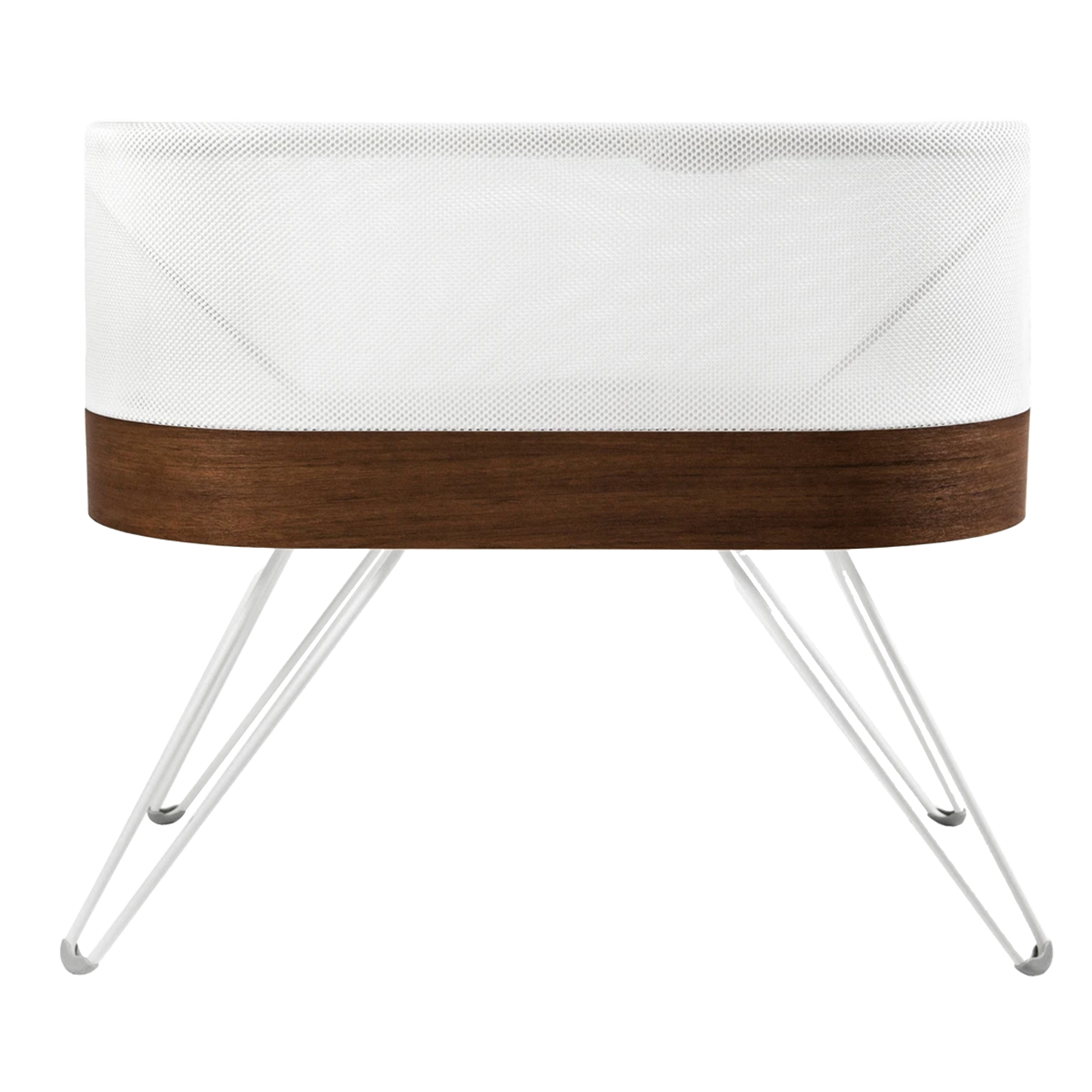
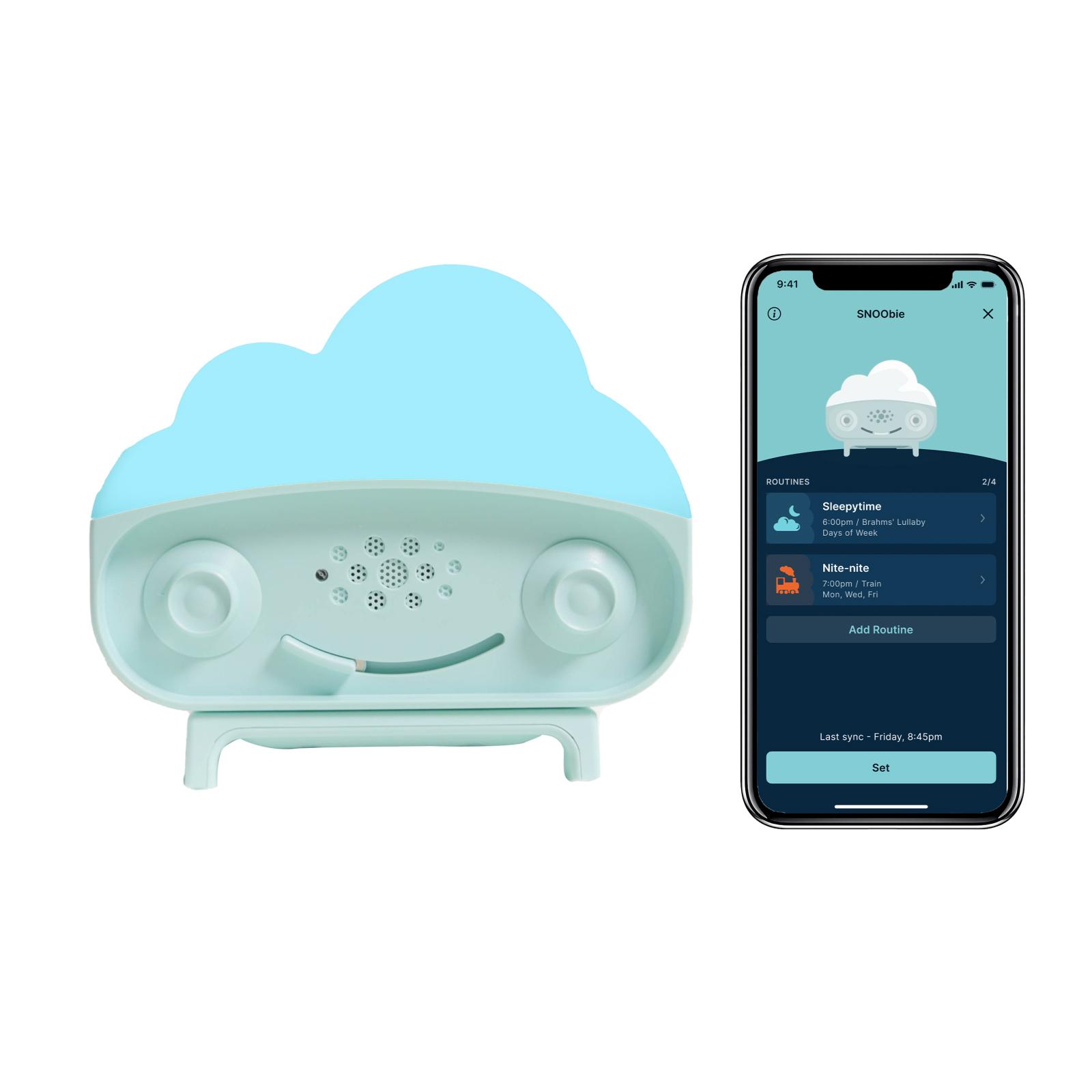
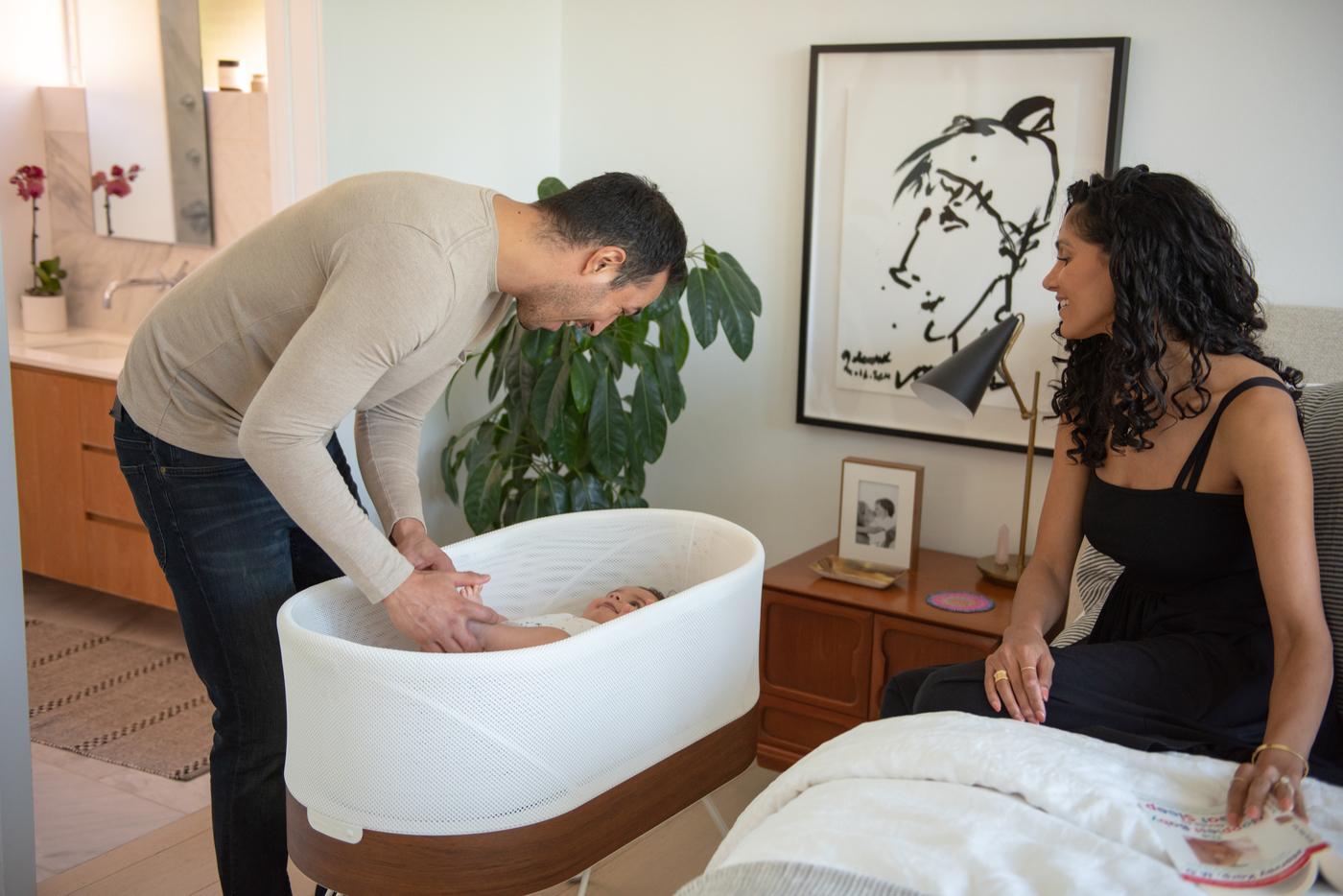
That’s why scientists at Harvard launched The 4th Trimester Initiative, a study addressing the stress and burnout of new mothers who are doctors in training. Their research, recently published in JAMA (the Journal of the American Medical Association), found that moms who received extra support (consisting of a SNOO, a wearable breast pump, a virtual care platform, and mentorship) reported substantially less burnout than those who just received typical care.
The researchers recruited more than 150 pregnant physician trainees and randomly divided them into two groups. One group received usual care, while the other was given usual care plus the parent support program, for about 6 months after the birth. The added support was designed to tackle specific burnout risk factors, such as fragmented sleep, inadequate lactation support, feeling isolated, and lack of time for self-care.
Prior to giving birth, a 'high' level of burnout was present in over 40% of the study's participants. Among the half who received a parental support package, the level of reported burnout remained relatively stable, even dropping slightly to 35% of the study participants.In contrast, the usual care group showed progressively increasing levels of burnout, with 65% reporting 'high' levels at the end of the study. The authors noted that increased burnout was driven more by interpersonal disengagement than emotional exhaustion. But sleep-related impairment at 24 weeks was associated with burnout and relationship strain.
With the cost of physician burnout estimated to be three times the cost of the parent support program, the impact of this intervention offers a great deal of potential, both clinically and economically.
“This is the first evidence that pragmatic support for physician trainees after the birth of a child can help reduce burnout and have a strong return on investment,” says study author Erika Rangel, MD, an acute care surgeon and medical director for Well-Being, Surgical and Perioperative Services at Mass General Brigham.
The findings also suggest that supports that target major life stressors may be more effective at addressing physician burnout than approaches that encourage moms to develop better individual coping strategies.
“I have received so many emails and photos from women physicians who feel energized to pursue more research in this space and want to help mentor future trainees,” Rangel says. “That response reflects a growing community through this work—one that is reshaping how we support one another and how we integrate our commitments to both family and medicine.”
Disclaimer: The information on our site is NOT medical advice for any specific person or condition. It is only meant as general information. If you have any medical questions and concerns about your child or yourself, please contact your health provider.


SHARE THIS ARTICLE
MOST LOVED
Sleepytime Sidekicks