PREGNANCY
How to Eat for a Healthy Gluten-Free Pregnancy
Have celiac disease or a wheat allergy? Learn which nutrients are easy to miss.
Written by
Happiest Baby Staff
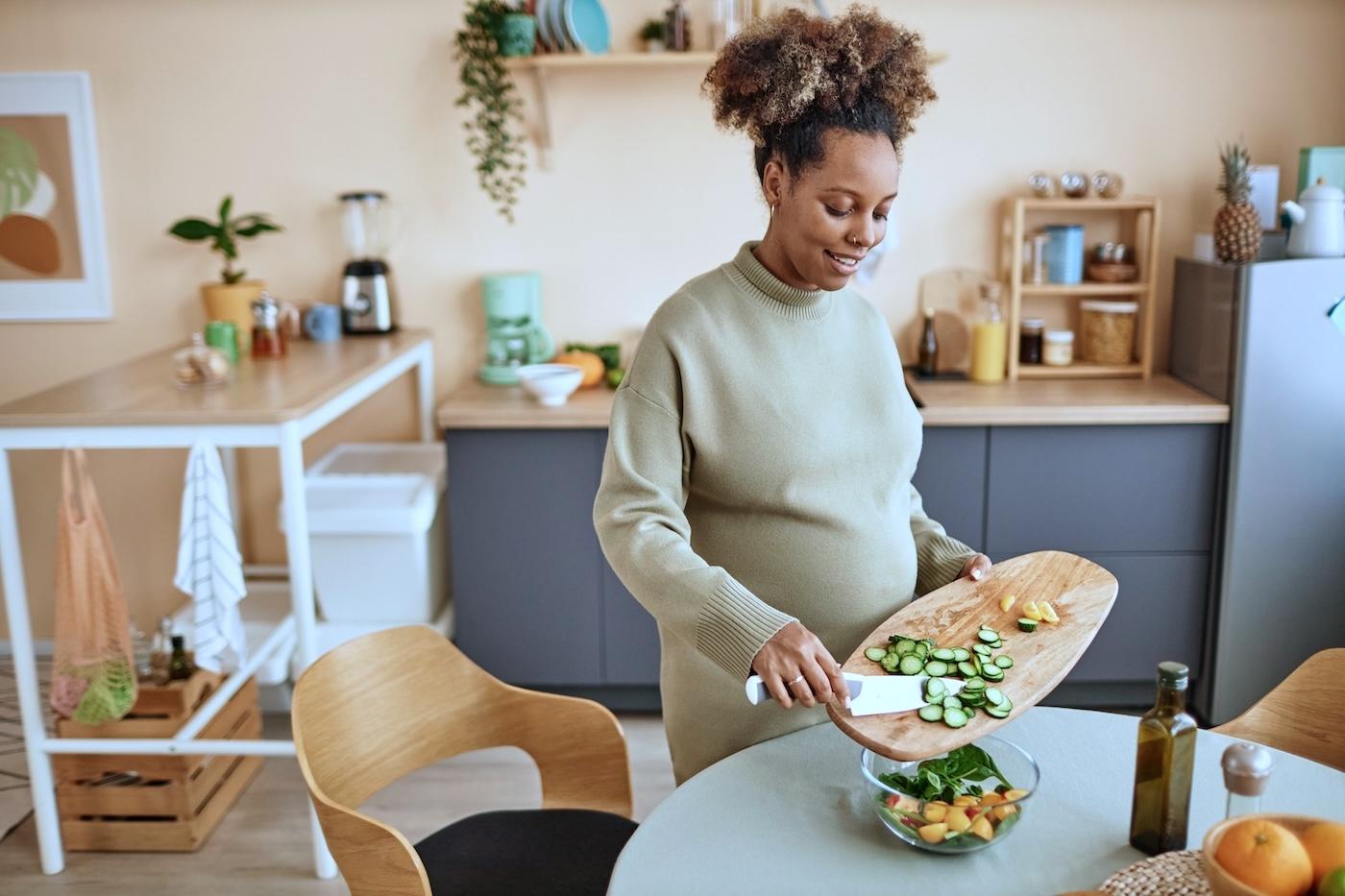
If you live with celiac disease or a wheat allergy, you're probably already fluent in ingredient lists. Pregnancy raises the stakes on that skill. Your nutrient needs climb, a prenatal vitamin joins the daily routine, and nausea may send you reaching for crackers and toast—the very foods you can't eat. That’s where a well-planned gluten-free diet can go a long way to support a healthy pregnancy. It simply takes more intention, especially around a few nutrients that most people get, often without realizing it, from wheat-based foods. Here's what to know and how to make it work.
Is a gluten-free diet safe during pregnancy?
Yes. For people with celiac disease, a gluten-free diet isn't a lifestyle choice—it's the treatment. Celiac disease is a chronic immune disorder in which gluten, a protein found in wheat, barley, and rye, damages the small intestine and can keep your body from absorbing the nutrients it needs. Removing gluten relieves symptoms and allows the intestine to heal. And the outlook is encouraging: A 2023 meta-analysis found that pregnant people whose celiac disease was diagnosed early had no greater risk of fetal growth restriction, stillbirth, preterm delivery, or low birthweight than the general pregnant population.
Why does sticking to a gluten-free diet matter so much in pregnancy?
That same analysis, which pooled 18 studies, found that undiagnosed celiac disease was linked to higher rates of fetal growth restriction, stillbirth, preterm delivery, and lower birthweight. In other words, the added risk appears to come from celiac disease that isn't being treated. Celiac disease also raises the odds of iron deficiency, since both intestinal damage and dietary restrictions can limit how much iron you take in—at the same time pregnancy sends your iron needs soaring. Consistent gluten avoidance, plus regular check-ins with your healthcare provider, keeps both in check.
Does it matter whether you have celiac disease or a wheat allergy?
It does, because the two call for slightly different diets. A wheat allergy occurs when your immune system makes antibodies to proteins in wheat, and reactions—from hives to trouble breathing to anaphylaxis—typically appear within minutes to hours. Celiac disease is a different immune response, triggered specifically by gluten. Unless you're allergic to other grains, too, a wheat-free diet is less restrictive than a gluten-free one, though some people with a wheat allergy also react to barley, oats, or rye. One labeling caveat: Under FDA rules, a "gluten-free" food may contain a wheat-derived ingredient that's been processed to remove gluten, so if you have a wheat allergy, scan the ingredient list for wheat itself.
Which nutrients are easy to miss on a gluten-free diet?
In the U.S., many wheat-based staples are enriched, which quietly supplies a good share of folic acid and iron. Swap them out and those nutrients can dip.
Folic Acid
The CDC recommends 400 micrograms (mcg) of folic acid daily before and during early pregnancy to help prevent neural tube defects—serious birth defects of the brain and spine—and notes that folic acid is the only form of folate shown to do so. The American College of Obstetricians and Gynecologists (ACOG) advises 600 mcg a day from all sources during pregnancy. The catch: Most gluten-free grains aren't covered by U.S. fortification requirements, and many people mistakenly assume they're fortified like wheat products. Your prenatal vitamin does much of the work here, while folate-rich foods (think: leafy greens, beans, and oranges) fill in the rest.
Iron
Pregnant people need 27 milligrams (mg) of iron a day. About half of the iron in the American diet comes from bread, cereal, and other grain products, and U.S. wheat flour is commonly fortified with iron. Lean meat, seafood, beans, lentils, and tofu are reliable gluten-free sources. (Learn more about iron deficiency in pregnancy.)
Fiber and Calcium
A gluten-free diet planned without expert guidance may fall short on fiber, iron, and calcium, warns the National Institute of Diabetes and Digestive and Kidney Diseases (NIDDK). And some packaged gluten-free foods contain more fat and sugar than their wheat-based counterparts. Favoring whole foods over processed gluten-free swaps helps on both fronts.
How to Eat Well During a Gluten-Free Pregnancy
- Build meals around naturally gluten-free foods. Meat, fish, fruits, vegetables, rice, and potatoes are naturally gluten-free, as are flours made from amaranth, quinoa, buckwheat, corn, beans, and nuts. Need inspiration? Browse these pregnancy meal plans and recipes.
- Check your prenatal vitamin. The FDA's gluten-free labeling rule covers dietary supplements, so a prenatal labeled "gluten-free" must contain less than 20 parts per million of gluten, a level too small to cause problems for most people with celiac disease. If the label doesn't say, ask your pharmacist.
- Be choosy about oats. Most people with celiac disease can eat moderate amounts of oats, but cross-contact with gluten-containing grains is common. Stick to oats labeled gluten-free, and check with your provider first.
- Prevent cross-contact at home. Store and prepare your food separately from family members' gluten-containing foods.
- Plan ahead when eating out. Review menus online, call ahead, and tell your server about your diagnosis.
- Stock gluten-free nausea fighters. Saltines and toast, the go-to morning sickness remedies, are usually wheat-based. Keep rice crackers or gluten-free pretzels on hand.
- Follow standard pregnancy food safety rules. Gluten-free doesn't mean pregnancy-safe; the usual foods to avoid in pregnancy still apply.
- Work with a registered dietitian. A professional can help you avoid gluten while eating a balanced diet—ideally look for someone versed in prenatal nutrition.
The Bottom Line
A gluten-free diet is safe during pregnancy—and for people with celiac disease, sticking to it strictly is important, since undiagnosed celiac disease is linked to pregnancy complications. Because many gluten-free grains aren't fortified, pay extra attention to folic acid, iron, fiber, and calcium, and choose a prenatal vitamin labeled gluten-free.
More on Eating Healthy During Pregnancy:
- The Nutrients You Need When Pregnant, According to a Registered Dietitian
- Must-Have Nutrients for Vegetarian Pregnancies
- Pregnancy and Travel: Eating Healthy on the Go
- Healthy Foods to Satisfy All Your Pregnancy Cravings
- Is Eating Fish Safe During Pregnancy?
***
REFERENCES- National Institute of Diabetes and Digestive and Kidney Diseases: Celiac Disease
- National Institute of Diabetes and Digestive and Kidney Diseases: Eating, Diet, & Nutrition for Celiac Disease
- Adverse Pregnancy Outcomes in Women With Celiac Disease: A Systematic Review and Meta-Analysis, Annals of Gastroenterology, Jan 2023
- National Institutes of Health Office of Dietary Supplements: Iron Fact Sheet for Health Professionals
- Mayo Clinic: Wheat Allergy
- U.S. Food and Drug Administration: Gluten and Food Labeling
- Centers for Disease Control and Prevention: About Folic Acid
- American College of Obstetricians and Gynecologists: Healthy Eating During Pregnancy
- Not All Grains Are Created Equal: Gluten-Free Products Not Included in Mandatory Folate Fortification, Current Developments in Nutrition, Mar 2019
Disclaimer: The information on our site is NOT medical advice for any specific person or condition. It is only meant as general information. If you have any medical questions and concerns about your child or yourself, please contact your health provider.


SHARE THIS ARTICLE