BABY
Everything You Need to Know About Baby Earwax
First of all, put down the cotton swab!

Written by
Happiest Baby Staff
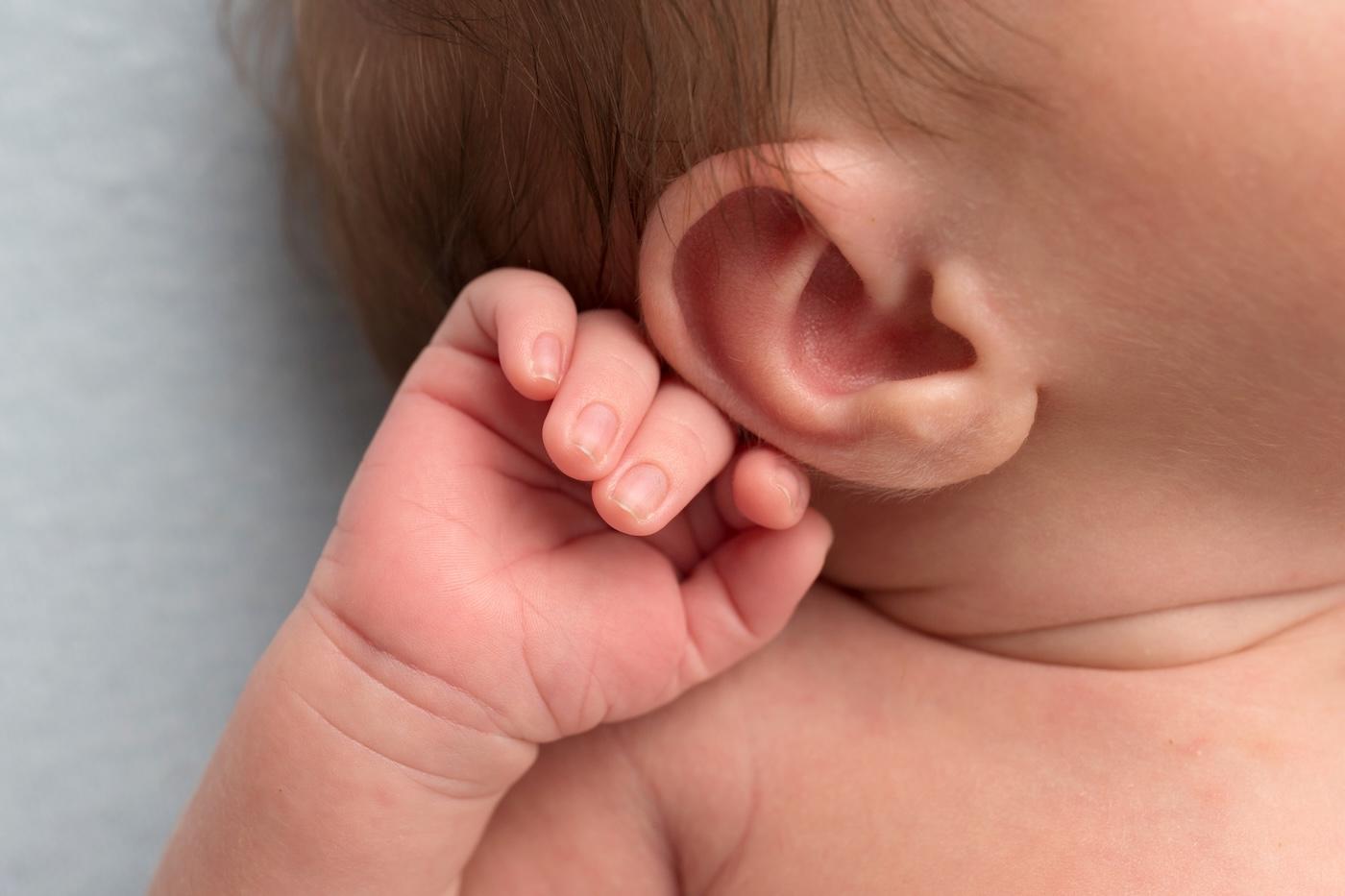
Parents are quickly forced to make peace with a whole lot of bodily substances. Contending with poo, pee, snot, and spit-up are just part of the job. So, in the big scheme of things, maybe earwax barely registers!
But if you have peered into those itty-bitty ears and wondered what all that earwax is for, consider this your guide. We’ll walk through what baby earwax does, what “normal” baby earwax look likes, when it might signal a problem, and what not to do when you’re tempted to grab a cotton swab and dig it out.
What is earwax…and what does it do?
Earwax—also called cerumen—is a natural substance made in the ear canal from skin cells and secretions from tiny glands. It might not win any beauty contests, but it plays an important role in keeping ears healthy.
Earwax helps:
- Protect the ear canal by coating delicate skin and preventing dryness and irritation.
- Trap dust and debris so it doesn’t travel deeper toward the eardrum.
- Slow bacterial growth—earwax is part of the ear’s natural defense system.
Even better? Ears are designed to be self-cleaning. Jaw movement (hello, feeding and babbling) helps move wax outward over time, where it flakes away or can be wiped from the outer ear.
What is normal earwax in babies?
Baby earwax varies a lot—and that’s still normal.
Normal baby earwax can be:
- Light yellow to amber
- Tan to dark brown
- Soft and sticky (more common in younger babies)
- Dry and flaky (more common as kids get older)
And the amount can vary, too. Some babies naturally produce more wax than others.
What’s also normal: seeing a little wax at the ear opening. In most cases, it’s a sign wax is doing its job and working its way out.
What causes earwax buildup?
Earwax becomes a “buildup” when it collects faster than it can move out naturally—or when something pushes it deeper into the ear canal.
Common causes include:
- Cotton swabs and “digging”: This is the big one. Cotton swabs often push wax farther in, packing it against the eardrum and increasing the risk of blockage or injury. The American Academy of Pediatrics has specifically warned against using cotton-tipped swabs inside ears.
- Narrow or curvy ear canals: Some children are more prone to wax collecting due to the shape/size of their ear canals.
- Skin conditions or frequent irritation: Eczema-like irritation or flaky skin near the ear canal can contribute to wax problems.
- Earplugs/hearing devices: This is more common in older babies and children, but anything that blocks the canal can interfere with the normal “conveyor belt” movement of wax.
When should you worry about earwax in babies?
Most wax is harmless. But earwax can become impacted (tightly packed), which may cause symptoms or make it hard for a clinician to see the eardrum during an exam.
Call your pediatrician if your baby has earwax plus any of the following:
- Trouble hearing or not responding to sound like usual (muffled hearing can happen with blockage).
- Ear pain, persistent fussiness, or tugging (especially if it’s new or one-sided).
- Drainage (fluid, pus, or blood) or a foul smell.
- Fever or signs of illness along with ear symptoms (could be infection, not wax).
- Ringing/odd sounds (tinnitus), itching, or a feeling of fullness (this is impossible for your baby to articulate and more common in older kids, but still possible).
Experts generally recommend talking to a clinician about wax removal when it causes symptoms or prevents an adequate ear exam—that can matter for babies and young children who can’t describe what they’re feeling.
Seek urgent care now if you suspect an injury (for example, a cotton swab slipped into the ear) or you see bleeding or suspect sudden severe pain. Cotton swabs and other objects can injure the ear canal or even rupture the eardrum.
How to Deal With Ear Wax
In most cases, the best approach is wonderfully simple:
- Clean only the outside of the ear. After a bath, use a soft, damp washcloth to wipe wax you can see on the outer ear (the part you can easily see). No digging.
- Let the ear self-clean. If your baby seems comfortable and hearing is normal, wax often works itself out naturally.
When Home Care Is Not Enough
If wax seems truly stuck, your pediatrician may recommend or perform removal (like wax-softening agents, irrigation, or manual removal). But it all depends on the child and situation—and many of these clinical remedies only apply to babies over 6 months. Your pediatrician can provide guidance!
What NOT to Do to Deal With Earwax
Some of the ear-cleaning methods that get the most traction to social media also commonly send kids to the doctor!
Avoid:
- Cotton swabs/Q-tips inside the ear canal: They often push wax deeper and can cause injury.
- Fingers, hairpins, or any tool to “scoop” wax: They post the same risk—pushing wax in or scraping delicate skin.
- Ear candles: They can burn skin and don’t reliably remove wax.
- Putting liquids in the ear if your child has ear tubes, you suspect a perforated eardrum, or there is pain, bleeding, or discharge—that’s a “call the doctor” moment.
The Takeaway on Baby Earwax
Baby earwax is usually a sign that your child’s ears are doing exactly what they’re designed to do: Protecting themselves. In most cases, you don’t need to remove wax at all—just wipe what you see on the outside and steer clear of cotton swabs.
If your baby seems uncomfortable, you notice hearing changes, or you see drainage or blood, it’s time to check in with your pediatrician. When wax truly becomes a problem, safe removal is absolutely possible—just best handled with the right guidance and tools.
More on Baby Care:
- Your Diaper Blowout Survival Guide
- Newborn Skincare 101: How to Care for Your Baby’s Delicate Skin
- How to Care for Your Baby’s Hair
- How to Take Your Baby’s Temperature
***
REFERENCESNational Library of Medicine Medical Encyclopedia: Ear WaxMayo Clinic: Earwax Blockage (Symptoms & Causes)Johns Hopkins Medicine: Using Cotton Swabs in Children’s EarsAmerican Academy of Pediatrics Symptom Checker: Earwax BuildupAmerican Academy of Pediatrics: Hear this: Cotton-tipped Swabs Are Not Made for Cleaning EarsTexas Children’s Hospital: Earwax (Impacted Cerumen)Cerumen Impaction: Diagnosis and Management, American Family Physician, October 2018Seattle Children’s Hospital: Ear InjuryCleveland Clinic: Ear Injuries and TraumaDisclaimer: The information on our site is NOT medical advice for any specific person or condition. It is only meant as general information. If you have any medical questions and concerns about your child or yourself, please contact your health provider.


SHARE THIS ARTICLE