PREGNANCY
Nesting in Pregnancy: More Than a Myth
Got the urge to organize onesies? Here’s what it means.

Written by
Happiest Baby Staff

One day you’re casually browsing stroller reviews…and the next you’re alphabetizing the spice rack, reorganizing the linen closet, and washing tiny onesies at 11pm If this sounds familiar, you’ve probably met the nesting instinct—that powerful drive to get everything “just right” before Baby arrives. And when you understand what’s behind it, you can lean into the helpful parts—and let go of the pressure to have the “perfect” nursery.
What is nesting in pregnancy?
Nesting in pregnancy is the strong urge to prepare your home and life for your baby—often by cleaning, organizing, decluttering, and setting up baby gear. Medical experts describe nesting as a common experience in late pregnancy, where parents-to-be suddenly feel focused, energetic, and driven to get things ready. It might look like deep-cleaning corners you usually ignore, washing and folding baby clothes, stocking the freezer, or arranging (and then rearranging!) the furniture just so.
Signs of Nesting
Nesting can be obvious—or surprisingly subtle. Some tipoffs include:
- Deep-cleaning unusual spots (baseboards, grout, the fridge shelves)
- Organizing everything, from baby clothes and diapers to kitchen drawers and paperwork
- Decluttering closets, cupboards, and surfaces
- Finishing DIY nursery projects, like building furniture or hanging shelves
- Stocking up on diapers, wipes, postpartum supplies, and pantry staples
- Batch cooking and freezing meals
- Creating systems, like label-making, checklists, or color-coded bins
You might feel a burst of energy and focus while you do these tasks—or feel mentally “pulled” toward them even when your body is tired. However, not everyone feels a big nesting urge—and that’s okay.
When does nesting start?
Many people notice nesting urges toward the end of pregnancy, especially in the third trimester and in the final weeks before birth.
That said, there’s a wide range of normal:
- Some start casually organizing in the second trimester.
- Some feel a big nesting “wave” just days before delivery.
- Some never really feel it!
Why do pregnant people have the urge to nest?
There’s no single proven “switch” that turns nesting on, but researchers have several clues:
Hormones that support caregiving.
Late in pregnancy, hormones like estrogen, prolactin, and oxytocin rise while progesterone levels shift. In animal studies, this hormonal mix is closely linked with building nests and caring for young. While we can’t copy-paste animal findings straight onto humans, many scientists think similar brain circuits help nudge expectant parents toward preparation and protection.
A very human need to feel prepared.
Pregnancy is a huge life change, and it’s normal to feel a mix of excitement and worry. Nesting can feel like a way to turn all those swirling feelings into action. Scrubbing, sorting, and labeling can create a sense of control at a time when lots of things feel uncertain.
A shift in priorities as baby’s arrival gets closer.
As your due date approaches, it’s totally normal for your focus to narrow. Projects that felt urgent a few months ago may slide down the list, while anything related to baby suddenly feels top priority. Nesting can be a practical response to that mental shift: There’s a clear deadline (baby’s arrival!), and getting the car seat installed, baby clothes washed, and your recovery space set up can feel like the most meaningful way to use the time you have left.
Does nesting mean labor is near?
Not reliably, unfortunately! While nesting urges tend to peak close to delivery, that’s likely more of a reflection of your mental and emotional state rather than your physical condition.
Clinically, signs that labor may be approaching include things like regular, strengthening contractions, changes in vaginal discharge or bloody show, back or pelvic pressure, and your water breaking—not just a sudden urge to mop the floors. (See more early signs of labor!)
If you’re ever unsure whether what you’re feeling is “just nesting” or early labor, follow your provider’s guidance about when to call—and trust your instincts. If something feels off, reach out.
How to Make the Most of Nesting
If the nesting bug has bitten, you can absolutely use it to your advantage—and protect your body and mind while you’re at it.
Prioritize what truly matters.
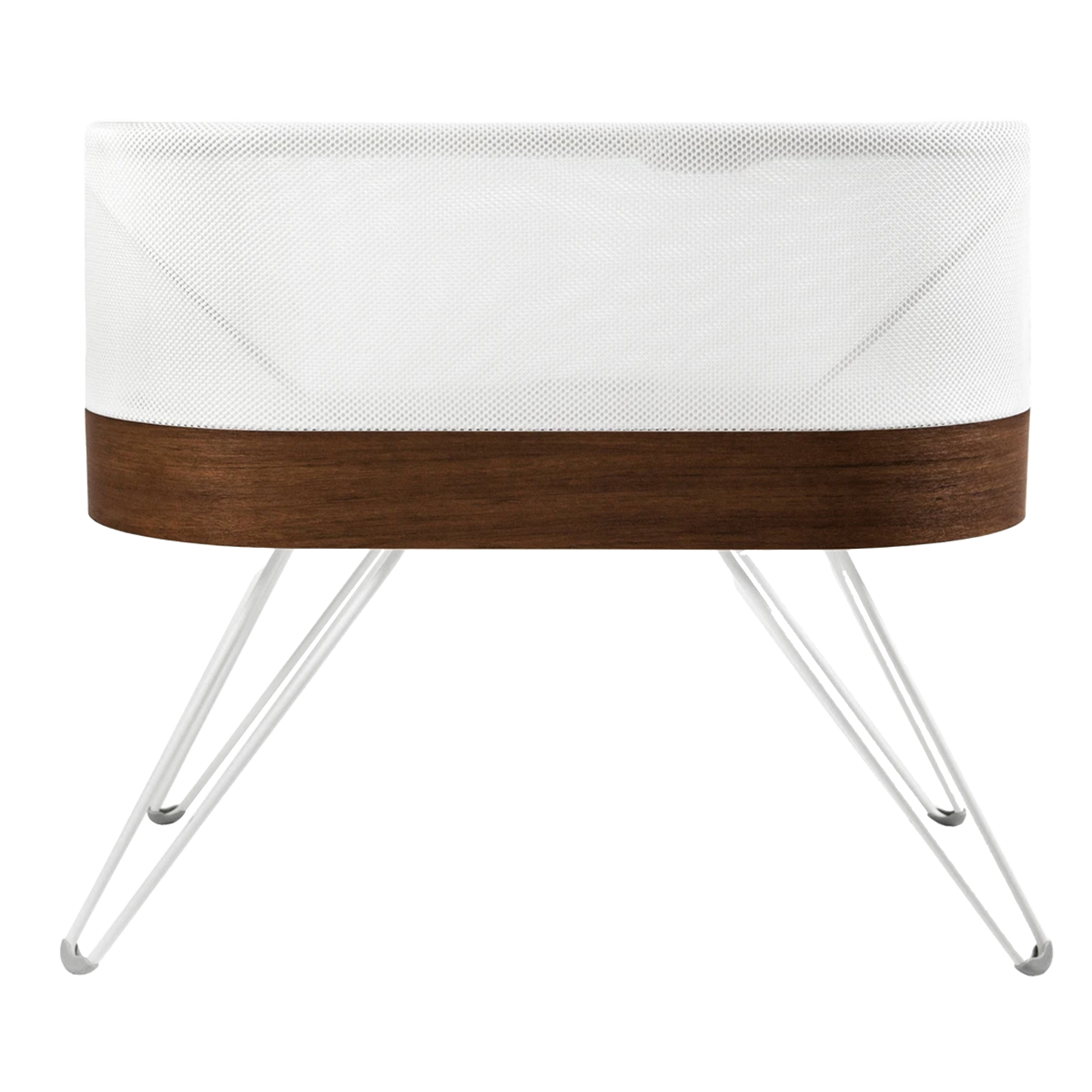
Focus first on the tasks that will help you navigate those newborn days with less stress: a safe sleep space, a car seat installed correctly, a simple diaper station, and your postpartum recovery supplies. (Perfect drawer dividers can wait!)
Be gentle with your body.
Avoid heavy lifting, harsh chemicals, and overexertion in late pregnancy. Use gloves, open windows, choose pregnancy-safe products, and take frequent breaks.
Share the load.
Nesting doesn’t have to be a solo mission. Invite your partner, friends, or family to help assemble furniture, run errands, or tackle the to-do list. Think of it as a “nesting party” rather than a one-person marathon.
Pair nesting with rest.
Good sleep and downtime are crucial for your health (both physical and mental) and Baby’s development. Build in cozy breaks: sip tea in the rocking chair you just set up, or spend a few minutes visualizing holding your baby in that freshly made “nest.”
Watch for red flags.
If your urge to clean and organize feels compulsive, keeps you from sleeping or eating, or comes with a lot of anxiety, sadness, or scary thoughts, it’s time to talk with your provider. Perinatal mood and anxiety disorders are very treatable. Reaching out is a sign of strength, not failure. Here are more ways to ready yourself mentally and emotionally.
Getting ready for Baby is about more than folded onesies and lined-up bottles. Nesting is one way your brain and body may try to create a safe, welcoming space for your growing family. Focus on what feels helpful, let go of perfection, and remember: the real “home” your baby needs most is your loving presence, not a spotless floor.
More on Prepping for Baby:
- Fourth Trimester Prep Tips to Set You Up for Postpartum Success
- Positive Affirmations to Prepare for Labor and Delivery
- How to Write a Birth Plan (Plus, Free Templates!)
- Creative Toy Storage Solutions to Cut Clutter
- Cleveland Clinic: Maternal Nesting Instinct During Pregnancy
- Neuroendocrine Regulation of Maternal Behavior, Frontiers in Neuroendocrinology, Jan 2015
- Evidence of Nesting Psychology During Human Pregnancy, Evolution and Human Behavior, Nov 2013
- The Parental Brain: Mechanisms, Development, and Evolution, Michael Numan, July 2020
- Neuroendocrine Control of Maternal Behavior in Non-Human and Human Mammals, Annales d’Endocrinologie, Apr 2016
- National Health Service: Your Mental Health and Wellbeing in Pregnancy
- American Psychological Association: High Levels of Maternal Stress During Pregnancy Linked to Children’s Behavior Problems
Disclaimer: The information on our site is NOT medical advice for any specific person or condition. It is only meant as general information. If you have any medical questions and concerns about your child or yourself, please contact your health provider.






SHARE THIS ARTICLE
MOST LOVED
Sleepytime Sidekicks