PREGNANCY
What to Know About the Group B Strep Test During Pregnancy
Yep, there's one more test in pregnancy! Read up on the GBS screening.

Written by
Happiest Baby Staff
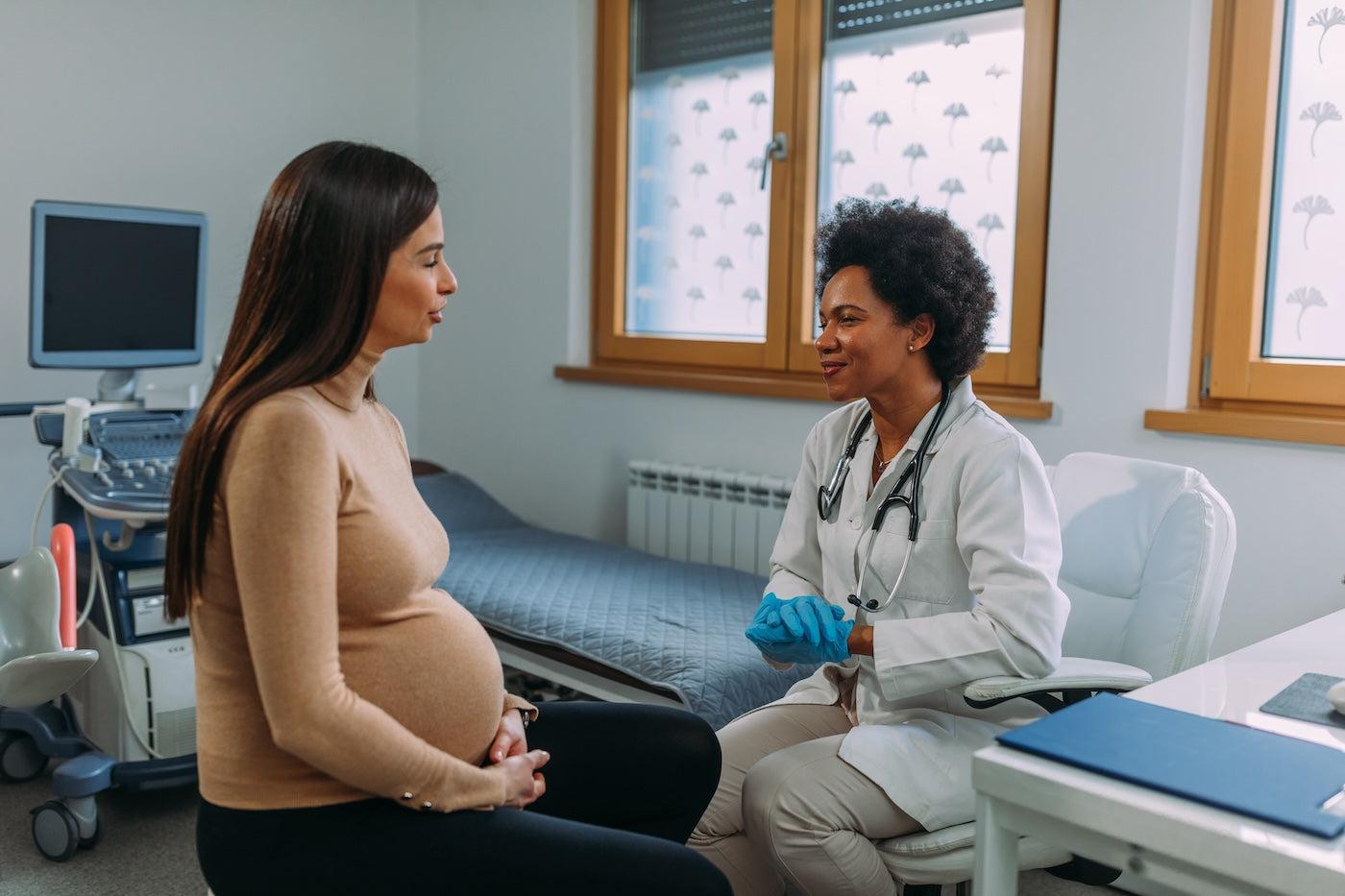
What do pregnancy and high school have in common? So. Many. Tests. (Well, that and the wild hormonal swings, obsessing over your changing body, and an appetite for nothing but Doritos—but those are topics for another day!)
To make sure you and Baby are healthy, your doctor will put you through a series of tests. And if you’re reading this in your third trimester, most of them are in your rearview mirror (think: the glucose test and prenatal genetic screenings). But in the last weeks of your pregnancy, you’ll need to do a Group B strep (GBS) test. This routine screening checks for a common type of bacteria that’s usually harmless to adults but can be risky for newborns if passed on during delivery.
If you’re wondering what GBS is, why the GBS test is important, and what happens if you test positive, we’ve got your ultimate, no-cramming-needed study guide.
What is group B strep?
Group B streptococcus (GBS) is a type of bacteria that naturally lives in the intestines, rectum, or vagina of about 1 in 4 pregnant women. It’s not a sexually transmitted infection, and most people don’t even know they have it because it doesn’t usually cause symptoms. But for newborns, exposure to GBS during birth can sometimes lead to serious infections.
GBS infections in babies fall into two categories:
- Early-onset GBS: This occurs within the first week of life, often within 24 hours after birth. It can cause sepsis (a dangerous blood infection), pneumonia, or meningitis.
- Late-onset GBS: This happens from a week to a few months old. While less common, late-onset GBS can still be serious, leading to infections like meningitis. Unlike early-onset GBS, this form isn’t always linked to childbirth—it can come from other sources, like caregivers or hospital environments.
Who should be tested for group B strep?
Because GBS doesn’t cause symptoms in adults, the only way to know if you have it is to get tested. That’s why doctors recommend getting screened between 36 weeks and 38 weeks of pregnancy.
There are some exceptions, though. You won’t need to be tested if:
- You had a baby who developed GBS disease in the past(in which case, you’ll automatically receive antibiotics in labor).
- You had a urinary tract infection (UTI) caused by GBS earlier in your pregnancy.
- You go into labor before your GBS test is completed—in that case, doctors may give you antibiotics based on other risk factors.
How is the Group B Strep test done?
The GBS test is simple and painless—no needles involved! Your healthcare provider will take a quick swab of your vagina and rectum, then send the sample to a lab. Results usually come back within 24 to 48 hours.
What happens if you test positive for GBS?
First things first: testing positive for GBS does NOT mean you or your baby are sick. It just means you carry the bacteria—and the good news is that there’s an easy way to prevent passing it to your baby.
If you test positive, your doctor will recommend that you receive IV antibiotics during labor, usually penicillin or ampicillin. This significantly lowers the chances of your baby developing GBS-related infections.
What if I’m allergic to penicillin?
If you have a penicillin allergy, your doctor will choose a different antibiotic, such as clindamycin or vancomycin, based on your individual needs.
How can GBS affect newborns?
If untreated, GBS can cause serious infections in newborns, such as:
- Sepsis: A life-threatening blood infection.
- Pneumonia: A lung infection that makes breathing difficult.
- Meningitis: Inflammation of the brain and spinal cord, which can cause long-term complications.
While most babies who develop GBS-related infections recover with treatment, some may experience lasting effects like hearing loss or developmental delays.
The good news? Antibiotics during labor dramatically reduce the risk of your baby developing GBS-related complications.
Final Thoughts on the GBS Test During Pregnancy
The GBS test is a routine part of prenatal care, and while testing positive might sound scary at first, it’s actually easy to manage. If you’re GBS-positive, getting IV antibiotics during labor is the best way to protect your baby! Of course, don’t hesitate to reach out to your provider if you have any lingering concerns.
More on Pregnancy:
- All About Labor Contractions
- Early Signs of Labor That Mean It's Go Time
- Pain Relief During Labor: Your Best Options
- What's the Deal With Red Raspberry Leaf Tea and Labor?
***
REFERENCES
- American College of Obstetricians and Gynecologists: Group B Strep and Pregnancy
- Cleveland Clinic: Group B Streptococcus & Pregnancy
- Centers for Disease Control and Prevention: Group B Strep Testing
- MedlinePlus: Group B Strep Test
- UCLA Health: Group B Strep Screening
- BMC Pregnancy and Childbirth: Risk Factors for Neonatal Group B Streptococcus Colonization and Infection: A Systematic Review and Meta-analysis, March 2023
- March of Dimes: Group B Strep Infection
Disclaimer: The information on our site is NOT medical advice for any specific person or condition. It is only meant as general information. If you have any medical questions and concerns about your child or yourself, please contact your health provider.





SHARE THIS ARTICLE
MOST LOVED
Sleepytime Sidekicks