BABY
Is My Newborn Waking From Hunger or for Comfort?
How to decode those 2am cries.

Written by
Happiest Baby Staff

In the middle of the night, it can feel like there are only two options: They must be starving…or they just want to be held. The truth? For newborns, it’s usually a little of both.
New babies are wired to wake often. That’s how they get the calories they need and the contact that helps them feel safe in this brand-new world. But you can learn to read your baby’s cues so you’re not guessing every time they squeak.
What’s “normal” newborn waking?
Newborns sleep a lot—around 16 to 17 hours over 24 hours—but usually only 1 to 3 hours at a time. Because their tummies are tiny, babies typically need to eat every 2 to 3 hours (8 to 12 times in 24 hours for breastfed babies). Waking at night for feeds in the first months is expected and healthy, not a bad habit.
Newborn sleep cycles are only about 60 minutes long, so babies naturally drift into light sleep or briefly wake roughly every hour. Most of those little grunts and squirms are not emergency hunger alarms—they’re just your baby moving between sleep stages.
Why Babies Wake: Hunger and Comfort
When your baby wakes crying, it’s usually for one (or more) of these reasons:
- Hunger or thirst
- Physical discomfort (gas, a dirty diaper, being too hot/cold, illness)
- Need for comfort and connection
Babies nurse for many reasons beyond nutrition—security, warmth, and closeness are big ones. The goal isn’t to stop all comfort feeds. It’s to make sure your baby is getting enough milk overall, while gently helping them learn other ways to settle when they’re not truly hungry.
A Middle-of-the-Night Checklist
When you hear that 2am cry, walk through these questions:
How long has it been since the last good feed?
If it’s been less than an hour to hour-and-a-half and the last feed was strong, then comfort/tiredness is more likely. Around 2 to 3 hours (or longer) since a full feed? Hunger jumps higher on the list.
What do the cues look like right now?
Rooting, frantic sucking on hands, strong, rhythmic sucking once latched point to hunger, while zoning out, yawning, slowing sucking, relaxing when held, or settling with rocking/patting signal comfort is needed. (Related: Signs Your Baby Is Hungry)
Are diapers and growth on track?
By 5 to 7 days old, most breastfed babies should have at least 5 to 6 wet diapers a day and several stools, and should seem satisfied for 1 to 3 hours between feeds—key signs they’re getting enough milk. If your pediatrician is happy with your baby’s weight gain and diaper counts, some of those night wakings are likely for comfort.
What happens if you pause for a moment?
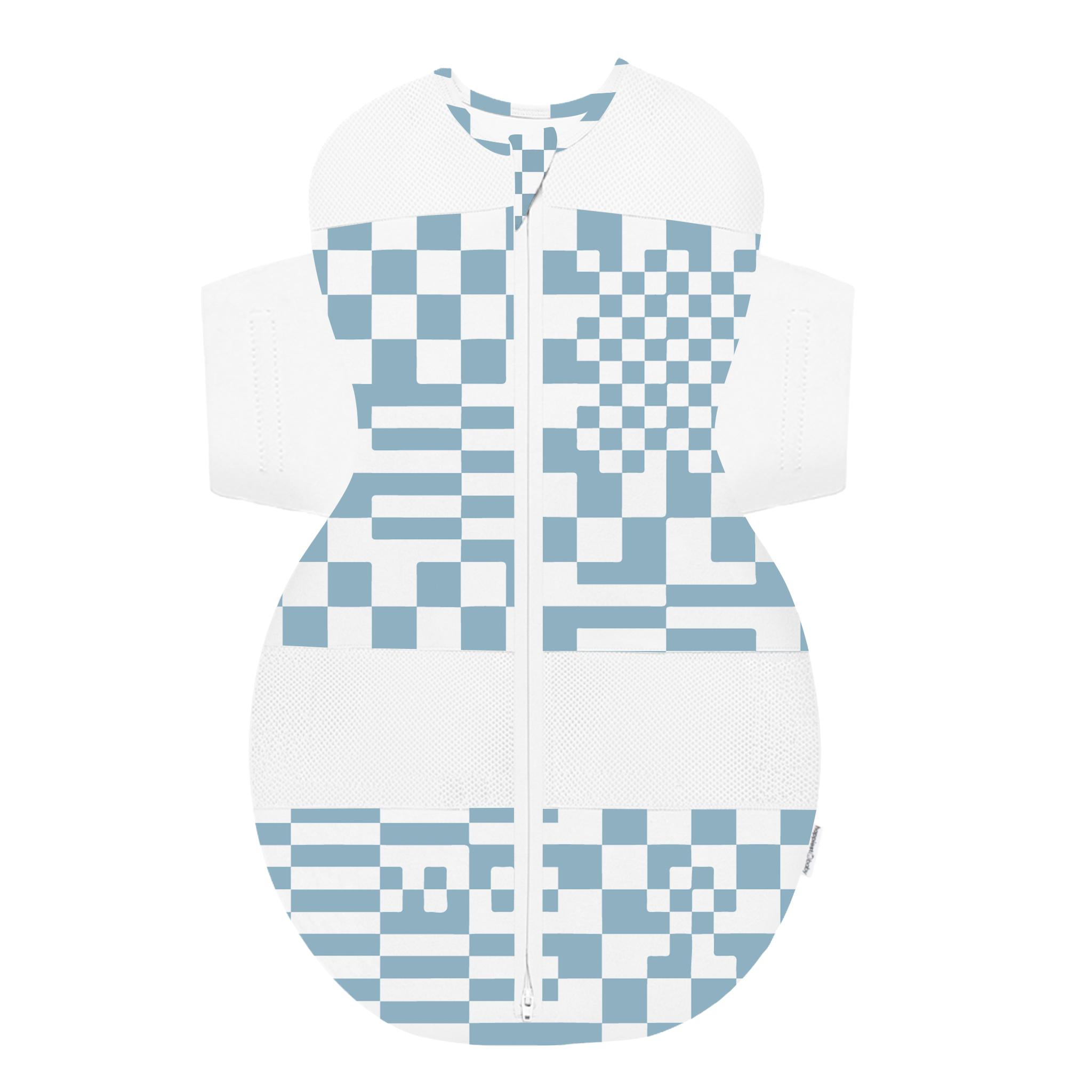
Dr. Harvey Karp suggests that if your baby gives a small squawk or moan when they come into light sleep, it’s okay to wait a few seconds. With swaddling and steady white noise in place, many babies drift back off on their own unless they’re truly hungry.
If, after this mini-check, you’re unsure, then feed. In the newborn period, it’s better to err on the side of offering milk, especially for babies who are underweight, preterm, jaundiced, or have any medical concerns your pediatrician is watching.
How often should I feed at night?
Most pediatric and lactation groups recommend feeding on cue, day and night in the newborn period. That usually means:
- Breastfed babies: Eight to 12 feeds in 24 hours (sometimes more), including several at night. In addition to nurturing your bub, frequent feeding helps establish milk supply.
- Formula-fed babies: About 2 to 3 ounces every 2 to 3 hours in the early weeks, adjusted with your pediatrician’s guidance.
Frequent daytime feeds (about every 1 to 1.5 hours of awake time) in the early months help support growth and help babies sleep longer stretches at night. Your baby’s individual plan may differ if they were premature, have low birth weight, jaundice, or other medical needs. Always follow your baby’s doctor’s specific advice.
Can a baby wake just for comfort?
Babies nurse not only for food but also for security and to cope with stress or overstimulation. Holding, rocking, or nursing for comfort releases calming hormones for both of you and can help protect your mood in the intense postpartum weeks.
Rocking or nursing a baby to sleep is not “spoiling” them—it teaches babies that they’re safe and loved. The key, over time, is to also build in little chances for them to resettle without always needing a feed.
How to Respond When It’s Not Hunger
If it’s been less than 60 to 90 minutes since a solid feed and your baby’s cues look more sleepy than ravenous, you might try:
- Pause a moment. If the cry is a brief squawk during light sleep, wait 20 to 30 seconds. Many babies resettle, especially if swaddled and with steady, rumbly white noise.
- Use non-feeding soothing first. Dr. Harvey Karp’s 5 S’s (swaddling, side/stomach-hold for calming while awake, shushing/white noise, swinging, and sucking) can activate a newborn’s built-in “calming reflex” and often settle cries that aren’t primarily about hunger. Just remember that for sleep, babies should be placed on their backs on a firm, flat surface with no loose bedding or soft objects.
- Offer a brief comfort nurse (if breastfeeding). If soothing doesn’t help and your baby gives hunger cues, go ahead and offer the breast. Comfort nursing is a normal part of breastfeeding; many babies take in both calories and calm at the same time.
- If bottle-feeding, watch the cues closely. Try holding, rocking, or a pacifier first. If baby still roots and fusses, offer a feed—but let them decide when they’re done. Follow your baby’s hunger and fullness cues rather than pushing them to finish a certain number of ounces.
Can I help my newborn “tank up” in the daytime?
Yes, within reason. The aim is more calories when the sun is up, not force-feeding at night. There are a few strategies to try:
- Frequent daytime feeds: Offer breast or bottle every 1 to 1.5 hours of awake time during the day in the early months.
- Evening cluster feeds: Some families give extra feeds in the late afternoon/evening to gently stretch the first nighttime sleep window.
- Dream feeding: Before you turn in for the night (around 11pm or midnight) wake your baby for one last feed to top off your little one’s tank.
A late dream feed plus a brief pause before automatically nursing at every noise can help babies shift more calories to daytime without harming weight gain—but these strategies should always be tailored with your baby’s clinician and a lactation consultant, especially in the first weeks.
With time, you’ll start to recognize your baby’s “feed me now” cry versus the “I just need a cuddle to get back to sleep” cry. Until then, responding with warmth, safety, and plenty of milk when needed is the very definition of good parenting.
More on Caring for Babies:
- A Feeding Schedule for Baby’s First Year
- How to Swaddle a Baby
- What Are Wake Windows?
- Paced Bottle Feeding: How to Do It and Why to Try It
REFERENCES
- Johns Hopkins Medicine: Newborn Sleep Patterns
- American Academy of Pediatrics: Baby Sleep
- Children’s Hospital of Philadelphia: Newborn Sleep Patterns
- La Leche League International: Frequency of Feeding: Frequently Asked Questions
- American Academy of Pediatrics: How Often and How Much Should Your Baby Eat?
- La Leche League of Pennsylvania: Why Does My Baby Nurse All the Time?
- American Academy of Pediatrics: Is Your Baby Hungry or Full? Responsive Feeding Explained
- American Academy of Pediatrics: How to Tell if Your Baby Is Getting Enough Milk
- La Leche League International: Poop and Pee
- Mayo Clinic: Newborn Sleep: Should I Wake My Baby for Feedings?
- American Academy of Pediatrics: Infant Food and Feeding
- La Leche League Canada: Establishing Your Milk Supply
- Johns Hopkins Medicine: Feeding Guide for the First Year
Disclaimer: The information on our site is NOT medical advice for any specific person or condition. It is only meant as general information. If you have any medical questions and concerns about your child or yourself, please contact your health provider.






SHARE THIS ARTICLE