BABY
When and How to Introduce Allergens to Babies
Worried about food allergies? Here’s your step-by-step, stress-less plan.

Written by
Happiest Baby Staff
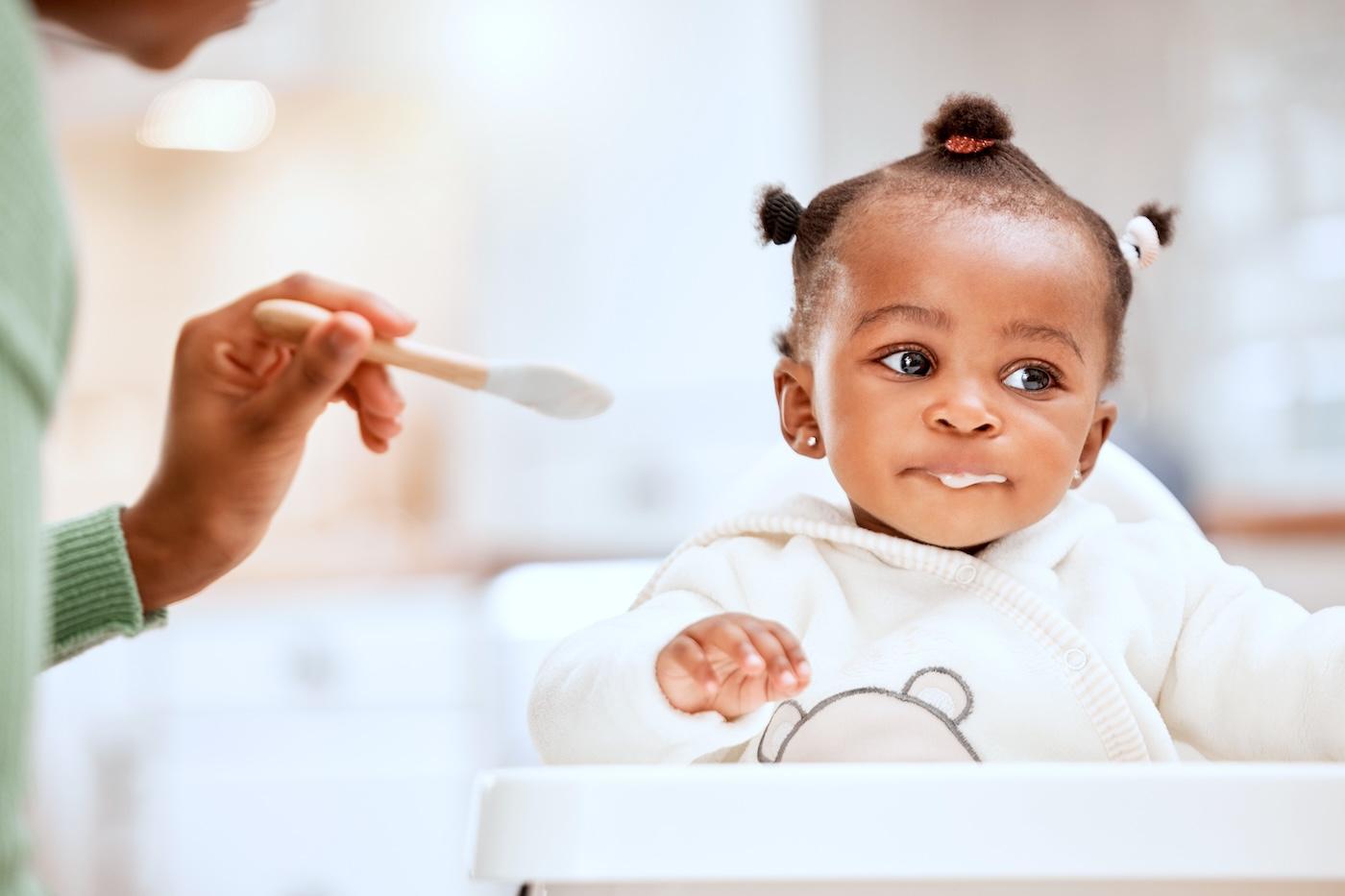
Once you introduce solids to your babies, you open them up to a whole new world of culinary delights (and those oh-so adorable messy-face pics!) And, of course, it can unleash a bunch of new worries and questions, especially when you’re staring down foods like peanut, egg, or fish. If you’re wondering, When do I start introducing allergens? How do I do it safely? What if my baby reacts?—you’re in the right place.
The big takeaway? Experts no longer recommend delaying allergenic foods for most babies. Once your baby is ready for solids, introducing common allergens in baby-safe forms can be part of a smart, healthy feeding plan. In fact, some allergies began dropping after this guidance became widespread.
But let’s take it one step at a time! Here’s what to know about common allergies in babies and how to introduce allergenic foods.
How common are food allergies in babies?
The CDC estimates about 1 in 13 children (8%) are affected by food allergies. Zooming in on the youngest kiddos: A CDC/NCHS report using the 2021 National Health Interview Survey found 4.4% of children ages 0–5 had a food allergy, with rates increasing as kids get older.
Translation: Food allergies are common enough to take seriously, but most babies can try allergenic foods safely with the right approach.
Who is at risk for food allergies?
Any baby can develop a food allergy, but some babies are more likely to. In particular, pediatric guidance flags these higher-risk situations:
- Severe, persistent eczema
- A known food allergy (especially egg allergy) or an immediate allergic reaction to a food
- Mild-to-moderate eczema may also raise risk compared to babies with no eczema
If your baby has severe eczema or has already reacted to a food, talk with your pediatrician before introducing highly allergenic foods—especially peanut.
What are common food allergens for babies?
The U.S. recognizes nine major food allergens:
- Milk
- Eggs
- Fish
- Crustacean shellfish
- Tree nuts
- Peanuts
- Wheat
- Soybeans
- Sesame
These are the foods most likely to cause significant allergic reactions—and the ones parents tend to worry about most at the highchair.
When to Introduce Common Food Allergens to Babies
Wait until your baby is ready for solids.
Babies are usually ready to start solids between 4 and 6 months. Watch for signs of readiness before racing ahead! Signs your baby may be ready include sitting with support, good head/neck control, opening their mouth when offered food, and swallowing food rather than pushing it out.
Introduce allergenic foods when you introduce other foods.
You can introduce potentially allergenic foods when you introduce other foods. Potentially allergenic foods include cow’s milk products, egg, fish/shellfish, tree nuts/peanuts, wheat/soy/sesame.
What about peanut, specifically?
There’s no reason to delay “allergen” foods like peanut, egg, or fish for most babies. And for babies who aren’t considered high risk, peanut-containing products can be introduced as early as 4 to 6 months. If your baby is high risk (severe eczema or a prior immediate reaction, especially to egg), check in with your pediatrician first to plan the safest approach.
How to Introduce Allergenic Foods to Babies
Here’s a simple, parent-friendly plan you can use for any common allergen:
Start with one single-ingredient food at a time.
This makes it easier to spot a reaction. The CDC suggests waiting 3 to 5 days between each new food at first.
Offer a tiny taste.
Start with small tastes of allergenic foods and gradually increase the amount if your baby does well.
Serve allergenic foods in baby-safe forms.
A few examples:
- Peanut/tree nuts: Nut butter is too sticky for babies to eat safely, so before serving it thin it with water, breast milk, formula, purée, or yogurt. Another option: Use peanut/nut powder mixed into foods. Never offer whole peanuts or whole tree nuts to babies or toddlers—they’re a choking hazard!
- Egg: Cook well (think: a hard scramble or a hard-boiled egg mashed)—no runny or undercooked yolks!
- Dairy: Yogurt or other processed dairy foods can be introduced, but whole cow’s milk as a drink isn’t recommended before age 1.
- Fish/shellfish: Serve fully cooked, very soft, flaked fish into tiny pieces.
Keep it in rotation once tolerated.
Once a food is tolerated, offer it routinely in age-appropriate forms. For peanut in particular, early peanut introduction with continued, regular servings helped prevent peanut allergy in high-risk infants in major research.
Tips for Introducing Common Food Allergens to babies
- Pick a calm time. Choose a day when your baby is healthy and you can watch them afterward.
- Don’t make an allergen the very first solid. Start with a few low-allergy-risk foods first (like infant cereal or fruit/veg purées), then add allergens once those are going smoothly.
- Go slow, but don’t delay. Current guidance finds no benefit to delaying allergenic foods once baby is ready for solids.
- Read labels carefully. Major allergens must be declared on labels (think: a “Contains: milk, wheat…” statement).
Signs That a Baby Is Allergic to a Food
Food allergy reactions often happen quickly—between a few minutes and two hours after exposure, according to the American Academy of Allergy Asthma & Immunology (AAAAI). Keep an eye out for reactions after new foods.
Common symptoms may involve:
- Skin: rash, hives, redness, itching
- Breathing: wheezing, trouble breathing, hoarse voice
- Gut: vomiting or diarrhea
If you see a reaction, stop serving that food and consult your child’s pediatrician.
When to Get Emergency Help
Anaphylaxis is a severe, life-threatening allergic reaction that includes severe breathing symptoms or involvement of multiple body systems. If your baby has trouble breathing, widespread hives/swelling, repeated vomiting, seems faint/very sleepy, or you’re seriously worried, don’t wait to seek emergency care!
More on Feeding Babies:
- Best First Foods for Babies: A Guide for 6 to 9 Months
- Peanut Allergies Are Dropping in Kids—What to Know
- Should You Try Baby-Led Weaning?
- How to Teach Your Baby to Eat
***
REFERENCESCenters for Disease Control and Prevention: When, What, and How to Introduce Solid FoodsCenters for Disease Control and Prevention: Food Allergies in SchoolsDiagnosed Allergic Conditions in Children Aged 0–17 Years: United States, 2021, NCHS Data Brief, January 2023American Academy of Pediatrics: When to Introduce Egg, Peanut Butter & Other Common Food Allergens to a BabyAmerican Academy of Pediatrics: AAP Clinical Report Highlights Early Introduction of Peanut-based Foods to Prevent AllergiesU.S. Food and Drug Administration: Food AllergiesAmerican Academy of Allergy, Asthma & Immunology: Food Allergy Basics for All AgesDisclaimer: The information on our site is NOT medical advice for any specific person or condition. It is only meant as general information. If you have any medical questions and concerns about your child or yourself, please contact your health provider.





SHARE THIS ARTICLE