Unlocking The Colic Mystery

In the first year of life, it’s very common for babies to experience some form of colic.
Colic is usually defined as a baby who cries and fusses for more than 3 hours a day, 3 days a week for
3 weeks (the so-called rule of threes)
The nonstop crying and wailing can really take a toll on the entire family. Here are some
tips to help you tame (or at least understand) the colic beast.

Defining colic
A great deal of debate continues in pediatric communities as to whether
digestive issues are actually to blame.
Digestive problems like food allergy (and very rarely acid reflux, yes, babies get it, too) are believed to cause 10-15% of colic. Experts and doctors remain divided on whether other types of stomach discomfort
are closely related to colic. For centuries doctors have thought that gas in
babies can cause bouts of crying. But over the past 40 years, this belief has been largely debunked.

Determining colic
Crying, of course, is a major colic clue. But not just your run-of-the-mill crying bouts. We’re talking about
extreme crying sessions that seem as if your little one is truly uncomfortable. A common indicator is when he clenches his fist while crying, and draws his knees up. This may seem like a digestive issue, like an upset tummy or built-up gas – because it often occurs after a feeding.
Another colic clue: Colic seems to strike right around the same period (thought this is not always the case).
There is no evidence that built-up anxiety can have a “trickle-down” effect, actually causing your infant
to experience an increase in tension and leading to more crying and discomfort (this theory is
largely discredited by the medical community).

Colic & Food
Some have theorized that breastfeeding is to blame for colic. Others claim that formula is the culprit.
So what’s the real cause? The answer may be neither . . . or both. There’s also disagreement in
the medical community as to whether the foods a mom eats can lead to colic if the mom is breastfeeding.
Some say that breastfeeding moms who eat acidic, spicy, or caffeinated foods are likely to give their
babies colic, while others claim that these foods have little to no effect. But there is consensus that colic in breastfed babies can occasionally be triggered by proteins coming form a mother’s diet into the milk and triggering allergic pain in the baby. The main causes of this are dairy, soy and egg. In addition, stimulants can pass through the breast and cause infant irritability. These irritants that can provoke colic include: coffee, tea, cola, chocolate, Chinese herbs and decongestants. If you’re concerned that your diet
is causing sensitivity – or even colic – in your little one, you might try removing some of them from your
daily meals, and then re-incorporating them one by one, over a slow period of time, so that you can test
out which ones seem to have a real effect on your baby. If you are bottlefeeding your baby, speak to your doctor about changing the formula.

Calming Colic
So can colic be cured? Or, at the very least, can colic be calmed? It’s an age-old question that has
confounded parents and pediatricians for many years. Up until recently, the only answer seemed to be that certain
methods are effective.
Parents were advised to give their babies tummy massage to relieve pent-up gas, or bathing them gently
in warm water (all of which may be comforting, but rarely has a soothing effect on the severe crying of colic.) Two studies looking at the benefits of giving babies “burp” drops (simethicone) have show them to be no more effective than plain water. And, no studies have show any benefit of an old herbal formula known as gripe water.

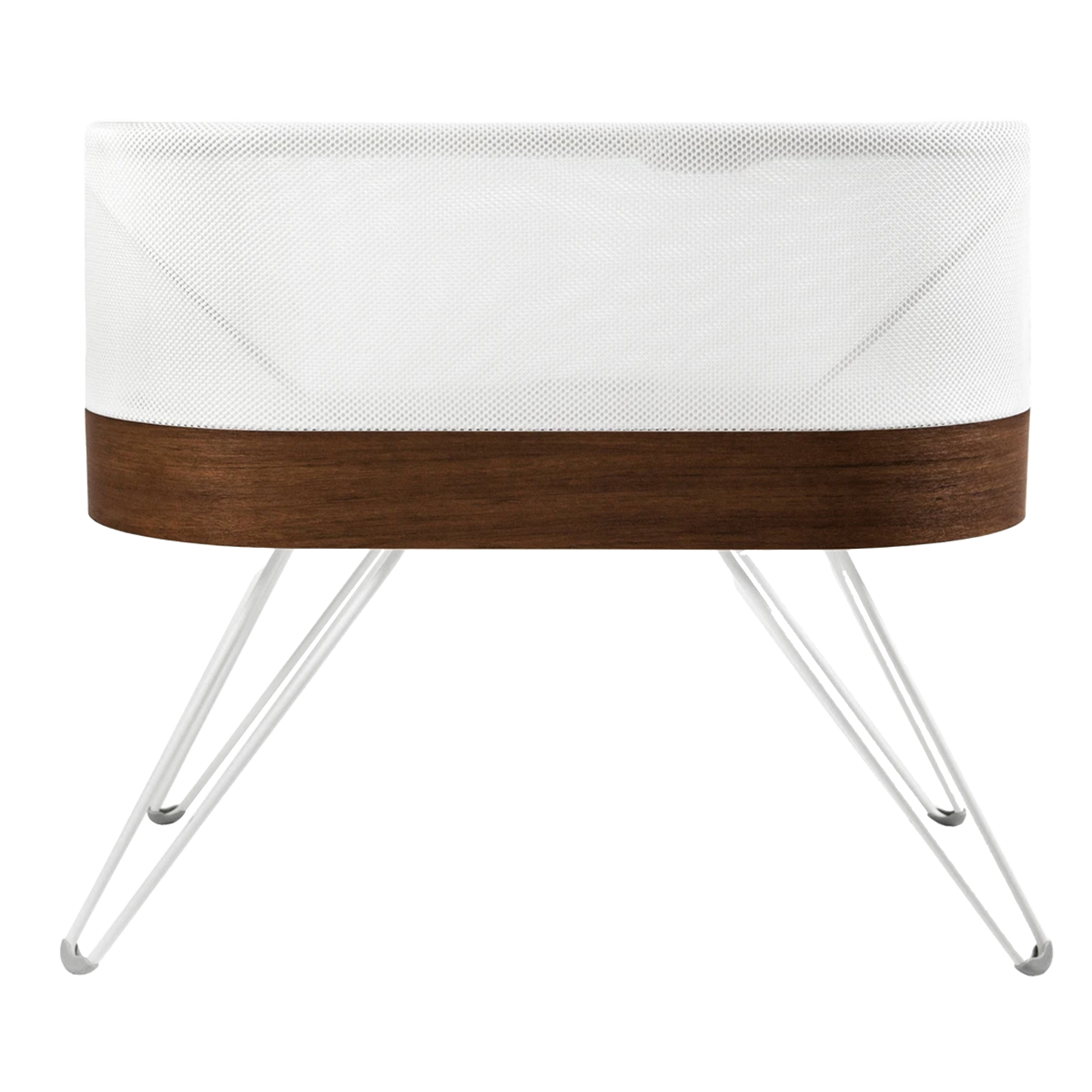
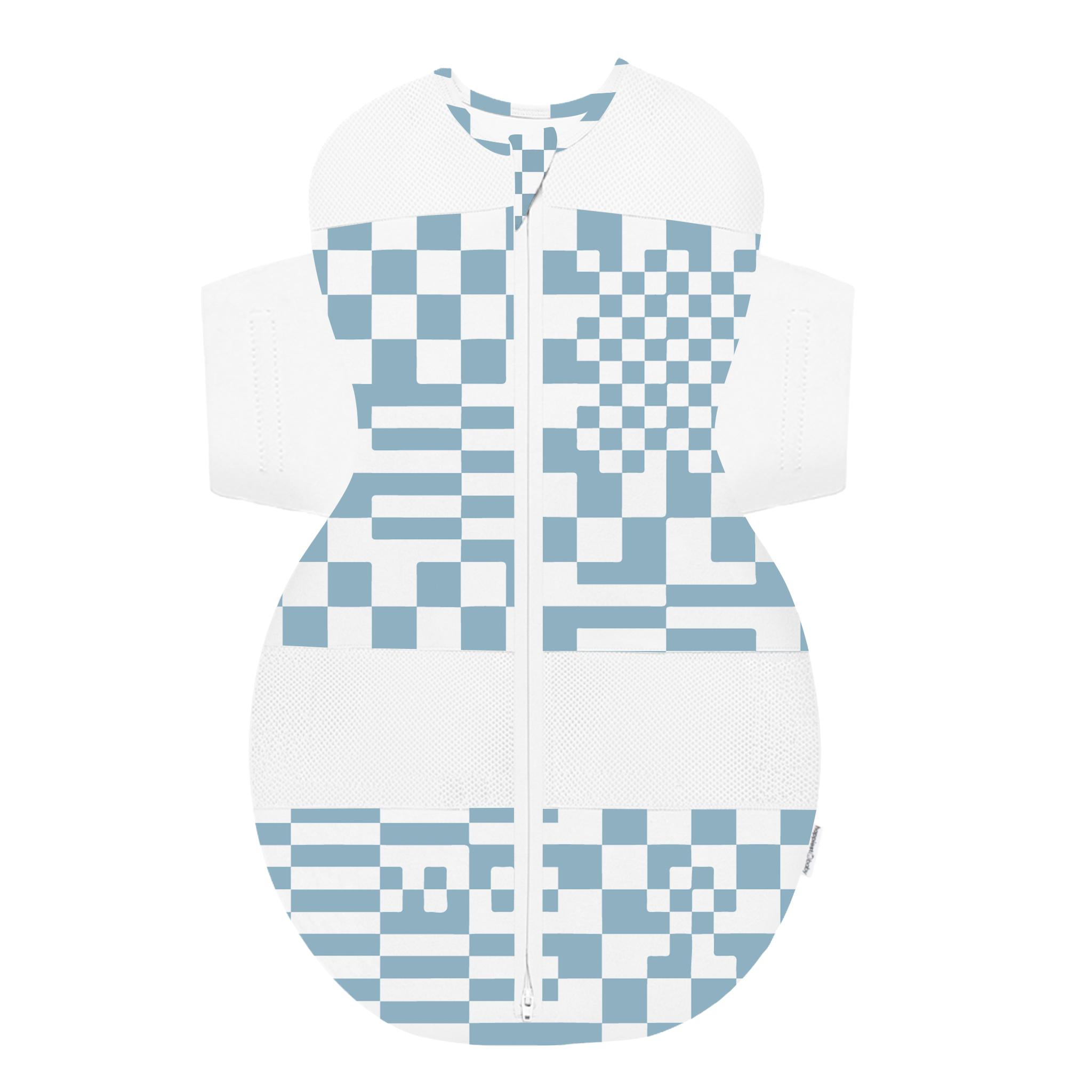
Since 2002, many parents have been amazed at much their baby’s colic can be helped by doing the 5 S’s as demonstrated in Dr. Harvey Karp’s bestselling DVD (and book) The Happiest Baby on the Block. The great success of these anti-colic techniques is based upon doing 5 steps correctly – and in combination – to turn on a baby’s calming reflex.
The 5 S’s include classic rocking motion. Jiggly (fast, tiny) motion is often helpful when it comes to calming
colic. Carrying your infant with you while you walk, or positioning her on her side or stomach may have
a soothing effect for colic. Swings are also a great option.
Make sure that these techniques are not only soothing for your baby, but that they are soothing for you,
too.

Very important is to use a CD of womb sounds (played as loud as a vacuum cleaner to calm a screaming baby and as loud as a shower – all night – to help a baby sleep an extra 1-3 hours). This particular type of white noise is highly effective for helping babies sleep…throughout the entirely of the first year of life!
Regardless, it’s important to create a soothing,
calming environment in which your little one can truly unwind and begin to relax.
Some pediatricians also recommend the “bicycle technique” – putting your infant on her back and
manually moving her legs up and down like pistons in a circular motion, as if she’s riding a bicycle

This can also relieve gas, soothing crying and colic.
(And don’t forget to take time to for some rest and relaxation yourself – as a parent dealing with colic.)

Dealing with Colic
Equally important to relieving your baby’s discomfort from colic is relieving YOUR discomfort from colic.
Learning to handle the stress that comes with colic is one of your most powerful tools on this journey.
Keep the focus not on the actual discomfort and crying, but on what you can and will do to relieve that
crying. This helps you avoid negative thoughts and go into “solution” mode. .
New Moms and Dads can get extremely overwhelmed when it comes to colic. Remember to keep taking
breathers when you need to. Carrying a crying baby around for an entire day is too much for any parent to
take, new or seasoned. Ask your spouse to help, or a trusted family member, friend, or neighbor. T
aking time to relax and rejuvenate will allow you to come back from your break with more energy and
patience (which, we all know, are big requirements for parents, especially those dealing with colic).
Use that time to do whatever helps you press the “reset” button, whether it’s walking around the block
in the fresh air, getting a massage, or simply grabbing a quick shower, or even a nap. Your baby needs
you to be the best parent you can be (especially if he is suffering from colic), and one key aspect of that is
making time to take care of yourself.

Dealing with something OTHER than Colic
It goes without saying that, colic or no colic, if you are worried about the health of your little one in any way
, you should speak to your pediatrician immediately. Colic is no laughing matter – but keep in mind that
the discomfort that’s causing your baby’s crying could be caused by something else.
. Always better to play it safe, so i
f you have any concerns, it’s always a good idea to run them past your doctor for feedback. And of c
ourse, do not try “treating” whatever your baby’s symptoms are (colic or otherwise) without consulting y
our pediatrician, too. Using medicine without a doctor’s recommendation can lead to disastrous results.

Life After Colic
The best news about dealing colic? It’s temporary! Infants who experience colic do not experience any
negative effects in the long run. Some parents even claim that their little ones who once had colic go on
to have a heightened sense of awareness because of this sensitivity experienced so early in life.
In general, colic (and the extreme bouts of crying that come with it) goes away in the first 3-4 months of
life. (And again – talk to your pediatrician if your little one’s colic seems to last longer than this period.)

Tags:

Post a Comment

Fields marked with (*) are required


"Dedicated to the generous hearts of all parents and to our sweet children who enter the world with such trust."

Copyright © Dr.Karp 2010. Powered by Attention Interactive, LLC.