PARENTS
Advice for New Parents: 9 Tips From Dr. Harvey Karp
Be the parent you want to be, and enjoy it!

Written by
Dr. Harvey Karp
Plenty of folks—from “experts” to neighbors to strangers on the street—offer new parents nitty-gritty baby tips for getting the job done. I’ve written some myself and trust me—you’ll need ’em! But here’s something a little different…tips to help you thrive, grow, and truly enjoy your new and exciting journey as a parent.
Embrace the rollercoaster.
Many first-time parents get emotional whiplash flipping between feeling like you’ve totally nailed this whole parenting thing…to suddenly feeling utterly inept. But you know what? Everyone feels that way! (Even Pinterest-perfect parents ricochet between these new-parent extremes.) I think it’s helpful to think of yourself as the newest, shiniest link in an unbroken chain of successful parents that stretches back to the beginning of time! Believe me, down the long road of parenting there will be situations and circumstances that’ll get super sticky, like fears, unfair friends, and teen traumas, to name a few. But right now, you will be a total success if you just keep to the basics: love, touch, singing, milk…and patience—with your baby and yourself.
Be kind…to yourself.
If you’re like many first-time parents, you’ve barely ever touched a newborn before you had your own—yet you think you should automatically be a baby care expert! (PS: You’re not an expert…yet, and that’s okay!) Please, firmly ask that “judge” inside your head to take a hike. One of the best things you can do for yourself right now is to be as supportive to yourself as you would be to your best friend. That’s a sure path to greater satisfaction and happiness—and some of the best advice for new parents.
Get as much sleep as possible!
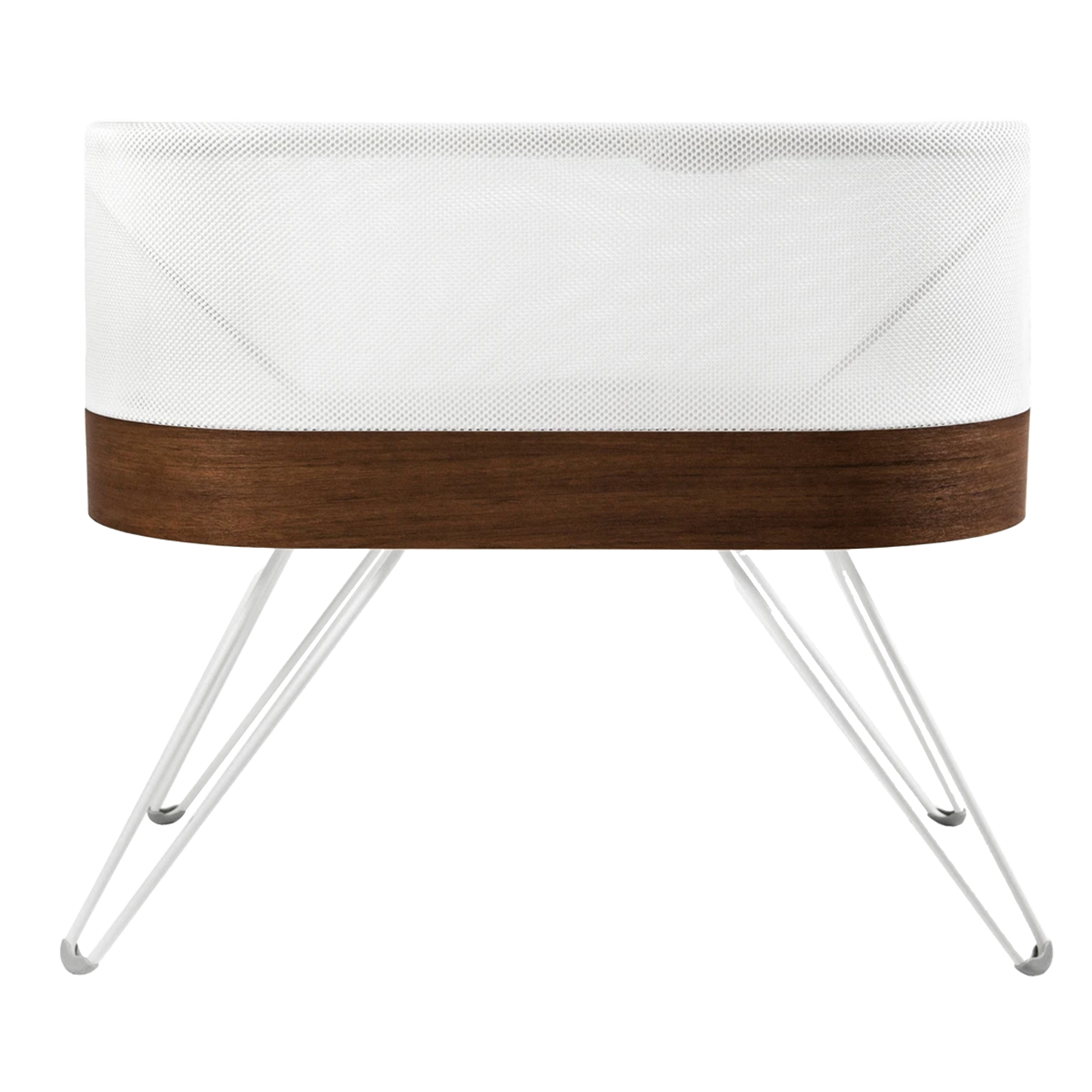
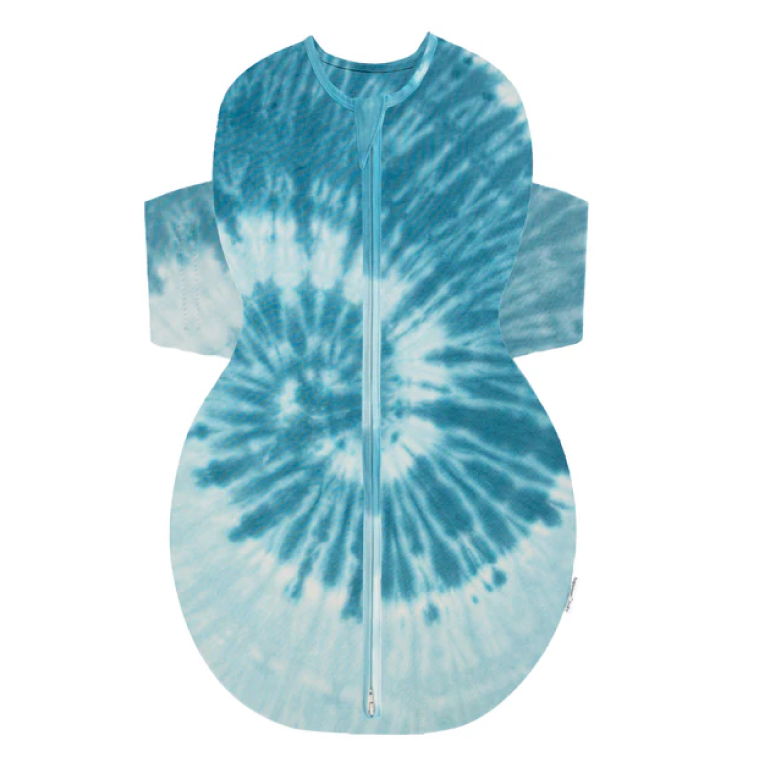
If parenting is a big balloon of joy, exhaustion is the pin that pops it! Your sleep success can make or break your mood, your confidence, and your patience. After 30 years in pediatric practice, I have seen over and over again how sleep deprivation can reduce a mom or dad to tears. Being sleep-sapped can make you feel alone, incompetent, edgy, and causes serious accidents and sickness. Do yourself a favor and learn my 5 S’s for calming babies. They’re a simple—and proven—tool to help boost baby sleep…which then boosts parent sleep! (By the way, SNOO, my award-winning smart sleeper, taps the power of three out of the 5 S’s—safe swaddling, all-night swinging, and continuous and responsive shushing/white noise—adding 1 to more than 2 hours of sleep each night.)
Accept all the help you can get.
Never before in history have parents been expected to care for their newborns…all alone. In centuries past, we always had extended family living with us—or at least very close by—to help out with the children. But today that “village” has almost vanished, leaving new parents home alone struggling to adapt. And when both parents work, they’re even more pressed. So, my advice for new parents? Never hesitate to ask for help. If you have the means, please let the guilt go about paying for the help you need…you deserve it. Whether it’s a postpartum doula, a nanny, meal kit delivery, leaning on your friends and family, or looking into SNOO for that extra set of hands—any of these things can go a long way in easing the parenting load.
Remember that all babies cry.
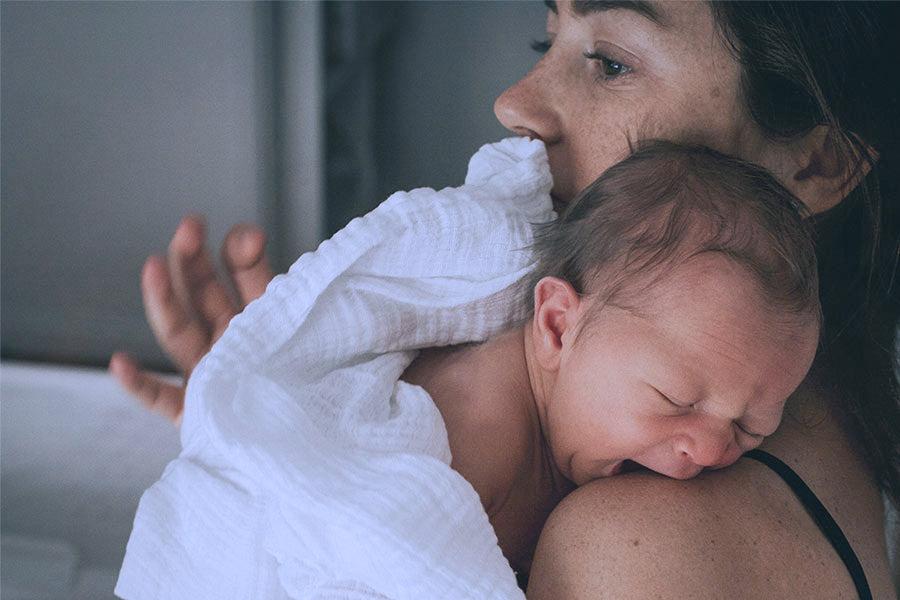
The birth of an infant is a glorious experience, but it’s a rare parent who doesn’t have episodes of anxiety and self-doubt...especially if your new bundle has colic or simply cries more than you expected. Persistent fussing can easily cast a shadow over your confidence and make you wonder if your own fear or frustration is causing at least some of your baby’s tears. But babies are just babies! Your bub is not crying at you or because of you. They’re not mad at you. Human babies are simply born too early and need a little more womb-like care for a few months—the fourth trimester—to help make them feel safe and secure. My advice? Learn all about the 5 S’s for soothing babies, the calming reflex, and repeat after me: All babies cry and soothing crying can be unexpectedly hard. I’m learning.
Be flexible.
You will naturally find that some parenting philosophies make more sense to you than others but being rigid about these parenting takes is…a mistake. In fact, if I were to make a bumper sticker for parents, it would read “Be flexible…or die!” You see, while it’s great to have ideas and plans, our children are here to challenge all of those preconceived expectations. We need to be nimble and willing to pivot to new ideas when old ones stop working. My best guess is you’ll be surprised how just “rolling with it” can keep your good mood—and your families’—going. Whenever you’re feeling stuck and battling against an old idea that doesn't quite work anymore, just think of another quote I love: “Before I got married I had six theories about bringing up children Now I have six children, and no theories!”
Keep your sense of humor!
Raising a child is a constant series of tasks and challenges. You don’t want to make mistakes, but boy oh boy, you will! Remember, “perfection” is only found in the dictionary. So, forget dignity, forget organization, be gentle with yourself and…laugh, laugh, laugh! Laughter raises your spirits, lowers your stress, and is exactly what this doctor orders! Having a hard time finding your funny bone these days? Stream some funny movies. Imagine glamorous celebrities burping their babies and getting giant streams of spit up down their backs. Laugh at your messy top knot…and house. Laugh when your precious darling has a diaper explosion when you’re in line at Starbucks. And you know why you can? Because all the chaos is temporary…your love and bond is forever.
Take care of each other.
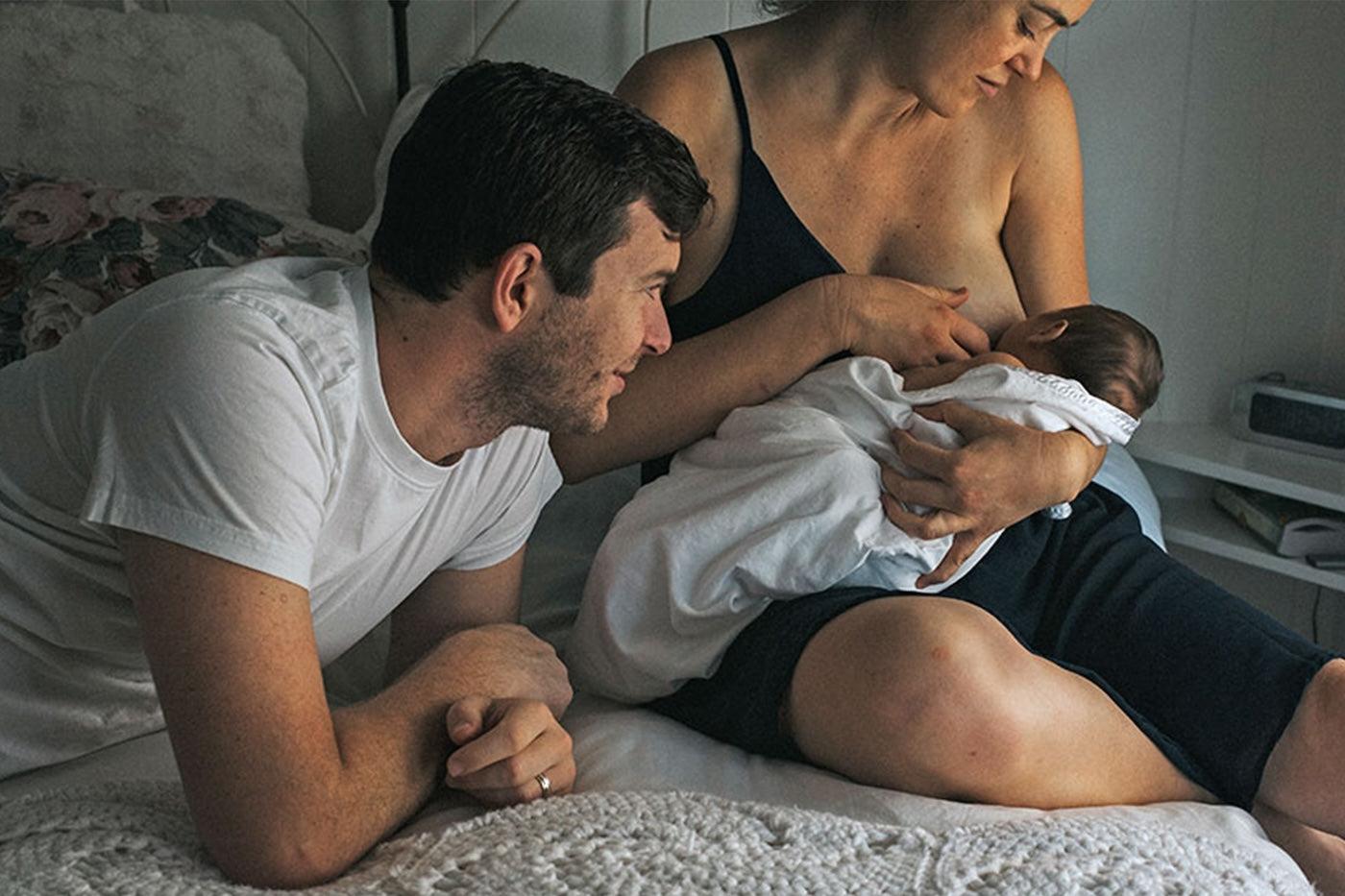
Partnered up? Then caring for your baby is only half your job. The other half is giving your relationship with your partner some TLC. Think about this from your baby’s perspective. Your little one’s world balances on the two of you. They’d never want to hear you say “Baby, I gave up everything for you. I even put you ahead of your father/mother.” In fact, if your infant could talk, here’s exactly what they’d say: “Don’t worry about me! I’m fine, but I’m really gonna need you two later on. So, go have some fun! See a movie, go for a walk, go see a show…but please take care of yourselves!”
Be present.
I realize that being told “the time goes so fast” or “the days are long, but the years are short” is just as annoying as hearing “sleep when the baby sleeps.” But all sentiments are true! Think about it like this: If your head’s caught in the past—or the future—you will miss the miracle that is your baby’s first year of life. Hold your little one close and feel their heartbeat. Lose yourself in that sweet smile. Be truly present when your bub finally says Dada or Mama for the first time. There are few, if any, happier moments in life. Enjoy and thrive! (Here, some tips for being present with your baby.)
Final Words of Advice for New Parents
If you’re doing your best as a first-time parent, you’re doing a great job. And if you’re struggling, don’t be afraid to ask for help. Some resources you might consider: If your newborn isn’t sleeping well, check out my guide to newborn sleep habits. If you’re having trouble with your own mental health, don’t hesitate to tap one or more of these mental health resources for new parents. You’ve got this!
More on adjusting to new parenthood…
- 8 Tasks New Parents Can Delegate
- Unofficial Baby Milestones for New Parents
- How to Cope With Parental Anxiety
- Mediation Tips for New Parents
Disclaimer: The information on our site is NOT medical advice for any specific person or condition. It is only meant as general information. If you have any medical questions and concerns about your child or yourself, please contact your health provider.


SHARE THIS ARTICLE
MOST LOVED
Sleepytime Sidekicks