We're a mission-driven company dedicated to helping parents succeed at their most important job—raising healthy, happy children.
Meet Our Founders
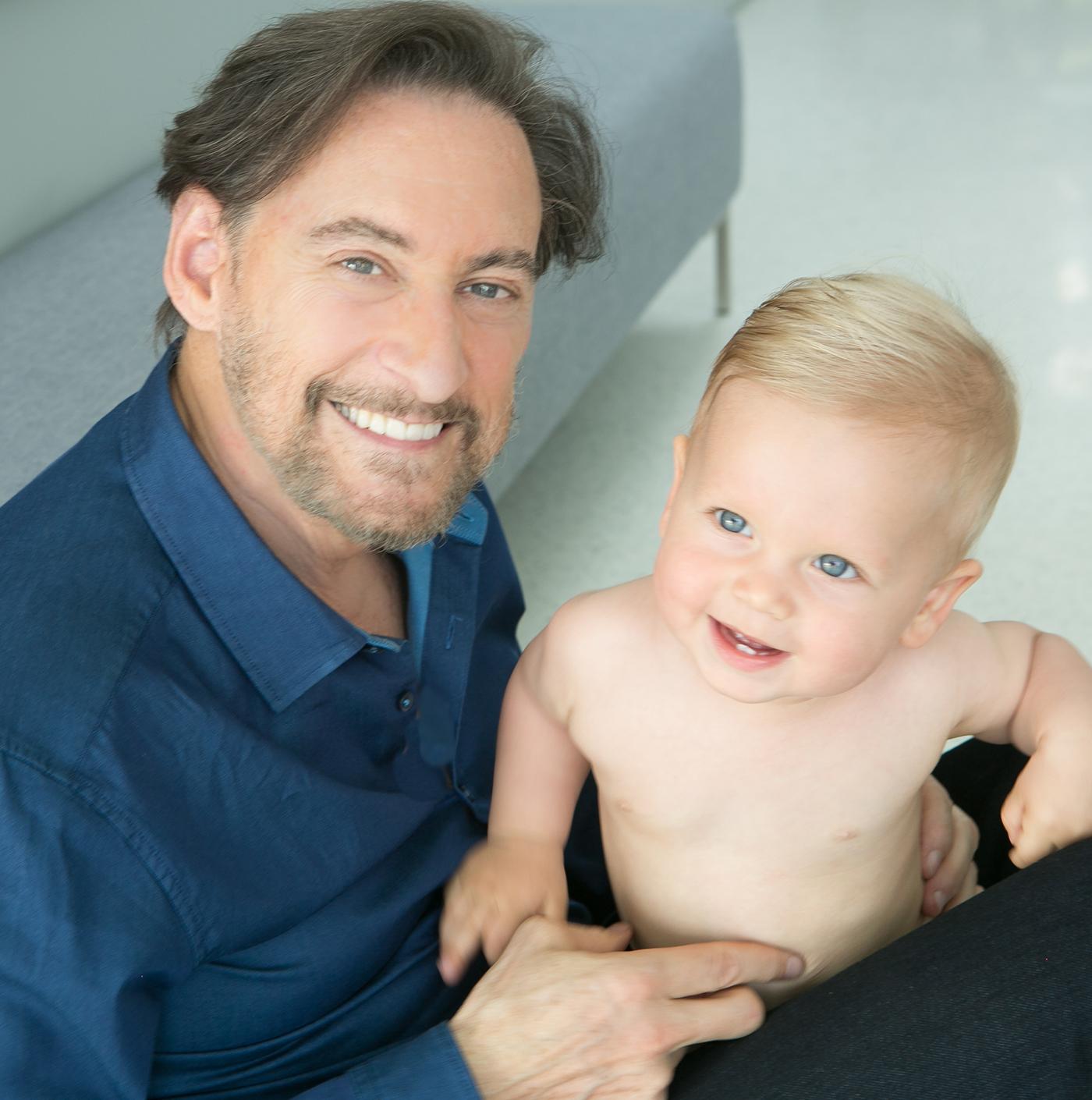
RENOWNED PEDIATRICIAN & CHILD DEVELOPMENT EXPERT
Dr. Harvey Karp, Founder & CEO
Dr. Harvey Karp is a world-renowned pediatrician and child development expert. He received his medical degree from Albert Einstein College of Medicine and completed residency at Childrens Hospital of Los Angeles. He performed dual fellowships in Ambulatory Pediatrics and Child Development at UCLA. Following his training, he practiced general pediatrics in Santa Monica, California for 30 years and was on the clinical staff of UCLA and USC Schools of Medicine. He is currently an affiliate professor at the Harvard T.H. Chan School of Public Health.
His celebrated The Happiest Baby on the Block and The Happiest Toddler on The Block books and videos have guided millions of parents and are translated into over 20 languages. Families and caregivers around the world have benefited from his breakthrough discoveries—the calming reflex, the 5 S’s, and Toddler-ese—which have been taught by thousands of specially trained educators in over 20 nations.
He is also the creator of SNOO Smart Sleeper, the only FDA De Novo authorized bassinet. SNOO is a new class of responsive infant bed that adds hours to baby’s sleep, quickly calms fussing, and reduces the risk of dangerous rolling during sleep. SNOO is used in over 200 U.S. hospitals where it has been shown to reduce nurse labor 4-5 hours/day and over 150 leading corporations offer a free 6-month SNOO rental as a benefit to their employees. SNOO has won 50+ top honors and is in the permanent collection of the Smithsonian Institution as an iconic example of 21st Century form and function.
Dr. Karp is an advocate for children’s environmental health and his work has directly led to implementation of state and federal laws protecting children. He is a board member of Environmental Working Group, one of the Nation’s premiere environmental protection groups, and has served as a spokesman for the Natural Resources Defense Council (NRDC) and the California Department of Health. He is also a fellow of the American Academy of Pediatrics.
He has appeared numerous times on Good Morning America, CNN, Today Show, The View, Dr. Oz, and more. His work has been featured in The New York Times, TIME, Newsweek, Wall Street Journal, LA Times, Parents, Forbes, Bloomberg, People Magazine, etc.
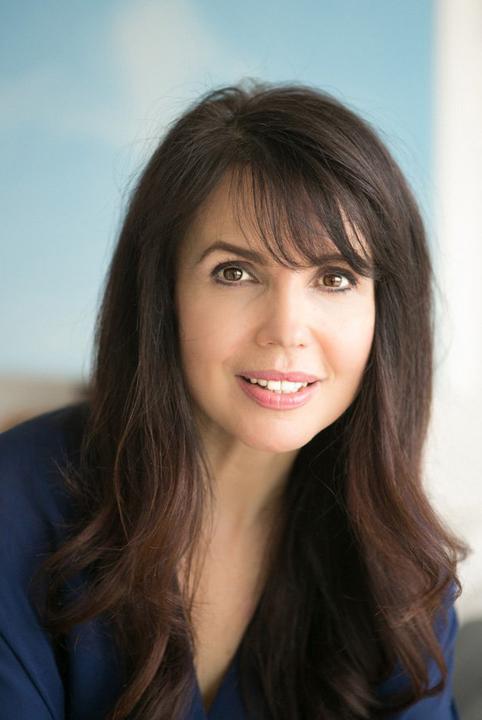
INSIGHTFUL LEADER & STRATEGIST
Nina Montée Karp, Founder & President
Nina Montée Karp is the co-founder of Happiest Baby and a prominent child and environmental activist, producer, and director. She has a passion and talent for bringing ideas to life and has been instrumental in the launch and development of Happiest Baby. Nina also directed the award-winning The Happiest Baby on the Block and The Happiest Toddler on the Block videos. These bestsellers have been used around the world to educate and empower parents.
Nina is a founding board member of Healthy Child Healthy World, a board member of EWG, and a board member for Breastcancer.org, which has disseminated information and support about breast cancer to over 12 million women. She helped create one of the first environmental documentaries for parents, Not Under My Roof, as well as Breast Cancer: The Path of Wellness and Healing. Her work has been featured on Good Morning America, CNN, Today show, The View, Dr. Phil and in The New York Times, Time, Newsweek, In Style, People Magazine, and more.
OUR MISSION
Helping You Raise Happy, Healthy Children
After decades of treating patients, Dr. Karp vaulted to global prominence with the release of the bestselling Happiest Baby on the Block and Happiest Toddler on the Block. His landmark methods have since become standard pediatric practice, translated into more than 20 languages and have helped millions of parents.
Dr. Karp has been a tireless advocate and a national leader in the promotion of children's rights to a healthy and safe environment. His work has directly led to U.S. state and national laws protecting children.
While Dr. Karp’s advice has guided parents to understand and nurture their children for years, he recognized the opportunity to further address families’ everyday challenges by creating a suite of smart, science-backed solutions, beginning with the #1 new parent stress: exhaustion.
Our Story
Happiest Baby’s Journey
A Seed Is Planted
Shortly after Happiest Baby is founded, Dr. Harvey Karp’s bestselling book and DVD, The Happiest Baby on the Block, introduce parents to the 5 S’s, laying the groundwork for SNOO!

Vision to Reality
Dr. Karp has an a-ha moment about helping babies sleep safer and makes a sketch of what will become SNOO. In the following years, he teams up with experts at MIT & celebrated designer Yves Béhar to bring his vision to life!
SNOO Is Born
After tens of thousands of hours building, tweaking, and testing SNOO with hundreds of babies, SNOO Smart Sleeper is born! Soon after, our rental program launches, so even more families can enjoy sweet ZZZs.

SNOO Goes to Work
Happiest Baby's Employee Benefit Program launches, giving new-parent employees at top companies a free SNOO...paid for by their employer!
A Hospital Hero
Just as COVID began to overwhelm the healthcare system, hospitals around the world got an extra helping hand, thanks to the SNOO Hospital Program. Now SNOO is in 150+ hospitals, where research shows it saves nurses nearly 2 hours a shift!

Sleep Grows Safer
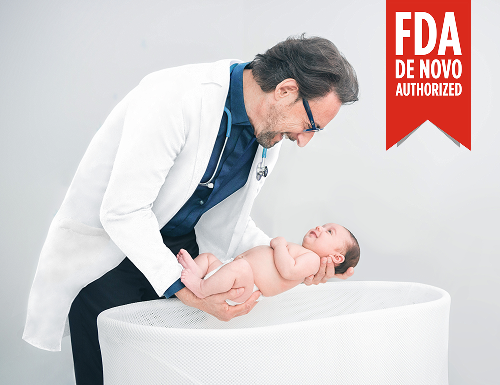
The FDA grants SNOO De Novo authorization for its ability to keep sleeping babies safely positioned on their backs—making SNOO the first and only infant sleep system to receive this designation. See important safety information: happiestbaby.com/fda.
Landmark Award
SNOO is the most awarded baby product in history, having racked up a staggering 50+ accolades. One of our proudest accomplishments? In 2023 Happiest Baby made TIME magazine’s list of 100 Most Influential Companies and SNOO Smart Sleeper made their list of 200 Best Inventions!

A Bright Future
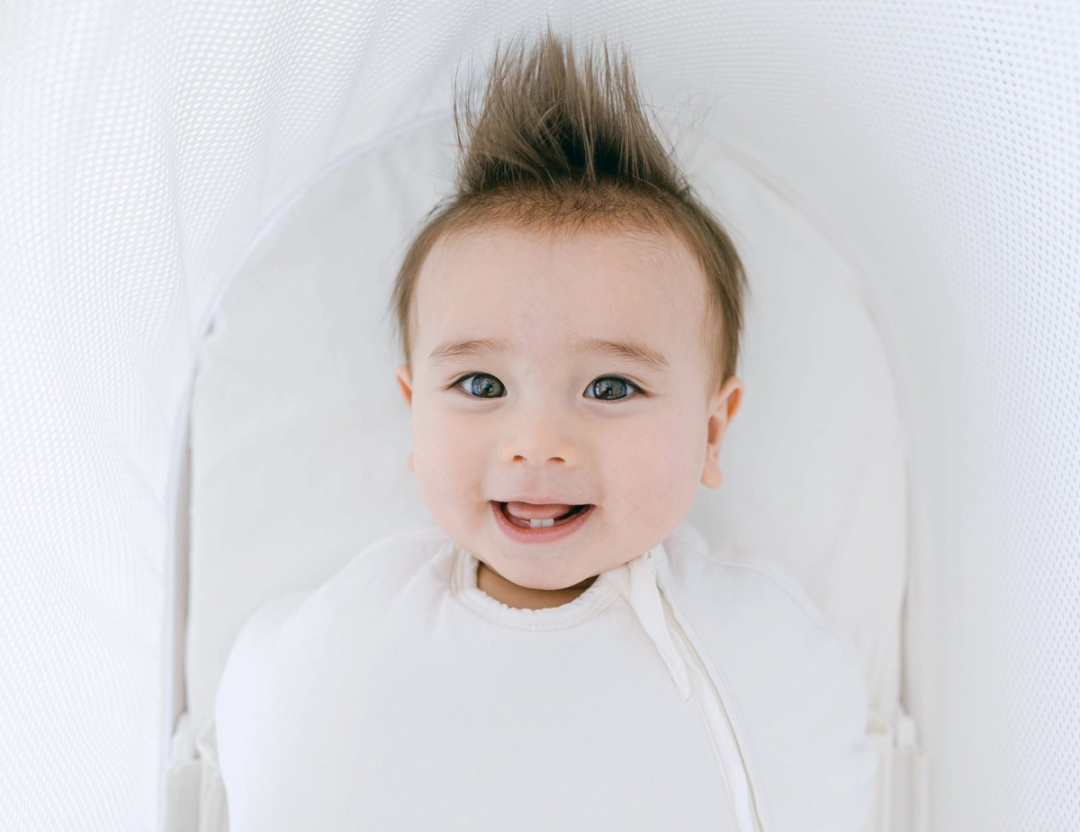
Happiest Baby is continuing to build on our suite of bestselling sleep solutions (like Sleepea, SNOObear, and SNOObie). We’re always looking for ways to make our smart sleep solutions even smarter—with AI, cloud computing, machine learning and more. And we’re working to make SNOO even more accessible to families.
OUR VALUES
Parents Can Trust Our Products Are...

Parent-Empowering
Help parents succeed at their most important job: raising healthy, happy children

Science-Backed
Our smart sleep solutions are pediatrician-designed and research-based
Simple to Use
Parenting is hard enough without having to navigate overcomplicated tech!
Built With Integrity
Made with premium, eco-friendly, sustainable materials & high production standards

Timeless & Aesthetically Driven
Sleek, modern designs that fit into any home seamlessly
Made for ALL Families
Making good sleep more accessible with corporate & hospital partnerships & more!