BABY
The Truth About Acid Reflux in Babies
Acid reflux rarely causes colic. What's the real culprit?

Written by
Dr. Harvey Karp
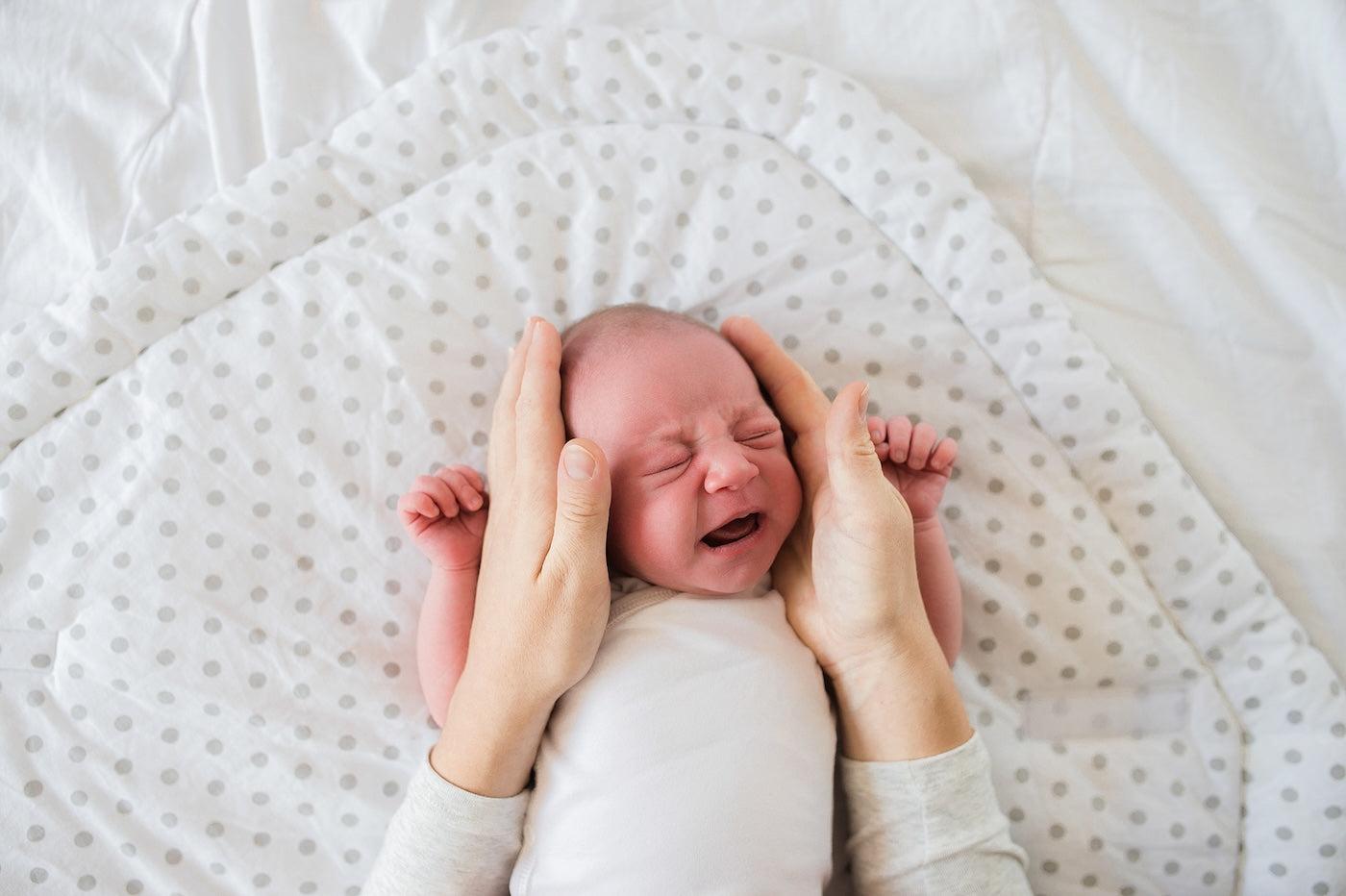
For many years, pediatricians have wondered if colic might actually be a burning pain caused by acid reflux in babies (when stomach acid squirts back up the wrong way also known as gastroesophageal reflux disease, or GERD). One book even trumpeted it as “the cause of all colic.” But hundreds of millions of dollars spent on baby antacid medicine (and big-pharma ad campaigns) have been wasted. It’s now proven that GERD rarely causes colic.
Studies on Baby Acid Reflux
Australian doctors examined 24 babies who were so irritable they had to be hospitalized (all under 3 months of age). Each was checked for acid reflux, but only one had it. In fact, studies now show that even babies who do have severe reflux usually have no pain. Out of 219 babies hospitalized because of severe reflux, 33% had excessive vomiting and 30% were failing to gain weight but few had just excessive crying.
A University of Pittsburgh study confirmed that acid reflux medicine makes no difference for most babies with colic. Doctors caring for 162 infants with marked crying after eating gave half the babies a powerful antacid; the rest got a placebo. What happened? Fifty percent of babies got better on the medicine…but 50% got better on the placebo, too.
In truth, all babies have reflux; we just call it by a different name: spitting up. There is a muscle at the bottom of the esophagus that keeps stomach juice from flowing back up to the mouth. For the first 6 months it is pretty weak, so babies often burp up a smidge of their last meal…mixed with a bit of stomach acid. And, some barf huge amounts, with no crying at all. Doctors call them happy spitters and suggest just burping them better and not overfeeding. For these families, the biggest problems caused by acid reflux in infants are milk stains on clothes and sofas.
Despite years of mounting evidence, 82% of pediatricians are still fooled into overprescribing acid suppression medicines. (Most of these medicines are not even FDA approved for infants under 1 year of age.) Frustrated doctors try to calm frustrated parents by giving out hundreds of thousands of antacid prescriptions every year.
Not only is this medicine unnecessary, it may be harmful! Stomach acid is an early line of defense against the bacteria your baby sucks off her fingers and lips and swallows every day. Studies show that antacid drugs allow bad bacteria to grow in the stomach and may raise the risk for pneumonia and gastroenteritis. And one type of antacid even had to be pulled from the market because it was found to cause sudden death.
Signs of Acid Reflux in Babies
When should you suspect that your baby has a reflux problem? (Gastroesophageal reflux disease, or GERD, is the name of the condition that involves frequent episodes of GER.) Only if you see these telltale signs:
- They vomit more than 5 times a day and more than an ounce each time.
- Their crying occurs with most meals—even early in the day.
- The crying jags don’t improve after 3 months of age. (Acid reflux doesn’t lessen until infants reach 4 to 6 months of age…well after colic is gone.)
- They have episodes of hoarseness or wheezing.
Baby Acid Reflux Symptoms
- Spitting up and vomiting
- Refuses to eat or swallow or has difficulty eating or swallowing
- Irritable during feeding
- Wet burps or hiccups
- Difficulty gaining weight
- Abnormal arching
- Frequent coughing or pneumonia
- Regular gagging or choking
- Difficulty sleeping
How Long Does Acid Reflux in Babies Last
Acid reflux in babies typically begin between weeks 2 and 4. Newborn acid reflux tends to peak around 4 months, and the symptoms finally subside around 7 months. Keep in mind that every baby is different and the acid reflux can last shorter or longer depending on your baby.
Is acid reflux worse for babies at night?
When babies are suffering from acid reflux they prefer to be held upright. Fussy behavior from reflux can occur all day, rather than just at night. However, if acid reflux is uncomfortable it can cause restlessness in your baby and difficulty sleeping at night.
How is GERD/acid reflux treated in infants?
GERD and acid reflux in infants can be treated in the following ways:
- Elevating the head of your baby’s bassinet
- Holding your baby upright for 30 minutes after feedings
- Change your baby’s feeding schedule for smaller amounts at more frequent periods
Note: So, even if your baby has improved on acid reflux medicine…ask your doctor about stopping for a few days, to see if the medicine is really necessary.
More Crying Solutions:
- Why Do Babies Cry in Their Sleep?
- What Different Cries Mean
- The 5 S's for Soothing Crying Babies
- Colicky Crying: When to Call the Doctor
Disclaimer: The information on our site is NOT medical advice for any specific person or condition. It is only meant as general information. If you have any medical questions and concerns about your child or yourself, please contact your health provider.


SHARE THIS ARTICLE
MOST LOVED
Sleepytime Sidekicks