SIDS: Studies indicate correct swaddling is likely to lower SIDS/suffocation risk
Over the past decade, the "Back to Sleep" campaign has decreased SIDS deaths by ~50%. However, SIDS continues to kill ~1/2000 infants/year in the US and, as mentioned in the AAP Task Force report on SIDS, we must look as hard as we can at other promising interventions to reduce SIDS incidence (which has plateaued over recent years).
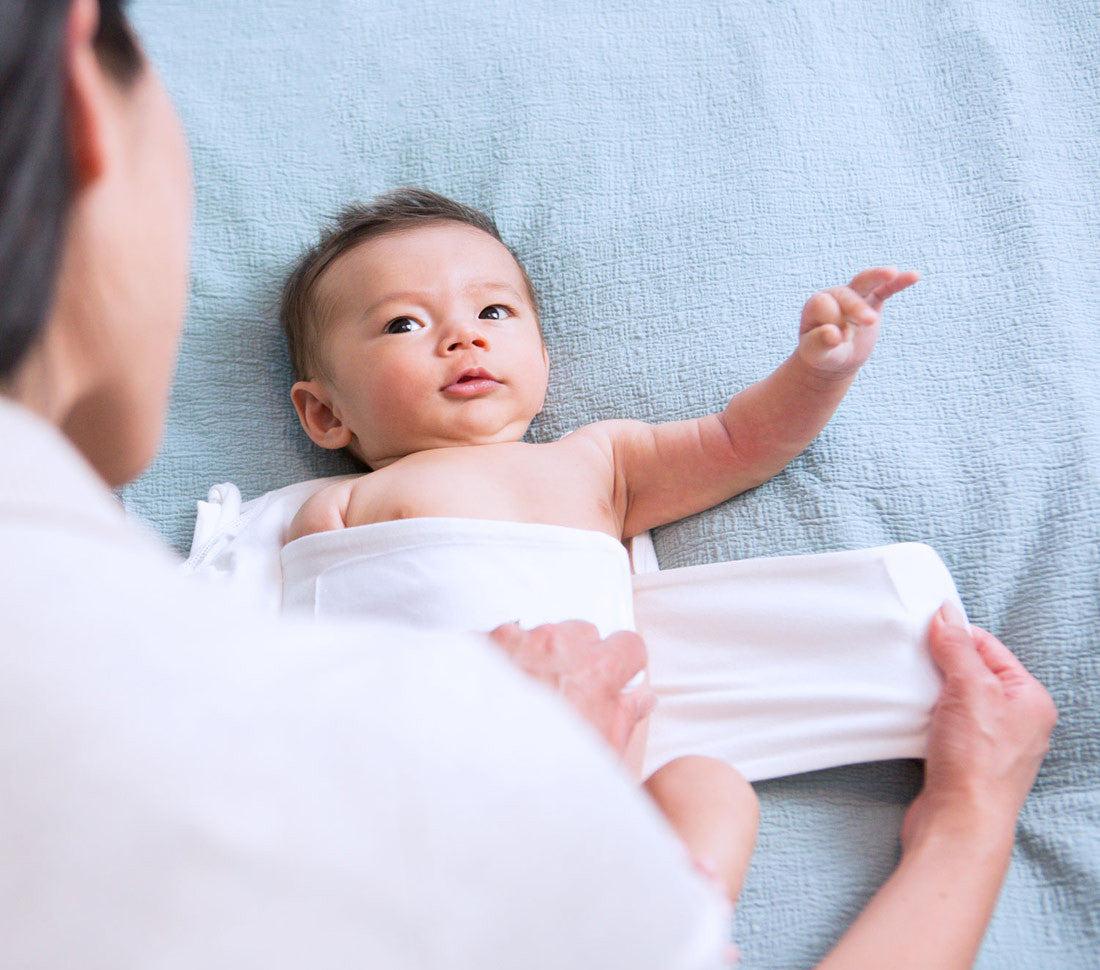
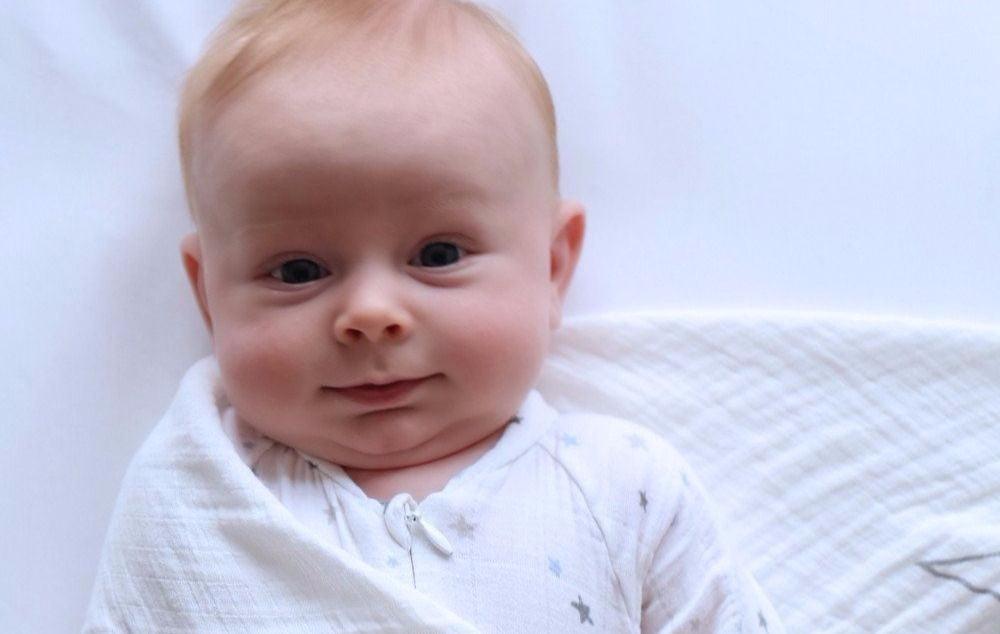
Correct swaddling may offer promise in that regard. That is why the AAP has not taken a stand yet (pro or con) on swaddling and SIDS. In fact, the AAP specifically recommends (and THB) in several places on it’s website advice to parents and in two of it’s parent guides – “Heading Home With Your Newborn” and “Guide to Your Child’s Sleep”. (Of course, the AAP also recommends that parents avoid overheating and loose blankets that might wrap around the face – both risk factors for SIDS).
There is evidence that correct swaddling may be important factor in preventing SIDS and suffocation. A large nationwide case-control study (New Zealand) indicated that firm tucking, wrapping, or swaddling contributes to a reduced risk of SIDS. (Wilson CA, Taylor BJ, Laing RM, et al. Clothing and bedding and its relevance to sudden infant death syndrome: further results from the New Zealand Cot Death Study. J Paediatr Child Health1994;30:506-12).
Similarly, Ponsonby’s large SIDS study in Australia found babies who were swaddled and supine had a ~30% lower risk of SIDS than babies sleeping supine but not unswaddled! (Ponsonby, A, et al, Factors potentiating the risk of Sudden Infant Death Syndrome associated with the Prone Position. NEJM 1993; 329: 377-82). Ponsonby noted that swaddled infants – placed prone – had a 4-fold increase in risk for SIDS versus non-swaddled prone infants.?However, the P value of this finding was only P= 0.09. And, when adjusted for placing the baby on a pillow the correlation of SIDS and prone swaddling dropped below significance (P= 0.16) (Of note, the correlation of SIDS to prone position, recent illness and use of heat, all of which remained significant even after controlling for pillow use.)
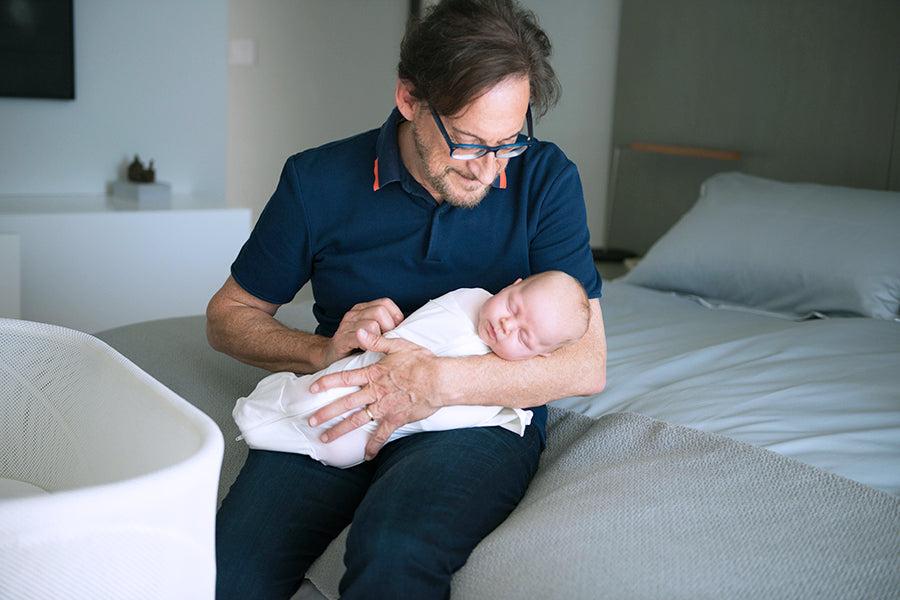
Swaddling is not a very complicated task, but it does require some instruction. To encourage the correct use of swaddling, in 2005 we began classes to train parents in this techniques. There are now over 4300 Happiest Baby educators (2100 certified, 2200 in training) bringing in this approach to programs across the US, including university and children’s hospitals, military bases, etc.
"When I became Director of the nursery I became THB-certified. I use these techniques every day." Ann Kellams, M.D., Medical Director, Newborn Nursery University of Virginia
"I teach your helpful methods to all residents and am now certified in THB." Julee Waldrop, MS, PNP, Director, Newborn Nursery, U of North Carolina, Chapel Hill
"Absolutely one of the best resources. We see firsthand how it empowers parents." Debra Smith, RN, Director, Perinatal Education, University of Michigan Medical Center, Ann Arbor, MI
Approximately 1000 THB educators also teach in state and local departments of health across America to help parents at special risk (e.g. teens, incarcerated, prematures, drug users, foster, prior abusers), including:
* Pennsylvania – 280 (in all WIC breastfeeding clinics)
* Wyoming – 220 (all home visiting nurses)
* Minnesota – 250 (various state agencies, e.g. foster care, DPS)
* Colorado – THB recommended in the statewide SBS prevention manual
* Massachusetts – ~35 (in WIC and new initiative to teach to inner city dads to reduce SBS. Also, THB is recommended in the MA SBS prevention program)
* Connecticut – ~40 (in foster care and DPS)
* First 5 Sacramento County – 254 (to be used in various programs, including teen parenting, premature babies, DPS, foster care, etc). They will distribute thousands of THB DVDs and white noise CDs to parents throughout the county.
THB is being used successfully by hundreds of home visiting public health nurses on many military bases and in many community programs. Professionals often note that THB aids them in rapport building with the families they serve.
Swaddling may in fact lower SIDS and suffocation:
There are 5 possible ways that correct swaddling may lower SIDS and suffocation during infant sleep:??
1) Increase a baby’s responsiveness during sleep.
2) Keep babies from accidentally rolling prone.
3) Persuade more parents to use the back position for sleep.
4) Promote breastfeeding.
5) Prevent suffocation.
1) Swaddling is like continuous tactile white noise…it is a rich addition to the sensory milieu that comforts fetuses in the womb and that gently stimulates sleeping babies postpartum. Research has shown that swaddling makes babies more arouseable (probably because of constant tactile stimulation). Increasing arouseability has been associated with a decreased SIDS risk. (Gerard C et al, Spontaneous Arousals in Supine Infants While Swaddled and Unswaddled During Rapid Eye Movement and Quiet Sleep, Pediatrics 2002 110: e70 Franco P, Seret N, et al, Influence of Swaddling on Sleep and Arousal Characteristics of Healthy Infants, Peds 115:1307-11. 2005 )
Richardson, et al found routine swaddling (~3 weeks and ~3 months of age) caused no change in infant arousals during sleep. Wrapping also had no effect on body temperature or respiratory rate. (Richardson HL, et al. Minimizing the risks of sudden infant death syndrome: to swaddle or not to swaddle? J Pediatrics 2009;155:475-81.)
However, Richardson did find 3-month-olds naïve to swaddling (swaddled for the first time at 3-months) were slightly less aroueseable, but only during Quiet Sleep (QS).
She posited that swaddle-naïve older babies might be at similar risk of SIDS to prone-naïve babies. However, it is believed that SIDS occurs primarily during REM, not QS. Also, contradicting Richardson is the work of Franco et al. She reported that swaddling actually increased arousability. During sleep wrapped babies had a lower arousal threshold, that is they were more easily aroused from sleep by sound stimuli. (Franco P, et al. Influence of swaddling on sleep and arousal characteristics of healthy infants. Peds. 2005;115:1307-11).
Bradley Thach, MD, professor of pediatrics and staff physician at St. Louis Children’s Hospital, who researches infant apnea and Sudden Infant Death Syndrome, Washington University, in an editorial response to Richardson, noted swaddling benefits (cannot crawl into a dangerous asphyxiating environment and cannot pull bedding over the head) and refuted Richardson’s speculation that reduced arousal is a swaddling- SIDS connection. He noted that the only arousal anomaly Richardson found – QS in swaddle-naïve 3-month-olds – would not to be predispose to central or mixed apnea. Thach concluded, “All in all, it would appear that the advantages of swaddling supine-sleeping infants outweigh the risks, if any.”
A recent UK report reported several association between sleep conditions and SIDS. Studying 80 SIDS victims, they found that substantial numbers of victims coslept on a sofa (17% v 1%), used a pillow for the last sleep (21% v 3%) and were swaddled (24% v 6%) versus control babies. They called for more study, but did not recommend prohibiting swaddling. (Blair PS, Sidebotham P, Evason-Coombe C, Edmonds M, Heckstall-Smith EMA, Fleming P. Hazardous cosleeping environments and risk factors amenable to change: case-control study of SIDS in south west England. BMJ. 2009;339:b3666, 1-11).
There are a few questions the Blair study needs to answer before one can know if their finding of a correlation of SIDS and swaddling is causative or coincidental. For example, 7/19 swaddled SIDS babies were place in bed in an unsafe position (prone or side); were the other 12 babies swaddled correctly or incorrectly (overheated, loose blankets around face)? How many of the 54% of SIDS victims who co-slept with parents were swaddled and overheated?
Also, would the association disappear if controlled for other variables? Blair didn’t control swaddling for coincidental risk factors, e.g. pillow use (seen in 20% of SIDS v 4% controls), smoking during pregnancy (59% v 14%) or excessive alcohol use (24% v 4%). This may be of importance. In Ponsonby’s study, the association between prone swaddling and SIDS became insignificant when controlled for pillow use.
In light of studies by Franco, Gerrard and Richardson, if Blair shows that swaddling was indeed causally associated with SIDS or suffocation, the most plausible reasons would be either overheating or re-breathing from loose blankets covering the head, both of which are preventable with proper swaddling technique.
Significantly, the Blair study failed to not find placing a baby in bed prone a SIDS risk factor (14% SIDS v 6% control) (P=0.07). Yet, 29% of the victims were prone at the time of death. That means many rolled prone despite their parents’ compliance with the “back to sleep” recommendation. One might make the argument that this fatal act of rolling could have been prevented by swaddling.
Finally, it would also be interesting to know if any of the babies in the Blair study who died on couches were swaddled. Swaddling’s beneficial effect on sleep efficacy may reduce the frequency of exhausted parents falling asleep in unsafe positions and locations.
2) Swaddling keeps babies from accidentally rolling from stomach to back. Babies who routinely back sleep have ~2 times the risk of back sleeping babies. However, babies who routinely back sleep and accidentally roll to the stomach have 7-19 times increased risk of SIDS. (AAP, Task Force on SIDS“ The Changing Concept of Sudden Infant Death Syndrome, Peds 2005; 116: 1245-1255, Li DK, Petitti DB, Willinger M, et al. Infant sleeping position and the risk of sudden infant death syndrome in California, 1997-2000. Am J Epidemiol. 2003;157:446-455)
Swaddling inhibits a baby’s ability to roll into the prone position. Once infants reach 4 months most of them can roll from stomach to back easily and thus are less at risk of SIDS and can be weaned from the wrapping.
3) Many parents know they shouldn’t let their babies stomach sleep, but they do anyway because they are so sleep deprived…and that is the position in which their babies sleep the best. Willinger reported that 82% of all parents who put their babies to sleep prone do so because they wake up too often on their backs (Willinger, M. et al. Factors Associated With Caregivers’ Choice of Infant Sleep Position, 1994-1998. The National Infant Sleep Position Study. JAMA. 2000;283:2135-42) and Van Sleuven reported that half of all parents who put their babies to sleep prone do so because they wake up too often on their backs (Van Sleuven B, et al: Comparison of behavior modification with/without swaddling as interventions for excessive cry. J Peds 2006;149:512-7).
Eve Colson from Yale replicated these findings: A top reason parents stated for putting babies prone to sleep is because they fuss too much when supine (Trends and Factors Associated With Infant Sleeping Position – The National Infant Sleep Position Study, 1993-2007, Arch Pediatr Adolesc Med. 2009;163(12):1122-1128.)?
Gerrard and Thach and Franco demonstrated that swaddled babies sleep as well on the back as unswaddled babies sleep on the stomach, so swaddling allows exhausted parents to put their babies to sleep on the back…and still get a good night’s sleep. (Gerard C et al, Spontaneous Arousals in Supine Infants While Swaddled and Unswaddled During Rapid Eye Movement and Quiet Sleep, Pediatrics 2002 110: e70 Franco P, Seret N, et al, Influence of swaddling on sleep and arousal characteristics of healthy infants, Peds 2005; 115:1307-11)
4) Promote breastfeeding – Breastfeeding has been reported as a potential factor in reducing SIDS. In 2009, German researchers reported that exclusive breastfeeding at 1 month of age halved the risk, partial breastfeeding at the age of 1 month also reduced the risk of sudden infant death syndrome, but after adjustment this risk was not significant (Does Breastfeeding Reduce the Risk of Sudden Infant Death Syndrome? Vennemann, MM, et al. Peds 2009; 123: e406-e410).
Breastfeeding may accomplish this via a reduction of the incidence of URIs, increased co-sleeping (without bed sharing) or perhaps through some not yet defined alteration in sleep physiology (e.g. increased arousals/arouseability – McKenna JJ, McDade T. Why babies should never sleep alone: A Review of the co-sleeping controversy in relation to SIDS, bedsharing and breast feeding. Pediatric Respiratory Reviews 2005; 6:134-152.
To the degree that swaddling and the “5 S’s” help reduce infant crying and boost sleep they may increase breastfeeding success (by reducing maternal exhaustion, lack of confidence in milk, PPD and by increasing family/spousal/physician support for nursing – all of which are factors in early breastfeeding cessation – see discussion in next sections on breast feeding and PPD.)
5) Swaddling may prevent cases of accidental suffocation associated with co-sleeping. Recent reports (David Tappin J Peds, et al; Martin Lahr, et al Peds, etc) recommend bed sharing only after 3 months of age, however, babies at that age can still migrate in bed and get stuck on a pillow, duvet, or in a headboard. Swaddling keeps babies who bed share from accidentally rolling around, getting entrapped…and suffocating. Further, there is added worry after last months CDC report of increased suffocation deaths that might be prevented by swaddling (Shapiro-Mendoza CK, et al US Infant Mortality Trends Attributable to Accidental Suffocation and Strangulation in Bed From 1984 Through 2004: Are Rates Increasing, Pediatrics. 2009, 123: 533-39)
The Happiest Baby approach is important to the public health because infant crying and the exhaustion to causes in parents are main triggers for serious illness and death: Postpartum depression, SIDS, child abuse, breastfeeding failure, overdiagnosis and treatment of babies for illness, marital stress, maternal smoking/obesity/car accidents, etc.
“Calmer babies equal calmer parents! Dr. Karp’s insights into soothing crying infants are a key to reducing the anger and frustration that can lead to shaking.” – James M. Hmurovich, President & CEO, Prevent Child Abuse America
The potential reduction in morbidity and mortality means that THB offers great cost savings for our health systems:
* Diminished calls/visits to MD’s with screaming, sleepless babies.
* Fewer ER visits and follow up doctor visits.
* Fewer diagnostic tests for sepsis and reflux and fewer unnecessary prescriptions of drugs.
* Reduced breastfeeding failure…with resultant improved infant and mother health.
* Reduced incidence of postpartum depression…with resultant reduced missed work, doctor visits, medication, suicide, etc.
* Reduced incidence of Shaken Baby Syndrome…with resultant reduced hospital and rehab care, legal costs, etc. (The value of saving a single child from brain injury from SBS would pay for this type of program for a county for a year!)
* Reduced incidence of SIDS/suffocation
* Reduced marital stress and improved parent sleep and work ability
* Potential decrease in rate of childhood obesity (via decreased overfeeding in infancy)
And, perhaps most importantly of all, there is the potential for significant benefit from improving parental bonding and the overall psychological health of the family unit.
There is a robust body of evidence supporting this approach.
* The Boulder Colorado Department of Health found THB 98% effective in calming fussy high-risk babies. Nurses taught THB to 42 distressed families (born to teens or addicts, severe prematurity, etc) with fussy babies. 41/ 42 reported a dramatic improvement in calming their babies (many also reported an extra 1-3 hours sleep/night).
*Penn State-NIH study showed THB significantly increased sleep (30-45 min/avg) in breastfeeding babies and (when combined with simple dietary advice) significantly reduced wt/length ratios at 1 year of age. (Paul, IM, et al, Preventing Obesity during Infancy:A Pilot Study, Obesity (2010) doi:10.1038/oby.2010.182)
*Two University of Arizona surveys showed THB classes dramatically boosted parental confidence (pre class ~40% reported moderate to marked concern over being able to calm baby crying, post-class that dropped to .5-1%). ^ SEABHS: Data Summary of Happiest Baby on the Block Retrospective Post-Test Surveys: (Southeastern Arizona Behavioral Health Services, Inc.) (study conducted by The UA Evaluation Research and Development Team (ERAD)
Support by leading pediatricians:
“Dr. Karp’s work is fascinating. It presents the top science about the development of babies in a style that is sensible and a pleasure to read. It will guide new parents for many years to come.” – Julius Richmond, MD, Harvard Medical School, former US Surgeon General
“Dr. Karp’s practical approach is the best way I know to help crying babies.” – Steven Shelov, MD, editor-in-chief, American Academy of Pediatrics’ Caring for Your New Baby and Young Child: Birth to Five
“Dr. Karp has developed the best approach that I’ve ever seen on this challenging topic.” – Morris Green, MD, Emeritus Professor of Pediatrics, Indiana University, Director, Behavioral Pediatrics, Riley Hospital for Children, Past chair AAP Section on Child Behavior and Development
This youtube video shows a young dad confidently calming his screaming baby fast…The Happiest Baby approach: http://www.youtube.com/watch?v=WkR_e1L6zxI&feature=related
In the final analysis, I think that swaddling is very similar to the use of infant car restraints. If installed incorrectly, infant car restraints cause increased infant. However, if used correctly they can decrease deaths. So, do we stop using car seats, or teach parents how to install them correctly? Similarly, swaddling promises to reduce the morbidity and mortality associated with infant crying, but we must make sure that parents and educators are taught how to do it correctly. That is why we made the DVD (which teaches swaddling 3 separate times!) and recommend all parents and educators take a class.
Can parents be educated to swaddle correctly. I believe so. Over the past 20 years we have seen parent education programs leading to a reduction in prone and sleeping, cigarette use during pregnancy and infancy, use of excessive bedding and the use of infant car restraints.
Considering the large potential benefits to swaddling (in reducing unsafe sleeping as well as other serious problems provoked by infant crying and the resultant parental frustration and exhaustion) it is reasonable to encourage the use of this effective sleep aid until there is clear proof that swaddling is a SIDS risk. As Thach concluded in his Journal of Pediatrics editorial, current the evidence argues that swaddling benefits outweigh any risks.


Post a Comment